
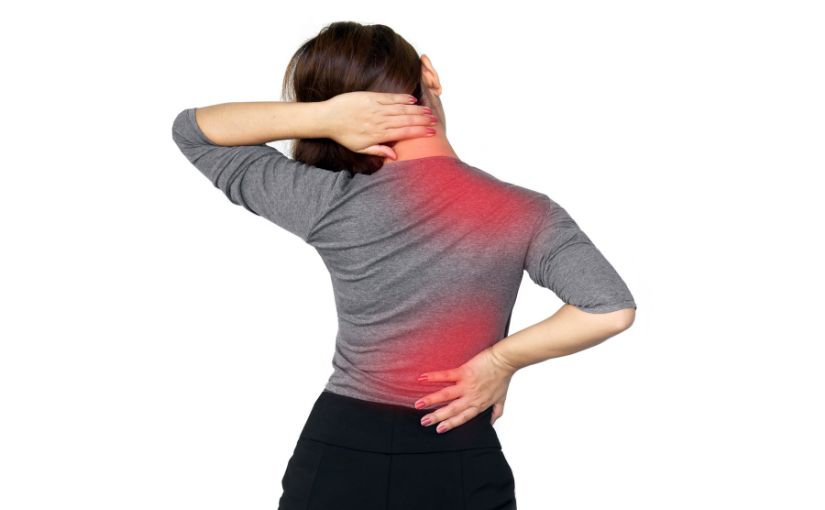
Sharp Stabbing Back Pain: How Chiro Therapy Provides Relief
Main points:
- Sharp, stabbing back pain that disrupts daily activities usually signals nerve irritation like sciatica or tissue damage from muscle strains, disc issues, or spinal misalignment.
- Chiro therapy helps target the root cause of sharp back pain—not just the symptoms—by correcting spinal alignment and reducing nerve irritation.
- Chiropractic doctors evaluate posture, alignment, and nerve pressure to determine the right approach.
Sharp, stabbing back pain can make it nearly impossible to work, exercise, sleep comfortably, or even perform simple movements like bending or reaching. This intense pain often signals nerve irritation (such as sciatica that feels like electric shocks down your leg) or tissue damage from muscle strains, herniated discs, or spinal misalignment.
Chiro therapy can effectively address these musculoskeletal causes through targeted spinal adjustments that relieve pressure on pinched nerves, restore proper alignment, and release muscle tension. Read on to learn how chiro therapy can help you find relief.
What are the common causes of sharp, stabbing back pain?
According to Medical News Today, stabbing back pain can be caused by muscle or ligament strains, herniated discs, sciatica, or spinal misalignments (also known as subluxations). The study added that about 80% of adults are going to experience lower back pain at some point of their lives.
- Muscle or ligament strains
- Sciatica
- Herniated discs
- Spinal subluxations
- Injuries from accidents or falls
- Other possible causes
Let’s take a closer look at the common causes of the said ailment.
Muscle or ligament strains
You’ll feel sudden sharp pain and stiffness in your back, especially when you move or twist. This usually happens after lifting something heavy, bending awkwardly, or twisting your body while carrying weight.
Sciatica (pinched sciatic nerve)
Pain that starts in your lower back and shoots down one leg, often feeling sharp, burning, or like a warm sensation. This happens when a bulging disc or poor posture over time puts pressure on your sciatic nerve.
Herniated discs
As you age, the cushions between your vertebrae naturally break down, causing localized back pain. When these damaged discs press on nearby nerves, the pain can spread into your buttocks and legs.
Spinal subluxations
Spinal subluxation means a spine bone has shifted out of place. When this happens, it squeezes nearby nerves and blocks normal communication between your brain and body. If not fixed, this can cause problems in other body parts that need those nerves to work correctly.
Injuries from accidents or falls
Back pain following a fall, car accident, or contact sports injury could signal serious damage like broken bones, especially if you also experience leg weakness or trouble controlling your bladder or bowels.
Other possible causes
Spine shape problems (curved spine, narrowed spinal canal, inflammatory spine conditions), arthritis, widespread muscle pain (fibromyalgia), kidney infections or stones, spine infections or tumors, and in women, ovarian cysts or uterine fibroids.
How can chiro therapy help in back pain management?
Chiro therapy can help manage back pain by utilizing non-invasive spinal adjustments that are complemented by manual therapies to fix spinal subluxations, minimize nerve pressure, cut down inflammation, and improve mobility.
To achieve the aforementioned benefits, a chiro doctor may perform the following:
- Spinal adjustments
- Decompression and mobilization
- Soft tissue therapy
- Corrective exercises and stretching
Spinal adjustments
Spinal adjustments are hands-on techniques chiropractors use to get your spine joints moving properly again, improve alignment, and reduce stress on surrounding tissues. When your chiropractor restores normal joint movement and releases stuck areas, it eases pressure on nearby nerves and soft tissues, which can significantly reduce sharp or localized back and neck pain.
Decompression and mobilization
Chiropractors may use gentle traction devices or spinal decompression techniques to carefully stretch your spine and relieve pressure inside your discs. This stretching reduces compression on disc material and nerve roots; it’s helpful for bulging or herniated discs that cause sharp, shooting pain down your arms or legs.
Soft tissue therapy
Soft tissue treatments include myofascial release (releasing tight connective tissue), trigger point therapy (working on painful muscle knots), and instrument-assisted techniques using specialized tools. These methods relax tight muscle bands, reduce muscle spasms, and improve tissue flexibility, helping relieve stabbing or pinpoint pain caused by overly tense muscles and connective tissue.
Corrective exercises and stretching
Your chiropractor will prescribe specific exercises to strengthen weak muscles, stretch tight areas, and improve your overall spine stability and posture. Regular stretching and strengthening work reduces muscle tension, increases mobility, and fixes movement problems that contribute to sharp, recurring spinal pain.
What to look for in a chiro clinic for back pain?
When choosing a chiro clinic for back pain, go for a facility that’s composed of qualified professionals who prioritize your individual needs, use evidence-based practices, and maintain transparent communication. It’s best to take note of the following:
- Credentials and safety
- Assessment and diagnosis
- Treatment style and techniques
- Communication and treatment plan
Credentials and safety
Verify your chiropractor holds a valid license and graduated from an accredited chiropractic program. Choose a clinic specializing in back pain treatment, not just general wellness care.
Assessment and diagnosis
Your first visit should include a complete health history review, physical exam, and movement evaluation before treatment begins. Imaging tests should only be ordered when medically necessary, not automatically.
Treatment approach
Select a clinic using evidence-based combinations of adjustments, exercises, and soft tissue work. Treatment should be customized to your comfort level and modified as you improve.
Communication
Your chiropractor should explain your condition clearly, set specific goals, outline visit frequency, and track progress. They should welcome questions, discuss alternatives, and involve you in treatment decisions.
Read our guide for choosing a chiropractic clinic here.
Your path to pain-free back starts with chiro treatment
Sharp back pain doesn’t have to limit your daily activities. Whether caused by muscle strains, herniated discs, sciatica, or spinal misalignments, chiropractic care provides non-invasive solutions that target the root cause. Through spinal adjustments, decompression, soft tissue therapy, and customized exercises, you can regain mobility, reduce pain, and prevent recurrence.
Book an appointment at Posture Perfect Chiropractic. Our experienced and knowledgeable doctors can diagnose your sharp, stabbing back pain to treat your condition.
Frequently Asked Questions
Muscle strain pain is usually localized to one area of the back, often starts after lifting or twisting, and tends to improve with rest and gentle movement.
Herniated disc pain often radiates into the buttocks or down a leg, may worsen when sitting, coughing, or sneezing, and can include numbness, tingling, or weakness in the limb.
Mild, uncomplicated strains or joint restrictions may improve noticeably within a few visits over several weeks, especially when paired with home exercises and ergonomic changes.
More complex cases involving disc herniation, chronic sciatica, or long‑standing posture issues often require a longer care plan that may include an initial intensive phase followed by maintenance visits.
Chiro doctors may use spinal decompression or traction, joint mobilization, myofascial release, trigger‑point therapy, and instrument‑assisted soft‑tissue techniques to address muscle and fascia tension.
They often prescribe corrective exercises and stretches to strengthen weak muscles, improve posture, and reduce recurrence of sharp pain episodes.