
A doctor performing a physical examination on a patient's abdomen in a clinical setting.

Main points:

  • Some inguinal hernia patients choose chiro therapy as a supportive approach during surgery recovery.
  • Chiropractic is a holistic approach that’s based on the idea that the body can heal itself, with the brain controlling the body through the nervous system.
  • Chiro therapy can also help with pain management and get you moving functionally as you get back to your normal activities after hernia repair surgery.

Research from November 2022 found that Asian populations have a much higher rate of inguinal hernia at 12.72% and American populations have a much lower rate of 4.73%.

An inguinal hernia, also known as a groin hernia, occurs when a part of the intestine bulges through a weak area in the abdominal wall near the groin. This type of hernia can come out through either of the two natural pathways in the lower abdominal wall called inguinal canals, one on each side of the groin area. The bulge is usually felt in the groin area and is more noticeable when you cough, lift heavy objects or do strenuous activities.

While surgery is the standard treatment for fixing the damaged tissue and getting back to normal anatomy, some patients choose chiro therapy as a supportive approach during their recovery. Chiro doctors use techniques such as spinal adjustments, soft tissue work and corrective exercises to address postural imbalances and muscle tension that can contribute to increased abdominal pressure. 

They can help reduce stress on the surgical site, improve overall body mechanics and support the healing process by promoting better alignment and reducing compensatory movement patterns. Chiro therapy can also help with pain management without medication and get you moving functionally as you get back to your normal activities after hernia repair surgery.

What are the symptoms of inguinal hernia?

An inguinal hernia develops when abdominal contents push through a weakness in the groin’s muscular wall. This common condition produces several recognizable signs, including a visible bulge and localized discomfort. Read on to learn about the specific symptoms and when to seek medical attention.

Main signs:

  • Visible Lump: The most common sign is a noticeable bump or lump in the groin area, on one or both sides near the pubic bone. This lump becomes more noticeable when standing up, coughing, straining during bowel movements or heavy lifting, or when bending forward. The bump goes away or reduces in size when lying down. In men, this lump may extend down into the scrotum.
  • Pain and Discomfort: The pain can range from mild to severe, and is often described as burning, pressure, fullness or a heavy pulling feeling in the groin area. Physical activity makes it worse, rest makes it better.
  • Feeling of Weakness: A general feeling of weakness or pressure in the affected groin area.

Additional signs:

  • Testicular symptoms (in men) when the bulge extends into the scrotum.
  • Burning or aching at the site of the lump.

When inguinal hernia symptoms require immediate medical attention

Most inguinal hernias are not life threatening but can quickly become serious. Knowing the emergency signs and seeking help fast can prevent complications.

Critical Warning Signs

People with a hernia must seek emergency medical treatment right away if they experience any of these symptoms:

  • Intense, sudden pain at the hernia location
  • Feeling sick to the stomach and throwing up
  • Problems having bowel movements or releasing gas
  • The hernia bulge becoming hard, painful when touched, or unable to be gently pushed back inside
  • Color changes in the protruding area, including redness, purple coloring, or darkening, or if the region loses sensation

Emergency signs inguinal of hernia complications

SymptomPotential ImplicationAction Required
Sudden, severe painIncarceration, strangulation, or obstructionImmediate Medical Attention (A&E/ER)
Nausea or vomitingBowel obstruction, strangulationImmediate Medical Attention (A&E/ER)
Difficulty with bowel movements or passing gasBowel obstructionImmediate Medical Attention (A&E/ER)
Hernia becomes firm, tender, or cannot be pushed back inIncarceration, potential strangulationImmediate Medical Attention (A&E/ER)
Bulge changes color (red, purple, dark) or becomes numbStrangulation (tissue death)Immediate Medical Attention (A&E/ER)

What are the core principles of chiro therapy for inguinal hernia

Chiropractic is a holistic approach that’s based on the idea that the body can heal itself, with the brain controlling the body through the nervous system. This approach shows how the body’s systems work together and that good health comes from proper alignment and function of the musculoskeletal framework, especially the spine.

Whole Body Health Perspective

A whole-body view of health is the foundation of chiropractic. Instead of just treating symptoms, chiropractors look for and correct the underlying causes of health problems. This involves examining a patient’s daily habits, eating patterns, and mental health, as well as their spinal condition. The object is to boost the body’s natural healing processes by promoting overall wellness.

Musculoskeletal and Nervous System Function

Chiropractic focuses on neuromusculoskeletal conditions which affect the back muscles and spinal cord. The spine is a protective casing for the spinal cord, part of the central nervous system. Spinal misalignments, or subluxations, can interfere with nerve function and cause a multitude of health problems beyond just local pain. Chiropractic care aims to restore joint function and mobility, thus reducing nerve interference and supporting healthy nervous system function.

Spinal Manipulation and Its Purpose

The primary chiropractic technique is the “chiropractic adjustment” or “spinal manipulation.” Practitioners use their hands or special tools to apply precise force, direction, leverage, speed and range of motion to targeted joints to correct misalignments and restore proper joint movement. These adjustments are meant to relieve nerve pressure, reduce swelling and improve nervous system function. Although often associated with back and neck pain, these techniques are thought to improve overall physical function and health by increasing spinal flexibility and removing joint restrictions.

What are chiro therapy approaches for inguinal hernia symptom management

  • Diaphragm Muscle Treatment: Therapeutic techniques target diaphragmatic muscle tension to reduce cramping and pain commonly experienced with hiatal hernias.
  • Spinal Manipulation: Adjustments to cervical and thoracic spine segments may indirectly affect diaphragmatic nerve pathways, potentially improving reflux-related symptoms.
  • Structural Assessment: Practitioners evaluate surrounding anatomical structures for misalignments that could increase inflammation or muscle tension, worsening spasm-related issues.
  • Therapeutic Massage: Manual therapy techniques or patient education on self-massage methods involve gentle pressure application below the sternum using upward, inward, and downward movements to help reposition stomach contents and provide symptom relief.

While chiro therapy isn’t meant to replace medical treatment for inguinal hernia, it’s a great addition to correct musculoskeletal issues and overall physical health during recovery. If you’re considering chiro therapy make sure to work with your medical team to see if it fits your recovery and health needs. When combined with a full treatment plan the said holistic approach supports the whole healing and rehabilitation process.

Looking to boost your recovery with professional chiropractic care?

Posture Perfect Chiropractic provides complementary treatment that integrates smoothly with your current medical plan. Our skilled team values collaborative care and works with your doctors to deliver the most effective, comprehensive recovery approach.

Book an appointment today

What is chiropractic and how can it help inguinal hernia patients?

Chiropractic is an integrative approach to healthcare used by chiropractors to improve musculoskeletal function. It can’t cure inguinal hernias but can help with muscle tightness, postural imbalances and abdominal strain to aid in better surgical recovery.

Can chiropractic replace surgery for inguinal hernias?

Surgery is the definitive treatment for inguinal hernias. Chiropractic is an adjunctive therapy during the healing phase to improve range of motion, reduce pain and optimize recovery.

How do chiropractors help with hernia rehab?

Chiropractors may use joint adjustments, massage and rehab exercises to reduce core muscle stress and restore posture to minimize additional strain on the hernia area.


A person in a blue shirt and tie is holding his stomach, appearing to be in discomfort or pain.

Abdominal pain is a prevalent issue in the Philippines, frequently leading to missed workdays and hospitalizations among Filipinos. While often dismissed as minor discomfort, persistent abdominal pain can significantly impact daily life and overall well-being. 

Many seek conventional medical interventions, but a growing number are exploring complementary therapies like chiro therapy to address the root causes and find lasting relief. This holistic approach, which focuses on the relationship between the spine and the nervous system, alleviates various forms of abdominal discomfort.

Read on and find out why the said holistic approach is gaining popularity among abdominal pain patients. 

What is Abdominal Pain?

Abdominal pain is a common symptom characterized by discomfort or soreness in the area between the chest and the pelvis. It ranges from mild and temporary to severe and chronic, manifesting in various forms like cramping, aching, sharp, or dull sensations.

Common Gastrointestinal Disturbances

  • Irritable Bowel Syndrome (IBS). A common disorder affecting the large intestine, characterized by symptoms like cramping, abdominal pain, bloating, gas, and changes in bowel habits (diarrhea, constipation, or both).
  • Constipation. Infrequent bowel movements or difficulty passing stools.
  • Indigestion. A general term for discomfort or pain in the upper abdomen, often accompanied by bloating, gas, nausea, and heartburn.

More Serious Conditions

While many causes of abdominal pain are benign, it’s important to be aware that it can also signal more serious underlying health issues. These may include:

  • Cardiac system issues. Sometimes, pain from heart conditions can radiate to the abdomen.
  • Pulmonary system issues. Certain lung conditions can manifest as pain in the upper abdomen.
  • Other organ system issues. Problems with organs like the kidneys, gallbladder, appendix, or pancreas can cause significant abdominal pain.
  • Musculoskeletal issues (back, chest). Pain originating from spinal subluxation, muscle tension, or rib issues in the back or chest can lead to abdominal discomfort due to nerve referral.

What Are Chiropractic Benefits for Abdominal Pain?

Chiro therapy focuses on the principle that proper spinal alignment is crucial for optimal nervous system function, which in turn influences the health of all organ systems, including the digestive tract. Here’s how the said holistic approach may help with abdominal pain:

  • Improved nerve communication
  • Reduced muscle tension and inflammation
  • Optimizing spinal alignment and posture
  • Organ-specific innervation

Improved nerve communication

The nervous system is like the control system of bodily functions, including digestion. Nerves that control abdominal organs branch out from the spine. Spinal subluxations can interfere with these nerve signals, potentially leading to dysfunction in the digestive system. Spinal adjustments correct these misalignments, restoring proper nerve communication between the brain and the digestive organs.

Reduced muscle tension and inflammation

Spinal subluxations can lead to increased muscle tension in the back and abdomen, which can contribute to digestive discomfort. Chiropractic adjustments and related soft tissue techniques can help release this tension and reduce inflammation in the surrounding tissues, easing pain and improving organ function.

Optimizing spinal alignment and posture

Correcting spinal alignment and improving posture can have a ripple effect on overall bodily function. Better posture can enhance diaphragm movement, leading to deeper breathing efficiency and increased lung capacity.

While not directly addressing abdominal pain, improved breathing can help reduce stress, which is a known trigger for many digestive issues, and support overall physiological balance.

  • Organ-specific innervation. Specific vertebral segments within the thoracic region, particularly from T5 through T10, are believed by chiropractors to correspond to the innervation of various abdominal organs, including the stomach, liver, pancreas, spleen, and colon. Misalignments in these areas are theorized to cause discomfort and digestive problems. Consequently, adjustments improve organ function and even support immune responses within the gut.
  • Enhancing Nerve Function. By alleviating pressure on nerves caused by spinal misalignments, chiropractic treatment can enhance the overall function of the nervous system. This improved nerve flow can contribute to better regulation of digestive processes, such as peristalsis (the wave-like contractions that move food through the intestines) and nutrient absorption, which can lead to reduced symptoms like bloating, constipation, and indigestion.

What are common side effects of chiro therapy?

Chiropractic therapy is generally considered safe when performed by a qualified practitioner. However, like any healthcare intervention, it can have temporary side effects. These are typically mild and resolve quickly, often without the use of medication. They are elaborated below:

  • Soreness or pain. This is the most common side effect and is often described as similar to muscle soreness experienced after physical exercise. It usually subsides within 24-48 hours.
  • Stiffness. A temporary sensation of stiffness in the treated areas may occur.
  • Headaches. Some patients may experience mild headaches after an adjustment.
  • Fatigue. Patients may experience temporary tiredness or fatigue as the body adjusts to the changes.

What to look for when looking for a chiro clinic?

When seeking chiropractic care in the Philippines, it’s essential to choose a reputable and qualified practitioner to ensure your safety and the effectiveness of your treatment. Here are key factors to consider:

  • Certification from Philippine Institute of Traditional and Alternative Health Care (PITAHC). PITAHC is the government body responsible for regulating traditional and alternative healthcare practices in the Philippines. Look for chiropractors who are certified by PITAHC, as this indicates they have met the national standards for education and competency.
  • Composed of doctors who have undergone extensive training: Ensure that chiropractic doctors have completed rigorous and comprehensive chiropractic education programs from accredited institutions. Reputable clinics will often highlight the qualifications and training of their practitioners.
  • Backed by safety protocols: A trustworthy clinic will prioritize patient safety. Inquire about their safety protocols, diagnostic procedures, and how they tailor treatment plans to individual patient needs and health conditions.
  • With Doctors Who Communicate with Patients: A good chiropractic doctor listen to your concerns, explains their findings clearly, discusses your treatment plan thoroughly, and answers any questions you may have. Open communication fosters trust and ensures you are comfortable and informed throughout your treatment.

Conclusion and Call to Action

Abdominal pain, while a common ailment, can diminish quality of life. Chiro therapy offers a non-invasive, drug-free approach that focuses on addressing potential underlying structural and neurological factors contributing to digestive issues. 

By optimizing spinal health and nerve function, chiropractic care may provide relief from a range of abdominal discomforts, from common digestive disturbances to those influenced by musculoskeletal imbalances.

If you are experiencing persistent abdominal pain and are seeking a complementary approach to your health, consider exploring chiro therapy from Posture Perfect Chiropractic. Take the first step towards better digestive health and overall well-being today, by scheduling an appointment with us

Can chiro therapy really help with abdominal pain?

Chiropractic treatment might provide relief for digestive issues like bloating, constipation, or indigestion by correcting spinal alignment problems that could interfere with nerve signals to the digestive organs.

What types of abdominal pain can chiro therapy help with?

Chiro therapy could help alleviate pain from irritable bowel syndrome (IBS), constipation, and indigestion, as well as discomfort caused by muscle tension or postural problems.

How does spinal alignment affect digestion and abdominal pain?

When the spine is out of alignment, it may interfere with nerve communication to the digestive system. Chiropractic treatments can correct these alignment issues and enhance nerve function, possibly improving digestive health.

A person stands on a scale, feet firmly on the floor, measuring their weight

The Philippines is facing a weight management issue. Recent data from the Global Obesity Observatory shows that 7.3% of men are obese and 28.3% are overweight, while 12.2% of women are obese and 31.7% are overweight. These numbers represent a big health concern that goes beyond appearance; excess weight puts additional stress on the spine, joints, and nervous system – potentially leading to pain, reduced mobility, and decreased quality of life.

The good news is that combining weight loss with regular chiro therapy can be a powerful way to improve overall health. While weight loss reduces the physical load on your spine and joints, chiro therapy addresses structural imbalances, improves nerve function, and supports your body’s natural healing processes. Together, these can reduce pain, increase mobility, and create a foundation for long-term wellness – so you can move more comfortably and live healthier.

How excess weight affects the spine 

The spine is designed to support your body’s natural weight while maintaining proper alignment. However, excess weight places additional stress on this delicate system. Understanding this relationship between weight and spinal health is crucial for preventing long-term complications that can significantly impact your daily life. Read on for details. 

  • Increased strain and pressure 
  • Postural alignment 
  • Inflammation

Increased strain and pressure

Inappropriate added weight puts a significant pressure on the spine. The impact is especially pronounced when weight accumulates around your midsection.

For instance, according to studies, every 10 pounds of excess weight, your spine experiences an additional 15 to 50 pounds of pressure. This increase occurs because extra weight, particularly around your abdomen, shifts your center of gravity forward. To stay upright, your spine must curve more dramatically, creating increased pressure on vertebrae, discs, and surrounding muscles. Some of the most affected areas are as followed: 

  • Lower Back. Bears the greatest burden as it supports your entire upper body. Abdominal weight pulls the pelvis forward, increasing the natural curve and placing excessive pressure on discs and joints.
  • Neck. Compensates for forward weight distribution by shifting into a “forward head posture,” forcing neck muscles to work overtime and stressing cervical vertebrae.
  • Knees. Each step while carrying excess weight sends shock waves up to your spine. Additional knee pressure can alter your walking pattern, creating compensatory changes that increase back pain.

These interconnected areas create a cycle where problems in one region often lead to issues in others, significantly impacting your mobility and quality of life.

Postural misalignment

Excess weight, especially around your belly, pulls your body’s center of gravity forward. Your lower back compensates by creating a deeper curve (swayback), which triggers your upper back to round forward (hunchback) and your head to jut out, placing severe stress on your spine.

These changes disrupt your spine’s natural balance and cause misalignment, creating uneven pressure on discs and joints that leads to pain and faster wear. This also causes muscle imbalances and can compress spinal nerves, resulting in pain, numbness, or weakness. Ultimately, excess weight weakens spinal stability and increases injury risk.

Inflammation

In addition to creating physical strain, excess weight, particularly obesity, triggers ongoing, low-level inflammation throughout your body. Fat tissue doesn’t just store energy—it actively produces chemicals that create constant “internal inflammation.”

This persistent inflammation seriously damages your spine in two key ways:

  • Faster Disc Breakdown: Chronic inflammation prevents spinal discs from getting essential nutrients and damages their cells, causing quicker deterioration, height loss, and reduced cushioning ability.
  • Increased Pain: Inflammatory chemicals make nerve endings more sensitive, causing even small movements to hurt. They also trigger muscle spasms and slow down your body’s natural healing.

Simply put, excess weight doesn’t just put mechanical pressure on your spine—it chemically accelerates its breakdown and amplifies pain. Addressing weight is essential for reducing this internal inflammation and protecting your spine’s long-term health.

How chiro therapy supports weight loss 

When the spine is healthy, properly aligned, and mobile, it sets the stage for optimal body function in many ways:

  • Improved nerve function 
  • Enhanced mobility 
  • Better posture and balance 

Improved nerve function 

Your nervous system is your body’s control centre, controlling everything from breathing and heartbeat to thoughts and movements. Your spinal cord and nerves are the communication highways. When your spine is healthy and in alignment, nerve signals can flow freely between your brain and body without interference. This is key for all your body systems to function properly.

Enhanced mobility 

When parts of your spine are out of place or restricted, they can irritate nerves, create muscle tension, and cause inflammation in the area—all resulting in pain. A healthy spine, maintained through regular chiro therapy, keeps joints moving smoothly, reduces nerve irritation, and relieves discomfort. This leads to better range of motion, flexibility, and overall mobility, making daily activities easier and more comfortable.

Better posture and balance 

A healthy spine alignment gives you a robust base for your whole body. It helps you stand, sit and move with good posture and reduces stress on your muscles and joints. This significantly reduces the probability of falling and leads to better coordination.

Stress reduction and mental well-being

Physical discomfort and ongoing pain can cause significant stress. By reducing pain and improving how your body functions, chiropractic care can lower your body’s stress response. Additionally, when your nervous system works properly, it can lead to better sleep, higher energy levels, and an improved sense of overall well-being.

Perform your weight loss journey with help from Posture Perfect Chiropractic 

The good news is that you don’t have to face these challenges alone. By actively pursuing weight management strategies alongside the foundational support of regular chiropractic care, you can create a powerful synergy for lasting health.

If you’re struggling with the effects of excess weight on your body, or simply looking to enhance your mobility and overall health, we’re here to help. At Posture Perfect Chiropractic, we focus on supporting a healthy spine.

Contact Posture Perfect Chiropractic today and schedule an appointment. Let us help you unlock your body’s potential for better movement and a higher quality of life.

Frequently Asked Questions

Can chiropractic care directly cause weight loss?

No, it doesn’t directly cause weight loss like a diet or exercise. Instead, it supports the body’s natural functions (metabolism, mobility, pain reduction) that make weight loss easier and more sustainable.

Is chiro therapy safe if I’m overweight or obese?

Yes, chiro therapy is safe even if you’re overweight or obese. Chiropractors are trained to adjust for each body type and condition. It’s especially helpful for weight related musculoskeletal pain.

How does losing weight affect my spine health?

Losing excess weight significantly reduces the mechanical load on your spinal discs and joints, alleviates nerve compression, improves posture, and lessens systemic inflammation, leading to reduced pain and improved mobility.

Man sitting on a bed, visibly distressed, holding his lower back due to pain.

Main points:

  • Joint subluxation occurs when the bones in a joint shift out of place without fully separating.
  • Chiropractic therapy offers a safe and natural way to realign joints, relieve discomfort, and restore normal movement.
  • Consistent care from a doctor of chiropractic can offer lasting relief for those struggling with joint subluxation.

Joint subluxation happens when a joint is partially dislocated. It’s not completely out of place, but it isn’t sitting where it should be either. This misalignment can cause pain, limit movement, and place strain on surrounding muscles and tissues.

In this post, we’ll explain what joint subluxation is, how it differs from a full dislocation, and what commonly causes it. You’ll also learn how chiropractic therapy can help correct the problem, ease discomfort, and support long-term healing through natural, hands-on care.

What Is Joint Subluxation?

Joint subluxation occurs when the bones in a joint shift out of place without fully separating. This can happen in areas like the spine, shoulder, jaw, or fingers, often causing pain, swelling, or a sense of instability.

A complete dislocation, or luxation, involves the joint surfaces becoming fully separated, which usually results in immediate and intense pain, visible deformity, and loss of function. In contrast, a subluxation is less obvious and may go unnoticed at first, though it still disrupts joint function and puts stress on surrounding tissues.

This medical overview on subluxation explains how even a partial dislocation can impair movement and lead to long-term issues. Supportive care such as chiropractic therapy can help restore alignment and reduce the risk of further complications.

What Are the Causes and Risk Factors of Joint Subluxation?

Joint subluxation can develop from sudden injuries or build up slowly due to poor posture, repeated movement, or muscle imbalances. Some people experience symptoms right away, while others notice joint discomfort that worsens over time. Knowing what contributes to subluxation can help you take steps toward better joint health and stability.

  • Common Traumatic Injuries – Falls, collisions, or awkward movements during sports or daily activities can force a joint slightly out of position. Even if the joint is not fully dislocated, the damage can still cause pain and long-term instability.
  • Repetitive Strain and Overuse – Repeating the same motion for long periods can wear down joint structures. Tasks like typing, lifting, or factory work can lead to small shifts in alignment that eventually cause subluxation.
  • Poor Posture and Ergonomics – Sitting with rounded shoulders, looking down at your phone, or working without back support can affect your spinal alignment. Many people who seek chiro treatment for neck or lower back pain have posture-related subluxations that developed gradually.
  • Muscle Imbalances and Weakness – When some muscles are weak and others are tight, they pull unevenly on the joint. A doctor of chiropractic can assess these imbalances and use specific techniques to restore alignment and improve muscle support.
  • Underlying ConditionsChronic issues like arthritis or joint hypermobility can make it easier for joints to shift out of place. In these cases, chiropractic therapy can be part of a long-term strategy to manage symptoms and maintain better alignment.

How Can Chiropractic Care Help with Joint Subluxation?

Chiropractic therapy offers a safe and natural way to realign joints, relieve discomfort, and restore normal movement. It targets the underlying causes of joint subluxation, rather than just masking the symptoms.

A doctor of chiropractic follows a thorough, step-by-step process to assess and treat your condition:

  • Conducts a patient interview to understand symptoms and lifestyle habits
  • Reviews your detailed health history
  • Performs a comprehensive physical examination
  • Uses diagnostic tools if needed (such as X-rays or posture scans)
  • Develops a working diagnosis and personalized care plan

Treatment may include:

  • Manual therapy and spinal manipulation to restore proper alignment and reduce joint tension
  • Instrument-assisted therapy using handheld tools for gentle, targeted adjustments
  • Counseling on diet and lifestyle to reduce inflammation and support healing
  • Recommendations for dietary supplements that promote joint and nerve health

When done consistently, chiro treatment helps reduce the likelihood of future subluxations and supports long-term joint stability.

What Are the Benefits of Chiropractic for Subluxation?

Consistent care from a doctor of chiropractic can offer lasting relief for those struggling with joint subluxation. Rather than simply masking symptoms, this hands-on approach works to correct the underlying misalignment and improve how your body moves and heals.

Pain Relief

Adjustments help reduce pressure on joints and surrounding nerves. This often leads to natural, long-lasting pain relief without the use of medication.

Improved Mobility

Restoring joint alignment reduces stiffness and muscle tension. With regular chiro treatment, you may notice better movement and less restriction during daily activities.

Enhanced Nervous System Function

Joint misalignments can interfere with nerve signals. Correcting those issues supports better communication between your brain and body, which helps with healing, coordination, and overall wellness.

Start Your Recovery with Care

Joint subluxation may seem minor, but it can affect your comfort, mobility, and overall health over time. The good news is that small shifts in alignment can be corrected with consistent care and the right guidance.

Through gentle, personalized adjustments, a doctor of chiropractic can help restore balance to your joints and support long-term healing. Combined with healthy movement habits and regular chiro treatment, this approach gives your body the support it needs to stay strong and mobile.

At Posture Perfect Chiropractic, we’re here to help you move better and feel better—naturally and without invasive procedures. Book your consultation today and take the next step toward lasting relief.

Can subluxation be prevented?

Yes. Good posture, regular movement, proper ergonomics, and consistent chiro treatment all play a role in prevention. Taking care of your spine and joints today can help you avoid long-term discomfort and mobility issues in the future.

Is chiropractic adjustment safe for joint subluxation?

Yes. When performed by a licensed doctor of chiropractic, adjustments are safe, gentle, and tailored to your specific condition. They help restore joint alignment without the need for medication or invasive procedures. Many patients find that consistent care not only relieves symptoms but also prevents future flare-ups.

What is the recovery time for a joint subluxation?

Recovery time can vary depending on the severity and location of the subluxation. Most people begin to feel better within a few sessions of chiro treatment, especially when care is combined with home exercises and posture support. Healing also depends on how early the issue is addressed and how well the care plan is followed.

Main points:

  • Warm-ups help prevent injury and prepare your body for movement.
  • Cooling down supports recovery and protects your muscles and heart.
  • Regular chiropractic therapy keeps your spine aligned and your body moving well.

Chiropractic therapy, combined with proper warm-ups and cool-downs, supports your spine, joints, and movement throughout your workout. It helps keep your body aligned, reduces strain, and improves recovery

At Posture Perfect Chiropractic, we believe true fitness isn’t just about how hard you train—it’s about how well you prepare and recover. This approach helps anyone who wants to stay active, perform better, and move safely for the long haul.

So, how exactly do warm-ups, cool-downs, and chiropractic care work together to support your health? Let’s break it down.

Why Is Warming Up So Important Before a Workout?

Warming up gets your body ready to move safely and efficiently. Skipping it increases the risk of strain, especially during intense activity. A proper warm-up improves performance, prevents injury, and sets the tone for a better workout.

It should include three key elements to activate muscles, improve range of motion, and prep your body for movement:

Reduces the Risk of Injury

Warming up prepares your muscles and joints for movement, helping prevent sudden strain. A study on injury prevention confirms that warm-ups lower the risk of acute injuries during exercise. At Posture Perfect Chiropractic, a doctor of chiropractic often sees avoidable injuries linked to skipping this important step.

Enhances Performance

A proper warm-up increases heart rate, activates the nervous system, and improves blood flow to muscles. This helps your body move more efficiently and respond faster during physical activity. Research on physical performance shows it can improve coordination, stamina, and mental focus.

Supports Full Range of Motion

When your muscles are stiff, your movements become limited. That’s when injuries are more likely to happen. Warming up helps your joints move fully and comfortably. This guide to range of motion explains how simple stretches help prevent overuse and strain.

What Should Your Warm-Up Include?

A good warm-up usually lasts 10 to 15 minutes and includes these three parts:

  • Light Aerobic Activity: Spend 5 to 10 minutes walking briskly, jogging lightly, or cycling at an easy pace. This wakes up your cardiovascular system.
  • Dynamic Stretching: Do controlled movements like leg swings, arm circles, lunges with a twist, or hip rotations to get your joints moving.
  • Sport-Specific Movements: Try activity-related motions like dribbling, kicking, or high knees to prepare your muscles for what comes next.

Need a simple routine to follow? This beginner-friendly warm-up guide walks you through it step by step.

What About Blood Flow?

A good warm-up increases heart rate and improves blood flow to your muscles, helping your body perform better and recover faster. This extra circulation improves stamina, reduces fatigue, and prepares your muscles for action.

Why Does Cooling Down Matter After Exercise?

Cooling down is a key step that many people skip. But giving your body time to slow down after physical activity can make a big difference. It helps ease sore muscles, supports healthy joints, and allows your heart and nervous system to settle gradually.

Mitigates Delayed Onset Muscle Soreness (DOMS)

DOMS often shows up one to two days after a tough workout. Cooling down with light movement and stretching helps reduce muscle soreness by keeping blood flowing and aiding recovery.

Helps Relax Tense Muscles

After a workout, muscles naturally tighten. Cooling down with gentle post-exercise stretching restores flexibility and reduces built-up tension. When paired with chiropractic therapy, this helps maintain balance in muscle groups that support your spine and joints.

Supports a Safe Transition to Rest

Cooling down for 5 to 10 minutes helps your heart rate and blood pressure return to normal. Studies show it prevents blood pooling and dizziness, and helps remove lactic acid more efficiently.

Enhanced Joint Health

Stretching after a workout supports healthy joint movement. It helps ease tension in surrounding muscles, prevents stiffness, and keeps your range of motion smooth. Regular cool-downs are especially helpful for those dealing with joint conditions like arthritis, where maintaining flexibility is key.

Improved Heart Health

A proper cool-down helps your heart return to its resting rhythm safely. The American Heart Association recommends it as part of a heart-healthy fitness routine. Gradually slowing your pace reduces the risk of dizziness or sudden blood pressure drops and supports better circulation over time.

Key Benefits of Chiropractic Treatment

Many people assume chiropractic therapy is only for treating back pain. In truth, it takes a whole-body approach. It works by correcting spinal alignment and improving how your nervous system functions. It also addresses spinal subluxation, which can affect movement, pain, and how well your body recovers.

When your spine is aligned properly, your entire body functions more efficiently. This makes it easier to stay active, recover from physical stress, and maintain long-term health.

  • Enhanced Mobility and Flexibility – Chiropractic adjustments help reduce joint restrictions and muscle tightness. This leads to smoother movement and better flexibility during workouts and daily activity.
  • Faster Injury Recovery – Chiro treatment supports your body’s natural healing process by relieving pressure on nerves and improving circulation. It also helps reduce muscle spasms and inflammation around injured areas.
  • Improved Performance – Better alignment means better body mechanics, balance, and posture. These changes can improve strength, coordination, and movement efficiency.
  • Injury Prevention – Regular adjustments help correct imbalances before they lead to pain or injury. Keeping the spine and joints in proper alignment lowers stress on the body during physical activity.
  • Pain Management – Chiropractic treatment offers a natural, drug-free way to manage discomfort. It targets the root causes of pain rather than just covering up the symptoms.

Finish Strong with Smart Movement and Chiropractic Care

Warm-ups, cool-downs, and chiropractic therapy aren’t just add-ons to your fitness routine—they’re essential. These three steps work together to support your joints, muscles, and nervous system so you can move better, recover faster, and avoid injury.

Athletes, weekend warriors, and active individuals all benefit from proper movement care. It helps prevent injury, speeds up recovery, and keeps your body performing at its best.

At Posture Perfect Chiropractic, we help you take care of the movement that matters most; so you can stay in motion and feel your best.Ready to move better and recover smarter? Book your chiropractic consultation today.

Frequently Asked Questions (FAQs)

What happens if you skip a warm-up?

Skipping your warm-up increases the risk of injury. Cold muscles and stiff joints are more likely to strain under sudden pressure.

Why is recovery just as important as exercise?

Recovery is when your body repairs itself. Without it, you risk overtraining, soreness, and long-term setbacks.

Can chiropractors help prevent workout injuries?

Yes. A doctor of chiropractic can address misalignments and tension that lead to poor movement patterns, which lowers your injury risk over time.

A person stands on a scale, balancing with her toes at the top, indicating she is checking her weight.

Metabolic syndrome affects millions of people worldwide. In the Philippines, a research by Acta Medica Philippines suggests that 52 out of every 100 older Filipino adults have metabolic syndrome and are at high risk for heart problems. Most of them (85%) have too much bad cholesterol in their blood. About half have high blood pressure, and roughly 10% have diabetes. 

While traditional treatments focus on medication and lifestyle changes, many people are exploring how chiropractic therapy might support their overall health management. Understanding what causes metabolic syndrome to develop is crucial for effective prevention and treatment.

Factors that Contribute to the Development of Metabolic Syndrome 

A number of significant factors work together to trigger and advance metabolic syndrome. They’re elaborated in the succeeding paragraphs:

Age

As people get older, they lose muscle and gain fat around their belly, which makes it harder for their body to use insulin properly. When insulin doesn’t work well, the pancreas has to make more of it to keep blood sugar normal. Over time, this extra work can lead to higher blood sugar levels. This problem with how the body handles sugar and fat is the main reason why getting older increases the chances of developing metabolic syndrome. This condition can then lead to serious health issues like diabetes and heart disease.

Obesity and Excess Weight

Excess weight causes metabolic syndrome through multiple pathways. Too much body fat, particularly belly fat, interferes with insulin function, making cells ignore insulin signals and forcing higher insulin production until blood sugar rises. Fat tissue produces inflammatory substances that damage blood vessels and worsen insulin resistance. Extra weight strains the cardiovascular system and kidney function, elevating blood pressure. 

Poor Lifestyle 

Poor lifestyle habits directly trigger metabolic syndrome. Eating lots of processed foods, sugar, and fast food causes weight gain and blood sugar problems. Not exercising weakens muscles and makes it hard for the body to use sugar, plus raises blood pressure. Constant stress releases hormones that build belly fat and spike blood sugar, while making people want junk food. 

Associated Risks of Metabolic Syndrome

Metabolic syndrome represents a serious health concern that significantly increases an individual’s risk of developing multiple chronic diseases and life-threatening complications. Some of the most notable ones are elaborated below.

Cardiovascular Disease (CVD)

Metabolic syndrome leads to cardiovascular disease and stroke through several interconnected mechanisms that damage the heart and blood vessels. High blood pressure, a key component of metabolic syndrome, puts constant strain on artery walls, causing them to thicken and stiffen over time. This makes it harder for blood to flow and increases the workload on the heart. 

Type 2 Diabetes 

Metabolic syndrome leads to type 2 diabetes by slowly breaking down the body’s ability to control blood sugar. It begins when cells stop responding well to insulin, causing sugar to pile up in the blood. The pancreas tries to fix this by making extra insulin, but working overtime damages and exhausts these insulin-making cells. People with metabolic syndrome are three to five times more likely to get diabetes than healthy people.

In the Philippines, diabetes is a growing concern with an estimated 4.3 million Filipinos diagnosed with it; with 2.8 million undiagnosed as of 2021. 

Nonalcoholic Fatty Liver Disease (NAFLD)

Metabolic syndrome creates an unhealthy environment in the body, mainly because of insulin resistance, that causes fat to build up in the liver. This increases the chances of developing fatty liver disease and makes it more likely to progress to serious liver problems that can be life-threatening.

Chiropractic Therapy’s Influence on Metabolic Syndrome

Enhancing Heart and Circulatory Health

Chiropractic therapy focuses on the body’s autonomic nervous system, which is responsible for blood pressure, heart rate, and the like. Studies suggest that spinal adjustments balance this system, especially by activating the “rest and digest” part of the nervous system to calm down the “fight or flight” response. 

When chiropractors adjust the spine, particularly the top neck bone (C1) where important nerves are located, it may affect the brain stem pathways that control the heart and blood vessels. 

Keeping Diabetes at bay with Healthier Nerves

Chiropractic treatment might also help with diabetes problems like damaged nerves. By helping nerves work better and improving blood flow, spinal adjustments could reduce the painful symptoms that come from nerve damage, like tingling, numbness, and burning feelings. It might also help calm down inflammation throughout the body, which is a big problem for people with diabetes and plays a major role in causing metabolic syndrome.

Busting Stress for Gut and Mental Health 

People who get chiropractic care regularly say they feel much less stressed than people who don’t get this treatment. When stress goes down, it helps both stomach problems and mood through the body’s nerve and hormone systems. The stress-reducing effects of chiropractic care are one of the clearest ways it might help with mental health. By helping the body deal with stress better, spinal adjustments may stop the stress cycle that makes digestive issues and metabolism problems worse.

Chiropractic and Metabolic Syndrome Management

Doctors of chiropractic see metabolic syndrome as a serious and growing health problem, understanding how it greatly increases the risk of heart disease, stroke, and diabetes. Some chiropractors consider metabolic syndrome the biggest nutrition-related health issue for people under 60, highlighting that it can be fixed through proper diet advice and tracking. This forward-thinking approach and focus on healthy living makes chiropractic therapy work well with the main medical recommendations for preventing and managing metabolic syndrome.

While chiropractic care can’t cure metabolic syndrome by itself, it shows promise as a helpful addition to a team-based healthcare approach that focuses on lifestyle changes. Its ability to help people make healthy behavior changes, treat related muscle and joint pain, and reduce inflammation and stress throughout the body makes it a useful extra treatment for people dealing with metabolic syndrome.

Take the Next Step to Metabolic Health with Posture Perfect Chiropractic 

If you’re dealing with metabolic syndrome or want to improve your metabolic health, consider adding chiropractic care to your wellness routine. At Posture Perfect Chiropractic, our skilled team can help treat the muscle and joint issues related to metabolic syndrome while supporting your overall health goals. 
Contact us today to schedule an appointment and learn how chiropractic care can enhance your journey to better metabolic health and quality of life.

Frequently Asked Questions

What is metabolism, and how does chiropractic therapy generally influence it?

Chiropractic therapy supports metabolism by correcting spinal misalignments that can disrupt nerve communication. By restoring proper nervous system function through spinal adjustments, chiropractic care helps optimize the body’s natural ability to regulate metabolic processes, potentially improving energy, digestion, and overall physiological balance.

What is the connection between chiropractic therapy, stress, and metabolic hormones like cortisol?

Chiropractic therapy affects stress and metabolic hormones like cortisol by optimizing nervous system function. Spinal adjustments correct misalignments to improve nerve communication, which helps regulate metabolism and may enhance hormone balance and insulin sensitivity.

For stress management, chiropractic care can modulate the body’s stress response, potentially reducing cortisol levels and alleviating pain. By ensuring proper nervous system function, chiropractic therapy supports the body’s natural ability to maintain metabolic balance and manage stress effectively.

Who should consider chiropractic therapy for metabolic health concerns?

1) Those with metabolic syndrome risk factors: Individuals with concerns about waist size, blood sugar, blood pressure, triglycerides, or cholesterol levels.
2) People seeking better digestion: Since the enteric nervous system controls digestive processes that affect metabolism, those with digestive issues may benefit from improved nerve function.
3) Individuals focused on disease prevention: Chiropractic care can help maintain proper nerve supply to digestive organs, potentially reducing risks of diabetes, cardiovascular disease, and other metabolic conditions.
4) Those wanting comprehensive wellness support: People already following healthy nutrition and exercise routines can use chiropractic therapy as an additional tool to optimize metabolic health through enhanced nervous system function.

Main points:

  • Chiropractic therapy can help treat acute pain thanks to its natural, hands-on approach that has a positive impact on healing and balance.
  • Acute pain is your body’s immediate response to injury or illness.
  • A chiropractor can determine the most appropriate combination to address your acute pain effectively.

Acute pain is your body’s way of saying, “Something’s wrong.” It can strike fast. It often feels sharp, intense, and hard to ignore.

In the Philippines, many people try to manage this kind of pain on their own. A 2023 scoping review on self-care practices in the Philippines looked at how Filipinos manage acute conditions using research published up to 2021. It covered issues like low back pain, coughs, colds, and stress. The findings showed that home remedies and traditional care were widely used.

But sometimes, pain needs more than rest or herbal rubs. When discomfort keeps coming back or stops you from moving freely, self-care may not be enough.That’s where chiropractic therapy can help. It’s a natural, hands-on approach that focuses on the way your body is built—and how that affects pain, balance, and healing.

What is Acute Pain?

Acute pain is your body’s immediate response to injury or illness. It comes on suddenly and often feels sharp or intense. This type of pain serves as a warning sign, alerting you that something isn’t right.

According to the International Association for the Study of Pain (IASP), acute pain typically lasts from a few minutes to less than six months. It’s usually caused by events like:

  • Injury (sprained or strained ankle)
  • Surgery
  • Illness (e.g., infections)
  • Trauma

Once the cause is treated or heals, the pain usually fades. But if it’s ignored or poorly managed, it can sometimes lead to chronic pain.This is where early care makes a difference. For many, options like chiropractic therapy offer safe, drug-free relief before the pain becomes harder to control.

What Usually Causes Acute Pain?

Acute pain isn’t always the result of a big accident. It can come from small habits that stress your body over time. Here are some of the most common causes:

  • Overuse injuries – Repeating the same movement too often, like typing, lifting, or walking long distances, can strain your muscles and joints. These small injuries build up and lead to sudden pain.
  • Sports activities – Playing sports without proper warm-up or form can put stress on your body. You might pull a muscle, twist a joint, or land the wrong way during a workout.
  • Improper lifting techniques – Lifting with your back instead of your legs can cause pain right away. It’s one of the fastest ways to strain your lower back or shoulders.
  • Wrong posture – Slouching while sitting or standing puts pressure on your spine. Over time, this causes stiffness and sharp pain, especially in the neck or back.
  • Poor ergonomics – Using the wrong chair, desk, or tools at work can lead to pain. When your body isn’t supported properly, it can affect your wrists, lower back, and shoulders.

Every day, movements matter. When they start causing pain, chiropractic therapy can help your body recover and move better again.

How Chiropractic Can Address Acute Pain

When pain hits suddenly, most people want fast relief. But true healing often starts with understanding what’s going on inside your body. That’s where chiropractic therapy can help.

How Your Body Heals Itself

Your body is built to heal naturally. Chiropractic care works with that process by improving how your spine and nervous system function together. When everything is aligned, your body can recover faster and more effectively.

Fixing Small Shifts in the Spine

Even a small shift in the spine can press on nearby nerves and trigger pain. These shifts, called subluxations, are a common cause of discomfort. Research supports the benefits of spinal adjustments for pain in improving mobility and reducing tension around the affected area.

Why Structure Affects How You Feel

Your spine does more than keep you upright—it also affects how your body moves and functions. If it’s out of line, the rest of your body can suffer. Experts at Harvard Health note that chiropractic care may reduce inflammation and help restore natural movement, especially in the back and neck.

Helping Your Nervous System Do Its Job

Your nervous system controls how you move, heal, and respond to pain. When your spine is misaligned, it can disrupt those signals. Chiropractic care works to restore that connection. A recent NIH-supported study found that chiropractic adjustments may improve nervous system performance and body function.

Don’t Overlook Chiro Massage

Many doctors of chiropractic also use specialized massage to release muscle tension and improve blood flow. When combined with spinal adjustments, this gentle, hands-on technique helps you recover faster and feel better longer.

Chiropractic Methods for Acute Pain Relief

When you’re dealing with sudden pain, it’s natural to seek quick relief. Chiropractors use various techniques tailored to your specific needs.

Here are some commonly used methods:

Diversified Technique

    This hands-on method involves a quick, controlled thrust to a joint. It helps restore proper movement and reduce discomfort. It’s one of the most widely practiced approaches in chiropractic care and is considered effective for various musculoskeletal issues.

    Thompson Drop-Table Technique

      This technique uses a special table with drop sections that shift during adjustments. The drop motion allows for lighter pressure while still achieving realignment. It’s particularly helpful for patients who prefer a gentler approach.

      Activator Method

        A small handheld device delivers a quick, low-force impulse to targeted joints. It’s widely used for individuals seeking a gentle alternative to manual adjustments, especially in sensitive areas like the neck or jaw.

        Instrument Assisted Soft Tissue Mobilization (IASTM)

          This method uses tools to break down scar tissue and treat muscle tightness. It’s especially effective for addressing various musculoskeletal conditions, including tendonitis and chronic stiffness.

          Chiro Massage

            Incorporating massage into chiropractic care helps relax muscles, improve circulation, and enhance overall treatment effectiveness. It’s a soothing complement to other chiropractic methods.

            Each of these techniques offers unique benefits, and a chiropractor can determine the most appropriate combination to address your acute pain effectively.

            Ready to Feel Better Again?

            Acute pain can stop you in your tracks. It makes daily tasks harder, slows you down, and affects your mood. But with the right care, your body can recover. Whether the pain is from a tight muscle, a misaligned joint, or nerve pressure, there are gentle, proven methods that can help. From targeted adjustments to chiro massage, each approach supports healing and brings your body back into balance.If pain is holding you back, don’t wait. Book an appointment with a licensed chiropractor at Posture Perfect Chiropractic and get a care plan tailored to your needs. Relief starts with the right support—and it starts today.

            Frequently Asked Questions (FAQs)

            Do I need a referral to see a chiropractor?

            In most cases, you don’t need a referral—you can go straight to a chiropractor. If you’re using insurance, check your provider’s policy just to be sure.

            How soon can I feel relief after a session?

            Some people feel better after just one session, especially when the issue is minor or caught early. Others may need a few visits before noticing real improvements, depending on the cause and severity of the pain.

            Is chiropractic care safe for sudden or sharp pain?

            Yes, chiropractic care is considered safe when done by a licensed and trained professional. Your chiropractor will do a full assessment first to make sure it’s the right approach for your specific condition, especially if the pain came on suddenly.

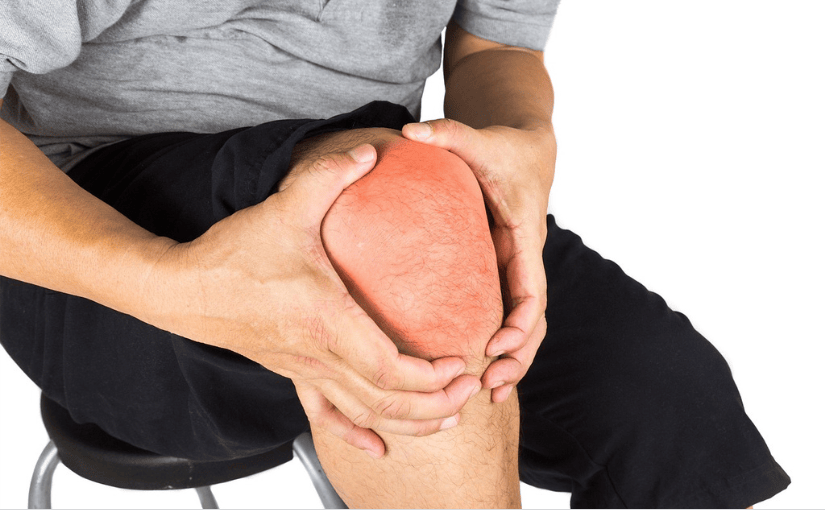
            A man grimaces in pain while holding his knee

            The most frequent causes of knee pain include aging, injury, and repeated stress on the joint. Over time, these factors can wear down the knee and lead to ongoing discomfort. It might start as a dull ache or stiffness.

            But if ignored, the pain can slowly affect how you move, how much you do, and how you feel overall. In the Philippines, a sedentary lifestyle is a dominant risk factor for knee pain among young adults. This highlights the importance of addressing knee pain early and finding effective treatments.

            In this post, we’ll explore why the knee is so vulnerable to pain, what causes it, and how chiropractic therapy can offer a natural, hands-on solution to relieve pain, restore mobility, and support long-term recovery.

            What is knee joint pain?

            Susceptibility of the knee to pain: Largely due to its complex structure

            The knee joint is one of the body’s most heavily used and vulnerable parts. It connects the thigh bone (femur) to the shin bone (tibia), supported by cartilage, ligaments, tendons, and muscles. This complex structure allows for flexibility and support, but it also makes the knee more prone to injury and wear over time.

            Substantial biomechanical stresses are endured during:

            • Routine daily activities like walking, lifting, climbing stairs, and kneeling place regular strain on the knee joint.
            • High-impact pursuits such as jogging, jumping, and playing sports increase the load on the joint, especially when done frequently or without proper form.

            These daily and athletic movements may seem minor in isolation, but they accumulate over time. They can lead to long-term strain or injury without proper alignment and muscle support.

            Need for effective treatment strategies

            A considerable number of individuals experience knee pain at some point in their lives. This includes athletes, older adults, and even younger individuals with repetitive-use injuries. The growing number of cases highlights the importance of having treatment options that are:

            • Effective, addressing not just symptoms but the root cause
            • Accessible, offering natural, non-invasive alternatives like chiropractic therapy that can be integrated into broader care plans

            What are the common causes of knee joint pain?

            Knee pain doesn’t always come from one clear injury. In many cases, it’s the result of repetitive stress, poor biomechanics, or wear and tear that builds up over time. Because the knee is such a vital load-bearing joint, even small issues can develop into chronic problems when left unaddressed.

            Understanding what’s causing the pain is the first step toward lasting relief.

            Sprained or strained ligaments or muscles

            Injuries involving the ligaments or muscles of the knee are often caused by a sudden twist or direct impact. The anterior cruciate ligament (ACL) and medial collateral ligament (MCL) are frequently involved, especially in athletic settings. These injuries typically present with localized pain and swelling, often affecting knee joint function and stability.

            Tendonitis

            Tendonitis in the knee involves inflammation of the tendons, often as a result of repetitive movements like jumping or running. The patellar tendon is particularly vulnerable, leading to a condition often referred to as jumper’s knee. Pain is usually felt just below the kneecap, where tendon irritation develops due to overuse.

            Arthritis

            Among older adults, arthritis is a leading cause of chronic knee pain. Osteoarthritis in particular can be worsened by excess weight, past injuries, or physically demanding routines. Over time, cartilage breaks down, leading to joint pain and stiffness that can impair daily movement.

            Bursitis

            The bursae are fluid-filled sacs that reduce friction in the joints. When one becomes inflamed, it can cause significant discomfort. This condition, commonly triggered by frequent kneeling or repetitive pressure, leads to localized swelling and tenderness around the knee.

            Iliotibial Band Syndrome (ITBS)

            ITBS develops when the iliotibial band, a ligament running along the outside of the thigh, tightens and rubs against the outer knee. This repetitive friction, especially in runners and cyclists, results in sharp lateral knee pain during movement.

            Patellofemoral Pain Syndrome (PFPS)

            Often called runner’s knee, PFPS is marked by pain around or behind the kneecap. It is typically caused by overuse, muscle imbalance, or poor patellar alignment. The condition leads to discomfort that worsens with activities like climbing stairs or squatting.

            How chiropractic addresses knee joint pain

            Knee pain doesn’t always start in the knee. Sometimes, the problem begins in the spine or hips, where subtle misalignments shift how your body moves and loads weight. Chiropractic therapy takes a whole-body approach, looking beyond the symptoms to identify and correct the root cause of pain.

            • Addresses root causes – A misaligned spine or pelvis can lead to uneven leg length or improper gait, putting excess strain on the knee joint. A doctor of chiropractic evaluates posture, joint function, and spinal alignment to find and correct these underlying issues.
            • Restores alignment – Gentle, targeted adjustments help realign the spine, hips, and sometimes the knee itself. Restoring proper alignment reduces mechanical stress on the knee, which can prevent further irritation and support smoother movement.
            • Reduces inflammation – Swelling around the joint is common with knee pain, especially after overuse or injury. Certain chiropractic treatment techniques such as manual therapy and soft tissue mobilization, are used to reduce localized inflammation and improve fluid drainage in the area.
            • Improves mobility – Tight surrounding muscles and restricted joint movement can make the pain worse. Chiropractic care may involve stretching, soft tissue release, or flexion-distraction therapy that help restore flexibility and improve overall range of motion.
            • Provides pain relief – Chiropractic care helps reduce pain naturally through pressure relief, inflammation control, and correction of biomechanical issues.
            • Strengthens support – A key part of recovery is rebuilding stability. Chiropractors often recommend rehab exercises to activate the surrounding muscles, improve joint support, and help prevent future injury. This added strength helps the knee stay aligned and function better under daily demands.

            These benefits work together to support long-term healing without the need for medication or surgery. Chiropractic therapy offers more than symptom relief. It promotes better movement, stronger support, and a healthier, more balanced body over time.

            Move better, feel stronger — starting today

            Knee pain can interfere with the way you move, rest, and live. But it doesn’t have to become your new normal. Chiropractic therapy offers a natural, drug-free, and non-invasive way to ease discomfort, restore joint function, and support long-term healing. It focuses on correcting the source of pain to reduce strain and help your joints function properly again.

            At Posture Perfect Chiropractic, our experienced doctors of chiropractic are here to support your recovery through personalized, hands-on care. From assessment to targeted chiropractic treatments, your care plan is built around what your knees need to move well and heal fully.If your knees are holding you back, it’s time to change that. Start with one appointment.

            Frequently Asked Questions

            Can chiropractic therapy help with knee pain?

            Yes. Chiropractors assess how your spine, hips, and knees are working together. Correcting misalignments can ease joint stress, improve function, and reduce pain.

            Is chiropractic treatment safe for chronic knee conditions like arthritis?

            Chiropractic care is generally safe and works well alongside other treatments. A licensed doctor of chiropractic will adjust your care based on your condition and comfort level.

            How soon can I expect results from chiropractic treatment?

            Some patients notice improvement within a few sessions, especially when knee pain stems from misalignment. Consistent care and guided exercises often lead to longer-lasting relief.