
Main points:

  • Your pelvis supports movement and balance; misalignment or tightness can cause pain and poor posture.
  • Chiropractic therapy uses hands-on techniques to restore pelvic alignment, ease muscle tension, and improve nerve function.
  • Combining chiropractic care with tailored exercises, posture guidance, and supportive activities boosts long-term pelvic health and mobility.

If your hips feel stiff, your lower back aches, or your posture seems off, your pelvis might be the culprit. Your pelvis is the body’s base of support. It connects your spine to your legs and helps you move, stand, and stay balanced. When it’s tight or out of alignment, it can pull everything else out of place, too.

That’s why more people are turning to chiro therapy for answers. It’s a natural, hands-on way to release tension, restore balance, and keep your body moving the way it should.

In this post, you’ll learn what causes pelvic tightness, why it matters, and how chiropractic care can help you feel better and move more freely.

What Are the Main Pelvic Structures and How Do They Affect Movement?

When something feels off in your hips or lower back, your pelvis is often at the center of it. A chiropractic doctor looks at how each pelvic structure works together to support movement, balance, and stability.

Here’s a closer look at the key players and what they do:

StructurePrimary RoleWhat You Should Know
Bony Pelvis (Ilium, Ischium, Pubis, Sacrum, Coccyx)Supports upper body weight, transfers force to the legs, and protects organs in the pelvic and abdominal regions.This ring of bones forms your pelvic foundation. It stays stable with the help of strong ligaments and acts as a key attachment site for muscles that support movement.
Sacroiliac Joints (SIJ)Absorbs shock, provides stability, and helps distribute force between the upper and lower body.Among the toughest joints in the body, the SIJs limit motion but manage a lot of pressure. Their unique surfaces and firm ligaments protect your spine during activity.
Pubic SymphysisConnects the left and right sides of the pelvis and keeps the front of the pelvis stable.This cartilage-based joint is strong but flexible. It can shift more than usual during pregnancy or with stress, affecting pelvic alignment.
Pelvic Floor MusclesSupports organs like the bladder and bowel, controls continence, and helps with posture and movement.These muscles form a sling that holds everything in place. When they’re weak or tight, it can throw off balance, core strength, and mobility.

Chiropractic therapy supports these structures by restoring alignment and easing tension. It helps your body move as it should, without the need for medication or surgery.

What are Common Pelvic Ailments? 

When the pelvis isn’t working as it should, the rest of your body often feels it. From daily discomfort to limited mobility, pelvic dysfunction can affect how you sit, walk, or even sleep. Here are some of the most common issues people face:

  • Pelvic Floor Dysfunction (PFD) – When the muscles at the base of your pelvis are too tight or too weak, it can cause bladder issues, pain during movement, or poor core control. A chiropractic doctor can help identify the muscular imbalances contributing to these symptoms.
  • Sacroiliac Joint Dysfunction (Sacroiliitis) – Pain in the SI joint, located at the back of your pelvis, may come from inflammation or misalignment. It often feels like a deep ache in the lower back or hips. 
  • Pubic Symphysis Dysfunction (SPD) / Pelvic Girdle Pain (PGP) – This condition causes sharp or aching pain at the front of the pelvis, especially during pregnancy or after childbirth. Stabilizing the joint and improving surrounding muscle function are key parts of treatment.
  • Coccydynia (Tailbone Pain) – Tailbone pain can result from a fall, prolonged sitting, or childbirth. It may feel sharp when you sit down or stand up. Hands-on care and alignment techniques often bring relief.
  • General pelvic muscle tightness – Tight hip and pelvic muscles can reduce flexibility, alter posture, and lead to discomfort during everyday activities. Targeted techniques and postural work can help relieve tension and improve movement.

When these conditions are left untreated, they can affect your entire posture and mobility. The good news? Chiropractic care offers targeted, non-invasive solutions that focus on restoring balance and function. Read on to see how these methods work in the next section.

What are Chiropractic Approaches to Pelvic Health?

Pelvic tightness can result from muscle imbalances, poor posture, or joint subluxations. Chiropractic therapy addresses these issues by looking at how your body moves as a whole. A doctor of chiropractic uses gentle, hands-on techniques to reduce tension, improve joint function, and support long-term healing.

Here are the effective methods used in the therapy:

  • Spinal Manipulations
  • Myofascial Release
  • Deep Tissue Therapy
  • Active Release Technique
  • Postural and Ergonomic Guidance

Spinal Manipulations 

These gentle adjustments help realign the spine and pelvis, easing pressure on nearby joints and muscles. They can also improve nerve function, which plays a key role in muscle coordination and pain control.

Myofascial Release 

This technique involves applying pressure to tight connective tissue (fascia) to release restrictions around the pelvic area. It’s especially helpful for reducing deep, lingering tension that doesn’t respond to stretching alone.

Deep Tissue Therapy 

Focusing on deeper layers of muscle, this therapy targets chronic tightness and scar tissue buildup. It can restore circulation and promote healing in overworked pelvic muscles.

Active Release Technique 

A hands-on method that combines movement with tension release to break up adhesions in soft tissue.

It’s ideal for treating mobility issues and reducing pain from repetitive strain.

Postural and Ergonomic Guidance 

Chiropractors offer advice on how to sit, stand, and move to prevent strain on the pelvis. Small adjustments to daily habits can make a big difference in reducing flare-ups and supporting long-term function.

What are Complementary Therapy Activities That Support Healing

Chiropractic care works even better when combined with supportive habits. These activities can strengthen the pelvis, improve flexibility, and calm the nervous system.

  • Physical therapy – Builds muscle coordination and addresses weaknesses that affect pelvic stability. It often includes tailored exercises to retrain movement patterns and support long-term recovery.
  • Massage therapy – Reduces muscle tension, boosts circulation, and supports recovery. It can also ease trigger points that contribute to pain around the hips and lower back.
  • Yoga and Pilates – Encourage gentle movement. They help strengthen the core and improve pelvic floor control. These practices also enhance flexibility and body awareness, which are essential for daily comfort.
  • Breathwork – Deep breathing practices help your body relax. They also support pelvic floor coordination and reduce stress-related tightness. Over time, breathwork can improve posture and help regulate the nervous system.

When paired with chiropractic care, these supportive techniques can deepen the healing process, making your care plan more well-rounded and effective.

Find Lasting Relief with Chiropractic Therapy for Pelvic Health

Tight hips. Deep aches. That nagging pressure you can’t quite stretch away. Pelvic pain can hold you back in more ways than one, physically and emotionally. The good news? You don’t have to live with it.

At Posture Perfect Chiropractic, we focus on the root cause of your pelvic discomfort. Whether it’s SI joint dysfunction, pelvic floor issues, or general tightness, we’ll help you move better and feel supported from the core. Book an appointment today!

Frequently Asked Questions (FAQs)

Can chiropractic therapy help with pelvic tightness or discomfort?

Yes, chiropractic therapy focuses on restoring alignment and easing tension in the spine and pelvis. Using techniques like spinal adjustments, soft tissue therapy, and posture correction can help reduce tightness, improve mobility, and support better pelvic function over time.

How many sessions will I need before I feel relief?

It depends on the root cause of your symptoms. Some people feel noticeable relief after just a few sessions, while others with chronic issues may need ongoing care. Your chiropractic doctor will assess your condition and recommend a plan tailored to your needs.

Is chiropractic care safe for pelvic issues like sacroiliac pain or pelvic floor dysfunction?

Yes, chiropractic care is a non-invasive and drug-free approach that’s generally safe for managing pelvic-related concerns. Chiropractors use gentle, targeted techniques designed to support healing without putting stress on sensitive areas.


A weight bench with a barbell and weights positioned on either side, ready for strength training exercises.

Main points:

  • Bench press works multiple muscle groups and requires proper form for best results.
  • Chiropractic therapy improves movement, recovery, and injury prevention.
  • Consistent care with a chiropractic doctor boosts long-term lifting performance.

For many Filipinos, the bench press is a gym staple. It builds upper body strength and helps test personal records, making it a favorite in workout sessions. A Statista survey on how often Filipinos visit gyms by age group shows that younger adults, especially those aged 18–24, are more likely to hit the gym regularly compared to older age groups. The bench press often takes the spotlight in these routines.

Getting stronger is not just about lifting more weight. It also means training smarter, keeping your body in peak condition, and preventing setbacks. This is where chiro therapy can help give your bench press performance a real boost.

What Muscles Do Bench Presses Work

The bench press is considered a compound exercise because it works multiple muscle groups at the same time. This combination of strength and stability is what makes it an effective move for building upper-body power.

Primary muscles engaged:

  • Pectoralis major – This large chest muscle is the main driver of the lift. It pushes the weight away from your body and creates most of the pressing force.
  • Anterior deltoids – Located at the front of your shoulders, these muscles help guide and stabilize the bar throughout the press.
  • Triceps brachii – Found at the back of your upper arms, these muscles extend your elbows and complete the lockout phase.

Supporting muscles:

  • Serratus anterior – Stabilizes the shoulder blades, allowing for a smoother and more controlled lift.
  • Biceps brachii – Assists with controlling the bar during the lowering phase.
  • Latissimus dorsi – Supports your back and shoulders to keep your body stable on the bench.

When these muscles work together, you can press more weight with better control. It also shows why technique matters. Strong muscles are important, but proper movement keeps them working safely and efficiently.

How Chiropractic Care Can Help Improve Bench Press Performance

Chiropractic therapy can improve how your body moves, recovers, and resists injury, all of which directly affect bench press results. A chiropractic doctor can provide the following benefits:

  • Improved biomechanics and form
  • Enhanced range of motion and flexibility
  • Optimized nervous system function
  • Faster recovery and injury prevention

Read on for details: 

Improved biomechanics and form


Proper spinal and joint alignment allows for better posture and movement patterns during lifts. This reduces strain and helps you use your strength more effectively.

Enhanced range of motion and flexibility


Restoring joint mobility makes it easier to achieve a full pressing motion without discomfort or restriction.

Optimized nervous system function

Better nerve communication supports muscle activation and coordination for a more controlled lift.

Faster recovery and injury prevention

Chiropractic therapy can support muscle healing and help you avoid setbacks by:

  • Reducing inflammation
  • Preventing overuse injuries
  • Addressing common injuries such as shoulder impingements, rotator cuff strains, and pectoral tears

What Are Chiro Methods for Improved Bench Press Performance

A doctor of chiropractic can use different treatment methods to support strength training and improve bench press performance. These focus on alignment, muscle balance, and injury prevention.

  • Method #1: Spinal adjustments and mobilization – Realigning the spine can improve posture, reduce nerve interference, and create a more stable base for pressing movements.
  • Method #2: Soft tissue therapy – Techniques such as myofascial release or trigger point therapy help relax tight muscles, break up scar tissue, and improve blood flow for faster recovery.
  • Method #3: Corrective exercises and stretches (prescribed by chiropractor) – Targeted exercises improve joint stability, muscle balance, and flexibility. These may include movements that address lower back pain, which in turn, supports upper body performance.

These chiropractic methods each play a role in building strength, stability, and safer movement. Understanding them sets the stage for why consistent care can make an even bigger difference in your bench press progress.

What Makes Consistent Chiro Therapy Beneficial for Bench Press

Consistent chiro therapy is more than just recovery care. It becomes part of a long-term strategy to protect your body, improve lifting performance, and keep you progressing without setbacks. Here are the key reasons it makes a difference:

  • Regular check-ups – Maintain optimal spinal and joint alignment to keep movements smooth and efficient. This also helps prevent new issues from developing during training.
  • Proactive approach – Identify and address minor dysfunctions early before they turn into injuries that limit your progress.
  • Communication with coach or trainer – A chiropractic doctor can coordinate with your training program to ensure adjustments, recovery strategies, and workouts all work together for better results.

With a consistent care plan in place, you are set up for steady progress. The final piece is combining chiro therapy with the right training, nutrition, and recovery habits to achieve your best bench press results.

Your Stronger Bench Press Starts at Posture Perfect Chiropractic

Chiropractic therapy can be a powerful partner in your bench press journey. When combined with proper training, balanced nutrition, and effective recovery habits, it supports strength gains, reduces injury risk, and helps you perform at your best over the long term.

Start building a stronger, healthier foundation for your lifts. Book an appointment with Posture Perfect Chiropractic today and work with a doctor of chiropractic who understands how to keep you training safely and progressing toward your goals.

Frequently Asked Questions (FAQs)

Can chiropractic therapy really increase my bench press strength?

Yes. By improving joint alignment, muscle balance, and nerve function, chiropractic therapy can help you lift with better form and efficiency. This often leads to more strength over time.

How often should I see a chiropractic doctor if I train regularly?

The ideal frequency depends on your training intensity, goals, and current condition. Many lifters benefit from check-ups every 2 to 4 weeks to stay aligned and prevent injuries.

Can chiropractic care help if I already have a bench press injury?

Yes. Chiropractic therapy can aid recovery by reducing inflammation, restoring mobility, and addressing the root cause of the injury to prevent it from returning.

Main points:

  • Daily stretching improves flexibility, eases pain, and supports better posture.
  • Chirop therapy addresses spinal issues and enhances long-term mobility.
  • Combining both creates a holistic approach to staying active and pain-free.

Many Filipinos have been moving less since the pandemic. A survey by Anlene showed that 67% feel less active, while 53% only get 10–20 minutes of exercise in a week. Most of the respondents were between 30 and 50 years old, and many noticed weight gain, fatigue, and muscle or joint pain as a result.

Simple aches like a stiff neck, tight shoulders, or back pain can quickly build up when the body stays inactive. Over time, these small discomforts affect how you sit, work, and move each day.

This is where daily stretching and chiro therapy help. Stretching restores flexibility, eases muscle tension, and supports better posture. With chiropractic treatment, the body moves more freely and pain doesn’t have to get in the way of daily life.

Why Daily Stretching Matters

Stretching may seem simple, but doing it every day can change how your body feels and moves. Even a few minutes a day can bring real relief.

  • Improves mobility and range of motion – Regular stretching keeps your joints flexible. This makes it easier to reach, bend, and move without stiffness.
  • Supports better posture – Tight muscles often pull your body out of alignment. Stretching helps release that tension, so sitting or standing tall feels more natural.
  • Reduces muscle tension and pain – Simple stretches ease the pressure in areas like the neck, shoulders, and back. This lowers everyday aches from long hours of sitting.
  • Lowers the risk of injury – Flexible muscles are less likely to strain or tear. Stretching prepares your body for daily tasks and makes exercise safer.

The best part is you don’t need a gym or special equipment to start. So, what are some simple stretches you can do each day?

What Are Simple Stretches That You Can Do?

You don’t need a lot of time or space to start stretching. Just a few minutes each day can loosen tight muscles and keep your body moving comfortably. Here are some simple stretches to try:

  • Neck stretch – Sit or stand tall. Slowly tilt your head toward one shoulder and hold for 15–20 seconds. Switch sides. This eases stiffness from looking down at screens or sitting for long hours, a condition that’s coined by many as tech neck.
  • Shoulder stretch – Bring one arm across your chest and hold it with your opposite arm. Keep your shoulders relaxed. Hold for 20 seconds, then switch arms. This helps release tension that builds up from typing or carrying bags.
  • Runner’s stretch – Step one leg forward into a lunge while keeping the other leg straight behind you, heel pressed to the floor. Hold for 20–30 seconds. This lengthens your calves, hamstrings, and hips, which often tighten after sitting.
  • Seated hamstring stretch – Sit on the floor with one leg stretched straight and the other bent in. Reach toward the toes of your straight leg while keeping your back tall. Hold for 20 seconds. This relieves tightness in the back of the thighs and lower back.
  • Standing calf stretch – Stand facing a wall, step one leg back, and press the heel into the ground. Lean forward gently and hold for 20 seconds. This stretch keeps your calves flexible, reducing strain when walking or running.

You can also explore more routines in this daily stretching guide from Healthline and these flexibility exercises from the National Health Service (NHS).

How Chiropractic Therapy Can Complement Stretching Routines

Stretching on its own helps your muscles, but chiropractic therapy goes deeper. It works on the body’s foundation, focusing on the spine and joints. This makes your stretches and workouts feel more effective.

Here’s how the two fit together:

  • Addresses underlying issues – Tight muscles are often just the surface problem. Chiro therapy looks at what may be causing the tightness, such as imbalances or restrictions in your spine and joints.
  • Focus on the spine – The spine plays a central role in movement. If there is a misalignment, called a spine subluxation, it can limit flexibility and cause pain in areas like the neck or lower back. Correcting these issues helps your body move more freely.
  • Personalized care – A doctor of chiropractic creates a care plan tailored to your body. Your stretches and exercises work better because they are supported by proper alignment and guided recovery.
  • Get more out of exercise – When spine and joint subluxation are addressed, your muscles do not have to overcompensate. This helps you get more out of stretching and other workouts. You move with less strain, build strength safely, and lower the risk of recurring pain.

Chiropractic treatment and daily stretching complement each other. The latter eases the muscles, while the former addresses the structure. If performed regularly, they make it easier to stay active and pain-free.

Make Stretching and Chiro Therapy Work for You

Stretching provides daily relief by loosening tight muscles, easing pain, and keeping the body flexible. Chiropractic care addresses the root causes of limited mobility by correcting spinal misalignments and supporting proper alignment.

Together, they offer a holistic way to maintain an active and healthy lifestyle. Stretching manages daily tension, while chiropractic therapy supports your body’s structure for long-term mobility.

If stiffness or recurring aches are part of your routine, Posture Perfect Chiropractic is here to support you. Book an appointment today and talk to our chiropractors about your specific needs and find the right plan for comfort, strength, and better movement every day.

Frequently Asked Questions (FAQs)

Can a chiropractor help with flexibility?

Yes. A chiropractor improves flexibility by addressing spinal and joint restrictions. When the spine is aligned, muscles move more freely and stretches become more effective.

Is it safe to stretch with a muscle injury?

It depends on the severity of the injury. Gentle stretching can help with recovery, but overstretching may cause further strain. It’s best to consult a healthcare professional before starting any routine if you are injured.

How often should I stretch?

Aim for a few minutes of stretching every day. Even short daily sessions are more effective than long, occasional ones. Consistency keeps your muscles flexible and reduces stiffness.


chiro doctor performing adjustment on pelvic area

Main Points:

  • Diet and chiropractic therapy together boost healing and reduce inflammation.
  • Cutting added sugars, unhealthy fats, and excess sodium eases spinal stress.
  • Essential nutrients like protein, calcium, and omega-3s support stronger bones and muscles.

Sweetened cereals. Packaged snacks. Flavored drinks on every shelf. These ultraprocessed food products are no longer just occasional treats—they’re becoming daily staples in many Filipino households. And with that shift comes a growing concern. As ultraprocessed food floods the market, stronger food policies are needed to combat the rising rates of obesity and related diseases in the Philippines.

But nutrition is only part of the picture. As more Filipinos struggle with the effects of poor diet, high stress, and a sedentary lifestyle, many are turning to holistic support like chiro therapy to restore balance and improve their well-being.

In this blog, we’ll explore how ultraprocessed foods affect your health and why they’ve become so widespread in the Philippines. We’ll also look at what you can do to take back control, starting with better food choices and whole-body care.

What is the Impact of Dietary Choices on Overall Health

The food you eat doesn’t just fill you up; it fuels your body and affects how it feels, moves, and heals. Here’s how healthy dietary choices support your overall wellness:

  • Fights Inflammation – Diets rich in fruits, vegetables, whole grains, and omega-3 fats help lower chronic inflammation. This can ease joint and muscle pain and reduce the risk of long-term illness.
  • Balances Blood Sugar and Cholesterol – Fiber keeps your blood sugar steady and lowers cholesterol. Cutting back on added sugars also helps prevent obesity, heart disease, and diabetes. Healthy fats, like those in fish and nuts, support heart health.
  • Improves Digestion – Drinking enough water and eating fiber-packed foods keep your digestive system moving and your gut functioning well.
  • Strengthens Bones and Muscles – Protein, calcium, vitamin D, and magnesium all work together to keep bones strong and muscles working properly. These nutrients also help your body repair tissues when they’re stressed or injured.

But while certain foods help your body heal and stay strong, others can do the opposite. That’s why it’s just as important to know which habits may be harming your health.

What are Habits to Limit to Improve Overall Health

Even the best nutrients can’t outweigh the damage of poor eating habits. While it’s important to focus on what to eat, it’s equally essential to know what to avoid. Certain dietary choices may quietly undermine your health, especially when they become part of your daily routine.

  • Added Sugars – Cut back on sugary drinks, sweet snacks, and flavored syrups. Too much sugar raises your risk of weight gain, diabetes, and heart disease.
  • Unhealthy Fats – Limit saturated fats from fatty meats and full-fat dairy. Avoid trans fats found in baked goods and packaged snacks. Choose heart-friendly oils like olive, canola, or sunflower oil instead.
  • Excess Sodium – High salt intake can increase your risk of high blood pressure and stroke. Aim to keep sodium under 5 grams per day by avoiding processed foods and flavoring meals with herbs and spices.
  • Highly Processed Food – These often contain added sugars, unhealthy fats, and preservatives that promote inflammation. Reducing your intake can lower your risk of chronic diseases and support better long-term health.

How Chiro Therapy Supports Everyday Health

Chiropractic therapy isn’t just for sore backs. It plays a bigger role in your overall health by helping your spine and nervous system work well together. When these systems are in sync, your body can move more easily and function more efficiently.

Take a closer look at how it helps your body feel and function better:

  • Reason #1: Supports Nerve Function – A properly aligned spine helps your brain communicate with the rest of your body. This may lead to better digestion, stronger immunity, and improved sleep quality.
  • Reason #2: Eases Pain Naturally – Gentle adjustments relieve pressure on nerves and joints. This can reduce pain without the need for medication.
  • Reason #3: Improves Movement and Posture – Restoring joint mobility makes everyday tasks feel easier. Healthy posture also reduces strain on muscles and joints.
  • Reason #4: Enhances Physical Performance – Good spinal alignment promotes better balance, flexibility, and coordination. This lowers your risk of injury and helps you stay active longer.
  • Reason #5: Reduces Stress and Tension – Physical tension in the spine can affect your mood and energy. Releasing that tension helps your body and mind relax.
  • Reason #6: Keeps Body Systems Working Well – When nerve pathways are clear, essential functions like digestion, energy regulation, and recovery may all benefit.

A well-aligned spine improves how your body absorbs nutrients, manages energy, and recovers from injuries. That’s why pairing chiro therapy with better nutrition can lead to stronger, more lasting results.

How Nutrition Enhances Chiro Outcomes

Nutrition and spinal care work hand in hand. Eating the right foods gives your body the fuel and building blocks it needs to respond fully to chiro therapy.

Essential Nutrients for Healing

Protein supports muscle repair after adjustments, while calcium and magnesium keep bones strong and aid muscle function. Omega-3 fats from fish or flaxseed help protect your joints and reduce post-treatment soreness.

Inflammation Reduction

Chronic inflammation can slow your progress and blunt the effects of treatment. Foods like berries, leafy greens, fatty fish, turmeric, and ginger help calm inflammation, creating a healthier environment for your body to heal.

Weight Management

Carrying extra weight puts added pressure on your spine and joints. Maintaining a healthy weight lightens that load, making it easier for your chiropractor to restore alignment and lessen pain.

Move Without the Ache with Chiropractic Therapy

You don’t have to accept back pain, stiffness, or endless soreness as part of your daily life. At Posture Perfect Chiropractic, we focus on how your body actually moves day to day—whether you’re sitting at a desk or lifting at work.

We combine targeted spinal adjustments with practical nutrition advice to help reduce inflammation, ease tension, and keep you moving comfortably. Imagine waking up without that nagging ache, bending over with ease, and enjoying activities you love—without relying on pills.

Start your journey to lasting comfort and book your appointment today.

Frequently asked questions

Can certain foods reduce inflammation that affects spinal health?

Yes. Incorporating anti-inflammatory foods like leafy greens, berries, and fatty fish helps lower chronic inflammation and enhances your body’s response to chiropractic adjustments.

Why is weight management important for chiropractic outcomes and long-term spinal health?

Keeping your weight in a healthy range reduces the stress on your spine and joints. This makes your spinal adjustments more effective and helps maintain proper alignment as you stay active.

What are the key nutrients that support bone and tissue health, crucial for chiropractic patients?

Your body needs protein for muscle repair, calcium and vitamin D for strong bones, and magnesium for muscle function. These nutrients support recovery and help your spine stay resilient.

A person with back pain receives an examination from a chiropractor in a clinical setting.

Main points:

  • Spinal adjustments help relieve nerve pressure, restore joint motion, and improve how your body functions.
  • Chiropractic therapy supports long-term healing by addressing the root of pain, not just the symptoms.
  • At Posture Perfect Chiropractic, care is built around how you live: your posture, habits, and daily movements.

Spinal adjustment is a cornerstone of chiropractic therapy—not just for easing pain, but for helping your body move and function at its best. Research supports its effectiveness: a 2018 study published in JAMA Network Open found that patients who received chiropractic care, including spinal adjustments, experienced significantly less pain and disability, along with improved physical function.

This hands-on method works by gently correcting misalignments in the spine. Doing so helps relieve nerve pressure, restore mobility, and support your body’s natural ability to heal. It’s not just about cracking your back for quick relief. It’s about long-term improvement in how you feel, move, and live.

In this blog, you’ll learn how spinal adjustments work, what benefits they offer beyond pain relief, and why they’re a key part of holistic health care.

What Is the Rationale Behind Spinal Adjustments

Spinal adjustments are a core technique in chiropractic care. They are designed to do more than correct posture or relieve back pain. The goal is to restore proper joint function, reduce nerve interference, and support the body’s natural healing processes.

  • Purpose of Spinal Adjustments 
  • Mechanisms of Action 
  • Biomechanical effects 
  • Systematic interactions

Purpose of Spinal Adjustments

The primary purpose of spinal adjustments is to improve how the spine and nervous system work together. While realigning vertebrae is part of the process, the broader aim is to enhance mobility, reduce inflammation, and improve communication between the brain and body. This leads to better overall function throughout the body.

Mechanisms of Action: How Spinal Adjustments Influence the Body

Spinal adjustments influence the body in a few important ways. These changes help explain how chiropractic care encourages healing, restores movement, and improves how you feel day to day.

  • Biomechanical Effects. Adjustments help restore normal joint movement and improve posture. Misalignments can restrict motion and create muscle imbalances, which may lead to pain or dysfunction. Correcting these issues reduces mechanical stress and encourages healthier movement patterns.
  • Neurophysiological Effects. The nervous system controls how the body perceives pain and regulates many essential functions. Spinal adjustments can reduce nerve irritation and influence how pain signals are processed. This helps the body respond more effectively to stress and injury.

Systemic Interactions

The spine is connected to multiple body systems, including digestion, circulation, and immune function. Improving spinal health may have a positive impact on these systems, supporting overall balance and resilience.

How Adjustments Influence the Musculoskeletal and Nervous Systems

Spinal adjustments are not limited to realigning bones. They also create a ripple effect across the musculoskeletal and nervous systems. These effects help explain why chiropractic care can relieve pain, restore function, and support long-term recovery.

Here are some of the key ways adjustments influence the body:

  • Releasing Entrapped Joint Capsules
  • Breaking Down Adhesions in Soft Tissue
  • Reducing Nerve Compression or Irritation 
  • Repositioning Intervertebral Discs

Let’s take a look at them in detail below:

1. Releasing Entrapped Joint Capsules

Facet joints in the spine are highly sensitive to pain. When part of the joint capsule becomes trapped or pinched, it can cause sharp discomfort and limit movement. Spinal adjustments help release this entrapment, restoring joint mobility, and reducing localized pain.

2. Breaking Down Adhesions in Soft Tissue

Following an injury, the body may form adhesions—bands of scar-like tissue—in muscles, tendons, or ligaments. These adhesions can restrict movement and cause stiffness. Chiropractic adjustments help break down both contractile and collagen adhesions, improving flexibility and reducing discomfort.

3. Inhibiting Overactive Muscle Reflexes

Muscles surrounding the spine or limbs can develop overactive reflexes in response to stress or injury. This can lead to chronic tension and pain. Adjustments help calm these reflexes, allowing muscles to relax and function more normally.

4. Reducing Nerve Compression or Irritation

When spinal structures press on nearby nerves, it can cause pain that radiates to other parts of the body. Adjustments reduce this compression or irritation, which can relieve symptoms such as numbness, tingling, or shooting pain.

5. Repositioning Intervertebral Discs

In some cases, a spinal adjustment can help reposition a portion of an intervertebral disc. This may relieve pressure on surrounding nerves or tissues, contributing to pain relief and improved spinal function.

What Are Common Techniques Used in Spinal Adjustments

Chiro therapy isn’t one-size-fits-all. Depending on your condition and comfort level, your chiropractic doctor may use one or more of the following techniques to restore proper movement and relieve tension:

  • Direct Thrust Technique – A quick, controlled push to a specific joint to improve alignment and motion. It’s what many people think of as the classic “chiropractic adjustment.
  • High-Velocity Low-Amplitude (HVLA) – A precise, fast movement that doesn’t go beyond your joint’s natural range. It’s designed to reduce pain and stiffness without forceful pressure.
  • Spinal Mobilization – A gentler option that uses slow, rhythmic movements instead of quick thrusts. Often used for people with sensitive joints or chronic pain.
  • The Drop Technique – Uses a special table with sections that drop slightly during the adjustment. This helps the chiropractor apply minimal force while still correcting.
  • The Gonstead Technique – A detailed approach focused on specific areas of misalignment. It often includes visual analysis and spinal imaging to guide treatment.
  • The Activator Method – Involves a handheld spring-loaded device that delivers a gentle impulse to the spine. It’s a low-force alternative for those who prefer a quieter, softer adjustment.
  • Flexion-Distraction – A technique often used for disc issues or lower back pain. The chiropractor uses a special table to stretch and flex your spine in slow, controlled movements.

Each technique may feel different, but the goal is the same. It’s about helping your body move better, feel better, and heal naturally through chiro therapy.

Let Your Body Move Like it Should

Living with discomfort, stiffness, or nerve pain can quietly wear you down. But it doesn’t have to stay that way.

With the right care, chiropractic therapy offers more than temporary relief. It helps restore movement, ease nerve pressure, and support long-term healing.

At Posture Perfect Chiropractic, we pay attention to the details others miss: how you sit at work, how you sleep at night, and how your body responds to stress. Every spinal adjustment is shaped by your daily habits, not just your symptoms.If you’re tired of working around the pain, let’s work together to change that. Book an appointment today.

Frequently Asked Questions

What is chiropractic spinal adjustment?

A chiropractic spinal adjustment is a hands-on technique used to correct misalignments in your spine. It helps restore proper joint motion, reduce nerve irritation, and improve how your body moves and functions. This is a key part of chiropractic therapy, supporting your body’s natural healing process without relying on medication or surgery.

What are the side effects of spinal manipulation?

Most people feel relief or improved mobility after an adjustment. However, some may experience mild and temporary side effects, such as:

1) Soreness in the adjusted area
2) Fatigue
3) Headache (less common)

These usually go away within 24–48 hours. If you ever feel uncertain about a reaction, your doctor of chiropractic can explain what’s normal and what to expect based on your body’s response.

How safe is chiropractic treatment?

Chiropractic care is generally considered very safe when performed by a licensed professional. Spinal adjustments are backed by research and widely used to treat issues like back pain, neck pain, and tension headaches. Your chiropractor will always evaluate your condition first to ensure the approach is right for you.

A close-up of a person's stomach, prominently showing a large abdomen

Main points:

  • Misalignments in the spine can block nerve signals that control how your gut works.
  • Conditions like constipation, acid reflux, and bloating may improve with proper spinal care.
  • Spinal adjustments, stress relief, and posture tips all work together to help your digestive system function better.

Digestive discomfort is one of the most common health concerns among Filipinos. From bloating and constipation to acid reflux, these symptoms are often blamed on food or stress. But the National Nutrition Council reminds us that digestive health involves more than just diet.

It starts with how well your body communicates internally.

Your nervous system, which is protected by your spine, plays a key role in digestion. When the spine is misaligned, a condition known as spinal subluxation, it can disrupt the signals traveling between your brain and digestive organs. This disruption can slow down digestion, cause inflammation, or lead to irregular bowel movements.This is where chiro therapy can be beneficial. Rather than focusing only on symptoms, it aims to support how your body works as a whole, starting with the spine.

What’s the Connection Between the Spine and Digestion?

Your spine and gut are more connected than you might think. That’s because the spine protects the nerves that help control digestion. When the spine is misaligned, it can disrupt these signals and lead to common digestive issues.

Here’s how that connection works:

  • Nervous system communication – The brain sends signals through the spine to your digestive organs. Spinal subluxation can block these signals and slow digestion.
  • Autonomic nervous system – This system manages your body’s “rest and digest” response. Spinal stress can keep your body in a “fight or flight” state, making digestion harder.
  • Reduced inflammation – Misaligned vertebrae can irritate nerves and trigger swelling. This often shows up as bloating, pain, or irregular bowel habits.
  • Improved blood flow – Healthy digestion needs good blood circulation. A properly aligned spine supports better blood flow to your stomach and intestines.

When your spine is aligned, your digestive system has a better chance of working the way it should. That’s why caring for your spinal health can be an important step toward easing digestive discomfort.

How Chiro Therapy May Help with Digestive Issues

Digestive problems can show up in many different ways. You might feel backed up, bloated, or experience heartburn after meals. What these symptoms often have in common is a disrupted connection between your spine and your digestive organs.

Here are some common issues and how chiropractic care may help:

  • Constipation and irregular bowel movements – Your colon relies on nerve signals to move waste through your body. Misalignments in the lower spine can interrupt these signals, making it harder to go regularly. Chiropractic adjustments may help restore normal movement and reduce discomfort.
  • Acid reflux and gastroesophageal reflux disease (GERD) – When the nerves around your upper spine are under pressure, it can affect how the muscles near your esophagus work. This may allow stomach acid to rise more easily. Chiro therapy may reduce that nerve pressure and support smoother digestion.
  • Bloating and gas – If your digestion slows down, food stays longer in your system and causes excess gas. Poor spinal alignment can be one cause of this. Realigning the spine may help your digestive system break down food more efficiently.
  • Irritable Bowel Syndrome (IBS) – IBS is often linked to stress and poor nerve regulation. Chiropractic therapy not only targets spinal issues but also helps calm your nervous system. This can ease cramping, urgency, and other IBS symptoms over time.

If you’re wondering how all of this works in practice, let’s look at the chiropractic methods that may help improve digestive health.

What Chiropractic Methods are Performed for Digestive Health

Chiropractors use a range of gentle, non-invasive techniques to help your body function better. When it comes to digestion, the goal is to reduce pressure on the nerves, improve movement, and support your body’s natural healing process.

Here are some of the most common methods:

  • Spinal Adjustments 
  • Soft Tissue Therapy 
  • Stress Management 
  • Posture Advice and Recommendations

Spinal Adjustments (Spinal Manipulation)

This is the most well-known chiropractic technique. It involves gently realigning parts of the spine to reduce pressure on nerves. For digestion, a chiropractic doctor may adjust the lower and middle back, where nerves connect to the stomach and intestines.

Soft Tissue Therapy

Muscle tension around the spine can pull the body out of alignment and add to nerve stress. Soft tissue therapy helps release that tension, improve movement, and support better function in the areas linked to digestion.

Stress Management

Stress doesn’t just affect your mood. It also affects how your gut works. When your body stays in a constant state of stress, digestion can slow down or become irregular. A chiropractic doctor may recommend calming techniques like breathing exercises or movement routines to help your nervous system achieve a state of relaxation.

Posture Advice and Recommendations

How you sit, stand, and move can either support or strain your spine. Poor posture can press on the nerves that help your digestive system do its job. Chiropractors often guide you with posture tips that reduce pressure and support long-term comfort, both in your spine and in your stomach.

Start Where It All Connects: Your Spine

Many people overlook how their spine affects their digestion. If you’ve been managing symptoms but not seeing results, this could be the missing link. Spinal misalignments may be blocking the signals your gut needs to work properly.

At Posture Perfect Chiropractic, we focus on restoring proper nerve communication through gentle, targeted care. Even small adjustments can lead to better digestion, less bloating, and more regular bowel movements.What if spinal care could be the missing piece in your gut health journey? Book an appointment now.

Frequently Asked Questions

What is spinal subluxation, and how does it affect digestion?

Spinal subluxation happens when a bone in your spine shifts out of place and puts pressure on nearby nerves. This can disrupt the signals between your brain and digestive organs, leading to issues like bloating, gas, or constipation.

How are the spine and digestive health connected?

The spine protects the nerves that help your digestive system work properly. When the spine is misaligned, these nerve signals can be blocked or slowed, which may cause problems with how food moves through your body.

How does stress relate to digestive issues, and can chiropractic help?

Stress can cause your body to stay in “fight or flight” mode, which slows digestion and leads to discomfort. Chiropractic care may help calm the nervous system and support better digestion by relieving tension and improving nerve function.

A person stretches his arm upward, showcasing a gesture of enthusiasm or celebration.

Main Points:

  • Simple daily habits like stretching, lifting properly, and improving posture can protect your spine and reduce discomfort.
  • Chiropractic therapy offers natural support by restoring movement, relieving pain, and improving posture and spinal alignment.
  • When combined with everyday movement, chiropractic care boosts overall health by enhancing mobility, stability, and nervous system function.

Your spine plays a bigger role than most people realize. It supports your body, protects your nerves, and helps you move with ease. When your spine is healthy, everything from your posture to your energy levels can feel better.

Small, everyday habits like sitting properly, stretching, and staying active make a big difference. But if pain or tightness gets in the way, chiro therapy can step in to support your body and bring back comfort and balance.

This blog shares why spine health matters and how the said holistic approach helps you move and feel better every day.

What Are Everyday Movements That Influence Spine Health

You don’t need a complicated routine to take care of your spine. Often, it’s the small daily habits that either support your spinal health or slowly erode it. Here are simple movements that matter:

  • Posture 
  • Activity Levels 
  • Stretching 
  • Lifting Techniques 
  • Carrying Habits 
  • Ergonomics 
  • Sleep Position

1. Posture

Slouching or hunching forward places pressure on your spine. Over time, this can compress the discs and lead to discomfort. One common issue today is tech neck, caused by looking down at phones and screens for long periods. Raise your devices to eye level and check your posture throughout the day.

2. Activity Levels

Your spine needs movement to stay healthy. Sitting too long at a desk, in traffic, or at home can stiffen your back and weaken your core. Simple activities like walking, using stairs, and standing up during breaks can support healthy spinal motion.

3. Stretching

If you sit for extended periods, stretching helps release built-up tension. It improves flexibility, increases circulation, and eases pressure in your lower back and shoulders. Just a few minutes of stretching can go a long way.

4. Lifting Techniques

Bending from your waist to lift objects puts sudden strain on your spine. Instead, bend your knees, keep the item close to your body, and lift with your legs. This protects your back and keeps your spine supported.

5. Carrying Habits

Carrying a heavy bag on one side of your body can throw your spine out of balance. Try switching shoulders often, using a crossbody bag, or wearing a backpack with even straps. Balanced weight means less strain.

6. Ergonomics

The setup of your workspace matters. A poorly placed monitor or low chair can lead to constant slouching. Adjust your seat so your back is supported, your feet rest flat on the floor, and your screen sits at eye level.

7. Sleep Position

Your spine keeps working even while you rest. Sleeping on your stomach can twist your neck and stress your lower back. Sleeping on your back with a pillow under your knees or on your side with a pillow between your legs supports proper alignment.

What Are the Benefits of Chiropractic Therapy for Spine Health

Chiropractic care offers natural support for your spine. It helps restore movement, reduce pain, and strengthen the muscles that keep you upright. Here’s how:

  • Spinal adjustments 
  • Soft tissue therapy 
  • Therapeutic exercises 
  • Posture and ergonomics education

Spinal adjustments

Spinal adjustments are gentle, targeted movements bring your spine back into better alignment. When your spine moves properly, it can ease pressure on your nerves, improve joint function, and reduce pain or stiffness.

Soft tissue therapy

Chiropractors also care for the muscles and soft tissues around your spine. This hands-on approach helps release tension, improve circulation, and support healing, especially if your muscles are tight from sitting too long or moving the wrong way.

Therapeutic exercises

You may be guided through simple exercises to strengthen your core and back muscles. These movements help your spine stay supported and reduce the risk of future pain or injury.

Posture and ergonomics education

Chiropractic care also includes practical advice. You’ll learn how to sit, stand, and move in ways that support your spine. You may also get tips on how to adjust your work setup or sleep position for better comfort.

Caring for your spine doesn’t stop at the clinic or with the first visit to a chiropractic doctor. The way you move each day also plays a big role in how your body feels and functions.


What Are the Benefits of Chiropractic Care and Everyday Movement to Overall Health

Chiropractic care and regular movement create a strong foundation for your health. When combined, they help your body feel better and function at its best.

  • Pain relief – Spinal adjustments and daily movement help ease tension and reduce discomfort without relying on medication.
  • Injury prevention – A well-aligned spine and active muscles make your body more stable. This lowers the risk of falls, sprains, and other injuries.
  • Improved mobility – Gentle adjustments and stretching help restore movement, so daily tasks feel easier and less painful.
  • Better posture – Good movement habits and regular chiropractic care improve how you sit, stand, and move. This reduces long-term stress on your spine.
  • Enhanced nervous system function – A healthy spine supports clearer nerve communication, which benefits your sleep, mood, digestion, and more.

When your spine moves well, everything from your energy to your focus can improve. It becomes easier to stay active, stay balanced, and feel more like yourself.

Support Your Spine with a Plan That Fits Your Lifestyle

Every day movement has a lasting impact on your spine. But when pain or tightness keeps coming back, your body may need more than just rest or stretching.

Chiropractic therapy supports the way your spine moves, restores balance to your posture, and helps ease pressure on your joints and muscles. Each plan is built around how you move throughout the day—at home, at work, or on the go.

At Posture Perfect Chiropractic, our chiropractic doctor takes time to understand your routine, your pain points, and your goals, so you can move, work, and rest with less stress on your spine.

Book an appointment now and set up your visit.

Frequently asked questions

What are the best posture tips to prevent back pain?

Sit and stand with your shoulders relaxed and your back straight. Keep both feet flat on the floor, and raise your screen to eye level to avoid looking down. It also helps to take short breaks every 30 to 60 minutes. A quick stretch or a short walk can help reset your posture and reduce tension.

Can sitting all day cause spine problems?

Yes, staying seated for long periods can stress your spine. It puts pressure on your lower back and can lead to tight muscles, poor posture, or long-term stiffness. Breaking up long sitting hours with movement supports spinal health and helps your body stay flexible and strong.

Are spinal adjustments safe?

Spinal adjustments are safe when done by a licensed chiropractor. They help improve joint motion, ease tension, and support overall spinal health. Most people feel better after an adjustment, although some may feel mild soreness that usually fades within a day.

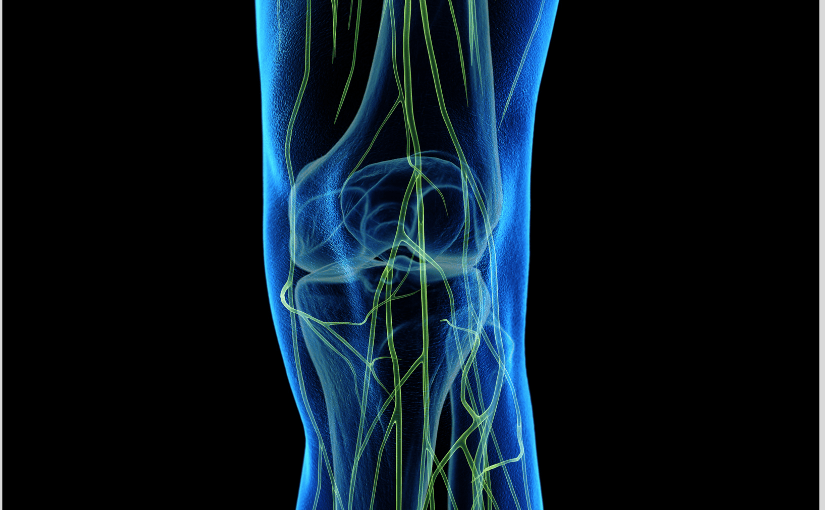
Human knee anatomy with highlighted nerves

Main points:

  • The femoral nerve is a principal orchestrator of lower limb movement and sensation.
  • When your femoral nerve is working properly, you can feel touch, pressure, and temperature changes throughout these areas of your leg and foot.
  • Chiro therapy improves the femoral nerve by aligning the spine, especially the lumbar region.

Your ability to walk, stand, and move through daily life relies on the femoral nerve, which is the largest of five nerve branches from your lumbar plexus in the lower spine. You have one femoral nerve on each side of your body that controls hip and knee movement while transmitting sensations of touch, pain, and temperature from your legs to your brain.

This nerve is important for basic activities like walking, standing, and climbing stairs, as it controls thigh muscles and provides sensation to the front and inner thigh, knee, and lower leg areas. When lower spine issues such as misalignments, disc problems, or muscle tension interfere with femoral nerve function, you may experience pain, numbness, tingling, or weakness throughout your leg. Simple tasks can become unexpectedly difficult.This is where chiro therapy comes in. It addresses these problems at their source by restoring proper spinal alignment, reducing nerve interference, and supporting your body’s natural healing processes—helping you regain comfortable, confident movement.

What are the key functions of the femoral nerve?

The femoral nerve is a principal orchestrator of lower limb movement and sensation. Its comprehensive innervation patterns underscore its critical role in daily mobility and proprioception. They are elaborated in the succeeding paragraphs.

  • Motor functions 
  • Sensory innervation
  • Joint innervation and reflexes

Motor Functions

The nerve controls the big muscles that flex the hip, including the iliacus, pectineus, and sartorius, which are necessary for bending the hip. It also supplies all four heads of the quadriceps femoris muscle—the rectus femoris, vastus medialis, vastus intermedius, and vastus lateralis—the main extensors of the knee. A weakness in the iliopsoas muscle, for example, can cause significant difficulty in hip flexion and impede activities like climbing stairs.

Sensory Innervation

Beyond helping you move, the femoral nerve also plays a key role in how you feel sensations in your leg. The nerve splits into different branches that provide feeling to various areas of your lower body.

One part of the nerve creates smaller nerves that give sensation to the skin on the front and inner parts of your thigh. Another part becomes the saphenous nerve, which is the largest sensory branch of the femoral nerve. This nerve provides feeling to the skin along the inner side of your leg, extending down to the inner part of your foot and even reaching your big toe.

This means when your femoral nerve is working properly, you can feel touch, pressure, and temperature changes throughout these areas of your leg and foot.

Joint Innervation and Reflexes

The femoral nerve also innervates the hip and knee joints and provides proprioceptive feedback—the body’s sense of its position and movement in space. Notably, the nerve to the vastus medialis muscle has a high density of proprioceptive fibers from the knee joint and is therefore thicker. The femoral nerve is also part of the patellar tendon reflex, a common clinical test to assess the function of the L3-L4 spinal nerve roots.

How can chiro therapy improve femoral nerve health

Chiropractic therapy focuses on the close connection between your spine, nervous system, and overall well-being. Since the femoral nerve comes from your lower back, problems in that area can directly affect how this nerve works. This is why the said holistic treatment can be especially helpful in supporting and improving femoral nerve function.They’re elaborated in the succeeding paragraphs.

  • Aligning and decompressing the spine
  • Reducing muscle tension and spasm
  • Enhancing nervous system function
  • Providing holistic approach and lifestyle advice

Aligning and decompressing the spine

Chiro therapy improves the femoral nerve by aligning the spine, especially the lumbar region. When the bones in said region are out of place, they can press on the nerve roots that make up the femoral nerve. Chiropractic doctors perform careful, gentle adjustments to put your spine back into proper position, which takes pressure off these nerve roots and allows the nerve to work normally. Relieving this pressure can greatly reduce pain, numbness, and weakness in your leg.

Reducing muscle tension and spasm

Tight muscles in your lower back, pelvis, or hip puts pressure on or irritate the femoral nerve. Chiropractic doctors use hands-on techniques, stretching, and targeted adjustments to help these muscles relax, which further reduces stress on the nerve.

Enhancing nervous system function

Aside from relieving direct pressure and tension in the femoral nerve, chiro therapy improves how the whole nervous system functions. This is by removing blockages in the spine. By doing so, the brain communicates better with the rest of the body. When this happens, the said system works more effectively and efficiently, tapping the body’s natural ability to heal itself, decreasing inflammation along the way.

Providing holistic approach and lifestyle advice

Chiropractors look at more than just your spine, they often give you complete lifestyle guidance, including:

  • Better Body Mechanics: Tips on how to sit, stand, and lift properly to avoid injuring yourself again or putting more pressure on your nerves.
  • Targeted Movement: Specific stretches and exercises to make your supporting muscles stronger, keep you flexible, and maintain a healthy spine.
  • Posture Help: Teaching you how to maintain good posture to reduce stress on your lower back and pelvis.

When to seek professional chiro therapy for femoral nerve problems

If you’re experiencing femoral nerve symptoms like painful thigh, numbness or tingling in your knee, it’s best to seek professional chiro assessment. A chiro doctor is going to perform an examination, including specific tests for bones, joints, and nerves, to properly identify what’s causing the aforementioned symptoms.

Remember that chiro therapy isn’t a miracle solution for femoral nerve ailments. However, it can improve muscle-related dysfunction to provide a safe and effective holistic approach for pain reduction, movement improvement, and improved quality of life. 

At Posture Perfect Chiropractic, we focus on supporting a healthy spine, which helps your entire nervous system—including the important femoral nerve—work at its best.Contact us today and schedule an appointment.

Frequently asked questions

What does the femoral nerve do?

The femoral nerve manages hip and knee movement while enabling you to sense touch, pressure, and temperature in your thigh and inner leg. This nerve is crucial for basic activities like walking, standing, and going up stairs.

Where is the femoral nerve located?

The femoral nerve originates in the lower back (lumbar spine) and travels through the pelvis into the front of the thigh. Each side of your body has one femoral nerve.

What are the symptoms of femoral nerve dysfunction?

Common symptoms include pain, numbness, tingling, or weakness in the front of the thigh, knee, or lower leg. It may also cause difficulty walking or climbing stairs.

What causes femoral nerve problems?

Issues such as spinal misalignments, herniated discs, muscle spasms, or trauma to the lower back and pelvis can compress or irritate the femoral nerve.