
A woman grimaces, holding her shoulder in discomfort, indicating pain and distress in her expression

Main points:

  • Muscle atrophy leads to loss of strength, mobility, and independence but can often be managed with early awareness and proper care.
  • Chiro therapy supports recovery through spinal adjustments, soft tissue therapy, corrective exercises, posture education, and lifestyle guidance.
  • Posture Perfect Chiropractic offers non-invasive, drug-free care to restore function, ease discomfort, and help muscles work more effectively.

Have you ever noticed a limb looking smaller or weaker after weeks in a cast? That is muscle atrophy. It is the wasting or thinning of muscle mass. It shows up as reduced muscle size, strength, and function. Simple movements can feel harder than they used to.

Research shows that nearly one in three older adults experiences muscle atrophy, but it is not just linked to age. It can affect anyone who spends too much time inactive, recovers from an injury, or faces a condition that interrupts nerve and muscle function.

The good news is that while muscle atrophy feels discouraging, it is not the end of the story. Understanding why it happens is the first step to finding ways like chiro therapy that restore strength, improve movement, and bring comfort back into daily life.

Two Types of Muscle Atrophy

  • Disuse Atrophy happens when muscles are not used enough. Long periods of bed rest, recovery in a cast, or even a sedentary lifestyle can cause muscles to shrink. When muscles are left idle, they lose strength, much like a rubber band that stiffens when it sits unused.
  • Neurogenic Atrophy is more serious. It develops when nerve signals to the muscles are disrupted. This can result from injuries or health conditions that damage or compress the nerves. Without proper nerve communication, the muscles weaken quickly, and recovery often takes longer.

Both types reduce strength and mobility, but they have different causes. Knowing the difference helps in finding the right approach to care and support.

What Causes Muscle Atrophy?

Muscle atrophy can develop for many reasons. Some are temporary, while others are linked to long-term health conditions.

  • Immobility – Staying in bed for long periods or wearing a cast limits movement, which makes muscles shrink faster than many expect.
  • Aging – As people grow older, muscles naturally lose mass and strength. This process, called sarcopenia, often leads to weakness if activity levels drop.
  • Malnutrition – Muscles need protein, vitamins, and minerals to stay strong. Poor nutrition slows repair and growth.
  • Neurological disorders – Conditions like multiple sclerosis or ALS interfere with signals between the brain and muscles, leading to faster muscle loss.
  • Nerve injuries – Severe accidents or conditions that compress nerves stop muscles from receiving proper stimulation, which triggers atrophy.

These causes may manifest differently for each person, but they often lead to a common set of symptoms. Knowing the symptoms helps you spot the problem early and seek support.

What Are the Symptoms of Muscle Atrophy?

Muscle atrophy often develops gradually, making its signs easy to miss at first. Paying attention to these early changes can help you seek the right care sooner.

  • Decrease in muscle mass – The affected muscle may look smaller or thinner than usual.
  • Weakness or reduced strength in a limb – Everyday tasks like lifting objects or walking may start to feel harder.
  • Difficulty with daily activities – Simple movements, such as standing up from a chair or holding items, may become challenging.
  • Numbness or tingling – Some people experience a pins-and-needles sensation, which can signal problems with nerve communication.

Noticing these symptoms can feel discouraging, but awareness is the first step toward recovery and support.

What Is the Connection between the Spine and the Nervous System?

Your spine is more than just a column of bones that keeps you upright. It acts as the main highway for your nervous system, carrying signals between your brain and the rest of your body.When the spine is aligned, nerves can send messages clearly. But when there are misalignments, also called subluxations, the nerves may become irritated or compressed. This interruption can affect how muscles work, leading to weakness, poor coordination, or discomfort.

What Is the Role of Chiropractic Therapy for Muscle Atrophy?

Chiro therapy offers a non-invasive, drug-free way to support people living with muscle atrophy. Its main roles include:

  • Restoring communication between the spine, nerves, and muscles. This helps the body work together more smoothly.
  • Improving alignment. Correcting misalignments reduces pressure on the nervous system.
  • Supporting muscle function. Better nerve signals allow muscles to move with greater strength and coordination.
  • Reducing discomfort. Patients often experience relief from stiffness and weakness.
  • Enhancing quality of life. Improved movement and strength make daily activities easier.

Chiro therapy does not replace medical treatment, but it works alongside it to promote overall health and recovery.

What Are Chiropractic Treatments for Muscle Atrophy?

Chiropractic care offers a range of treatments that support recovery and improve muscle function. Here are the most common approaches:

Spinal Adjustments or Manipulation

One of the core treatments in chiro therapy is spinal adjustment. These adjustments help relieve nerve compression, improve nerve function, and enhance communication between the brain and muscles. Over time, this can reduce stiffness and allow muscles to respond more effectively.

Soft Tissue Therapy

Another helpful approach is soft tissue therapy. Gentle techniques improve blood circulation, reduce inflammation, and encourage muscle repair and regeneration. This therapy also helps ease tension in surrounding tissues, creating a better environment for healing.

Corrective Exercises and Rehabilitation

Chiropractors also guide patients through corrective exercises. These personalized programs strengthen weak muscles and restore balance. Chiro-approved exercises may include light resistance training, stretching routines, and stability drills that improve coordination. These targeted movements also help prevent further muscle loss.

Postural Education

Postural education is another key part of chiropractic care. Good posture reduces strain on muscles and supports spinal health. Chiropractors teach patients how to sit, stand, and move in ways that protect their muscles long term. Simple changes in posture can make a big difference in comfort and strength.

Nutritional and Lifestyle Counseling

Finally, many chiropractors provide nutritional and lifestyle guidance. Advice on diet, rest, and daily habits supports muscle growth and overall well-being. A balanced lifestyle also boosts the results of other chiropractic treatments.

Stop Muscle Loss From Limiting Your Life

Muscle atrophy can feel like your strength is slipping away little by little. Lifting bags, climbing stairs, or even standing for long periods may start to feel harder than they should. But here’s the truth: weak muscles are not the end of your story.

At Posture Perfect Chiropractic, we use proven chiro therapy methods to support muscle health. Our services include gentle spinal adjustments, corrective exercises, and lifestyle guidance that work together to restore balance and help your muscles function better.

If you are ready to stop muscle loss from dictating what you can or cannot do, it may be time to see an expert. Book your chiropractic session today.

Frequently asked questions

Can muscle atrophy be reversed if caught early?

Yes. When muscle atrophy is caused by inactivity, it can often be reversed through regular exercise, proper nutrition, and supportive care like chiro therapy.

What are the main causes of muscle atrophy besides aging?

Muscle atrophy can also result from long periods of immobility, nerve injury, malnutrition, or medical conditions that affect the nerves and muscles.

How does chiropractic therapy help when nerves are involved?

Chiropractic therapy improves spinal alignment, relieves nerve pressure, and supports better communication between nerves and muscles through adjustments, soft tissue work, and corrective exercises.
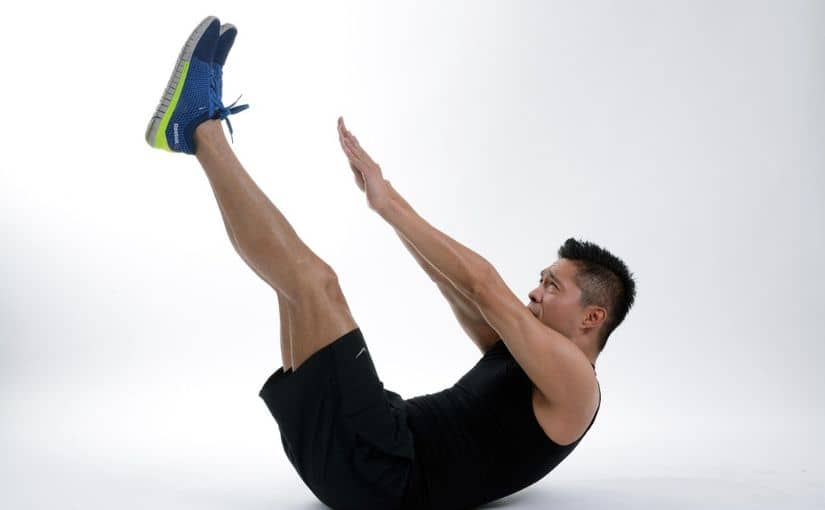

A person performing a side plank exercise, balancing on one arm with his body in a straight line.

Main points:

  • Bodyweight exercises can help you build strength, improve your body’s functions, and boost overall health.
  • Chiropractic therapy is a popular, gentle pain treatment that helps with many problems, including lower back pain, neck pain, and headaches.
  • By including bodyweight exercises and chiro therapy in your health and fitness regimen, you achieve an approach that’s more effective.

Gym training is popular in the Philippines, with different generations showing preferences: from your local neighborhood, “gym bakal” to modern amenities of premium chains, many Filipinos are seeking alternative paths to wellness. 

If you’re looking for a tried and tested way to boost your overall well-being without shelling out any amount on gym equipment or membership, you should seriously consider body weight exercises and chiro therapy. With these approaches,  you can build a stronger, more stable body and help your nervous system and spine work their best. 

In this article, we’ll break down the benefits you get from each approach individually, then show you how they work as a team to create a well-rounded plan for better health, improved performance, and effective pain relief.

What are the benefits of bodyweight exercises

Bodyweight exercises can help you build strength, improve your body’s functions, and boost overall health. Below are some of their notable benefits:

  • Full-body strength
  • Improved mobility and flexibility
  • Low-impact and injury prevention 
  • Core strength and stability

Read on for details.

Full body strength

Exercises such as squats, push-ups, and lunges strengthen your body through movements that feel natural, creating a solid foundation that makes everything else you do easier.

Improved mobility and flexibility

Bodyweight exercises move your joints as far as they can go, which helps you become more flexible and less stiff.

Low-impact and injury prevention

Without added weights, these exercises put less strain on your body, so they’re a safe way to get stronger while reducing your risk of common injuries.

Core strength and stability

A majority bodyweight exercise works your core muscles, which is important for keeping your spine safe and helping you stand up straight.

What are the benefits of chiro therapy? 

While bodyweight exercises make your body stronger, chiropractic care makes sure everything is lined up correctly and working well. Doctors of chiropractic focus on how your spine and nervous system work together. Along the way, they help develop the following:

  • Pain relief and management 
  • Improved nervous system function 
  • Enhanced posture 
  • Increased mobility

Read on for details. 

Pain relief and management 

Chiropractic therapy is a popular, gentle pain treatment that helps with many problems, including lower back pain, neck pain, and headaches. By fixing spine alignment issues, it can take pressure off nerves that are causing pain.

Improved nervous system function

When your spine is aligned correctly, the nervous system becomes optimized and your brain can communicate better with the rest of your body. This helps everything work properly–from your organs to your muscles.

Enhanced posture

A doctor of chiropractic makes targeted adjustments to put your spine and joints back into the right position, fixing postural issues. When your body’s framework is properly aligned, your muscles and ligaments perform their job correctly. This relieves strain on your spine and makes maintaining good posture feel natural throughout the day.

Increased mobility

Through careful and targeted adjustments, chiro therapy can get your joints moving properly again and improve your overall flexibility. This makes daily movements easier and more efficient.

How does bodyweight exercises and chiro therapy work together

By including bodyweight exercises and chiro therapy in your health and fitness regimen, you achieve an approach that’s more effective.

  • Bodyweight exercises complement chiro adjustments
  • Chiropractic as a preparation for exercise
  • Accelerated recovery
  • Long-term health

Bodyweight exercises complement chiro adjustments

When you build up your muscles through exercise, your body can keep the benefits of chiropractic treatments for a longer time. This means each visit to the chiropractor helps you for more days or weeks. Consider this: a doctor of chiropractic can fix subluxations in your spine and joints, but without strong muscles that add support, those fixes may not last. 

Chiropractic as a preparation for exercise

Long hours of desk work coupled with extended use of gadgets can lead to tech neck and other conditions. They can also mess up the positions of your bones and joints and make it hard for you to workout. The good news is that doctors of chiro can fix those problems and can enable you to make your workouts more effective, efficient, and safer. 

Accelerated recovery

Using both chiropractic therapy and bodyweight exercises together can help you heal faster from workouts and injuries. The former can help reduce swelling and get your blood flowing better, while the latter can gently make the muscles around the injured area stronger. This combination can help you get back to normal faster.

Long-term health 

This combination of chiro therapy and bodyweight exercise is a great way to stay healthy before problems start. Instead of just treating pain after you already have it, you’re working to stop the pain from happening in the first place.

How to chiro therapy and bodyweight exercise to your fitness routine?

If you want to incorporate chiro therapy and bodyweight exercise to your fitness routine. Consider the following: 

  • See a chiropractor. First, find a good chiropractor who can check your spine and find any problems you might have.
  • Start Easy. After your doctor of chiropractic says it’s okay, begin with simple exercises you can do without equipment. Try basic moves like squats, lunges, and push-ups to make your core muscles stronger and more stable.
  • Pay Attention to how you feel: Notice what your body is telling you. Both chiropractic care and exercise are meant to help you feel better, and you’ll get the best results if you stick with it and pay attention to what feels right.

Align and strengthen for a healthier body

Bodyweight exercises help you build strength and stability step by step, while chiropractic care makes sure your spine and nervous system are properly lined up. When you use both together, you create a strong plan for managing pain, preventing injuries, and staying healthy for years to come.

Ready to feel stronger and healthier? Book an appointment with Posture Perfect Chiropractic. Afterward, inquire about the bodyweight exercises that you can incorporate in your daily routine. Remember, our bodies are different; as such, there are different exercises that can complement your body type.

Frequently asked questions

Can bodyweight exercises be as effective as lifting weights?

Neither one is better than the other. Bodyweight exercises are a great way to start getting fit overall, while lifting weights works better if you want to build bigger muscles and get as strong as possible. For the best results, using both types of exercise together is usually the way to go.

How does chiropractic therapy improve overall fitness?

Chiro therapy can boost your overall fitness by enhancing your body’s biomechanics. This in turn, can lead to better movement, optimum performance, and faster recovery.

Is it safe to combine chiropractic care with exercise?

Yes. It’s safe to combine chiro care with exercise. However, it’s important to take note of the following:

Talk to your chiro. Always tell your chiropractor about your workouts and fitness goals. They can give you personal advice about which exercises are safe for you and which ones to skip.
Watch your timing. You might feel sore or loose after an adjustment as your body gets used to the changes. Avoid hard workouts or heavy lifting right after your appointment. Light activities like walking or gentle stretching are usually okay.
Pay attention to pain. Stop exercising immediately if you feel sharp or shooting pain. This means something is wrong and you need to see your chiropractor.

A man cycling down a dirt road surrounded by greenery and trees.

Main points:

  • Many cyclists experience knee pain, lower back discomfort, neck stiffness and hand numbness.
  • Chiro therapy is a worthwhile treatment for cyclists and it can be beneficial in so many ways. 
  • Chiro therapy prevents injuries by identifying and correcting at-risk movement patterns before pain develops.

The cycling boom in the Philippines is showing no signs of slowing down. According to a 2023 Social Weather Station (SWS) survey, 36% of Filipino households—around 10 million homes—use bicycles for recreation, daily commuting or fitness routines. This is good for health and the environment but it also brings physical challenges that many riders neglect.

Whether you’re commuting to work or conquering mountain trails on weekends, cycling puts biomechanical stress on your body. Many cyclists experience knee pain, lower back discomfort, neck stiffness and hand numbness. Issues that can limit performance and reduce long term enjoyment of the activity.

The good news is that the pain and discomfort that can be accumulated through cycling can be efficiently and safely addressed by chiro therapy. This guide explores how the said holistic approach can transform your cycling experience from painful to powerful and pain-free.

What are the most common injuries that cyclists encounter?

  • Back pain 
  • Neck and shoulder pain 
  • Knee pain

Cycling is a form of exercise, but it carries injury risks ranging from minor cuts to serious conditions. Knowing the most common cycling injuries helps you take preventive measures to stay safe and enjoy your rides.

Back pain

According to Researchgate, lower back pain affects 10 to 60% of cyclists. It results from prolonged forward-leaning posture that stresses the spine, compounded by weak core muscles that fail to provide proper spinal support and muscle imbalances where strong quadriceps overpower weaker glutes. 

These factors create poor biomechanics that turn enjoyable rides into painful experiences for recreational and competitive cyclists alike.

Neck and shoulder pain

Cycling in an aerodynamic position puts a lot of stress on the neck and forces it to become hyperextended. This leads to cervical spine compression, upper back muscle tension and reduced range of motion. For those who commute via bike, city traffic makes it worse because we always need to turn our heads.

Knee pain

Knee pain affects a significant number of cyclists and is one of the most common cycling injuries. It stems from improper bike fit (poorly adjusted saddle or pedals), overtraining without adequate recovery, weak hip and glute muscles, and poor pedaling form. For serious trail cyclists or weekend warriors, navigating varied terrain and weather conditions, minor knee discomfort can rapidly escalate into a serious, ride-limiting injury.

How chiro therapy can help cyclists

Chiro therapy is a worthwhile treatment for cyclists and it can be beneficial in so many ways. By aligning and functioning your body, regular chiro sessions will help you ride stronger, recover faster and be on the bike for years to come. Read on and find out how they can be beneficial to cyclists.

Improves spinal alignment and cycling posture

Cycling’s repetitive movements may cause spinal misalignments called subluxations. Proper alignment through chiro therapy gives you more power with more efficient pedal strokes and less energy waste, more endurance by reducing muscle strain and delaying fatigue, and better breathing by increasing lung capacity and oxygen delivery. 

Furthermore, cyclists who get regular chiropractic care can hold aerodynamic positions longer without discomfort.

Fixes muscle imbalance and improves flexibility 

Cycling is filled with repetitive movements. Doctors of chiropractic fix this by doing a full muscle assessment to find out what’s tight (hip flexors) and what’s weak (glutes) and then targeted stretching and strengthening to correct imbalances, fix subluxations, and improve mechanics. This builds balanced strength and flexibility, reduces injury and improves performance.

Enhances nerve function

Chiropractic care optimizes cycling performance through nervous system enhancement. This creates improved neuromuscular coordination for better brain-muscle communication and enhanced proprioception for superior body awareness and balance. The therapy accelerates recovery and reduces inflammation by improving blood circulation and nerve function. For Filipino cyclists in tropical conditions, this particularly helps manage heat stress and maintain peak performance.

Prevents injuries

Chiro therapy prevents injuries by identifying and correcting at-risk movement patterns before pain develops. Regular sessions maintain optimal body function, extending cyclists’ participation in the sport. This preventive approach is crucial for cyclists who rely on bikes for daily transportation and cannot afford injury-related downtime.

What to expect during your chiropractic visit

Many cyclists, especially first-time chiropractic patients, wonder what to expect. The initial appointment is straightforward, designed to assess your specific cycling needs and create a plan for stronger, more comfortable riding.

Assessment and correction 

The initial visit starts with comprehensive posture analysis. The doctor of chiropractic evaluates your standing and seated posture, then conducts dynamic assessment through movements like squats and lunges to identify muscle imbalances and joint restrictions affecting your cycling.

Postural analysis

When you visit for an appointment, a chiropractor will start with a postural analysis. This includes looking at your posture standing and seated as well as movement through exercises like squats, lunges and cycling specific movements. This helps them identify any muscle imbalances and joint restrictions that may be affecting your riding.

Flexibility and strength training

A chiropractor conducts a flexibility and strength test, measuring joint range of motion and testing cycling-specific muscle group strength to identify areas requiring the most attention and care.

Improve your cycling experience with Posture Perfect Chiropractic 

Chiropractic therapy gives cyclists a total solution to their sport specific problems. Through expert assessment and targeted treatment, they can get major pain relief from existing discomfort and prevent future injuries. This is done by aligning body mechanics and maintaining optimal physical function.

Whether you’re a weekend warrior, Metro Manila commuter or competitive cyclist, combining professional chiropractic care with proper bike setup, stretching and smart recovery will maximize your cycling potential.

Ready to revolutionize your cycling experience? Contact us at Posture Perfect Chiropractic today to book your appointment. We can help you discover how professional chiro therapy can help you ride your bike pain-free. 

Frequently asked questions

What are the most common cycling injuries?

Cyclists commonly suffer from lower back pain, knee pain, neck stiffness, and hand numbness caused by repetitive movements and riding posture.

How can chiro care help cyclists?

Chiropractic care enhances spinal alignment, posture, flexibility, and nerve function, enabling cyclists to ride more efficiently while preventing injuries.

Is chiropractic therapy safe for cyclists?

Yes. Chiro therapy is non-invasive, athlete-focused, and biomechanically-oriented, making it a safe and effective choice for cyclists.

A person sitting on the roadside, holding their painful ankle, showing signs of discomfort.

In the Philippines, according to the Philippine Statistics Authority, sprains are a silent killer of productivity and economic performance in many industries.This is because they’re some of the reasons why many individuals miss work. While it’s unclear what kinds of sprains are included in the data, it’s safe to say that a significant number of them may include ankle sprain. 

It may seem minor, they have a big impact on employees and business nationwide. It’s a good thing that chiro therapy can be an additional treatment option, to hasten recovery, restore proper biomechanics and reduce the likelihood of future ankle injuries, thus minimizing work disruptions and faster return to work.

What are ankle sprains? 

Ankle sprains occur from awkward movements like rolling, twisting or turning the ankle. Common causes are falls that twist the ankle, poor landings after jumping, walking on uneven ground or having someone step on your foot during sports.

What are the types of ankle sprains?

Ankle sprains are classified by the direction of ankle movement when you get hurt. Inversion sprains are the most common type, when your foot turns up and your ankle rolls in, and the outer ligaments get hurt. Eversion sprains happen when your ankle rolls out and the deltoid ligaments get hurt. High ankle sprains, also called “tib/fib” sprains, affect the ligaments connecting the two lower leg bones above the ankle and typically result from forceful upward foot and ankle movement.

Ankle sprain severity is medically classified into three grades based on ligament damage extent, which determines treatment approach:

  • Mild (Grade 1): Characterized by minor stretching and microscopic tearing of ligament fibers. Patients experience mild tenderness, bruising, and swelling around the ankle. Along the way, weight-bearing is typically painless, and the joint remains stable during examination.
  • Moderate (Grade 2): Characterized by partial ligament tear. The patient is tender, bruised and swollen. He or she feels some pain on weight bearing and slight instability.
  • Severe (Grade 3): Characterized by complete ligament rupture is the most severe injury. The patient is very tender, bruised and swollen, with severe pain on weight bearing. The ankle is unstable and needs to be fully evaluated as it may be accompanied by other injuries including bone fractures.

What ankle sprain symptoms require immediate care?

Typical ankle sprain symptoms include localized pain, swelling, bruising, and limited joint movement. Some people hear or feel a “pop” when the injury occurs.

Seek immediate medical care if you cannot move or bear weight on the ankle, feel pain directly over the bones, experience numbness, or have severe swelling. Also consult a doctor if pain persists beyond two weeks or if the ankle feels unstable or “gives way,” as these may indicate serious underlying damage requiring specialized treatment.

Several factors increase ankle sprain risk beyond the initial injury mechanism. Walking or exercising on slippery or uneven surfaces can cause awkward foot positioning. Muscle fatigue reduces joint support, making injuries more likely during physical stress. Poorly fitting or worn footwear and sports equipment also contribute significantly to sprain risk.

Simply put, effective prevention involves more than avoiding awkward movements—it requires proper equipment, adequate rest, and maintaining good physical conditioning.

What are chiro therapy approaches to sprained ankle management?

Chiropractic therapy for ankle sprains uses a comprehensive approach that combines manual techniques, rehabilitation exercises, and supportive therapies to address the injury from multiple angles.

  • Core Manual Treatment Methods: Adjustments, mobilization, and soft tissue work
  • Chiropractic care for ankle sprains centers on specific hands-on techniques designed to restore joint function and improve soft tissue health.
  • Joint Manipulation/Adjustments: Doctors of chiropractic apply controlled movements to restricted joints in the foot and ankle, including the ankle mortise joint, to restore proper alignment and enhance range of motion. These typically involve gentle, low-force adjustments.
  • Spinal Adjustments: When spinal misalignments in the lower back or pelvis are identified as contributing to the ankle problem through compensatory movement patterns or as a consequence of the ankle injury, chiropractors may perform spinal adjustments to address these issues.
  • Soft Tissue Therapies: These essential techniques target muscles, tendons, and ligaments affected by the sprain to reduce tension, enhance circulation, and support healing:
  • Active Release Technique (ART): This myofascial release method treats tight muscles and breaks up adhesions in soft tissues. For ankle sprains, ART commonly focuses on calf muscles like the gastrocnemius and soleus, which often tighten due to overuse or compensatory movement patterns.
  • Instrument Assisted Soft Tissue Manipulation (IASTM): Using specialized stainless steel tools (such as RockBlades or Graston instruments), this technique involves scraping motions over affected areas to break down scar tissue in muscles and ligaments, increase blood flow, and accelerate healing.
  • Massage Therapy and Myofascial Release: These manual approaches relax muscle tension, stretch fascial tissues, minimize scar tissue formation, and improve blood circulation to the injured area.

The comprehensive nature of chiropractic ankle sprain treatment—extending beyond simple adjustments to include multi-modal soft tissue work, rehabilitation exercises, and supportive therapies. It represents a holistic and progressive rehabilitation strategy. This integrated approach addresses various aspects of injury and recovery, embodying a modern, patient-focused method for musculoskeletal rehabilitation.

The Posture Perfect Chiropractic approach to sprained ankle recovery

A sprained ankle is a real setback, but it doesn’t have to be a long term problem. By adding in precise adjustments, targeted soft tissue work, and personalized exercises patients can get you fully healed. At Posture Perfect Chiropractic, we’ll work with you every step of the way to get you back to proper mechanics and build the strength you need to prevent future injuries.Book an appointment now.

Frequently asked questions

Can chiropractic adjustments prevent future ankle sprains?

Chiropractic care prevents ankle sprains by fixing the joint misalignments that cause instability. Adjustments fix foot and ankle function, balance and body awareness and the issues in the musculoskeletal system that contribute to ankle weakness. For best results combine chiropractic with physical therapy and exercises.

How long does it take to recover from a sprained ankle with chiropractic treatment?

It should be noted that sprained ankles are not created equal and recovery varies depending on their severity. Below are approximate healing periods for ankle sprains:

Mild ankle sprains. 1 to 3 weeks 
Moderate ankle sprains. 3 to 6 weeks
Severe ankle sprains. 6 to 12 weeks or longer

However, chiropractic care, when combined with a comprehensive rehabilitation plan, can often help accelerate the healing process compared to rest alone.

What lifestyle changes can reduce the risk of sprained ankles?

Prevent ankle sprains through smart lifestyle choices that strengthen, stabilize, and protect your ankle joint. While accidents happen, these strategies significantly reduce your risk:

Strengthen ankles with calf raises, ankle circles, and balance exercises like single-leg stands.
Wear proper shoes that fit well and match your activity. Replace worn footwear regularly.
Watch your step on uneven terrain and rest when tired or experiencing discomfort.
Warm up with dynamic stretches before activity and cool down with static stretches after.
Use braces or tape for high-risk activities or previous injury history.

A woman strolls along a road

Main points:

  • Extra weight often comes with eating patterns that flood your bloodstream with too much fat and cholesterol. 
  • Walking consistently burns calories and kickstarts your metabolism.
  • Your overall health and well being can be significantly improved with regular brisk walks and chiro therapy.

According to the World Health Organization (WHO), in the Philippines, about 1 in 10 children and 4 in 10 adults are overweight or obese. This is an increasing cause of concern since it can be detrimental to one’s overall health and well-being. 

The good news is that all is not lost since you don’t need expensive equipment or complex programs to achieve the right weight since you can include an hour of brisk walk in your daily routine to achieve weight loss and improve overall well-being. Complement it with regular chiro therapy and you can feel better, move better, and live healthier.

Read on and find out how this, say, partnership can boost your overall well-being.

What happens when you’re overweight

When your body carries excess weight, your body systems start to struggle in several important ways because of this, you may experience the following:

  • Cardiovascular problems 
  • High cholesterol 
  • High blood sugar 
  • Joint damage

Cardiovascular problems

When you carry extra weight, your heart must push blood through more tissue, working overtime every single day. This constant extra effort can wear down your cardiovascular system and raise your blood pressure. Your kidneys, which act like your body’s filtration system, also get stressed trying to help manage this increased pressure.

High cholesterol

Your blood chemistry changes too. Extra weight often comes with eating patterns that flood your bloodstream with too much fat and cholesterol. Think of your blood vessels like pipes—when they get coated with too much fatty buildup, it’s like trying to push water through pipes that are getting narrower and stickier inside.

High blood sugar

When you have excess fat, especially around your midsection, it’s like having a broken key that can’t unlock your cells to let sugar in for energy. This leaves sugar floating around in your bloodstream where it doesn’t belong, potentially leading to diabetes.

Joint damage

Perhaps most immediately noticeable is what happens to your joints, particularly your knees. Here’s a striking example that shows just how much pressure we’re talking about: every single pound of extra weight you carry puts four times that pressure on your knees. 

So if you’re carrying ten extra pounds, your knees feel like they’re supporting an additional forty pounds with every step you take. Imagine strapping a heavy backpack to your knees and trying to walk normally all day, every day.

How brisk walk can aid in weight loss

Your body was designed to walk, and when you walk at a pace of 4.8 kilometers per hour, the heart pumps a bit faster and two things happen:

  • First, your heart becomes stronger and more efficient. Just like any muscle that gets regular exercise, your heart learns to do its job better with less effort. Your blood vessels become more flexible and better at carrying blood where it needs to go. Over time, this can help lower both your blood pressure and cholesterol levels, reducing your risk of heart problems.
  • Second, walking consistently burns calories and kickstarts your metabolism. This helps your body manage weight more effectively and gives you more energy throughout the day.

How chiro therapy aids in weight loss 

For years, many have been skeptical about chiro therapy, but as of late, it has proven its efficacy in improving overall health and well-being. 

It works by fixing joint and spinal subluxations. Doctors of chiropractic are trained to identify and correct problems with your spine and joints that can affect how your whole body works.

When your spine and joints are properly aligned, several important things happen. Your nerves, which carry messages between your brain and every part of your body, can communicate clearly without interference. This can boost the body’s metabolism, digestion, and stress levels. 

Chiro therapy also works as a powerful injury prevention tool. When your body is properly aligned, you move more efficiently and with less strain on individual muscles and joints. This is especially important if you’re planning to increase your physical activity. 

Putting the said factor into consideration, it can be said that with regular chiropractic sessions, you can train consistently, allowing you to make the most of your brisk walks. 

How combining brisk walking and chiro therapy aids in weight loss

Here’s where things get really interesting. When you combine brisk walking with regular chiropractic care, there are several benefits that you can enjoy. Some of the most notable ones are elaborated below.

Aligns the spine and pelvis

If your spine or pelvis is out of alignment, you might walk in a way that creates strain and pain in your muscles and joints. Chiropractic adjustments fix these alignment issues–including spinal subluxation–giving you a solid, balanced foundation for every step you take.

Consequently, brisk walking enhances the benefits you get from chiropractic care. After your chiropractor makes adjustments to improve your alignment, walking helps lock in those improvements. The steady, rhythmic movement increases blood flow throughout your body, bringing fresh oxygen and nutrients to your tissues while helping remove waste products. This improved circulation helps your body heal and maintain the positive changes from your chiropractic treatment.

Strengthens the muscles

Brisk walking also strengthens the muscles that support your newly aligned spine and joints. The stronger and more balanced these supporting muscles become through regular walking, the longer your chiropractic adjustments will last.

Chiropractic care helps you walk without pain or risk of injury. Walking strengthens your body and makes chiro sessions more efficient. This helps you walk even better, which makes you stronger and healthier.

Your first step toward weight loss 

Your overall health and well being can be significantly improved with regular brisk walks and chiro therapy. You can lace up your walking shoes or, even better, start by building a strong foundation. A consultation with a chiropractor can ensure your body is properly aligned and ready to handle whatever activity you choose.

Contact Posture Perfect Chiropractic now to book an appointment!

Frequently asked questions

Can chiropractic adjustments make exercise safe?

Yes. Proper spinal alignment improves posture and balance, reducing the risk of injuries during physical activity. This is especially helpful when starting or increasing an exercise routine like brisk walking.

Is brisk walking enough for long-term weight management?

Yes, especially when combined with chiropractic care and healthy lifestyle habits. Walking is one of the simplest, safest, and most sustainable exercises that can be done daily without equipment.

How soon can I feel results from brisk walking and chiro therapy?

Some people notice increased energy, reduced stiffness, and better posture within a few sessions of chiropractic care combined with a week of regular walking. For sustainable weight loss and overall well-being, consistent practice over several months is recommended.

Main points:

  • Overuse injuries are some of the primary causes of muscle knots (myofascial trigger points).
  • The combination of stress-induced tension with dehydration and poor sleep creates ideal conditions for developing painful, long-lasting muscle knots.
  • When a doctor of chiropractic performs spinal adjustments and applies soft tissue techniques directly to affected areas, they help interrupt the pain signals being sent from the knotted muscle to your brain.

In the Philippines, “lamig” commonly refers to muscle knots, which are myofascial trigger points that are often characterized by tight, tender spots in the muscle that often feel like small bumps. Though generally harmless, if mismanaged, they can cause pain and interfere with daily activities. 


The good news is all is not lost for those who are affected by muscle knots. That’s because chiro therapy provides an effective and safe solution. This guide explains muscle knot causes, treatment methods, and the importance of professional care for long-term health.

Read on for details.

What causes muscle knots?

Muscle knots are often a result of repetitive stress or strain on your muscles. They can be triggered by several common factors:

  • Poor posture 
  • Sedentary lifestyle 
  • Repetitive motions 
  • Overuse injuries 
  • Stress

Poor posture

Poor posture, particularly “forward head” posture, creates extra strain on head and neck muscles, increasing tension, pain, and the development of muscle knots. This forces movement muscles (phasic fibers) to function as support muscles, causing rapid fatigue that leads to soreness, chronic pain, and trigger points. 

Four common posture problems include Forward Head, Kyphosis (hunchback), Swayback, and Flatback, all of which can contribute to muscle knot development. Correcting these issues involves simple lifestyle adjustments and exercise, with physical therapy and chiro treatment recommended for more severe cases to address both postural problems and resulting muscle knots.

Sedentary lifestyle

A sedentary lifestyle that’s characterized by prolonged sitting or lying down with minimal physical activity can heighten the risks of developing muscle knots. This includes activities like watching TV, using computers or smart devices for extended periods, often leading to “tech neck.” Such prolonged tension can limit blood flow and create painful muscle knots. Some of the most affected body parts include the back, shoulders, and glutes, among others.

Repetitive motions

Repetitive movements can create muscle knots, also known as myofascial trigger points, due to the constant stress on the muscle. When a muscle is used repeatedly it can get irritated and a small part of it will tense up and go into spasm. This tension will restrict blood flow and create a hard, painful area in the muscle tissue.

For this reason, muscle knots are common among athletes who train the same muscle group over and over. However, it can happen to anyone who does a repetitive task like typing on a computer or driving for hours without breaks.

Overuse injuries

Overuse injuries are some of the primary causes of muscle knots (myofascial trigger points). These tight, contracted areas of muscle are from constant strain that irritates the tissue and creates painful knots with symptoms of local pain, stiffness, limited range of motion and referred pain to areas like the neck and arms.

Stress 

Stress triggers a “fight or flight” response that causes protective muscle tension as muscles involuntarily tense for perceived threats. When stress becomes chronic, this tension persists beyond the stressful event, potentially forming stubborn muscle knots.

  • Dehydration. Disrupts the electrolyte and fluid balance muscles need to contract and relax properly. Without adequate hydration, muscle fibers struggle to release tension, remaining contracted and contributing to persistent knots.
  • Sleep deprivation. impairs the body’s natural recovery processes. Since sleep is crucial for muscle repair and nervous system regulation, insufficient rest compromises the body’s ability to release muscle tension and manage inflammation, leaving muscles vulnerable to tightening and knot formation.

The combination of stress-induced tension with dehydration and poor sleep creates ideal conditions for developing painful, long-lasting muscle knots.

What are the symptoms of muscle knots?

Muscle knots manifest in different ways that can impact daily comfort and function. The main symptom is pain and discomfort, where you feel a persistent, achy feeling in the muscle tissue. This pain is deep and constant, not sharp or sudden.

  • Tenderness. The “knotted” area is sensitive to touch and feels like a hard, tight lump under the skin. When you press on these areas, they usually produce immediate discomfort or pain. It is often complemented by referred pain–where muscle knots cause discomfort in different body parts. For instance, those in the neck cause tension headaches. 
  • Stiffness. Develops when the muscle fibers are in a contracted state and the area feels inflexible and resistant to movement. This stiffness is especially noticeable after periods of inactivity, like waking up in the morning or sitting for a long time.
  • Limited range of motion. Happens when the tight muscle knots physically prevent the joints from moving through their full range. This can really impact daily activities, like turning your neck to check your blind spots while driving or reaching up to get something on a high shelf.

What are the benefits of chiro therapy in muscle knots

Doctors of chiropractic addresses muscle knots by targeting underlying causes rather than merely treating symptoms. Through a holistic approach, chiropractors can reduce pain and discomfort, restore full range of motion, and prevent future knot formation by enhancing overall posture and muscle function.

  • Pain alleviation
  • Range of motion restoration
  • Addresses root causes
  • Posture improvement
  • Enhanced muscle function
  • Nerve function improvement

Read on for details.

Pain alleviation

When a chiropractor performs spinal adjustments and applies soft tissue techniques directly to affected areas, they help interrupt the pain signals being sent from the knotted muscle to your brain. Think of this like releasing pressure from a compressed spring – once the tension is reduced, the immediate discomfort begins to subside.

Range of motion restoration

By releasing the physical tension within the muscle fibers themselves, a doctor of chiropractic helps the muscle return to its normal length and flexibility. Second, by correcting any spinal misalignments that may be affecting how your muscles function, your body regains its natural ability to move freely. This is similar to fixing a door that’s been sticking – once the frame is properly aligned, the door swings smoothly again.

Addresses root causes

Rather than simply masking symptoms, doctors of chiropractic scrutinize how the muscle knots formed in the first place. They examine your spinal alignment, assess muscle imbalances, and identify postural problems that create the conditions for knots to develop. This investigative approach prevents the frustrating cycle of treating the same problem repeatedly.

Posture improvement

When your spine is properly aligned, your muscles can maintain their natural balance without excessive strain. Imagine your spine as the central support beam of a house, when it’s straight and strong, all the other structural elements can do their jobs without overworking.

Enhanced muscle function

Healthy, unknotted muscles can contract and relax efficiently. When knots are present, they create areas of constant tension that prevent the muscle from working properly. Releasing these knots is like removing kinks from a garden hose – suddenly, everything flows as it should.

Nerve function improvement

Your nervous system serves as the communication network between your brain and muscles. When spinal subluxations create nerve irritation, this communication becomes disrupted, leading to muscle dysfunction and increased tension. Chiropractic adjustments help restore clear communication pathways, allowing your muscles to receive proper signals for relaxation and healing.

What are the Chiropractic Treatments for Muscle Knots?

Chiropractors utilize diverse manual and tool-based methods to effectively treat muscle knots. Read on to find out more. 

  • Ischemic compression. The chiropractor applies steady, firm pressure to the muscle knot, temporarily limiting blood flow. Upon pressure release, fresh blood floods the area, promoting muscle relaxation.
  • Trigger point therapy. Targeted pressure is applied to specific trigger points to “deactivate” them and interrupt the pain-contraction cycle.
  • Myofascial Release. A gentle manual technique that stretches and releases tightness in the fascia, the connective tissue surrounding muscles.
  • Instrument-Assisted Soft Tissue Mobilization (IASTM). Specialized tools perform deep scraping motions over affected areas to break down scar tissue and adhesions causing chronic knots.
  • Complementary care. Chiropractors provide guidance on stretching, hydration, and ergonomic workspace modifications to prevent future knot formation.

Say goodbye to “lamig” with chiro therapy

Muscle knots are frustrating, but they don’t need to be permanent. Chiropractic care provides long-term relief by targeting root causes rather than just symptoms through a holistic approach that eliminates existing knots and prevents recurrence.


If you’re ready to eliminate “lamig” and embrace pain-free living, consider professional consultation from Posture Perfect Chiropractic. Contact us today to book an appointment.

Frequently asked questions

What is the fastest way to relieve “lamig” or muscle knots?

The quickest “lamig” relief combines gentle stretching, heat application for muscle relaxation, and targeted chiropractic treatment. Chiropractors employ techniques like trigger point therapy and myofascial release for immediate knot relief while correcting posture to prevent recurrence.

Can a chiropractor remove muscle knots permanently?

Yes, doctors of chiropractic fix muscle knot root causes through spinal alignment, posture and muscle release. Lifestyle habits and stress will create new knots, but regular chiro therapy with exercise, hydration and good ergonomics will prevent them from coming back.

How many chiropractic sessions do I need for muscle knot relief?

Session requirements vary based on muscle knot severity and underlying causes. Some individuals experience relief within 1-2 sessions, while chronic cases may need several weeks of treatment. Chiropractors typically create personalized treatment plans incorporating home stretches and lifestyle modifications.