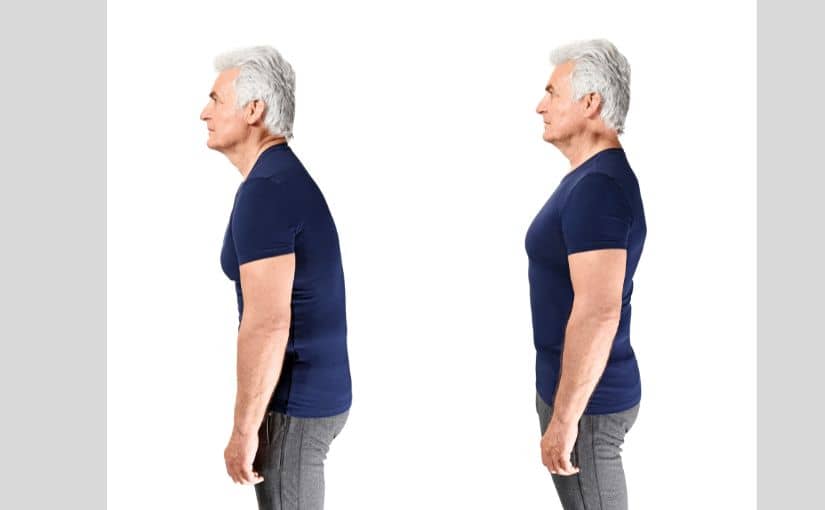
The back view of an older man wearing a blue shirt, standing with a neutral posture.

Main points:

  • Swayback, also called lordotic posture or lumbar hyperlordosis, is a common postural problem where your lower back curves inward too much.
  • Chiropractic care provides an effective, non-invasive way to correct swayback by addressing the underlying cause: spinal misalignment.
  • Lordotic posture can be corrected, but you should seek professional treatment if your symptoms continue or get worse.

Postural problems affect a significant number of Filipinos. A 2013 study at the University of Baguio suggests that 85% of the 281 employees and students assessed had postural deviations or asymmetries, including lordotic posture and spinal misalignments. 

The good news is these conditions aren’t permanent. Chiropractic therapy offers effective solutions for correcting postural imbalances and preventing them from worsening. 

Understanding lordotic posture and the benefits of the said holistic treatment can help patients who are looking to fix their posture and improve their overall health and well-being. Read on for details. 

What is lordotic posture

Lordotic posture occurs when your spine curves forward more than it should. Your spine naturally curves in your neck and lower back to help you stand upright and absorb shock when you move. But when these curves become too deep, the condition is called lordosis. The most common type affects the lower back, often called “swayback.” 

If you have this, your hips tilt forward, your stomach pushes out, and your buttocks stick out more than normal. When you lie on your back, you’ll notice a large gap between your lower back and the floor. Lordosis can also affect your neck, pushing your head forward beyond its normal position. Essentially, lordotic posture means your spine has lost its alignment (subluxation), causing parts of your body to shift out of place.

What are the symptoms of lordotic posture

The most common sign of lordotic posture is muscle pain. This happens because the excessive spinal curve pulls your muscles in unnatural directions, making them tighten up or cramp.

Other symptoms include:

  • Visible posture change. Your lower back curves inward noticeably, making your stomach and buttocks stick out when you stand.
  • Reduced movement. You may have trouble bending or moving your lower back or neck freely.
  • Gap when lying down. When you lie flat on a hard surface, there’s a large, obvious space between your lower back or neck and the floor.

In serious cases, lordosis can squeeze the spine and cause nerve-related problems that need immediate medical help:

  • Numbness
  • Tingling or shock-like pains
  • Muscle weakness
  • Loss of muscle control
  • Bladder control problems

What are the causes of lordotic posture

Lordosis can develop at any age. Several conditions and factors may increase your risk:

  • Spondylolisthesis. A spinal condition where a lower vertebra slips forward out of position. Treatment typically involves physical therapy or surgery.
  • Achondroplasia. A common form of dwarfism that affects bone growth and can impact spinal curvature.
  • Osteoporosis. A bone disease that weakens bone density, making fractures more likely and potentially affecting spinal alignment.
  • Osteosarcoma. Bone cancer that commonly develops near the knee or shoulder and can affect spinal structure.
  • Obesity. Excess weight puts additional strain on the spine and increases risk for various health conditions, including postural problems.

How does chiro therapy fix lordotic posture

Chiropractic takes a different approach to treating lordotic posture. Through targeted spinal adjustments, chiropractors correct the misalignments causing the exaggerated curve. By restoring your spine’s proper alignment, your posture improves naturally, pressure on muscles decreases, and your body can function the way it’s designed to. Pain relief becomes a natural result of fixing the root cause, not just covering up symptoms.

This structural correction approach means longer-lasting results. Instead of relying on temporary fixes, you’re building a foundation for better posture and overall spinal health.

What treatments does chiropractors use to treat lordotic posture

Doctors of chiropractic  correct lordotic posture through a three-part approach: spinal adjustments, soft tissue therapy, and rehabilitative exercises.

  • Spinal adjustments
  • Soft tissue therapy
  • Postural and rehabilitative training

Spinal adjustments (restoring mobility)

Using techniques like Diversified or Gonstead methods, chiropractors gently realign vertebrae that have tilted forward excessively. These precise adjustments reduce the exaggerated lower back curve, relieving pressure on spinal discs and joints while improving your range of motion.

Soft tissue therapy (addressing muscle imbalances)

Manual stretching and myofascial release target tight muscles, especially hip flexors and lower back extensors, that pull your pelvis forward. Loosening these muscles releases chronic tension and prevents your body from reverting to poor posture after adjustments.

Postural and rehabilitative training (long-term stability)

Your chiropractor prescribes specific exercises to strengthen core and gluteal muscles that support proper alignment. These targeted movements lock in the corrections from adjustments, making your improved posture permanent rather than temporary. According to a study that was published in Springer Nature Link, postural control can be improved by rehabilitative training that includes balance exercise interventions. 

This integrated approach addresses lordotic posture at every level: restoring spinal alignment, releasing muscle tension, and building strength for lasting results.

When to seek chiropractic treatment for lordotic posture

You should seek professional treatment if you experience:

  • Pain symptoms. Neck or lower back pain may initially respond to over-the-counter anti-inflammatory medication and stretching exercises, but persistent pain warrants a chiropractic evaluation.
  • Progressive curve. The lordotic curve continues to worsen despite self-care measures.
  • Rigid curve. Your spine feels stiff and doesn’t flex naturally when you bend forward or backward. A flexible curve that moves with your body typically requires less intervention.
  • Neurological symptoms. Seek immediate medical attention if you develop numbness in your hands or feet or tingling or electric shock sensations.

Take the first step to lordotic posture treatment

Chiro therapy addresses the root cause of lordotic posture—spinal misalignment—not just the symptoms. Through spinal adjustments, soft tissue therapy, and targeted exercises, treatment restores your body’s natural alignment and builds lasting spinal health.

Don’t let lordotic posture control your life. At Posture Perfect Chiropractic, we specialize in correcting spinal misalignments and helping patients achieve lasting postural improvements.
Book an appointment today.

Frequently asked questions

Is lordotic posture permanent?

No, lordotic posture can be improved and often corrected with proper chiropractic care, exercises, and postural training, especially if intervention occurs before the curve becomes fixed or structural.

Can lordosis cause serious complications?

Severe lordosis may compress spinal nerves, causing neurological symptoms requiring urgent medical attention, including numbness, tingling, muscle weakness, or bladder control loss.

How long does it take to see results from chiropractic care for lordosis?

Results vary based on severity but typically involve gradual improvement as spinal alignment restores, muscle tension decreases, and strength increases through consistent therapy and exercises.


Main points:

  • Spinal misalignment disrupts nerve signal transmission between your brain and body, impairing your ability to accurately sense position and movement.
  • Chiropractic adjustments can fix these misalignments and remove restrictions, helping your body stabilize naturally. 
  • Beyond adjusting joints, doctors of chiropractic address tight muscles and fascia (the connective tissue wrapping your muscles).

Feeling unsteady, uncoordinated, or like your body isn’t responding properly? These motor coordination challenges impact daily life; from safe stair navigation to workplace posture. Don’t accept them as permanent. 

Chiropractic care addresses the root cause by correcting spinal misalignments and improving nervous system function, restoring seamless brain-muscle communication. Whether you’re healing from injury, experiencing age-related changes, or wanting greater movement confidence, chiro offers a natural path to enhanced motor coordination and physical control.

Read the rest of the article to discover the specific ways chiropractic adjustments can help you regain control and stability.

What is the impact of spinal misalignment in poor motor coordination?

Your body’s capacity to move with precision depends on a constant flow of information traveling between your muscles, joints, and brain. This communication highway runs through your spine, and when the spine is misaligned, the messages get disrupted.


Spinal misalignment (subluxation) can interfere with the proper transmission of nerve signals between your brain, body, and sensory systems, disrupting proprioception and affecting the body’s ability to sense position and motion accurately. Even slight misalignments can have significant effects.

How does chiropractic improve motor coordination?

Chiropractic treatment can potentially improve motor coordination by addressing the root cause: spinal misalignments that disrupt communication between your brain and muscles. Read on for details. 

Restoring proper spinal alignment

A spinal adjustment does more than just move bone; it restores the proper alignment to your vertebrae. By removing this physical interference, the adjustment clears the nerve pathways, effectively taking the “static” off the line.

This ensures both the sensory information (proprioception) and the motor commands are transmitted clearly and quickly. The result is a system that runs much faster: your brain processes information efficiently, and your muscles can respond more accurately and with better timing. For you, this translates directly into enhanced balance, greater stability, and confident, controlled movement in every part of your day.

Improving balance and stability

Poor coordination often feels like wobbliness, dizziness, or unsteadiness. Your brain constantly works to keep you balanced, especially when moving or walking on uneven ground. This balance depends on proper alignment in your neck and lower back, where nerves send crucial balance signals. When these areas are misaligned, your brain gets unreliable information about body position, making quick adjustments difficult. 

Chiropractic adjustments can fix these misalignments and remove restrictions, helping your body stabilize naturally. You’ll feel more stable turning quickly, walking on cracked pavement, or climbing stairs.

What are the practical benefits of improving motor coordination? 

Chiropractic’s improvements in nerve communication and body awareness benefit the following:

  • Athletes
  • Children
  • Seniors

Athletes

Performance and safety. Better coordination, coupled with full range of motion can lead to enhanced athletic performance. Faster nerve signals help athletes react quicker, catching that blocked shot in basketball or anticipating a soccer pass. Enhanced body awareness also protects their muscles instantly to stabilize the joint injury. When an athlete twists a knee or rolls an ankle, it reduces damage and prevents common injuries.

Children

Building coordination. During growth years when coordination is developing, chiropractic helps children master movement skills. Adjustments support better balance, body awareness, and posture, helping kids run, jump, and play sports more confidently.

Seniors

Preventing Falls. As we age, our sense of body position naturally weakens, causing unsteadiness. Chiropractic adjustments restore these pathways, giving the brain reliable feedback for better stability. This reduces fall risk and helps maintain independence.

What are chiro treatments for motor coordination improvement? 

Chiropractic treatments for improving motor coordination involve targeted adjustments and specific rehabilitative techniques designed to optimize the nervous system’s processing of movement and balance information.

Spinal Adjustments

Chiropractors apply controlled, precise force to misaligned or restricted joints to fix misalignments. This directly activates sensory nerve endings in the joint, flooding your nervous system with accurate information. The result: clearer signals between your brain and muscles, leading to better coordination.

Spinal adjustments focus on your neck and lower back, which contain the main nerves that control balance, posture, and body awareness, making their alignment essential for overall stability. Treatment also addresses joints in your ankles, knees, wrists, and shoulders. When these move correctly, they send accurate signals to your brain, preventing coordination problems throughout your body.

Myofascial release

Beyond adjusting joints, doctors of chiropractic address tight muscles and fascia (the connective tissue wrapping your muscles). When these tissues become restricted, they prevent joints from moving freely like trying to bend your elbow while wearing a too-tight jacket. Myofascial release techniques loosen these restrictions, allowing joints to move smoothly. This freedom of movement is essential for coordinated, fluid motion throughout your body.

Improve your movement through your spine

Motor coordination isn’t just something you’re born with—it’s a skill your nervous system can improve. When your spine is properly aligned, nerve signals travel clearly between your brain and muscles, allowing you to move with better precision, balance, and confidence. Chiropractic care optimizes this vital communication pathway.

Don’t wait until pain limits your life. At Posture Perfect Chiropractic, we go beyond pain relief to optimize your entire brain-body connection. Schedule a functional assessment today and discover how much better your body can move. Your best movement is waiting.

Book an appointment today

Frequently asked questions

Can chiropractic care really improve my coordination?

Yes. Chiropractic adjustments restore proper spinal alignment, removing interference in nerve pathways between your brain and muscles. This allows clearer communication for better balance, faster reflexes, and more coordinated movement. Many patients notice improved stability and confidence in daily activities after treatment.

Will I need ongoing treatment, or is it a one-time fix?

Motor coordination improvement requires an initial series of adjustments to correct misalignments and restore proper function. After that, many patients benefit from periodic maintenance care to preserve optimal nervous system function and prevent future problems. Your chiropractor will recommend a schedule based on your specific needs and goals.

How long does it take to see improvement in motor coordination?

Many patients notice some improvement after just a few adjustments, though optimal results typically develop over several weeks. The timeline depends on factors like the severity of spinal misalignment, your overall health, and how long the coordination issues have been present. Your chiropractor at Posture Perfect will provide a personalized treatment plan with realistic expectations.

person with hand and finger pain

Main points:

  • Chiropractors use specific adjustments and hands-on techniques to help your joints move better, make your hands more flexible.
  • Nerve compression causes hand and finger stiffness by disrupting communication between your brain and muscles. 
  • Chiropractic care uses the kinetic chain principle, which views your body as a connected system. 

Your hands and fingers are incredibly complex and important parts of your body. They let you do both powerful tasks like gripping things tightly and gentle tasks like picking up small objects. For your hands to work properly, your bones, cartilage, ligaments, tendons, and muscles all need to work together smoothly.

When something goes wrong with this system, your hands can become stiff. Stiff hands are a common problem that can make everyday tasks harder and affect your ability to work, enjoy hobbies, and do the things you normally do.

Chiro therapy can help with stiff hands and fingers. Doctors of chiropractic use specific adjustments and hands-on techniques to help your joints move better, make your hands more flexible, and fix the physical problems that are causing the stiffness.

Read on for details about how chiropractic therapy can help with stiff hands and fingers.

What are the common causes of hand and finger stiffness?

Hand and finger stiffness is a common problem that usually develops slowly over time. Understanding why your hands feel stiff is key to finding the right treatment. Below, we’ll look at the most common causes of hand and finger stiffness.

  • Trigger finger (Stenosing tenosynovitis). 
  • Osteoarthritis (OA)
  • Nerve Compression (Cervical spine and wrist)
  • Repetitive Strain Injury (RSI)

Trigger finger

Trigger finger is a condition where your finger or thumb gets stuck when you try to bend it, then suddenly pops straight like pulling a trigger on a gun. This is a fairly common problem that can happen to any finger, though it usually affects the ring finger or thumb. The sticking and stiffness are typically worse when you first wake up in the morning.

The risk factors of trigger finger are as follows:

  • Repeated hand movements. Jobs or hobbies involving repetitive gripping or hand motions (such as using tools or playing instruments) increase your risk.
  • Other health problems. People with diabetes or rheumatoid arthritis are more likely to develop this condition.
  • Age and gender. Women over 50 are most commonly affected.

Osteoarthritis (OA)

Osteoarthritis (OA) causes hand and finger stiffness when the protective cartilage within the joints breaks down due to “wear-and-tear.” This is a widespread problem according to the World Health Organization, in 2019, approximately 528 million people around the world were affected by the said condition.

This process leads to stiffness through three primary steps:

  • Friction and swelling. When cartilage wears away, bones rub together, causing pain and ongoing inflammation.
  • Bone spurs. Your body tries to protect the joint by growing extra bits of bone called bone spurs.
  • Limited movement. The swelling, bone rubbing, and bone spurs work together to restrict how much you can move your joints, leading to stiffness, swelling, and ongoing pain.

Nerve Compression (Cervical spine and wrist)

Nerve compression causes hand and finger stiffness by disrupting communication between your brain and muscles. When tissues swell or become injured, they can squeeze nerves passing through narrow spaces in your joints. This pressure prevents the nerves from sending proper signals to your hand muscles, resulting in weakness, numbness, and poor coordination. Although your joints aren’t actually stiff, the faulty nerve signals make it difficult to grip or move your fingers, creating a feeling of stiffness that affects everyday activities.

Repetitive Strain Injury (RSI)

Repetitive Strain Injury (RSI) causes hand stiffness through constant low-level damage and swelling in your muscles and tendons. Repeated movements like typing or gripping tools strain the soft tissues in your forearm, wrist, and hand, causing inflammation and conditions like tendonitis. This swelling prevents your tendons from gliding smoothly, leading to stiffness, pain, and weakness in your hands and fingers.

How does chiro therapy treat hand and finger stiffness

Chiro therapy offers a hands-on and drug-free approach to treat stiff hands and fingers. Doctors of chiropractic are trained to work with all the joints in your body, including the small joints in your hands. The goal is to help you perform daily activities with less pain and better mobility.

The said holistic treatment delivers pain relief and improved mobility through the following methods.

Targeted Joint Adjustments and Mobilization

Chiropractors are trained to adjust more than just the spine—they also specialize in working with the joints in your arms, hands, and fingers. Through gentle, precise spinal adjustments, they can restore movement to the small, restricted joints in your hands and wrists that have become stiff or misaligned.

Chiropractic care uses the kinetic chain principle, which views your body as a connected system. Finger stiffness may actually come from problems in your wrist, elbow, or neck. When one area is misaligned, it puts extra stress on the others. By adjusting the entire chain—from your neck through your shoulder, elbow, and wrist—chiropractors reduce strain on your hands and restore normal movement throughout your arm.

Advanced soft tissue therapies for tendon health

Beyond joint adjustments, chiropractors use specialized soft tissue techniques to address problems with tendons and muscles. These methods are particularly effective for breaking down scar tissue and releasing tight tendons that contribute to conditions like trigger finger and tendonitis.

  • Active Release Technique (ART). A hands-on method where the chiropractor applies precise pressure and movement to release adhesions—sticky areas where tissues have become stuck together—around the flexor tendons in your hands. This deep-tissue technique helps restore the smooth gliding motion your tendons need to function properly.
  • Instrument-Assisted Soft Tissue Mobilization (IASTM). Also known as the Graston Technique, uses specialized stainless steel tools to locate and break up scar tissue around the tendon sheath. These instruments allow the chiropractor to detect areas of restriction and systematically work through them, promoting healing and improved flexibility.

Restoring nerve function

When nerve compression contributes to hand stiffness—such as in carpal tunnel syndrome—chiropractic adjustments can provide significant relief. By adjusting the wrist and neck (cervical spine), chiropractors can reduce pressure on the median and ulnar nerves that control sensation and movement in your hands. Relieving this nerve pressure helps decrease stiffness, tingling, numbness, and weakness, allowing your hands to function more normally. This approach addresses the root cause of nerve-related stiffness rather than just masking the symptoms.

Take the first step toward pain-free hands

Hand and finger stiffness doesn’t have to hold you back. Whether caused by trigger finger, arthritis, nerve compression, or repetitive strain, chiropractic care provides effective, drug-free relief. Through targeted adjustments, soft tissue therapies, and a whole-body approach, chiropractors address the root causes of stiffness to restore your hand function and help you return to the activities you enjoy.

Don’t let stiff, painful hands hold you back any longer. At Posture Perfect Chiropractic, our experienced team specializes in treating hand and finger stiffness using proven techniques tailored to your specific needs. We’ll work with you to identify the underlying causes of your discomfort and create a personalized treatment plan to restore your mobility and improve your quality of life.

Call us now or book your appointment online.

Frequently asked questions

How can chiropractic therapy help stiff hands and fingers?

Chiropractors use targeted joint adjustments, soft tissue therapies like Active Release Technique (ART), and instrument-assisted soft tissue mobilization (IASTM) to improve joint mobility, break down scar tissue, and relieve nerve pressure.

What is the kinetic chain principle in chiropractic care?

The kinetic chain principle views the body as interconnected. Misalignment in the neck, shoulder, elbow, or wrist can strain the hands, so chiropractors adjust the entire chain to restore normal movement and relieve stiffness.

Can chiropractic treatment relieve nerve compression symptoms?

Yes. Adjustments to the wrist and cervical spine can reduce pressure on nerves, alleviating symptoms like tingling, numbness, and weakness, improving hand function.

Is chiropractic care a drug-free option for hand stiffness?

Chiropractic care offers a natural, drug-free approach by addressing underlying causes through hands-on therapies rather than symptom masking.

person experiencing calf cramps

Main points:

  • While muscle cramps are usually temporary, frequent cramping can hamper everyday life and may indicate an underlying musculoskeletal issue. 
  • Chiropractic care provides a natural, hands-on approach to managing and preventing muscle cramps by addressing underlying issues in the spine, joints, and soft tissues.
  • As a holistic and drug-free approach, chiropractic can be an effective way to manage and prevent muscle cramps for many Filipinos.

Muscle cramps are a common problem experienced by many Filipinos. These sudden, involuntary muscle contractions can cause mild-to-severe pain and interfere with daily activities. The said condition is often associated with physical labor, sports and exercise, dehydration, and nutritional deficiencies, among others.

While muscle cramps are usually temporary, frequent cramping can hamper everyday life and may indicate an underlying musculoskeletal issue. This is where chiro therapy comes in. As a holistic and drug-free approach, chiropractic can be an effective way to manage and prevent muscle cramps for many Filipinos.

What causes muscle cramps?

According to a Healthline article, muscle cramps can be categorized into common lifestyle or immediate triggers and underlying medical conditions.

  • Overused muscles
  • Muscle injuries
  • Dehydration
  • Mineral loss
  • Poor blood flow
  • Spinal nerve issues
  • Alcoholism
  • Pregnancy
  • Kidney failure
  • Hypothyroidism

Read on to find out more.

  • Overused muscles. Cramps often occur when muscles are pushed too hard, especially during exercise.
  • Muscle injuries. Damage to the muscle tissue itself can lead to cramping.
  • Dehydration. Not having enough fluids in the body can cause muscles to cramp.
  • Mineral loss. Low levels of key minerals essential for healthy muscle function, such as calcium, potassium, sodium, and magnesium, can contribute to cramping.
  • Poor blood flow. Reduced blood supply to the legs and feet can result in cramps in those areas during activities like walking or exercising.
  • Spinal nerve issues. Spinal nerve compression caused by spinal subluxation can lead to cramps in the legs, especially when walking or standing.
  • Alcoholism. Excessive alcohol consumption can lead to muscle cramps.
  • Pregnancy. Women may experience muscle cramps during pregnancy.
  • Kidney failure. Muscle cramping can be a symptom of kidney failure.
  • Hypothyroidism. Low thyroid gland function has been linked to muscle cramps.

How does chiro therapy treat muscle cramps?

Chiropractic care provides a natural, hands-on approach to managing and preventing muscle cramps by addressing underlying issues in the spine, joints, and soft tissues. Through manual adjustments and complementary techniques, chiropractors work to improve nerve function, reduce muscle tension, and support overall musculoskeletal health to alleviate and avoid cramping.

What chiro therapy methods are used to treat muscle cramps? 

Chiropractic care treats muscle cramps using a combination of manual therapies, exercises, and lifestyle changes. Some of the most notable approaches that doctors of chiropractic employ are as follows: 

  • Soft tissue therapy 
  • Local joint restriction 
  • Stretching and mobilization

Soft tissue therapy

  • Myofascial release. Involves applying prolonged pressure to tight, painful areas of muscle and connective tissue to relieve tension and improve mobility.
  • Instrument-assisted soft tissue mobilization (IASTM). Uses special tools to break down scar tissue, adhesions, and fibrous knots within the muscle that can contribute to cramping.
  • Trigger point therapy. Targets highly sensitive knots within tight bands of muscle, which can often lead to muscle cramps if left untreated. By deactivating these trigger points, chiropractors can help prevent cramping.

Local joint restriction release

  • Manipulating joints in the arms and legs (hips, knees, ankles, shoulders) to alleviate excess stress and tension in the nearby muscles that may be contributing to cramps.
  • Improving joint mobility and range of motion to prevent chronic muscle overload and exhaustion, which frequently leads to cramping.

Stretching and mobilization

  • Stretching, both passive (performed by the chiropractor) and active (performed by the patient with guidance), to improve flexibility and lengthen shortened muscles that are susceptible to cramping.
  • Targeting stretches to muscle groups that frequently experience cramps, such as the hamstrings, calf muscles, and quadriceps, to address areas of greatest need.

What are comprehensive wellness and lifestyle factors for muscle cramps?

The benefits of chiro therapy can be enjoyed to their full potential if regular sessions are complemented by wellness and lifestyle factors. For this reason, many doctors of chiropractic also offer the following:

  • Nutritional guidance
  • Hydration and fluid balance
  • Rehabilitation and strengthening protocols
  • Ergonomic and postural correction

Nutritional guidance

  • Teach patients about the essential functions of electrolytes in muscle function, specifically their influence on muscle contraction and relaxation processes.
  • Offer advice on dietary changes or supplements, particularly for magnesium, potassium, and calcium, to ensure proper electrolyte balance in the body and support healthy muscle activity.

Hydration and fluid balance

  • Emphasize the important connection between lack of proper hydration and the occurrence of muscle cramps during physical activity.
  • Offer personalized advice on fluid consumption, taking into account the individual’s exercise intensity and duration, as well as environmental conditions like heat and humidity, to help prevent dehydration-related cramping.

Rehabilitation and strengthening protocols

  • Provide specific exercises that focus on strengthening the muscles that counteract those that are cramping, aiming to rebalance muscle tension and avoid overloading the affected areas.
  • Teach individuals how to properly engage their core muscles and maintain good posture and movement patterns in everyday life and during physical activity, reducing unnecessary stress on the peripheral muscles that commonly cramp.

Ergonomic and postural correction

  • Assessing how patients position their bodies while standing, sitting, and sleeping to determine patterns of ongoing muscle tension that may contribute to cramping.
  • Offering guidance on ergonomic improvements, such as optimizing workspace layout and using proper body mechanics when lifting, to reduce the everyday strain on muscles that can lead to cramps.

Don’t let cramps hold you back

If you’re tired of dealing with the pain and limitations of frequent muscle cramps, it’s time to take action. At Posture Perfect Chiropractic, our experienced team is dedicated to helping you find lasting relief through a holistic, non-invasive approach.

Don’t let cramps control your life any longer. Contact Posture Perfect Chiropractic today to schedule your initial consultation and take the first step towards a cramp-free future. Our highly skilled team is here to support you every step of the way on your journey to optimal musculoskeletal health and wellness.

Book an appointment today.

Frequently asked questions

What causes muscle cramps and how can chiropractic care help?

Muscle cramps can be caused by overuse, dehydration, mineral deficiencies, poor posture, and nerve compression. Chiropractic care addresses these issues holistically through spinal adjustments, soft tissue therapies, stretches, exercises, and nutritional advice to relieve and prevent cramps.

Can chiropractic adjustments reduce the frequency and severity of muscle cramps?

Yes, regular chiropractic adjustments can reduce the frequency and severity of muscle cramps by correcting spinal alignment, reducing nerve irritation, and improving muscle function, providing long-term relief and prevention.

How does spinal manipulation alleviate muscle cramps?

Spinal manipulation techniques, like high-velocity low-amplitude (HVLA) adjustments and gentle mobilizations, release restricted joints and improve nerve function, reducing nerve irritation and muscle tension that contribute to cramping, allowing muscles to relax and function normally.

Person sneezing because of flu

Main points:

  • Your spine protects your nervous system, which is the body’s main control center, managing everything, including your immune response.
  • When properly aligned, your body’s communication pathways work optimally, potentially boosting your natural defenses against viruses.
  • Doctors of chiropractic also help with overall health; giving advice on eating well, staying active, and sleeping better.

Flu cases have jumped 10-15% in just one month, according to Dr. Jose Rene de Grano, president of the Private Hospitals Association of the Philippines Inc. This sharp increase has people urgently seeking ways to strengthen their immunity and ease symptoms.

Beyond conventional medicine, emerging studies suggest chiro therapy as a holistic approach for flu prevention and recovery. That’s because the spine affects your nervous system, which controls immune function. When properly aligned, your body’s communication pathways work optimally, potentially boosting your natural defenses against viruses.

This guide explores the science connecting chiropractic care to immune health. Read on for details.

How does chiro therapy affect the immune system?

Chiropractic care is studied for its influence on overall health, especially the immune system. This connection is rooted in neuroimmunology, which studies how the nervous system (the body’s control center) communicates with the immune system.

What is the relationship between the nervous and immune system?

Your spine protects your nervous system, which is the body’s main control center, managing everything, including your immune response.

The nervous system and immune system constantly communicate with each other. When your spine is correctly lined up, this communication works at an optimum level.

However, a spinal misalignment (subluxation) can pinch or interfere with the nerves. This interference can potentially slow down or weaken your immune system’s response by affecting things like:

  • The production of white blood cells.
  • The body’s ability to create antibodies to fight viruses like the flu.

Chiropractic therapy works by correcting these spinal misalignments. By restoring proper spinal alignment, doctors of chiropractic help the nervous system function at its best, which, in turn, supports your body’s natural defenses against illness.

How does spinal adjustments affect immune response?

Spinal adjustment leads to several beneficial responses: it can increase white blood cell counts and stimulate the production of Interleukin-2 (IL-2), a key immune protein. Adjustments also improve lymphatic drainage, helping the body efficiently clear out toxins and waste needed to fight infection. This process helps regulate and reduce excessive inflammation, which often worsens flu symptoms, leading to a faster and more balanced recovery.

How does chiropractic care help during the flu season?

When flu season hits, most people rely on hygiene and medicine, but a powerful defense exists within your body’s system. Chiropractic care is studied for its effect on the immune system because the spine protects the nervous system, the control center for fighting infection. Here are the benefits of the said holistic approach.

  • Preventive benefits 
  • Improved respiratory care 
  • Reduced body aches

Preventive benefits 

Getting regular chiropractic care strengthens your immune system before flu season arrives. Keeping your spine healthy allows your nervous system and immune system to work together properly, so your body can better fight off illness.

Additionally, chronic stress makes your immune system weaker and makes it easier to get sick. Regular chiropractic visits help your body relax and lower stress, which helps your immune system work better. Studies show that people who get regular chiropractic care get fewer colds and cases of flu.

Doctors of chiropractic also help with overall health; giving advice on eating well, staying active, and sleeping better. 

This holistic  approach gives you extra protection against viruses and makes it harder for the flu to make you sick.

Improved respiratory function

Flu often makes breathing hard and uncomfortable. Chiropractic adjustments to your mid-back can help you breathe easier. Your mid-back connects directly to your ribs, and when this area gets stiff or tight, it’s harder to expand your chest and take full breaths.

Adjustments to the mid-back and rib joints help your chest move more freely, making it easier to breathe deeply. These adjustments also help the nerves that control your breathing muscles work better. Some chiropractors also teach breathing exercises and help fix your posture, which can keep your airways open and make breathing less tiring while you’re recovering from flu.

Reduced body aches

Body aches and joint pain are some of the worst parts of having the flu. Chiropractic care can ease these symptoms by treating both the physical discomfort and the nerve issues that can make pain feel worse.

When you’re sick with flu, your muscles often tighten up as your body tries to protect itself. This tightness, along with swelling, creates a loop of pain and stiffness. 

Gentle spinal adjustments and muscle work help loosen this tension, get your joints moving better, and take pressure off irritated nerves. Many patients feel quick relief from flu body aches after an adjustment, making it easier to get through recovery.

What are chiro techniques that are used for flu treatment?

While chiropractic care doesn’t treat the flu itself, practitioners utilize techniques to support the body’s immune function and alleviate related discomfort. Adjustments focus on removing spinal interference to optimize the nervous system, often complemented by gentle lymphatic and soft tissue work to help the body clear waste and reduce tension. They are as follows:

Spinal Adjustments

Targeted spinal care supports flu recovery. Upper neck adjustments affect the brainstem and vagus nerve, key players in immune function, helping reduce inflammation and boost immune communication. Mid-back adjustments improve breathing and support organs involved in immune response. Full spine care ensures clear nerve pathways for coordinated immune function.

During illness, chiropractors use gentler techniques—like instrument-assisted methods or low-force adjustments—that provide the same benefits without discomfort.

Soft Tissue Therapies

Muscle and tissue work addresses flu-related tension. Lymphatic drainage massage uses light, rhythmic movements to reduce congestion and relieve sinus pressure. Trigger point therapy releases tight muscle knots, easing body aches. Myofascial release loosens connective tissue, reducing overall tension and improving circulation.

All techniques use lighter pressure during acute illness to respect the body’s sensitivity.

Complementary Therapies

Many chiropractors add supportive treatments. Cold laser therapy reduces inflammation and speeds healing without heat. Nutritional guidance includes immune-supporting supplements like vitamin D, C, zinc, and probiotics, plus anti-inflammatory foods.

Lifestyle recommendations like stress management, hydration, and gentle movement are customized to each patient’s recovery stage.

Strengthen Your Immunity This Flu Season

With flu cases rising in the Philippines, protecting your health is critical. Chiropractic care provides a natural way to boost immunity, relieve flu symptoms, and speed recovery. Proper spinal alignment helps your nervous and immune systems communicate effectively, strengthening your body’s defenses against illness.

Whether preventing infection through immune support or easing symptoms like body aches and breathing difficulties during recovery, chiropractic therapy offers comprehensive care. Combined with nutrition advice and lifestyle guidance, this approach enhances your body’s ability to fight viruses.

Protect yourself before illness strikes. Posture Perfect Chiropractic offers personalized care to help you build stronger immunity and recover faster.

Book an appointment now.

Frequently asked questions

How does spinal misalignment affect immune function?

A spinal misalignment or subluxation can interfere with nerve signals, possibly reducing white blood cell production and antibody creation, weakening your immune response.

Can spinal adjustments improve my immune response during flu season?

Yes, spinal adjustments may increase white blood cell counts, stimulate immune proteins like Interleukin-2, improve lymphatic drainage, and reduce excessive inflammation, helping your body fight flu infections more effectively.

What are the main benefits of chiropractic care during flu season?

Chiropractic care can strengthen immunity before the flu, reduce stress, improve breathing by adjusting the mid-back and ribs, and ease body aches and muscle tension during illness.

Is chiropractic care safe to use during acute flu illness?

Yes, chiropractors use gentler methods and lighter pressure during acute illness to ensure comfort while supporting immune response and symptom relief.

People running an endurance event

Main points:

  • Working with a doctor of chiro means quicker healing, better mobility, and stronger protection against injuries.
  • Correcting joint subluxations allows joints to move as they should.
  • Chiropractors use different techniques to meet the demands of endurance training.

Endurance sports in the Philippines are gaining momentum, much like the running boom years ago. More Filipinos are joining cycling, triathlon, and long-distance races, eager to push their limits.

But with hours of training come aches, stiffness, and injuries that slow progress. Instead of waiting for pain to take over, athletes can turn to chiro therapy. Working with a doctor of chiro means quicker healing, better mobility, and stronger protection against injuries.This article will show how endurance training wears the body down, why chiropractic care restores balance, and what practical steps athletes can take to train stronger and recover smarter.

How does endurance sports wear down the body?

Endurance training demands countless hours of repetitive movements. Every stride, pedal, or stroke adds up, and while it builds stamina, it can also create hidden problems in the body. Here’s how:

  • Repetitive stress 
  • Postural strain 
  • Muscle imbalances

Read on.

  1. Repetitive stress – Running and cycling involve the same motions over and over. Over time, this repetition can overload certain joints and muscles. Instead of building balance, the body develops uneven wear that leads to pain or stiffness.
  2. Postural strain – Spending long hours in one position, such as a hunched cycling posture or steady running form, puts continuous pressure on the spine. This strain can cause small misalignments that make movement less efficient and increase the risk of injury.
  3. Muscle imbalances – Endurance athletes often develop strong primary muscles, like the quads in cyclists or calves in runners. But supporting muscles can lag. When this imbalance grows, joints lose stability, and athletes may experience discomfort, poor performance, or long-term issues.

Repetitive motion and poor posture often lead to chronic pain and reduced mobility. Exercise and balanced training help strengthen core muscles, improve flexibility, and lower these risks.

How does chiro therapy help endurance athletes?

Long training sessions often leave athletes with stiff joints, sore muscles, and lingering aches. Rest alone is not always enough. Fortunately, chiro therapy helps address these issues, so the body can recover and perform better.

Read on for details.

Benefit 1: Optimized biomechanics and posture

A doctor of chiro corrects spinal subluxations, small shifts in the spine that disrupt movement. With the spine aligned, runners can maintain upright form for longer, while cyclists avoid the slumped positions that waste energy.

Benefit 2: Enhanced mobility and range of motion

Correcting joint subluxations allows joints to move as they should. As a result, hips rotate more freely, shoulders loosen during swim strokes, and strides or pedal strokes feel smoother. 

Benefit 3: Reduced recovery time

Adjustments improve circulation and calm inflammation, which speeds up healing. This means sore legs recover sooner, and tight muscles feel lighter after tough sessions.

Benefit 4: Pain management and injury prevention

Regular care corrects imbalances before they worsen. It helps prevent runner’s knee, eases hip tension from IT band syndrome, and supports the arches to reduce plantar fasciitis. With less strain on the joints, athletes can train more consistently.

These benefits highlight how chiro therapy supports athletes in training and recovery. To understand it better, let’s look at the chiropractic methods that work best for endurance sports.

What chiro methods are best for endurance athletes?

Chiropractors use different techniques to meet the demands of endurance training. Here are some of the most effective methods for athletes:

  • Spinal adjustments 
  • Soft tissue therapies 
  • Corrective exercises and rehab

Read on for details.

  1. Spinal adjustments –  The Diversified Technique corrects misalignments in the spine, improving posture and restoring balance in movement.
  2. Soft tissue therapies –  Methods such as Active Release Technique (ART), Graston Technique, and myofascial release break up scar tissue, reduce tightness, and help muscles move freely again.
  3. Corrective exercises and rehab – A doctor of chiro may also recommend stretches and strengthening routines. These exercises support weak muscles, improve stability, and lower the risk of recurring pain or injury.

How to add chiro care to an endurance training routine

Chiropractic care works best when it is part of a regular plan, not just a quick fix. To make it work for you, here are simple ways to fit it into training:

  • Before a race or big event 
  • For maintenance and recovery 
  • When to see a chiropractor

Read on for details.

  • Before a race or big event. A session before competition can align the body for peak performance. This makes movement feel smoother and more efficient.
  • For maintenance and recovery. Between races, regular visits every two to four weeks help keep the spine and joints balanced. With this consistency, recovery feels easier and training becomes less of a strain.
  • When to see a chiropractor. Finally, listen to your body. Persistent stiffness, sharp pain, or reduced mobility are clear signals that it is time to book an appointment.

Recognizing these early signs can make all the difference, which is why the right care from Posture Perfect Chiropractic helps you stay ahead.

Stay Race-Ready with Posture Perfect Chiropractic

For endurance athletes, progress depends on more than long training hours. Recovery and injury prevention are equally important for achieving peak performance. However, running, cycling, and swimming often bring stiff joints, sore muscles, and aches that slow momentum.

For this reason, many athletes turn to chiro therapy. It promotes better balance, keeps joints moving freely, and shortens recovery time to maintain consistency.

Chiro therapy at Posture Perfect Chiropractic is built around helping endurance athletes perform, recover, and prevent injuries. A trusted chiropractic doctor can help manage pain, improve performance, and prevent injuries that interrupt training.Keep your body race-ready. Schedule your session with Posture Perfect Chiropractic today.

Frequently asked questions

What is spinal subluxation, and why does it matter for athletes?

Spinal subluxation is a slight misalignment of the vertebrae that may irritate nerves and limit mobility. For athletes, this can reduce movement efficiency and increase injury risk. Chiropractic adjustments aim to restore alignment and support better performance.

What injuries can chiropractic help prevent in endurance sports?

Chiropractic care may help prevent common overuse injuries like runner’s knee, shin splints, and lower back pain by improving posture, easing muscle tension, and stabilizing joints.

Can chiropractic improve flexibility and mobility for endurance training?

Yes. Adjustments and soft tissue therapy can enhance joint motion and reduce tightness, helping athletes move more freely and avoid overuse injuries.

Person with rib pain

Main points:

  • Traditionally linked to back and neck pain, chiropractors are now seeing more cases of rib pain tied to the thoracic spine.
  • Chiro therapy offers a gentle, non-invasive way to manage rib pain. 
  • Chiropractic treatment can ease discomfort, improve breathing, and make daily movements feel less restricted.

Rib pain is often overlooked, yet it’s becoming a growing concern in musculoskeletal health. As awareness increases, so do searches for safe, natural solutions like chiro therapy. In fact, this holistic approach continues to experience a rise in demand, with millions of people turning to it each year for relief. Traditionally linked to back and neck pain, chiropractors are now seeing more cases of rib pain tied to the thoracic spine.

In this blog, we’ll look at the common causes of rib pain, the benefits of chiro therapy, and how a doctor of chiro may help restore comfort, alignment, and long-term stability.

What Are the Common Causes of Rib Pain?

Rib pain can affect how you breathe, move, and even rest. It often feels sharp or tender, and in some cases, it may worsen with simple movements. Common treatments include rest, pain relievers, and physical therapy.

But to understand how chiro therapy may help, it’s important to know the usual causes.

  • Rib subluxation 
  • Costochondritis (inflamed rib cartilage) 
  • Slipping rib syndrome 
  • Rib fracture

Read on.

  • Rib subluxation – This happens when a rib shifts slightly out of place. It can cause sharp pain, stiffness, and discomfort with deep breaths or twisting.
  • Costochondritis (inflamed rib cartilage) – This is the swelling of the cartilage that connects your ribs to the breastbone. It often brings sharp or stabbing chest pain, which may mimic heart-related discomfort.
  • Slipping rib syndrome – This occurs when a rib moves more than it should. The movement irritates nearby nerves, leading to sharp pain or a popping sensation. The Cleveland Clinic outlines slipping rib syndrome as a rare but often misunderstood cause of rib pain.
  • Rib fracture – A broken rib can result from trauma, accidents, or severe coughing. The pain is usually severe and may make it hard to breathe deeply. Research published in ScienceDirect on rib fractures explains why they require careful medical evaluation before pursuing additional care.

Rib pain can come from different causes, but many people look for safe and lasting relief beyond medication. This is where chiro therapy may offer real benefits.

What Are the Benefits of Chiro Therapy for Rib Pain?

Chiro therapy offers a gentle, non-invasive way to manage rib pain. Instead of relying on surgery or heavy medication, it supports the body’s natural healing process. Through careful adjustments and targeted care, chiropractic treatment can ease discomfort, improve breathing, and make daily movements feel less restricted.

Chiropractic care also provides long-term benefits that support comfort and stability:

  • Restores Proper Alignment
  • Improves Mobility and Flexibility
  • Prevents Recurrence
  • Reduces Inflammation and Muscle Tension
  • Supports Faster Recovery
  • Encourages Better Breathing

Read on for details.

  • Restores Proper Alignment. Adjustments help bring the ribs and the spine back into balance. This reduces strain on nearby muscles and joints, improves posture, and makes movement feel more natural.
  • Improves Mobility and Flexibility. Chiropractic care relieves joint restrictions and muscle tension, which allows you to twist, bend, and breathe more freely without pain holding you back.
  • Prevents Recurrence. Ongoing care strengthens posture and stability, lowering the chance of rib pain returning and supporting long-term wellness.
  • Reduces Inflammation and Muscle Tension. Techniques such as soft tissue therapy ease swelling and relax tight muscles around the ribs, which are often linked to pain.
  • Supports Faster Recovery. Improved circulation and reduced strain help the body heal more quickly after rib-related injuries or irritation.
  • Encourages Better Breathing. Proper rib alignment gives the lungs more room to expand, making each breath feel easier and more natural.

These benefits show why many people turn to a doctor of chiro for rib pain. With the right care plan, the focus is not only on feeling better now but also on staying well in the future.

A doctor of chiro may recommend one or more of the following methods:

  • Gentle Adjustments
  • Soft Tissue Therapy 
  • Breathing and Posture Exercises

Read on for details.

  1. Gentle Adjustments – Specific spinal and rib adjustments help realign the thoracic spine and rib cage. This reduces pressure on nerves and improves posture.
  2. Soft Tissue Therapy – Techniques such as massage or trigger point therapy release tight muscles around the ribs, helping reduce pain and stiffness.
  3. Breathing and Posture Exercises – Simple guided exercises support lung expansion, improve rib movement, and reinforce proper alignment.

These methods are often combined for the best results, depending on each patient’s condition. As Shephard Health explains, chiropractic care for rib pain is tailored to meet individual needs rather than applying a one-size-fits-all approach.

Don’t Let Rib Pain Steal Your Comfort

Rib pain has a way of sneaking into your daily routine. Breathing feels heavier, twisting feels tighter, and even sitting still can leave you sore. The truth is, rib pain may slow you down, but it doesn’t have to define your days.

At Posture Perfect Chiropractic, we use chiro therapy methods that restore alignment, release tension, and keep your ribs moving the way they should. With the guidance of a doctor of chiro, you can ease discomfort, improve mobility, and protect your long-term stability.It’s time to take back the comfort and freedom you deserve. Book your chiropractic session today and start moving with confidence again.

Frequently Asked Questions

Can chiropractors help with rib subluxation?

Chiropractors are trained to treat rib subluxations, which occur when a rib becomes slightly misaligned at its attachment to the spine. This can cause sharp pain, restricted breathing, and discomfort during movement. Chiropractors use gentle, targeted adjustments to realign the rib, often providing immediate relief and restoring mobility.

How long does rib pain take to heal with chiropractic care?

Healing time depends on the cause and severity of the rib pain. For mild cases like muscle strain or rib subluxation, many patients report noticeable improvement within 1 to 3 sessions. More complex or chronic conditions may require several weeks of consistent care. Chiropractors often combine adjustments with soft tissue therapy and posture correction for lasting results.

Is chiropractic safe for rib fractures?

Chiropractors don’t adjust fractured ribs directly. However, once a medical doctor confirms that the fracture has healed, chiropractors may offer supportive care to improve posture, breathing mechanics, and mobility. They can also help monitor alignment and guide recovery through gentle techniques. Safety is key, especially for older adults or those with bone fragility.

Main points:

  • Chiro care offers valuable relief during the rainy season by addressing your musculoskeletal issues that weather changes can aggravate.
  • Chiropractors target the rib-spine junction joints, ensuring proper movement to minimize abnormal pressure and nerve irritation that commonly worsens during barometric pressure changes.
  • Chiropractic treatment focuses on strengthening your body’s defenses against environmental triggers like changing air pressure rather than simply addressing pain after it occurs.

The Philippines experiences a rainy season from roughly June to November, bringing heavy downpours, high humidity, and dramatic weather changes that affect millions of Filipinos daily. During this time, many people experience an increase in “rainy day aches” or conditions that are caused by cold weather. The long list includes joint pain, muscle stiffness, and general body discomfort that often take place when barometric temperature drops. 

This happens because tissues in the body expand slightly under lower pressure, putting stress on joints and irritating sensitive areas, particularly affecting those with arthritis, previous injuries, or chronic pain conditions.

Chiro care offers valuable relief during the rainy season by addressing your musculoskeletal issues that weather changes can aggravate. Through spinal adjustments, doctors of chiropractic can help restore your proper joint mobility and reduce nerve irritation that contributes to weather-related pain.

This article explores how chiropractic treatment can effectively help manage and treat rainy day aches, providing Filipinos with natural, drug-free solutions to weather-related discomfort during the challenging rainy months.

What is the spine’s role in weather-sensitive conditions? 

To effectively manage weather-related stiffness and joint pain, it’s essential to understand how spinal health affects weather sensitivity. Chiropractors target the rib-spine junction joints, ensuring proper movement to minimize abnormal pressure and nerve irritation that commonly worsens during barometric pressure changes.

Drop in barometric pressure

Dropping barometric pressure can intensify conditions like low back pain through a pressure equalization process involving gas bubbles (mainly nitrogen) that form in degenerating spinal discs—known as the vacuum phenomenon.

The Pain Magnification Process:

  • Pressure Drops. When atmospheric pressure falls before storms, external pressure on the body decreases.
  • Gas Expansion. The gas bubbles within spinal discs expand according to basic physics principles.
  • Increased Pain. This expansion raises pressure inside the disc, straining surrounding tissues, nerves, and joints, which significantly amplifies low back pain.

Essentially, small external pressure changes create physically painful internal expansion within compromised spinal structures.

Spinal alignment: 

Your spine’s condition plays a critical role in amplifying weather-related pain. It’s simple: a spine with subluxations (misalignments) or pre-existing disc issues, such as degeneration or bulging, is already irritated and inflamed.

When the barometric pressure drops—a common weather trigger—the tissues around your joints and spine swell. In a healthy spine, this expansion is manageable. But in an already compromised spine, that slight swelling intensifies the existing inflammation, creating sharp pain as nerves are further compressed. This makes your misaligned spine some sort of an internal amplifier for external weather conditions.

How does chiro therapy help improve rainy day aches

Chiropractic treatment focuses on strengthening your body’s defenses against environmental triggers like changing air pressure rather than simply addressing pain after it occurs. Doctors of chiropractic work to correct structural problems spinal and joint subluxations. Treatment targets three key areas:

  • Reducing Existing Inflammation
  • Improving Joint Function
  • Enhancing Overall Durability
  • Empowering you with self-help tools

Read on.

Reducing existing inflammation

Spines with subluxation are oftentimes inflamed and when air pressure, tissues swell naturally, worsening existing inflammation and pressing on nerves. Chiropractic adjustments correct spinal positioning and relieve nerve pressure before weather changes occur. This relaxes the nervous system, making it less sensitive to atmospheric fluctuations.

Improving joint function 

Cold conditions can thicken joint lubricant (synovial fluid), contributing to stiffness and discomfort. Specific adjustments and movement techniques enhance joint mobility, promoting better fluid circulation and preventing pressure-related swelling from accumulating. This decreases stiffness typically experienced during wet weather.

Enhancing overall durability

Regular chiropractic sessions can help your body operate more efficiently. By maintaining clear nervous system function and proper joint movement, you develop a more structurally sound foundation. This preparation enables better adaptation to various stressors, from physical demands to atmospheric pressure changes, making weather-related aches notably milder.

Empowering you with self-help tools 

Along with spinal adjustments, your chiropractor will prescribe personalized therapeutic exercises that target the root cause of your discomfort.

  • For back and joint issues. You’ll learn specific stretches and strengthening routines to stabilize your spine and support affected joints. This strengthens surrounding muscles in previously weakened areas, helping your body maintain proper alignment even when atmospheric pressure changes threaten stability.
  • Long-term benefits. Combining passive treatment (adjustments) with active care (exercises) creates lasting resilience. This approach trains your body to function at its best while reducing both frequency and intensity of weather-related aches.

Encouraging the use of warmth 

During cool, damp weather, your body naturally conserves heat by tightening muscles and narrowing blood vessels. This decreased circulation to your limbs is a primary factor behind the stiffness and sharp pain common on cold, rainy days.

To combat this response, your chiropractor may recommend these heat-based therapies to complement your treatment:

  • Warm baths or showers. Extended warm soaks are particularly effective as they boost blood circulation throughout your body, supplying fresh oxygen and nutrients to rigid joints and tense muscles. This immediate relaxation helps ease pain intensified by barometric pressure drops.
  • Focused heating pads. Apply heat for 15–20 minutes to specific painful areas (such as your mid-back or stiff neck). The deep warmth relaxes muscles that tighten in cooler conditions, which often pull joints out of proper position.

Using heat therapy actively enhances your chiropractic adjustments by making your body more flexible and less sensitive to weather-induced structural stress.

Don’t let the rainy season cause you pain

While you can’t stop the rain, you can manage “rainy day aches” with chiro therapy. 

By combining the structural stability gained from regular chiropractic adjustments with proactive self-care like therapeutic exercises and strategic heat application, you create a powerful defense against weather-related aches. It’s time to move beyond managing symptoms and start building long-term structural resilience.


Ready to feel stronger and healthier? Book an appointment now with Posture Perfect Chiropractic to assess your spinal alignment and build a customized plan for weather-resistant health.

Frequently Asked Questions

What self-care can chiropractors recommend alongside adjustments during rainy months?

Personalized exercise routines such as stretches and strengthening activities support proper spinal alignment and joint function. Chiropractors also often suggest strategic use of heat therapy, like warm baths or heating pads, to ease discomfort and improve circulation.​

Can chiropractic care prevent rainy day aches, or does it just treat symptoms?

Chiropractic therapy not only relieves current pain but also helps build long-term structural resilience, making your body less sensitive to weather changes and minimizing future aches by correcting spinal subluxations and strengthening joint durability.​

Is chiropractic safe for people with chronic conditions when the weather changes?

Chiropractic care is generally safe and effective for people experiencing weather-triggered pain, even if they have conditions like arthritis or chronic discomfort. The key is getting a proper evaluation first so your chiropractor can customize treatment to fit your specific needs.

What happens during a chiropractic appointment for weather-related pain?

You’ll receive a full assessment of your joints and spine, followed by adjustments designed to target your pain points. Your chiropractor will also recommend exercises and lifestyle changes to help you manage symptoms. The goal is to realign your spine, reduce nerve irritation, and give you tools to handle pain that flares up with weather shifts.