Main points:

  • Prolonged sitting, driving, and desk work lock shoulders in limited positions, causing chronic stiffness and decreased function.
  • Spinal adjustments remove pressure on nerves, decrease inflammation, improve blood flow, and allow shoulder muscles to relax so joints can regain their full range of motion without pain.
  • Chiro treatment combines joint adjustments to realign bones, soft tissue work to release muscle tension and knots, and personalized programs to maintain results and prevent recurrence.

Your shoulder joint is designed for incredible mobility, offering the widest range of motion of any joint in your body. Yet this flexibility makes it inherently unstable and susceptible to problems. Daily activities like prolonged sitting, driving, and desk work keep your shoulders locked in limited positions, restricting their natural movement patterns and leading to chronic stiffness, discomfort, and decreased function over time. 

Chiropractic treatment can help reverse this damage by realigning the spine and shoulder joints, reducing nerve interference, and restoring the natural mobility your shoulders need to function properly and pain-free. 

Read on to find out more.

What is the shoulder’s full range of motion? 

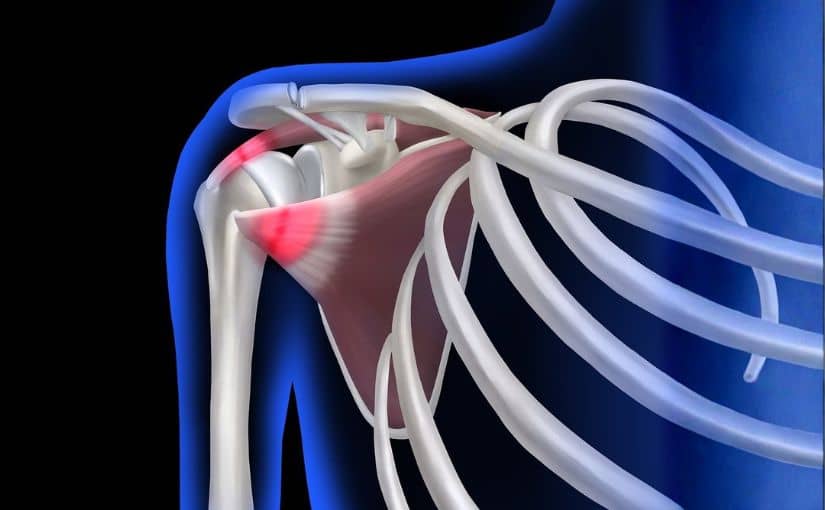
The shoulder joint achieves exceptional mobility through the coordinated movement of three bones: the clavicle, scapula, and humerus. To illustrate the shoulder’s complete range of motion, the table below outlines the six essential movement patterns: Flexion, Extension, Abduction, Adduction, Medial Rotation, and Lateral Rotation.

Check the table for details:

MovementTechnical DefinitionExample/ActionNormal Range (Degrees)
FlexionDecreases the angle between two parts; arm moves forward.Raising the arm straight up in front of the body.180° (Full overhead)
ExtensionIncreases the angle between two parts; arm moves backward.Reaching hands behind the back (e.g., for a back pocket).45° to 60°
AbductionArm movement away from the middle of the body.Raising the arm straight out and up from the side.Around 150°
AdductionArm movement towards the middle of the body.Hugging oneself or crossing the arm across the chest.30° to 50°
Medial Rotation (Internal)Forearm moves toward the body (elbow bent at 90°).Swinging the forearm inward (like shutting a cabinet door).70° to 90°
Lateral Rotation (External)Forearm moves away from the body (elbow bent at 90°).Swinging the forearm outward away from the body.90°

What are the benefits of achieving the shoulder’s full range of motion?

Good shoulder mobility is important for daily tasks like reaching overhead, getting dressed, and washing your hair. Most people don’t realize how much shoulder movement these basic activities require until they lose their range of motion, whether temporarily or permanently. And these are just the fundamentals!

Even if you work at a desk all day, healthy shoulder movement matters. Simple tasks like reaching for objects, typing, and other office activities depend on shoulder flexibility. For people in more physical jobs, proper shoulder mobility is a mustl for working effectively and comfortably.

Your quality of life also depends on being able to enjoy hobbies and activities you love. Whether you swim, play tennis, garden, paint, or play instruments, limited shoulder mobility can prevent you from doing what brings you joy. Even activities like running require some shoulder movement!

If you have young children or grandchildren, you need to reach in awkward directions, lift things overhead, push from unusual angles, and more. Shoulder mobility affects every part of your life, yet many people let it decline over time, accepting that they simply can’t do certain things anymore. 

The good news? It doesn’t have to be this way. You can maintain healthy shoulder movement and stay active in the things you love as you age.

How does chiropractic restore shoulder range of motion?

Chiropractic treatment helps restore shoulder mobility by using a combination of techniques like joint adjustments and movement therapy to improve how the joint functions. Read on for details. 

Chiropractic treatment enhances range of motion using a three-part strategy targeting joint mechanics, muscle tension, and sustained results.

Loosen up restricted joints

  1. Adjustments use controlled force to realign joints and the spine, removing nerve pressure and friction for freer movement.
  2. Soft tissue work (massage, myofascial release) addresses tight muscles that limit motion, releasing tension and correcting imbalances to restore flexibility.
  3. Exercise programs maintain progress through personalized stretching and strengthening that increase joint flexibility, stabilize muscles, and prevent recurrence.

This combined approach provides both immediate and lasting mobility gains, improving overall flexibility and physical function.

Restore nerve function

Chiropractic adjustments correct misalignments and restore proper nerve function. By realigning your spine, chiropractors remove pressure on nerves and tissues, decreasing inflammation and improving blood flow. As pressure releases, muscles relax and your joints regain their natural range of motion.

With proper spinal alignment and optimal nerve function, your body moves as designed. You regain flexibility and the ability to perform daily activities: bending, reaching, walking, and exercising without restriction or pain.

Address muscular imbalance

Chiropractors pair spinal adjustments with complementary soft tissue work to release chronic tension and muscle knots that restrict movement. These techniques target muscles like your chest and upper back; common areas where tightness inhibits range of motion.

Reclaim your shoulder mobility with Posture Perfect Chiropractic 

Through a combination of precise joint adjustments, targeted soft tissue therapy, and personalized exercise programs, chiropractors help your shoulders regain their natural flexibility and stability. Whether you’re struggling to reach overhead, getting dressed comfortably, or returning to hobbies like swimming or tennis, restoring shoulder mobility transforms your daily life and your ability to do what you love.

The best time to address shoulder stiffness is now before limited mobility becomes a permanent barrier to the activities and independence you value. With proper chiropractic care, you can maintain healthy shoulder function throughout your life and stay active, comfortable, and mobile for years to come.

Don’t let shoulder stiffness hold you back. Posture Perfect Chiropractic can help restore your shoulder mobility and help you reclaim their freedom of movement.

Book an appointment today

Frequently asked questions

How do daily habits contribute to shoulder stiffness?

Prolonged sitting, driving, and desk work often lock the shoulders in limited positions, which restrict normal movement patterns and can lead to chronic stiffness and discomfort over time.

How can chiropractic treatment help restore shoulder mobility?

Chiropractic care improves shoulder range of motion through spinal and joint adjustments, soft tissue therapies (like massage), and personalized exercise programs that together realign joints, relieve nerve pressure, and release muscle tension.

Is chiropractic care safe for treating shoulder pain and stiffness?

Yes. Chiropractic adjustments are gentle and safe. Chiropractors use various techniques suited to each patient and monitor for any underlying conditions that may require a different approach or referral.


Person getting neck massage because of neck pain and discomfort

Main points:

  • Chiropractic care focuses on spinal alignment, muscle tension release, and restoring normal neck function without medication.
  • Chiropractic care is safe and effective long-term when performed by trained professionals, treatment provides lasting relief by correcting underlying issues. 
  • Proper posture, ergonomic workspace setup, avoiding prolonged sitting, and following prescribed home exercises can prevent stiffness from returning.

Stiff neck, a temporary condition due to overuse movements or wrong sleeping position can affect daily routine. Consequently, neck pain isn’t just a minor annoyance, it’s a global health concern affecting millions. According to recent epidemiological data that was published in the National Library of Medicine, neck pain has an age-standardised prevalence rate of 27.0 per 1000 population as of 2019, making it one of the most common musculoskeletal disorders worldwide. 

The good news is that all is not lost if you’re affected by the said condition, thanks to chiropractic care, which focuses on treating neck pain naturally. Using hands-on adjustments and customized treatment plans, chiropractors aim to correct alignment issues, decrease swelling, and help your neck function the way it should. Read on and find out how it can help address stiff neck. 

What is a stiff neck? 

A stiff neck means your neck hurts and you can’t move it easily. If you’ve ever woken up and couldn’t turn your head without pain, or felt your neck “lock up” after sitting at your desk all day, that’s a stiff neck.What’s happening: The muscles in your neck get tight and tense (like they’re cramping up), making it hard or painful to look left and right, nod your head, or keep your head in certain positions. 

Stiff necks happen to a lot of people; according to WebMD, about 1 in 10 people deal with one at some point and some of its symptoms are as follows: 

  • Your neck muscles are tense and may cramp up unexpectedly
  • Turning your head is difficult or you can’t move it as far as usual
  • Staying in one position for too long makes the pain worse
  • You experience tingling or a “pins and needles” feeling in your neck, shoulders, or arms

What causes a stiff neck?

Your neck holds up your head, so it can get hurt or develop painful conditions that make movement difficult. What causes neck pain:

  • Strained muscles. Hunching over screens for extended periods tires out your neck muscles. Even reading in bed the wrong way can cause problems, a condition called tech neck.
  • Aging wear and tear. Neck joints break down over time. Your body forms extra bone to compensate, but this can actually make your neck stiff and sore.
  • Compressed nerves. Bulging discs or bone growths can push against the nerves coming from your spinal cord.
  • Trauma. Car accidents, especially getting rear-ended, often cause whiplash or when your head jerks violently back and forth, damaging neck tissues.
  • Illness. Diseases like arthritis, meningitis, or cancer can trigger neck pain.

How does chiropractic treat stiff neck

If your neck is stiff and painful, chiropractic treatment offers a drug-free way to help you feel better. Chiropractors use hands-on techniques to address the real problem causing your stiffness, not just mask the discomfort with temporary fixes.

Fundamental chiropractic treatment for stiff neck

Chiropractors use multiple proven techniques to treat stiff necks. These treatments address both symptoms and root causes, working together to reduce stiffness, restore movement, and speed up recovery. Here are some of them.

  • Spinal adjustment 
  • Soft tissue therapy 
  • Physical therapy modalities 
  • Stretching and strengthening

Spinal adjustment

Spinal adjustments are usually the primary treatment chiropractors use for stiff necks. This realigns vertebrae that have shifted out of place, a condition called spinal subluxation. During treatment, you may hear popping or cracking sounds that’s just gas releasing from your joints and doesn’t hurt. This relieves nerve pressure, improves blood flow, and restores normal movement.

Soft tissue therapy

Tight muscles often cause neck stiffness, so chiropractors typically include soft tissue work in treatment. This may involve deep tissue massage to release tension and improve circulation, trigger point therapy to address painful knots, or manual muscle release to stretch tight areas. These techniques work together with spinal adjustments—relaxed muscles make adjustments more effective and help you heal faster.

Physical therapy modalities

For severe stiffness or pain too intense for immediate adjustments, chiropractors use other treatments. Ice therapy that reduces swelling and numbs pain in the first day or two. Which is followed by heat therapy relaxing muscles and improving blood flow. 

Other treatments include ultrasound (deep heat for healing), Transcutaneous Electrical Nerve Stimulation (TENS), which blocks pain and relaxes muscles, and cold laser therapy (reduces inflammation at the cellular level). These treatments prepare your neck for adjustments while providing extra pain relief.

Stretching and strengthening exercises

After chiropractic treatment, you’ll likely receive personalized chiro-approved exercises that you can perform at home as part of your treatment plan. They include gentle stretches designed to gradually increase your neck’s flexibility and range of motion, strengthening exercises that help your neck maintain proper alignment, and movements targeting your shoulders and upper back where related tension often builds up. 

These exercises are essentially an extension of your in-office treatment, helping maintain progress between appointments and reducing the chances of your neck stiffness returning.

What are post chiropractic treatment protocols? 

After chiropractic treatment for neck pain, your chiropractic doctor will recommend lifestyle changes that are necessary to keep your neck realigned and prevent subluxation. How you hold your body throughout the day makes a huge difference in maintaining your results.

They’ll encourage you to maintain good posture and take note of the basics:

  • Relax your shoulders back, not forward
  • Keep your ears aligned over your shoulders
  • Use an ergonomic chair with back support
  • Position your screen at eye level
  • Hold your phone up instead of looking down (this also prevents tech neck)

They’ll also instruct you  to avoid prolonged sitting since sitting for hours at a time is one of the worst things for your newly adjusted spine. It puts constant pressure on your neck and back, causing muscles to stiffen and tension to build.

Reclaim neck movement with chiropractic care

A stiff neck doesn’t mean you’re stuck with constant pain or medication dependence. Chiropractic care provides a natural solution that fixes the actual cause of your discomfort, not just the symptoms. Through adjustments, muscle therapy, and personalized care plans, chiropractors restore alignment, reduce swelling, and get your neck moving normally again.

Don’t let neck pain limit your daily activities any longer. Our chiropractors at Posture Perfect Chiropractic specialize in treating stiff necks and restoring pain-free movement naturally.

Book an appointment today!

Frequently asked questions

Is chiropractic treatment safe for neck pain?

Yes. Chiropractic care is a safe, drug-free, non-invasive therapy when performed by a trained professional. Minor soreness after treatment is normal and typically resolves within 24 hours. Serious complications are very rare.

Can chiropractic care provide long-term relief for a stiff neck?

Chiropractic therapy addresses the root causes like misalignment and muscle tension, offering a longer-lasting solution rather than temporary pain relief. Treatment plans include exercises and lifestyle advice to maintain progress and prevent recurrence.

Does chiropractic care work without medication?

Yes. Chiropractic care is drug-free and focuses on natural healing by correcting spinal issues and muscle imbalances, making medication unnecessary for many patients with stiff necks.

A person lying in bed next to an alarm clock, appearing relaxed and ready to start her day.

Main points:

  • Recent studies suggest that melatonin can lead to increased risks of heart failure. 
  • Poor sleep positions and daily stress cause spinal misalignments that irritate nerves, raise cortisol levels, create muscle tension, and block your body’s ability to relax into restorative sleep.
  • Chiropractic care offers a sustainable, drug-free alternative that targets the structural and neurological causes of insomnia.

Sleep deprivation has become a silent health crisis in the Philippines, with 56% of Filipinos getting less than the recommended seven hours of quality sleep per day. This trend is further confirmed by Sleep Cycle survey data showing Filipino adults average just 6 hours and 30 minutes of sleep nightly—a full 30 to 90 minutes short of what health experts recommend for optimal functioning. While various factors contribute to this nationwide sleep deficit, insomnia may play a significant role in keeping millions of Filipinos from achieving the restorative rest their bodies and minds desperately need.

In an effort to combat sleeplessness, many turn to melatonin supplements as a quick solution. However, this approach carries potential risks, with recent research published in CNN linking melatonin use to concerns such as a higher risk of heart failure, making it crucial to explore safer, more sustainable alternatives for improving sleep quality.
The good news is chiropractic treatment is a holistic approach that can help improve sleep and, therefore, address insomnia. Read on for details.

What is the role of the nervous system in sleep?

The nervous system manages sleep by switching from “alert mode” during the day to “rest mode” at night. The process involves the hypothalamus, a region of the forebrain, that regulates the body’s sleep-wake cycles. While you sleep, your nervous system works to strengthen memories, support your immune system, and help your body heal and repair itself.

During sleep, the nervous system also plays a crucial role in memory consolidation, immune function, and the physical repair of the body.

Nervous system issues that affect

  • Spinal subluxation. Keeping your spine properly aligned is more important for sleep quality, overall health, and pain-free living than most people think. Your spine supports your entire body, but when you sleep in poor positions night after night, the misalignment can cause spinal subluxations or misalignments that create excessive strain, disrupt restorative sleep, cause muscle tension, and lead to long-term spinal problems.
  • Autonomic nervous system.Your autonomic nervous system regulates sleep by shifting from daytime “alert mode” to nighttime “rest mode.” During quality sleep, the rest mode slows your heart, relaxes your muscles, and enables physical repair. When stress or poor sleep disrupts this shift, your body remains stuck in alert mode, blocking the deep rest you need.

What are physical issues that affect sleep? 

Physical issues that affect sleep include chronic pain, muscle tension, and tense sleep posture. They are elaborated in detail below:

  • Chronic pain. Chronic pain and bad sleep trap you in a repeating loop: your pain disrupts sleep, poor sleep intensifies pain, and both together raise stress levels and dampen mood. To escape this cycle, you need approaches that settle your body’s stress response using healthy sleep habits.
  • Muscle tension. If you can’t fall asleep because your muscles feel tight, or you wake up sore like your body never relaxed. Ongoing muscle tension might be stopping you from getting good sleep.
  • Tense sleep positions. Sleeping in tense positions can hurt your sleep quality by causing pain and stiffness, making health problems worse, and preventing your body from properly recovering overnight.

How does chiropractic treatment promote address insomnia?

Chiropractic treatment addresses insomnia by addressing neurological issues, hormonal regulation, improved physical discomfort, enhanced posture, and sleep positioning.

Restores nervous system function

The nervous system manages all bodily functions, yet its performance relies on spinal health. Chiropractic care isn’t just for back pain, it corrects spinal misalignments (subluxations) that interfere with nerve communication, causing problems ranging from pain to anxiety and sleep issues. We’ll show how adjustments restore alignment, eliminate nerve interference, and support your nervous system’s ability to handle stress naturally.

Reduces stress hormones through hormone regulation

Your hormones control mood, energy, sleep, and metabolism through brain signals sent via the nervous system. Spinal misalignments (subluxations) can interrupt these signals to hormone-producing organs like your thyroid and adrenals. Chiropractic care corrects spinal alignment, reduces nerve disruption, and helps your body naturally regulate stress hormones and overall hormonal balance.

Manages pain

Chiropractic care treats pain at its source by correcting spinal misalignments (subluxations) that compress nerves and trigger pain signals. Adjustments help your nervous system release tight muscles and spasms, improving flexibility and reducing stiffness. This moves your body from a stressed state to a relaxed one, naturally decreasing pain and enhancing overall comfort.

Fixes posture and sleep position

Chiropractic treatment addresses posture problems at their root by correcting spinal misalignments (subluxations) that destabilize your body. This realignment balances muscle tone, releases chronic tension pulling you out of position, and enhances your body’s sense of where it is in space, helping you maintain better posture automatically whether you’re awake or settling into your sleep position.

Fix insomnia the chiropractic way

Sleep is fundamental to your health, yet millions of Filipinos struggle nightly with insomnia and poor rest. While quick fixes like melatonin may seem tempting, they come with risks that can’t be ignored. Chiropractic care offers a safer, more sustainable path forward—one that addresses the root causes of sleep problems rather than masking symptoms. By correcting spinal misalignments, restoring nervous system balance, regulating stress hormones, and relieving pain, chiropractic treatment helps your body naturally return to the restorative sleep it needs.

Ready to break free from sleepless nights? Book an appointment with Posture Perfect Chiropractic today and discover how personalized chiropractic care can transform your sleep quality and overall well-being. Your journey to better rest starts with proper spinal alignment.

Frequently asked questions

What are the potential risks of using melatonin supplements?

Most concerning, early research links long-term melatonin use to increased risks of serious health problems, including heart failure and higher death rates, especially in adults with chronic insomnia.

What is spinal subluxation, and how can it impact sleep?

Spinal subluxations or misalignments that restrict movement irritate nerves and trap your body in a stress state that blocks the relaxation response necessary for falling asleep, while simultaneously causing discomfort that disrupts sleep and elevates cortisol. Fixing these structural problems is crucial for enabling your body to achieve the quality rest it needs.

Is chiropractic treatment a safer alternative to melatonin for improving sleep?

Unlike melatonin, an unregulated hormone that only hides symptoms and risks drug interactions, heart complications, and dependency, chiropractic care tackles sleep issues at their source. It corrects spinal misalignments to eliminate nerve interference, naturally moving your body from a stressed state to a relaxed one, allowing your nervous system to regulate itself, ease pain, and recover its natural sleep function.

Hand being massaged due to tingling sensation

Main points:

  • Identifying the specific cause of paresthesia helps determine the right treatment approach.
  • Maintaining proper posture, optimizing workspace ergonomics, and eating nerve-supporting foods restore nerve function and prevent paresthesia triggers.
  • Beyond spinal adjustments, chiropractors combine soft tissue therapy, therapeutic exercises, and lifestyle guidance to restore nerve function.

Paresthesia, a condition that’s characterized by a tingling sensation in the body, is more common than many Filipinos realize. Whether you’ve experienced that “pins and needles” feeling after sitting too long or persistent numbness that won’t go away, paresthesia can significantly disrupt your daily life.

The good news is that paresthesia is often treatable and chiropractic care offers a non-invasive approach that many Filipinos have found effective. By addressing misalignments and nerve compression that can trigger these sensations, chiropractic care helps restore proper nerve function and reduce symptoms. 

Read on and find out how the said holistic treatment can treat paresthesia and improve overall well-being. 

What is paresthesia?

Paresthesia refers to unusual sensations like burning, prickling, or tingling that happen in your body without any obvious external cause. It typically shows up in your hands, arms, legs, or feet. In most cases, temporary paresthesia is harmless and goes away on its own. However, when these sensations persist or become chronic, they may signal an underlying health issue that deserves attention.

What causes paresthesia?

Paresthesia stems from various causes and it develops when your nerves are irritated, compressed, or damaged and the triggers vary widely. Here’s what commonly causes those tingling and numbness sensations:

  • Nerve pressure from posture and position
  • Nerve damage from specific conditions
  • Chronic health conditions
  • Central nervous system disorders
  • Other contributing factors

Read on for details.

  • Nerve pressure from posture and position. Poor posture, awkward sleeping positions, and repetitive movements compress nerves temporarily, causing “pins and needles” sensations that typically resolve when you change position or move around.
  • Nerve damage from specific conditions. Carpal tunnel syndrome and herniated discs pinch nerves directly, causing persistent paresthesia that usually requires targeted treatment to relieve pressure.
  • Chronic health conditions. Diabetes, vitamin B12 deficiencies, and prolonged alcohol use damage nerves over time, resulting in chronic paresthesia requiring ongoing management.
  • Central nervous system disorders. Multiple sclerosis (MS) and stroke disrupt normal nerve signaling, triggering paresthesia as a symptom.
  • Other contributing factors. Infections, autoimmune diseases, hyperventilation, and certain medications interfere with nerve function and cause paresthesia.

How to stop tingling sensation in the body through chiropractic

Chiropractic care addresses tingling by realigning your spine to reduce nerve compression, restoring proper nerve function and blood circulation. Beyond manual spinal adjustments, chiropractors may combine posture correction, therapeutic exercises, soft tissue therapy, and lifestyle guidance to deliver lasting relief.

  • Spinal adjustments 
  • Soft tissue therapy 
  • Therapeutic exercises 
  • Spinal decompression

Spinal adjustments

Chiropractic care treats paresthesia by decompressing irritated nerves through precise spinal adjustments, restoring proper signal transmission and reducing tingling and numbness. Soft tissue therapy relieves muscle tension, while therapeutic exercises build stability to maintain the correction, offering a drug-free, long-term solution.

Soft tissue therapy

Soft tissue therapy treats paresthesia by relieving nerve compression, improving blood circulation, and promoting nerve healing.

Therapeutic Exercises

Therapeutic and chiropractor-approved exercises involve targeted stretching and strengthening to boost muscle support for your spine. This not only improves posture but also actively helps prevent nerve compression from recurring.

Spinal decompression

Spinal decompression therapy is a non-surgical solution specifically designed to treat nerve compression, a common cause of tingling and numbness. Using traction technology, the holistic approach gently stretches the spine. 

This stretching creates negative pressure within the spinal discs, which helps to retract bulging or herniated disc material away from the nerve roots. This decompression not only relieves pain but also restores proper nerve function and improves blood flow to the injured area, promoting healing without requiring invasive surgery.

What are chiropractic preventive care for paresthesia?

Chiropractic preventive care maintains proper nerve function and circulation through manual techniques and lifestyle adjustments to prevent paresthesia. Some of them include the following:

  • Posture correction 
  • Ergonomic advice 
  • Nutrition counseling

Posture correction

Poor posture compresses nerves and worsens paresthesia. Maintain proper alignment to prevent tingling and numbness.

  • While sitting. Keep your back straight, shoulders relaxed, and feet flat on the floor with knees at 90 degrees. Position your screen at eye level to avoid hunching.
  • While standing. Distribute weight evenly on both feet with shoulders back and spine neutral. Avoid locking your knees or leaning to one side.

Ergonomic advice

Chiropractors offer ergonomic advice as a component of preventive approach to nerve health and, therefore treatment to paresthesia. Some of them include:

  • Workstation setup. Position your monitor at arm’s length and eye level. Keep your keyboard and mouse close with elbows at 90 degrees. Use a supportive chair with lumbar support and take 30-minute movement breaks.
  • Daily activity modifications.Take breaks during repetitive gripping or typing. Distribute backpack weight evenly, lift with your knees (not waist), and hold your phone at eye level instead of cradling it.

Nutrition counseling 

Chiropractors support nerve health by recommending targeted nutrition and regular physical activity to reduce paresthesia symptoms.

  • Nutritional support. Eat B12-rich foods (fish, eggs, dairy) to prevent deficiency-related tingling. Add magnesium (leafy greens, nuts, seeds) and omega-3s (fish, walnuts, flaxseeds) to reduce inflammation. Limit alcohol and caffeine.
  • Physical activity. Engage in low-impact exercises like walking, swimming, or yoga to improve circulation. Combine with therapeutic exercises from your chiropractor. Aim for 150 minutes of moderate activity weekly.

Stop tingling sensation with chiropractic care

Paresthesia doesn’t have to control your life. Whether you’re experiencing occasional tingling from poor posture or chronic numbness that affects your daily activities, chiropractic care offers a comprehensive, drug-free solution that addresses the root cause of your symptoms.

Our chiropractors at Posture Perfect Chiropractic can assess your paresthesia symptoms and create a personalized plan that’s tailored to your needs. Book an appointment today.

Frequently asked questions

What is paresthesia and what causes it?

Paresthesia refers to unusual sensations like tingling, numbness, or burning that are often caused by nerve compression, poor posture, repetitive movements, chronic illnesses, or nerve damage from conditions like carpal tunnel syndrome and herniated discs.

How can chiropractic adjustments help with tingling or numbness?

Chiropractic adjustments help alleviate tingling and numbness by realigning the spine, relieving nerve compression, and improving nerve signal flow, which can reduce or eliminate symptoms of paresthesia.

Is chiropractic care safe for treating paresthesia?

Chiropractic care is generally considered a safe, non-invasive treatment for paresthesia, focusing on restoring normal nerve function through manual adjustments and supportive therapies.

person with back pain touching their lower back

While modern research suggests that slouching alone doesn’t “damage” your spine, poor alignment contributes significantly to the muscle fatigue, chronic stress, and joint pain, especially in the back and neck that affects people globally. In the Philippines, for example, studies show that back and lower back pain are among the most common chronic complaints.

Addressing these pain patterns can be addressed by correcting underlying structural causes. Through chiropractic adjustments, chiropractors target spinal misalignments and joint misalignments (subluxations) that irritate nerves and compromise body mechanics. 

The following five postural and alignment issues are among those most commonly improved through chiropractic care:

What are common postural and alignment issues?

Forward head posture (FHP) 

Forward head posture, commonly called “tech neck,” has become incredibly common in our digital age. This isn’t just about how you look; when your head juts forward, it puts serious strain on your neck, causing ongoing pain and making it harder to move freely.

Forward head posture creates real problems because it strains your muscles, overloads your joints, and can pinch nerves. Here’s what you might feel:

  • Constant discomfort. Nagging pain in your neck, shoulders, and upper back.
  • Tension headaches. Pain that begins where your skull meets your neck and spreads upward.
  • Limited mobility. You can’t turn your head without feeling pain, or tilting your head back feels restricted.
  • Forward-rolling shoulders. Your shoulders curve inward, making your posture look even worse.

Lordosis

Lordosis is a posture problem where the spine naturally curves inward at your neck and lower back. These curves are important because they help absorb impact when you move and keep you balanced.

But problems start when these curves become too pronounced (called hyperlordosis or “swayback”) or too flat (called hypolordosis or “flat back”). Either extreme can cause pain, stiffness, and posture problems.

Kyphosis

Kyphosis is defined as an excessive outward curve of the spine, usually in the upper (thoracic) back region. While a certain degree of curvature is natural, an angle greater than 50 degrees is medically classified as Kyphosis.

Commonly called “hunchback,” “roundback,” or “kuba” in Filipino, this condition can range from a minor cosmetic concern to a serious problem that causes pain and limits your daily activities.

Flatback syndrome

Flatback Syndrome (FBS) is a complex spinal condition defined as a sagittal imbalance (front-to-back misalignment) that occurs when the lower spine (lumbar region) loses its natural inward curve, known as lordosis, and becomes abnormally straight or “flat.”

Scoliosis 

Scoliosis is an abnormal side-to-side (lateral) curvature of the spine, differing from the body’s natural front-to-back (sagittal) curves. When viewed from the back, a scoliotic spine forms a C-shape or an S-shape.

As reference, it’s estimated that almost 3 million Filipinos are living with scoliosis

Pelvic Tilt (Anterior and Posterior)

Pelvic Tilt refers to the position of the pelvis relative to the femurs (thigh bones) and the spine. It is a fundamental mechanism the body uses to adjust spinal alignment and maintain the center of gravity. For our content strategy, understanding pelvic tilt is essential because it is the primary compensatory mechanism that patients with Flatback Syndrome use to try and stand upright.

Upper crossed syndrome

Upper Crossed Syndrome happens when prolonged slouching and poor posture create a specific muscle imbalance.

The condition follows a predictable pattern that forms an “X” shape of tension and weakness:

Some muscles work too hard and get tight: Your upper back-of-neck muscles, shoulder tops, and chest muscles become overstretched, tense, and shortened from constantly holding poor posture.

Other muscles barely work and get weak: At the same time, the muscles that should counterbalance them—the deep muscles in your neck and your middle/lower back—get lazy and weak from underuse.

The table below takes a closer look at the common postural issues and their respective chiropractic solution: 

Posture Type (Descriptive Term)Spinal Region AffectedDescriptionChiropractic Solution
Forward Head Posture (Tech Neck)Cervical & Upper Thoracic SpineThe head is positioned forward of the shoulders, placing excessive strain on the neck and upper back muscles.Upper cervical and thoracic adjustments to restore the natural neck curve (cervical lordosis).
Lordosis (Swayback)Lumbar SpineExcessive inward curve of the lower back (lumbar region), causing the pelvis to tilt forward.Adjustments to the lumbar spine and pelvic area combined with strengthening exercises.
Kyphosis (Hunchback)Thoracic SpineAbnormal outward curve (rounding) in the upper back (thoracic spine), causing a hunched appearance.Thoracic adjustments to improve joint mobility and range of motion, coupled with mobility/stretching recommendations.
Flat Back SyndromeLumbar SpineLoss of the natural curve in the lower back, resulting in the spine being too straight (sagittal imbalance).Specific manual adjustments aimed at restoring the natural lumbar lordosis (the inward curve).
Scoliosis (Lateral Curvature)Entire SpineAn S- or C-shaped sideways curve of the spine.Chiropractic maintenance adjustments for scoliosis manage discomfort, reduce muscular tension, and improve joint function (focus on management, not correction/cure).
Pelvic Tilt (Anterior and Posterior)Sacroiliac (SI) Joint & HipsMisalignment of the pelvis (the body’s foundation), leading to pain in the hips and legs and affecting spinal balance.Targeted hip and sacroiliac (SI) joint adjustments to stabilize the foundation.
Upper Crossed SyndromeShoulders & Upper BackShoulders slump or roll forward, often accompanying Forward Head Posture due to tight chest muscles.Adjustments to the shoulder joint and upper back (thoracic region) to pull the shoulders back into proper alignment.

What is the chiropractic adjustment approach to postural correction? 

Chiropractic adjustment takes a thorough, science-backed approach to fixing poor posture by tackling the real problems: stiff joints and unbalanced muscles. Many people think bad posture is just about remembering to sit up straight, but it’s actually more complicated than that. Your body needs three things working together to maintain good posture: joints that move freely, muscles that work in balance, and a nervous system that coordinates everything properly, and chiropractic adjustments help with all three.

When you understand how adjustments fix posture and why you need to combine them with exercises and stretches, you can make smart choices about your treatment and get results that actually last instead of temporary relief that fades quickly.

Take the first step toward better posture and pain-free living

Poor posture isn’t just about appearance; it’s about how you feel every day. Whether you’re dealing with “tech neck” from hours at your computer, chronic lower back pain from pelvic misalignment, or the rounded shoulders of Upper Crossed Syndrome, chiropractic adjustment offers a proven solution that addresses the root cause, not just the symptoms.

At Posture Perfect Chiropractic, we specialize in correcting the postural dysfunctions that create chronic pain and limit your quality of life.

Contact us today to book an appointment.

Frequently asked questions

How does forward head posture (tech neck) develop, and why is it harmful?

Forward head posture develops through sustained poor positioning that creates muscle imbalances and structural changes over months to years. It’s harmful because it creates excessive biomechanical stress (up to 60 lbs on your neck), causes chronic pain, compresses nerves, restricts breathing, accelerates spinal degeneration, and reduces quality of life.

How many chiropractic sessions are typically needed to see improvement in posture?

This is a case to case basis and there is no set answer for this. But, the general answer is most people need 24-48 chiropractic sessions over 6 months plus daily home exercises for lasting posture correction. You’ll feel better within a month, look better within 3 months, and achieve full correction by 6-9 months—but only if you do your part consistently.

What lifestyle changes complement chiropractic care for better posture?

Ergonomics. Adjust your workspace so your monitor, keyboard, and chair support neutral spine alignment.
Exercise. Stretch tight areas like your chest and hip flexors, and strengthen your core and back to maintain good posture.
– Movement Breaks. Take frequent breaks throughout the day to prevent prolonged strain from sitting or standing.
– Sleep Position. Use a supportive pillow and sleep on your back or side rather than your stomach to maintain proper alignment.
– Stress Reduction. Manage stress through relaxation techniques, as tension tightens neck and shoulder muscles, pulling posture forward.
– Hydration and Nutrition. Support tissue recovery and responsiveness to chiropractic treatment through proper hydration and good nutrition.

What is the relationship between spinal joint misalignments and postural pain?

Spinal misalignments cause postural pain through muscle tension, nerve compression, joint inflammation, and compensatory posture shifts. These factors create a cycle where misalignment worsens pain and poor posture, which further worsens misalignment. Early chiropractic care and lifestyle changes can break this cycle.

person doing static stretch on the floor

Main points:

  • The first 48–72 hours after a chiropractic adjustment are crucial for recovery, as the body adapts to new alignment.
  • Gentle static stretching helps prevent muscles from pulling joints out of place and supports long-term balance.
  • Following proper timing, frequency, and technique ensures each session’s results last longer and reduces post-treatment soreness.

The first 48 to 72 hours after a chiropractic adjustment are an important window for healing and recovery. During this time, your joints begin to settle into their new alignment while your muscles and nervous system adjust. What you do in this period can either help the adjustment hold or slowly undo the progress made.

To support long-term results, it’s best to avoid strenuous activity for at least 24 to 48 hours post-adjustment. Your body is still stabilizing. If your muscles remain tight, they may pull your joints back out of alignment before they have a chance to hold.

This is where static stretching comes in. A simple, well-timed routine can help reduce tension, support joint stability, and improve how your body responds after a spinal adjustment. In this guide, you’ll learn how stretching works, which areas to focus on, and how to make it part of your recovery plan with your chiropractor.

What is Chiropractic Adjustment 

A chiropractic adjustment is a manual technique used to improve spinal motion and restore proper alignment. It often involves a controlled, sudden force applied to a specific joint, usually in the spine. The goal is to reduce nerve pressure, ease discomfort, and support the body’s natural healing process.

Once the joint is adjusted, the body enters a brief phase known as the lock-in period. This is when the joint becomes more mobile, but the surrounding muscles and soft tissues haven’t fully adapted yet. Without support, tight or shortened muscles may pull the joint back into its previous position.

That’s where static stretching becomes important—it helps the adjustment hold.

  • The Chiropractic Correction: Joint Alignment and Spinal Mobility
  • Why Muscles Are the Missing Link (The Recoil Effect)
  • The Role of Static Stretching: Training the Soft Tissue

The Chiropractic Correction: Joint Alignment and Spinal Mobility

An adjustment helps restore proper joint alignment and reduce nerve interference. When the spine is aligned, posture improves, mobility increases, and the nervous system can work without added tension.

Why Muscles Are the Missing Link (The Recoil Effect)

Muscles often adapt to misalignment over time. After an adjustment, these same muscles may resist the new position. If they remain tense, they can pull the joint back out of place. This is known as the recoil effect, and it’s one of the most common reasons an adjustment doesn’t last.

The Role of Static Stretching: Training the Soft Tissue

Static stretching means holding a muscle in a fixed position for a short period. It gently lengthens and relaxes the tissue without movement or bouncing. After an adjustment, this type of stretching helps the muscles support the new joint position, instead of pulling it back out of alignment.

What are the Benefits of Post-adjustment Stretches 

Stretching after a realignment is more than just a feel-good step. It plays a key role in helping your body hold the correction and recover well. Here’s how gentle post-adjustment stretching makes a difference:

  • Benefit 1: Longevity – Stretching helps the muscles support the new alignment, so the adjustment lasts longer.
  • Benefit 2: Relief from Soreness – It eases muscle tightness, reducing that achy or stiff feeling after treatment.
  • Benefit 3: Flexibility and Motion – You’ll move more freely and notice better range in your spine and joints.
  • Benefit 4: Postural Awareness – Stretching connects your mind and body, helping you stay mindful of your posture.

These small steps add up to lasting results with your chiropractor. To get the most out of each session, it’s just as important to know when and how to stretch.

When and How to Stretch 

Stretching after a chiropractic adjustment works best when it’s done with care and consistency. It’s not about doing more—it’s about doing it right. Here’s how to approach it in the first few days after your session.

  • Follow Specific Instructions from Your Chiropractor
  • Why Dynamic Stretching Is Not Recommended Post-Adjustment
  • The Ideal Stretching Frequency and Duration

Follow Specific Instructions from Your Chiropractor

Every body is different. Your chiropractor may suggest specific stretches and exercises based on the area adjusted. Always follow their advice to avoid overdoing it or targeting the wrong muscles.

Why Dynamic Stretching Is Not Recommended Post-Adjustment

Dynamic stretches involve bouncing or moving in and out of a position. While helpful in some settings, they are not ideal after an adjustment. These movements can destabilize the joint, making it more difficult for your body to maintain the correction.

The Ideal Stretching Frequency and Duration

Hold each stretch for 20 to 30 seconds. This gives the muscles time to relax and reset. Aim to stretch twice a day on the day of your adjustment and continue for the next two to three days.

Consistency and proper timing make a big difference in how well your body holds each adjustment. When done right, stretching supports healing and helps your body adapt to the changes.

In the next section, we’ll walk through the specific static stretches that work best after your adjustment.

What are Essential Static Stretches for Post-adjustment Recovery 

After your session, supporting the body with the right stretches can help the muscles relax and the joints stay aligned. Each of the following stretches targets a key area that’s often addressed during care. Adding these to your recovery routine may enhance flexibility, alleviate tension, and promote long-term stability.

Here’s a guide to five simple static stretches and what they focus on:

StretchTarget AreaAdjustment Focus
Supine Knee-to-ChestLumbar Spine, GlutesLower Back and Sacrum
Seated Thoracic ExtensionMid Back, Thoracic SpinePostural and Thoracic Correction
Gentle Neck Tilt (Side Bend)Neck and Upper TrapsCervical Support
Doorway Pectoralis StretchChest, Front ShouldersShoulder Roll-Forward Correction
Piriformis/Figure-Four StretchHips, Glutes, Lower BackPelvic and Sacral Stability

These stretches are often recommended by your care provider to help the body hold its new position and avoid unnecessary strain.

General Tips for Executing Each Stretch Safely

  • Do not bounce or force the stretch – Bouncing can lead to muscle strain. Instead, hold each stretch steadily for 15–30 seconds.
  • Breathe deeply and stay relaxed – Deep breathing helps muscles release tension and improves the effectiveness of the stretch.
  • Only stretch to the point of tension, never pain – A stretch should feel like a gentle pull, not sharp or painful. Pain may indicate joint compression or improper form.

A 2024 meta-analysis found that static stretching can reduce muscle injuries by up to 63% in healthy active individuals, reinforcing the importance of proper technique in your recovery routine.

Only stretch to the point of tension, never pain. When done with care, these movements help reinforce the results of your session and support long-term balance. Small steps lead to lasting changes.

Stretching That Stays With You

If your body feels tight or off-balance again a day or two after your session, you’re not alone. Muscles often return to old patterns without the right support. Stretching helps prevent this, giving your body a better chance to hold the correction and feel more stable between visits.

At Posture Perfect Chiropractic, we guide you through more than the adjustment itself. We help you build habits that support long-term alignment and comfort. Simple stretches, done with care and consistency, can protect your progress and help you move with greater ease.If you’re ready to support your recovery and feel better beyond the table, book your appointment today. We’ll help you create a stretch plan that fits your body and your routine.

Frequently Asked Questions

How often should I stretch post-adjustment?

Gentle stretching once or twice daily is recommended for the first two to three days after your session. This helps your body adjust, reduces tension, and supports the new alignment. Frequency may vary depending on your condition, so always follow your provider’s advice.

Which stretches are most effective after a chiropractic adjustment?

The best stretches are slow, static, and focused on the area treated. Common examples include knee-to-chest, neck tilts, doorway chest stretches, and figure-four hip stretches. These help muscles stay relaxed and reduce post-treatment soreness.

Can I continue with normal activities post-adjustment?

Light movement like walking is usually fine. Avoid intense or high-impact activity for 24 to 48 hours to allow your body to stabilize. Give your muscles time to adjust before returning to full routines.

man lying in a hospital bed, wearing an oxygen mask, appears to be receiving medical care.

Main points:

  • Pneumonia can cause lasting strain on the ribs, spine, and breathing muscles, even after treatment.
  • Chiropractic care may help improve chest expansion, diaphragm function, and posture during recovery.
  • Posture Perfect Chiropractic offers hands-on care to support movement, breathing, and nerve health after illness.

Pneumonia is still one of the top causes of death in the Philippines. As of January 2025, it accounted for 6.5% of reported deaths, based on official government data from the Philippine Statistics Authority.

Antibiotics and medical care are necessary to treat the infection. But once the fever breaks and the lungs begin to clear, the body may still need support. Days of coughing, bed rest, and shallow breathing can leave the rib cage strained, posture misaligned, and energy levels low.

Chiropractic care may help during recovery by improving movement, easing muscle tension, and supporting healthy breathing mechanics. It does not replace medication or medical advice. Instead, it works alongside treatment to help the body regain normal function.

In this blog, we’ll explain what pneumonia does to the body, the physical strain it can leave behind, and how chiro therapy may support breathing, movement, and recovery after infection.

What is Pneumonia 

Pneumonia is a lung infection that makes it harder for the body to take in oxygen. It causes inflammation in the air sacs of the lungs, which may fill with fluid or pus. This condition can range from mild to severe, depending on the person’s age, health, and how quickly it is treated.

Here are some of the most common symptoms:

  • Cough with mucus – May produce green, yellow, or even bloody mucus.
  • Fever or chills – Often includes sweating or shivering.
  • Chest pain – Usually sharp and worse with deep breathing or coughing.
  • Shortness of breath – Breathing may feel fast or shallow.
  • Fatigue and weakness – General low energy or feeling tired all day.
  • Bluish lips or nails – In severe cases, a sign of low oxygen levels.

Some people are more likely to develop pneumonia or experience serious symptoms. These risk factors include the following:

  • Older adults and young children – Especially those under age 2 or over 65.
  • People with lung problems – Such as asthma, COPD, or other chronic conditions.
  • Those with weak immune systems – Including individuals with cancer or on immune-suppressing medication.
  • Smokers and people in group living environments – Where exposure and reinfection are more likely.
  • People with heart, liver, or brain conditions – These can make it harder for the body to fight infection.

Pneumonia doesn’t just affect the lungs; it can also change how the body moves, breathes, and responds during recovery.

What are the Biomechanical Effects of Pneumonia

Pneumonia doesn’t only impact the lungs. It also affects how the body moves, breathes, and recovers. As the infection clears, the physical stress caused by coughing, chest tightness, and inactivity may lead to changes in posture, joint movement, and muscle function.

Here are three key ways pneumonia can affect the body’s mechanics during and after infection:

  • Coughing stresses the ribs and spine
  • Reduced rib mobility and shallow breathing
  • Diaphragm and nerve connection

Read on for details.

  • Coughing stresses the ribs and spine. Persistent coughing can place strong, repeated pressure on the rib cage and thoracic spine. Over time, this may cause soreness, joint irritation, or minor misalignments in the mid-back.
  • Reduced rib mobility and shallow breathing. When a rib becomes stiff or misaligned, it can limit the chest’s ability to expand. This restricts deep breathing and makes it harder for the lungs to take in enough oxygen—especially during recovery when the body needs more energy.
  • Diaphragm and nerve connection. The diaphragm is the main muscle that controls breathing. It relies on signals from the phrenic nerve, which originates in the neck. If this area becomes tense or misaligned, it may reduce the diaphragm’s ability to contract and relax fully.

How Chiro Therapy Can Aid in Pneumonia Recovery 

Recovering from pneumonia isn’t just about clearing the infection. Many people continue to deal with stiffness, shallow breathing, and muscle tension. These issues can make it harder for the body to return to normal function.

Chiropractic care may support recovery by improving movement and easing pressure in key areas. Here’s how it may help:

  • Spinal Alignment and Posture
  • Improved Chest and Lung Expansion
  • Diaphragm Function and Nerve Connection
  • Muscle Tension Relief
  • Improved Nerve Function

Spinal Alignment and Posture

Adjustments in the thoracic spine (neck) target joints that connect to the rib cage. When these joints are stiff or out of place, the ribs may not move well. Realigning this area can reduce tension and help the chest expand more freely.

Improved Chest and Lung Expansion

Muscles around the chest can tighten during illness. This limits how fully the lungs can expand. Chiropractic care may help reduce that tightness and improve rib and spine movement. These changes may support deeper breathing as the lungs heal.

Diaphragm Function and Nerve Connection

The diaphragm is the main muscle used for breathing. It relies on the phrenic nerve, which starts in the neck at C3, C4, and C5. Tension or misalignment in this region may affect how well the diaphragm moves. Chiropractic care may help improve this nerve connection.

Muscle Tension Relief

When breathing becomes harder, the neck and chest muscles work harder too. These muscles often become tight or sore. Chiropractic care may help release that tension, allowing for easier and more natural breathing.

Improved Nerve Function

Joint restrictions can create local nerve irritation. This may contribute to muscle tension and affect how easily you breathe. Restoring joint movement may help reduce this irritation and improve overall body coordination.

These outcomes are part of the focused care approach offered at Posture Perfect Chiropractic.

Important Note: Chiropractic care is intended as supportive therapy during the recovery phase, after medical clearance. It does not treat pneumonia or replace medical care. If you still have fever, active infection, severe breathing difficulty, or complications from pneumonia, consult your physician before seeking chiropractic treatment.

Help Your Body Move and Breathe Again

If you’re still dealing with tightness, discomfort, or shortness of breath after pneumonia, you’re not alone. These symptoms can linger long after the infection clears.

At Posture Perfect Chiropractic, we help restore movement, improve posture, and ease tension in the chest, spine, and neck; areas that often stay tight after pneumonia. Our care supports your breathing and helps your body regain the strength and comfort you had before.Book an appointment today! Let’s work on what’s left after the illness—so you can breathe easier and move better again.

Frequently asked questions

How does pneumonia affect breathing and the musculoskeletal system?

Pneumonia causes inflammation in the lungs, which makes breathing harder. Coughing, bed rest, and shallow breathing can also strain the chest, ribs, and spine.

Why is posture and spinal alignment important after pneumonia?

Poor posture limits chest expansion and reduces lung capacity. Proper spinal alignment helps the rib cage move more freely, making it easier to take full breaths during recovery.

What biomechanical effects of pneumonia does chiropractic therapy target?

Chiropractic care addresses rib stiffness, joint restrictions, and muscle tension caused by prolonged coughing and inactivity. These issues can interfere with breathing and slow down recovery.

Main points:

  • Dizziness may come from inner ear crystals or neck issues that affect balance.
  • Chiropractic care includes adjustments, muscle work, and posture advice to ease symptoms.
  • Posture Perfect Chiropractic supports recovery through hands-on care and focused treatment.

Dizziness is one of the most common reasons adults visit a family physician in the Philippines. It is a broad symptom that patients describe in many ways, such as spinning, lightheadedness, or imbalance. According to a 2023 PAFP journal, 15–36% of adults report experiencing dizziness, which accounts for approximately 5% of family medicine visits.

While mild dizziness may fade quickly, chronic or recurring episodes can interfere with daily activities. Some cases are linked to cervical spine problems, inner ear imbalances, or issues with posture. Chiro therapy focuses on addressing these possible causes through careful assessment and natural treatment.

In this blog, we’ll explore common dizziness symptoms, how a doctor of chiropractic evaluates them, and the ways chiropractic care can help restore balance and stability.

What are the Symptoms of Dizziness

Dizziness feels different for everyone. Some describe it as the room spinning. Others feel off balance, foggy, or just “not right.” These symptoms often point to different causes, so it’s important to know what to look out for.

Below are the most common signs that may come with dizziness.

  • Vertigo 
  • Lightheadedness 
  • Neck pain 
  • Headache 
  • Ringing in the ears 
  • Hearing loss

Read on for details.

  • Vertigo – A spinning or whirling feeling, often triggered by head movement. It can last for seconds or stretch into minutes, making even simple tasks feel difficult.
  • Lightheadedness – A sensation of floating or feeling faint, like you might pass out. It may come with blurred vision or a wave of unease.
  • Neck pain – Stiff or sore neck muscles may signal a link between dizziness and spinal issues. Poor posture or long hours at a desk can make it worse.
  • Headache – Tension or pressure in the head often goes hand in hand with balance problems. Dull, throbbing pain around the temples or base of the skull is common.
  • Ringing in the ears (tinnitus) – A high-pitched or buzzing sound that may suggest inner ear involvement. It can be constant or come and go without warning.
  • Hearing loss – Reduced hearing in one or both ears, especially if dizziness is ongoing. This may also cause confusion or difficulty following conversations.

Dizziness can start in the inner ear, the neck, or both. To find the cause, a doctor of chiro needs to assess your posture, movement, and reflexes.

How Chiropractors Assess Dizziness Symptoms

Dizziness can have many causes. To treat it effectively, the first step is a proper assessment. A doctor of chiro uses a combination of physical and neurological tests to find the source.

These are some of the most common methods:

  • Cervical spine assessment 
  • Balance testing
  • Neurological screening 
  • Dix-Hallpike test 
  • Cervical proprioception testing

Read on for details.

  • Cervical spine assessment – Checks for restricted movement, joint issues, or muscle tightness in the neck.
  • Balance testing – Evaluates your posture and stability through tests like the Romberg.
  • Neurological screening – Assesses reflexes, coordination, and strength to rule out nerve-related issues.
  • Dix-Hallpike test – Helps detect Benign Paroxysmal Positional Vertigo (BPPV) by observing eye movements and dizziness during position changes.
  • Cervical proprioception testing – Checks how the neck contributes to balance and spatial awareness, often used to identify cervicogenic dizziness.

Once the cause of dizziness is clear, treatment can be more specific—especially for conditions like BPPV.

How Does Chiro Therapy Treat for Benign Paroxysmal Positional Vertigo (BPPV)

BPPV is a leading cause of vertigo, accounting for approximately 26.6% of all vertigo cases seen in clinical settings. It occurs when small calcium crystals in the inner ear, called otoconia, shift out of place. These crystals interfere with balance signals and cause dizziness. The goal of treatment is to move them back to where they belong.

A doctor of chiro can guide you through techniques that reposition these crystals using gravity-based movements. These treatments are natural and often provide fast relief.

  • Epley Maneuver (Canalith Repositioning Procedure). This technique uses a series of guided head and body movements. It helps shift the crystals from the semicircular canals back into the utricle. Many patients report feeling better after just one or two sessions.
  • Home-Based Exercises (e.g., Brandt-Daroff). Patients are taught gentle, repeated movements to practice at home. These help the body adjust to motion triggers and reduce the chance of symptoms coming back.

How Does Chiro Therapy Treat Cervicogenic Dizziness (CGD)

Cervicogenic dizziness often starts in the neck. It may come from joint stiffness, muscle tightness, or poor posture that affects how your body senses balance and motion. This type of dizziness has been linked to cervical spine dysfunction, as discussed in clinical studies on cervicogenic vertigo.

The goal of chiro therapy is to restore proper movement and reduce tension in the cervical spine. Together, these steps help relieve symptoms and reduce the chance of dizziness coming back.

  • Spinal Adjustment (Manipulation)
  • Soft-Tissue Therapy
  • Therapeutic Exercises
  • Postural and Ergonomic Advice

Spinal Adjustment (Manipulation)

A controlled, gentle force is applied to restricted or misaligned joints in the upper neck. This improves mobility and eases pressure on nearby nerves.

Soft-Tissue Therapy

Techniques like massage or trigger point release are used to relax tight neck and upper back muscles. Reducing muscle tension can ease symptoms tied to dizziness.

Therapeutic Exercises

Specific movements are prescribed to strengthen deep neck muscles. These improve stability, coordination, and body awareness.

Postural and Ergonomic Advice

Patients receive guidance on sitting, phone use, and daily posture habits. These adjustments help reduce long-term strain on the neck.

These care methods are part of how Posture Perfect Chiropractic supports people with dizziness linked to the neck. The clinic works closely with each patient to improve how they move and feel. As with any healthcare treatment, understanding safety considerations is an important part of care.

Safety and When to Seek Care

Chiropractic care for dizziness is generally safe when performed by licensed professionals. However, it’s important to know what to expect and when extra caution is needed.

Before Treatment

Your chiropractor will assess whether chiropractic care is right for you. Certain conditions require extra evaluation or may not be suitable for neck adjustments, including:

  • History of stroke or blood clotting disorders
  • Severe vascular conditions
  • Recent neck trauma or injury
  • Uncontrolled high blood pressure

What to Expect

Some people experience mild, temporary side effects after treatment, such as:

  • Slight soreness in treated areas
  • Temporary lightheadedness
  • Muscle fatigue

These typically resolve within 24 hours. Your chiropractor will explain what’s normal and provide aftercare instructions. You should seek immediate medical attention if you experience any of the following:

  • Sudden, severe headache
  • Vision changes or difficulty speaking
  • Weakness or numbness that doesn’t go away
  • Loss of coordination or severe dizziness that worsens

Chiropractic care is safe when provided by trained professionals. With proper assessment and hands-on treatment, it can offer relief for people dealing with dizziness caused by the neck or inner ear.

Ease the Dizziness with Targeted Chiro Treatment

Persistent dizziness is more than just uncomfortable—it can disrupt your focus, balance, and day-to-day confidence. For many, the cause isn’t just in the inner ear. It can start in the neck, in your posture, or in how your body responds to motion. Chiro therapy offers a safe, natural approach to address these issues at the source.

At Posture Perfect Chiropractic, we help patients move better, feel better, and live without chronic tension or imbalance. Our licensed chiropractors assess your symptoms, explain what’s happening, and guide you through treatment that fits your condition and lifestyle.If dizziness, vertigo, or balance problems are holding you back, don’t wait for it to get worse. Book an appointment today.

Frequently Asked Questions

How does spinal alignment affect balance and dizziness?

When your neck joints are out of place, it can confuse the signals your brain gets about balance. This may lead to dizziness or feeling unsteady. Fixing the alignment helps your body move and respond more accurately.

What lifestyle changes can support chiropractic care for dizziness and balance?

Sit with better posture, take breaks from screens, and avoid looking down for long periods. Stay active with gentle movement or stretches. Follow the exercises your chiropractor gives you.

What is cervicogenic dizziness, and how can chiropractic treatment help?

Cervicogenic dizziness is caused by problems in the neck. Chiropractic care helps by improving neck movement and relaxing tight muscles. This can reduce dizzy spells and help you feel more stable.