
Main points:

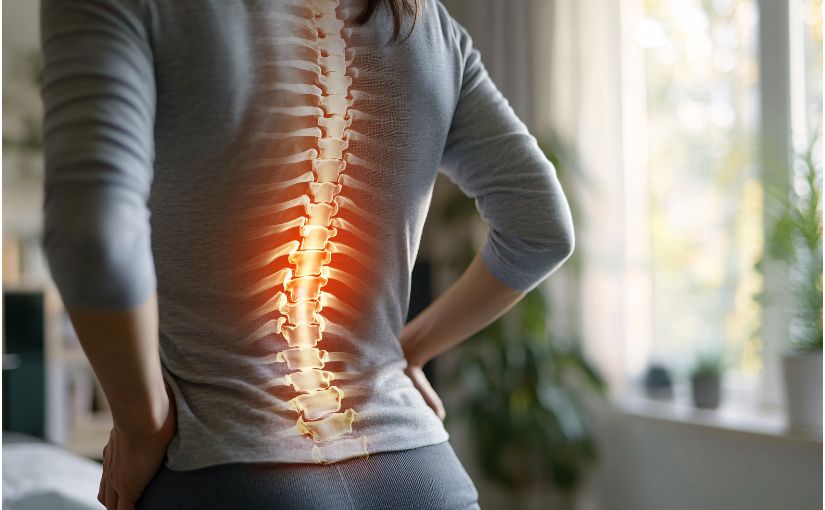
  • Constant daily pressures work against spinal health: prolonged sitting, heavy lifting, stress, and weak core muscles. Because of these, you need regular adjustment to maintain optimum spine health. 
  • Regular chiro visits to keep the spine aligned and support the nervous system. It’s a preventative, not reactive care.
  • You can track if maintenance chiro therapy is working by monitoring pain by frequency, duration, and impact.

There’s no single reason people visit a chiro therapy clinic. It could be back pain, poor posture from long hours at a desk, or just that annoying ache that makes everyday movement harder. But one thing is common: people want relief that doesn’t rely on medication. This is the reason why the said holistic approach has become a go-to treatment for many Filipinos. 

However, to make the most of chiro therapy, it’s best to have regular maintenance sessions. This is arguably one of the best things that you can do for your overall health and well-being. 

What is maintenance chiro therapy? 

Maintenance chiro therapy means having regular chiro visits even if you’re not experiencing any symptoms. The concept is to keep the spine in proper alignment and support the nervous system so that problems don’t even have a chance to start. It’s like regular check ups and not a cure. 

Below are the advantages of chiro therapy: 

  • Less recurring pain 
  • Enhanced physical performance 
  • Improved mobility 
  • Less muscle tension 
  • Better lifestyle habits

Less recurring pain. Patients who remain on regular adjustments have fewer pain flare ups and longer pain free periods than those who stop care after feeling better.

Enhanced Physical Performance. Proper spinal alignment (without spinal subluxations) allows for a more efficient body. This is why pro sports teams keep chiropractors on staff. You get better balance, coordination, and reaction time .

Improved mobility. Poor posture, repetitive movements and stress can gradually cause stiffness in your joints over the years. If you look after them regularly, you’ll keep your joints moving as they should, so daily movements will be easier and less stiff.

Less muscle tension. When your spine is misaligned your muscles compensate and tighten up. Regular maintenance care corrects this so your muscles can relax and work right, which means less chance of strain injury.

Better lifestyle habits. Chiro doctors not only help you align your spine, they also provide you with lifestyle advice including posture, eating habits and more. And when you start caring for one part of your health, you’re more likely to care for the rest as well.

Why your back needs regular chiro maintenance

Routine chiro therapy is vital for preventative spine health, not just for immediate pain relief, but also for long-term mobility, injury prevention, and overall bodily function. Additionally, your spine is under constant pressure. Some of the contributory factors are elaborated below: 

  • Sitting for long hours
  • Heavy lifting 
  • Stress 
  • Weak core muscles

Sitting for long hours. This flattens the natural curve of your lower back and tightens your hip flexors, shifting how your whole spine distributes weight.

Heavy lifting. Heavy lifting, even if done correctly, can put repeated compressive force through your vertebrae and discs.

Stress. Stress causes your muscles to tighten, especially around the neck, shoulders, and upper back, pulling your spine out of its natural alignment over time.

Weak core muscles. When your core muscles are weak, your spine has to work harder than it should to hold you upright, making it more vulnerable to strain.

How to know if your maintenance plan is working

A maintenance plan only works if you know what to look for. Without tracking your progress, it’s easy to miss the signs that things are improving, or that something needs to change.

To know if your plan is working or otherwise, it’s best to take note of the following: 

  • Frequency. How often does the pain show up? Once a week, a few times a month?
  • Duration.  How long does each episode last? Does it go away in a day or linger for a week?
  • Impact.  What does it stop you from doing? Sitting through a full workday, lifting groceries, sleeping through the night?

How often should you go for maintenance? 

There’s no single answer that works for everyone: your body, lifestyle, stress load, and goals all play a role. That said, once the sharp pain has settled, most people find a rhythm that looks something like this:

  • Every two weeks for a short stretch, especially if work or sport puts a lot of demand on your body
  • Every 3 to 4 weeks once things feel stable
  • Every 6 to 8 weeks if you’re feeling consistently good and have solid habits in place

Some people prefer a seasonal check-in about every 10 to 12 weeks, particularly if they have a strong home routine. Others tighten the schedule during busy seasons, heavy training blocks, or pregnancy.

Take care of your spine through maintenance chiro therapy

Your spine plays an important role in everyday life and it’s exposed to a lot of pressure:  long hours at a desk, heavy loads, stress, and everything else life throws at it. Maintenance chiropractic care isn’t about fixing something that’s broken. It’s about keeping your body in good shape so it can keep up with you. The earlier you start, the easier it is to stay ahead of the pain.

Additionally, movement, stretching, a well-set-up workspace, and managing stress all support what your chiropractor does during your visit. When these pieces come together, maintenance care has a much stronger foundation to build on.

Have your chiro therapy sessions at Posture Perfect Chiropractic. Aside from effective and efficient regular sessions, our doctors can put together a maintenance plan that goes beyond adjustments; one that includes the right exercises, stretches, and daily habits to support your spine between visits. 

So book your appointment today and take the first step toward fewer flare-ups and more good days.

Frequently asked questions

Is chiro maintenance care necessary?

While not required, maintenance care can help reduce recurring pain, improve mobility, and support long-term spinal health.

Does maintenance chiro therapy improve overall wellness?

Yes, it can contribute to better movement, reduced stress on the body, and healthier lifestyle habits through ongoing guidance and alignment.

What happens if you stop chiropractic care after feeling better?

Some people may experience a return of symptoms over time, especially if underlying habits like poor posture or stress remain unaddressed.

person experiencing injury in a soccer field

Main points: 

  • Hilot is a centuries-old Filipino healing practice that relies on intuition and touch. Chirotherapy is a licensed, regulated profession that uses formal diagnosis and evidence-based techniques.
  • Chiro therapy supports recovery, not emergency care. It works best after a physician has cleared the injury. It helps restore movement, ease pain, fix biomechanical issues, and reduce re-injury risk.
  • Hilot can be risky for serious injuries. Without proper imaging, a manghihilot may unknowingly manipulate a fracture and make it worse; sometimes to the point of needing surgery.

Badminton, basketball, running. The Philippines is an active nation. In fact, a 2018 survey by Cint, published on Statista, found that around 5% of Filipino respondents played badminton regularly, and that’s just one of many sports embedded in everyday Filipino life. 

On the one hand, getting involved in sports and other physical activities is good for health and well-being. On the other hand, the probability of injuries is simply inevitable and most Filipinos face a familiar choice: get a “hilot,” or traditional massage and folk medicine or chiro therapy. Take note that both are trusted holistic methods, but they come from different worlds. 

Hilot is a centuries-old Filipino healing tradition; chiropractic is a licensed, evidence-based practice now available in major Philippine cities. This article compares the two. What each involves, how they hold up for sports injuries, and how to choose the right one for you.

What is hilot? 

Hilot is a traditional Filipino healing practice that predates colonial rule. It uses massage and manipulation to restore balance across the physical, mental, and spiritual aspects of a person. The practitioner — called a manghihilot — is trained to detect congestion, skeletal misalignments, and energy imbalances in the body.

Despite being commonly mistaken for a regular massage, hilot goes much further, its goal is to restore the health of the whole person, not just relieve surface tension. For sports and musculoskeletal complaints, some manghihilot specialize in pilay, a Filipino term for bone and skeletal problems such as sprains and strains.

What is chiro therapy? 

Chiro therapy is based on the idea that the body can heal itself. It mainly involves spinal manipulation, though chiropractors may also advise on diet and exercise.

Unlike hilot, the said holistic approach follows a clear clinical process, gathering patient history, running examinations, making a diagnosis, and building a treatment plan. The hands-on techniques that are used vary from stretching and applied pressure to targeted joint adjustments, all aimed at improving movement and joint function.

In the Philippines, aspiring doctors of chiro are required to complete formal training and obtain a license. This makes chiro therapy a regulated, evidence-based option worth considering for athletes dealing with sports injuries.

Read our article on Chiro Therapy and Musculoskeletal Health

What are the risks of hilot for sports injuries? 

Turning to hilot to treat serious sports injuries, particularly, those that haven’t been properly assessed, can be risky due to a number of reasons. 

A doctor’s warning

Dr. Matthew Rex Madayag, Fellow of the Philippine Academy of Rehabilitation Medicine and consultant at the Southern Philippines Medical Center, has seen this firsthand. In a Sunstar interview, he notes that many patients who sustain sports injuries from falls, collisions, or contact sports, go straight to a manghihilot rather than a doctor. In one case he cited, a patient with an undiagnosed fracture had the injured area manipulated by a manghihilot who was unaware of the fracture. The manipulation worsened the displacement, turning what could have been a manageable injury into one requiring surgery.

Dr. Madayag points out that some fractures are not immediately obvious. They’re non-displaced and show no visible deformity, which is precisely why an X-ray is essential before any manipulation takes place. He strongly urges patients, and especially parents of children injured during sports or play, to seek medical evaluation first.

Other potential complications

Improper manipulation of an injured area can lead to increased pain and swelling, nerve or soft-tissue damage, delayed healing, and a higher risk of long-term disability — outcomes far worse than the original injury.

When hilot is especially unsafe

Avoid hilot and seek medical attention immediately if you experience any of the following after a sports injury:

  • Suspected or confirmed fracture
  • Severe acute pain following a fall or collision
  • Visible deformity in a limb or joint
  • Inability to bear weight on the affected area
  • Numbness, tingling, or sudden weakness

When hilot can be a good option 

Hilot has been part of Filipino healing for centuries and still has its place today. It can be a good option. but only in the right situation.

When hilot is relatively safer 

Hilot is a reasonable choice for chronic muscle tension and general stress relief, especially for those who have already been medically cleared. It works well as a relaxation and wellness practice — think post-game muscle soreness, general fatigue, or mild stiffness from repetitive movement. It is not meant for acute injuries fresh from the field.

What hilot should never replace

 Hilot should never take the place of emergency or orthopedic care after a serious sports injury. A manghihilot has no tools to detect fractures, torn ligaments, or nerve damage. Choosing hilot over proper medical care after significant trauma can turn a treatable injury into a long-term problem.

Warning signs that need medical attention 

If you have already visited a manghihilot and notice any of the following, stop and see a doctor immediately:

  • Pain that is getting worse, not better
  • Increasing swelling around the injured area
  • A limb or joint that looks out of place
  • Fever after the injury
  • Numbness, tingling, or loss of sensation
  • Inability to move the affected area normally

These are signs that something more serious may be going on — and that it needs proper diagnosis, not further manipulation.

The role of chiro therapy in sports injury

Chiro therapy isn’t a substitute for emergency or medical treatment. But once a doctor has ruled out or stabilized serious injuries, it becomes a useful part of an athlete’s recovery.

When to consider chiro therapy 

Chiro therapy is best performed after fractures as well as injuries have been medically examined as well as cleared. Afterward, a doctor of chiro can address the muscle-related effects of the injury and taps the body’s natural capacity to regain its tip-top condition. 

Benefits for athletes

Chiro therapy offers several practical advantages for injured athletes. They are as follows: 

  • Restores joint mobility and range of motion lost due to injury
  • Reduces pain and inflammation through hands-on, holistic treatment
  • Supports faster recovery
  • Identifies and corrects biomechanical issues that increase re-injury risk
  • Improves movement patterns and long-term athletic performance

Common conditions that chiro doctors treat

Doctors of chiro regularly manage back and neck pain, joint sprains, overuse injuries, tendinopathies, and movement dysfunctions. All common among Filipino athletes in badminton, basketball, running, and other popular sports.

Working alongside other healthcare providers

Chiro therapy works best as part of a broader care team. Chiro doctors often coordinate with sports physicians, physical therapists, and athletic trainers to build a complete rehabilitation plan so athletes recover safely and return to play in the best possible condition.

Hilot Vs chiro therapy: What are their key differences in sports injury treatment

When a sports injury strikes, Filipino athletes often face a choice between two distinct healing traditions: hilot and chiro therapy. Check the table below for more detailed information. 

AspectHilotChiro therapy
DefinitionTraditional Filipino manual healing using massage, oils, herbs, and intuitive “diagnosis.”Regulated health profession focusing on spine, joints, and nervous system.
Training & regulationOften informal or apprenticeship-based; not standardized; limited regulatory oversight.Requires formal degree, licensure, and continuing education; governed by professional boards (varies by country).
DiagnosticsRelies on touch and experience; no imaging or formal medical tests.Uses history, physical exam; may work alongside imaging ordered by physicians.
Use for acute sports traumaRisky when fractures or serious injuries are possible; doctors warn against using hilot first.May be used after serious injury is ruled out; focuses on joint and soft‑tissue dysfunction.
Evidence baseLargely anecdotal; limited clinical research, mostly for relaxation/pain relief.Growing evidence for musculoskeletal pain reduction and functional improvement in athletes.
Typical goalsRelieve pain, “remove lamig,” improve general well‑being.Correct biomechanical issues, reduce pain, speed rehab, and prevent recurrence.
Potential risksWorsening occult fractures, increased pain, delayed proper treatment when used instead of medical care.Soreness or discomfort after adjustment; rare but known risks with improper use; usually applied within a medical framework.

How to choose the right chiro therapy clinic for your sports injury

Not all chiropractic clinics are created equal, and choosing the right one is a must, especially when you are recovering from a sports injury. 

Step 1: Go to a doctor first

For any injury from a fall, collision, or slip, seek immediate medical attention at a doctor’s office or emergency department. If necessary, get X-rays to rule out fractures or serious damage before anyone manipulates the injured area.

Step 2: Take care of extras after clearance

Once a doctor has ruled out or treated anything serious, you can look at additional support for recovery. Physical therapy helps to rebuild strength and mobility in a structured way. Chiro therapy can assist with joint alignment and biomechanical problems that may be slowing healing or increasing risk of re-injury.

Read our article on Chiro Therapy Vs Physical Therapy

Step 3: Maintain the hilot in its proper place

If you opt for hilot, stick to relaxation or small muscle aches, and only with medical clearance. It’s not a diagnostic tool and should not be used to evaluate or manipulate a potentially serious joint injury. Within its limits, it can still have a place in your wellness routine, particularly for promoting relaxation and alleviating minor discomfort, as long as it is not used as a substitute for professional medical treatment.

Read our Guide to Chiro Therapy Clinic Selection

Hilot and chiro therapy: Which holistic path is right for you

Hilot and chiro therapy have become popular among Filipinos, but they’re not the same. Hilot is an ancient tradition, best used to relax and ease minor muscular discomfort. Chiro therapy, on the other hand, is a licensed, evidence-based option designed to address the root causes of sports injuries, from joint dysfunction to biomechanical imbalances. 

The safest course of action for injured athletes is always to get a medical evaluation first. Chiro therapy can be an important part of your recovery when serious conditions are ruled out, helping you move better, heal faster and get back to the sport you love.

Don’t leave your sports injury recovery up to chance. At Posture Perfect Chiropractic, our licensed doctors of chiropractic work with your healthcare team to help you heal safely and perform at your best.

Book an appointment today and start the journey back to getting in the game.

Frequently Asked Questions

Is hilot safe on sports injuries?

Hilot can be dangerous for untreated sports injuries, especially in the case of fractures or serious trauma, as the improper manipulation may aggravate the condition.

Why should you avoid hilot before you get a medical evaluation?

Hands-on treatment performed on joints and muscles, minus proper diagnosis (X-rays, MRI, etc.) can worsen misdiagnosed fractures and other injuries. This, in turn, can lead to complications that may require surgery and other forms of treatment.

What are the dangers of not treating an injury right?

Risks include increased pain, delayed healing, nerve damage, worsening of injuries and long-term disability.

When to see a doctor for a sports injury?

If there is a lot of pain, swelling, a change in shape, inability to move or a possible fracture, call a doctor immediately.

Can chiro therapy replace a physician?

No, chiro therapy is complementary to medical care and is not a substitute for emergency care or a physician’s diagnosis.