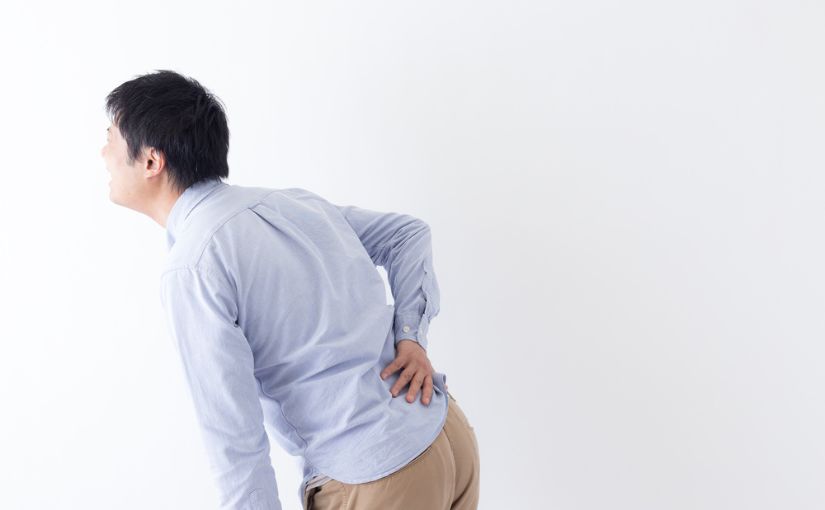
person in a hunch over position because of back pain

Main points:

  • Simian posture is a condition wherein the head pushes forward, the upper back hunches, and the knees remain slightly bent. 
  • Simian posture shouldn’t be taken for granted since it wears down the spine, throws muscles out of balance, and puts uneven stress on the joint. Eventually, it can lead to herniated discs and chronic pain.
  • Chiro therapy takes a hands-on approach to correcting simian posture; working through spinal adjustments, soft tissue work, targeted exercises, and practical guidance on posture and ergonomics.

Simian posture, a forward-flexed trunk with slightly bent knees, is a common posture issue that’s experienced by many. And it’s safe to say that modern-day living contributes to this. 

The good news is that all is not lost for those who are affected by spinal stenosis and its postural consequences like simian posture. This is thanks to chiro therapy, a holistic approach that is known to treat pain, discomfort, and posture problems through targeted hands-on therapies.

What is simian posture? 

Simian posture is when your body starts looking a bit like an ape’s standing position, and it’s way more common than you’d think. 

Here’s what it looks like:

The head tilts forward, sticking out past the shoulders instead of sitting directly above them. Consequently, the upper back rounds, creating a hunched-over curve, and the hips tilt forward and stay slightly bent, and the knees don’t fully straighten, giving a bit of a slouched, crouched stance overall.

Why do people develop simian posture? 

Simian posture usually creeps up on people because of everyday modern habits:

  • Long hours sitting, whether at a desk, in the car, or on the couch
  • Looking down at phones and laptops for extended periods
  • Weak postural muscles from not moving enough or exercising the right muscle groups

The body basically adapts to whatever position it spends the most time in. If you’re hunched over a screen for eight hours a day, your muscles and joints start memorizing that shape.

Why you need to address simian posture

Simian posture needs to be immediately addressed since it puts inappropriate stress on the body. Some of them are as follows: 

  • Increased strain on the spine. When the head tilts forward, the neck and upper back have to work overtime to compensate. In the long run, the said body parts accumulate unnecessary tension and this wears down the joints and discs between the vertebrae.
  • Muscle imbalances and tension. Some muscles get overstretched and become weak (like the upper back), while others get tight and overworked (like the chest and neck). This creates tension and inflammation.
  • Joint stress. The hips, knees, and shoulders aren’t aligned properly, which means uneven pressure on the cartilage and ligaments. That can speed up wear and tear.
  • Pain and discomfort. Headaches, neck pain, upper back pain, and lower back pain.
  • Fatigue. The body burns extra energy just to keep you upright when the posture is off.
  • Long-term degenerative changes. Over years, this kind of strain can contribute to conditions like herniated discs, arthritis, and chronic pain syndromes.

How chiro therapy helps address simian posture

Chiro therapy can address simian posture by adjusting the spine to reduce the pressure on the nerves. It also lessens tight muscles and soft tissue.

If you’re affected by simian posture, expect the following procedures during treatment. 

  • Posture assessment 
  • Spinal adjustments 
  • Manual therapy 
  • Corrective exercises 
  • Postural training 
  • Ergonomic balance 

Posture assessment

Your doctor of chiro begins with a posture assessment. Along the way, checking how far forward your head tilts, how rounded your shoulders are, and where your spine has developed exaggerated curves. Additionally, they identify misaligned vertebrae and muscles that have tightened or weakened from compensating for poor posture.

Spinal adjustments

Spinal adjustments realign your neck and upper back vertebrae, gradually reversing the forward head position and reducing the excessive upper spine curve. With regular sessions, your spine adapts to a certain position and holds that corrected position instead of a slouched, hunched stance.

Manual therapy

Manual therapy releases tight chest and neck muscles while addressing weakened upper back muscles. This soft tissue work doesn’t just fix spinal subluxation and joint subluxation; it also makes it easier for your spine to stay properly aligned between sessions.

Corrective exercises

You’ll also receive corrective exercises to strengthen your upper back, stretch your chest, and stabilize your neck. These movements retrain your muscles in such a way that it supports optimized posture and prevents returning to a compromised state. Your doctor of chiro checks your form to ensure you’re building the right habits.

Postural retraining

Postural retraining teaches you proper sitting, standing, and phone-holding techniques. You’ll learn to adjust your workspace and catch yourself slipping into simian posture throughout the day, maintaining improvements between visits.

Treatment typically spans several weeks to months depending on severity. Mild cases may improve within weeks, while long-standing posture problems need months of consistent care for full correction.

Ergonomic guidance

Your doctor of chiro may educate you on workstation ergonomics: screen at eye level, proper chair lower back support, and 90-degree elbow placement. They also recommend avoiding prolonged sitting and recommend scheduled movement breaks every 30 to 60 minutes that are complemented by posture check-in cues throughout the day. Additionally, they’d encourage you to hold your phones or tablets higher to avoid tech neck and prolonged flexion.

Breaking free from simian posture

Simian posture isn’t just about having a hunched-back look. It can lead to a chain reaction that can affect your whole body. From pain and discomfort to long-term joint damage. This is the reason why it shouldn’t be taken for granted; the longer it goes unaddressed, reversing becomes more challenging. 

Again, all is not lost. With regular chiro therapy, your body can adapt to proper spinal and joint alignment. Through spinal and joint adjustments, proper exercises, and everyday ergonomic changes, you can break free from the slouched, forward tilting that’s been weighing you down and move toward a stronger, more upright posture.

If you’re already dealing with neck pain, upper back tension, or persistent headaches, don’t wait for things to get worse.

Book an appointment at Posture Perfect Chiropractic today. Our team will evaluate your alignment, identify the root causes of your posture issues, and create a personalized treatment plan to help you stand taller, move easier, and feel better. 

A fresh salad featuring grilled chicken, ripe tomatoes, and crisp lettuce arranged in a bowl

Main points: 

  • Staying active past 40 is important, but the body does not bounce back the way it used to.
  • What you eat after physical activity makes a real difference; that’s why it’s best to make sure to consume the right amount of protein, carbs, antioxidants, and electrolytes when working out.
  • Chiro care and proper nutrition work best together. The former addresses structural issues, while the latter handles the biological side of healing.

Getting older doesn’t mean you have to slow down, but your body does need more help bouncing back.

According to the Philippine National Guidelines on Physical Activity (PNGPA), adults aged 46 to 59 should get at least 30 minutes of physical activity every day. This is essential since activities like strength training, brisk walking, tai chi, yoga, and Pilates can improve overall health and well-being.  

On the one hand, physical activity shouldn’t be taken for granted. On the other hand, recovery matters just as much as the activity itself. At the said age range, muscles take longer to heal. Soreness lasts longer, and stiffness can build up fast. 

This is where chiro therapy comes in. The said holistic approach helps the body recover by fixing spinal and joint subluxations, loosening tight muscles, and getting joints moving properly again. Additionally, eating the right foods helps too. Partaking in the right diet cuts down on inflammation and helps rebuild muscle, especially after intense physical activity.

Used together, chiro therapy and good nutrition help older adults stay active, move without pain, and feel their best day to day.

What is chiro therapy

Chiro therapy is a licensed form of health care. It works on the idea that the body can heal itself when given the right support. The main treatment is manual therapy, which means using the hands to work on the body, and the most common technique is spinal manipulation.

Doctors of chiro follow procedures similar to regular doctors. They ask about your health history, check your body, identify the problem, and come up with a treatment plan. Most of the issues they treat involve the muscles, bones, and joints.

Treatment can be as gentle as stretching or sustained pressure or as targeted as a quick, careful adjustment done by hand. These adjustments are most often done on the spine but can also be applied to other joints in the body. Some practitioners also include exercise advice and nutrition tips as part of the overall plan.

How chiro therapy supports muscle recovery

Stiff or misaligned joints force the surrounding muscles to overcompensate. Those muscles get tight and fatigued, and range of motion takes a hit. Chiro adjustments fix the joint first; once it moves properly, the muscles around it stop straining, and tension eases on its own.

For middle-aged adults, this issue comes up a lot after physical activity. Soreness and inflammation may linger longer, minor strains and sprains are slower to heal, and delayed onset muscle soreness (DOMS) can last a day (or even two). Chiro therapy can help by improving blood circulation to sore areas, calming irritated nerves, and realigning the spine and joints. The body simply recovers better when it’s properly aligned.

Results vary, though. Some people feel a difference after one session; others need several. Certain cases also need more than chiro alone. Rest, physical therapy, or medical care may need to be part of the plan. A licensed doctor of chiro can assess your condition and point you in the right direction.

What are the best foods for muscle recovery and how they work 

Effective and efficient muscle recovery for middle-aged folks requires consuming the right amounts of macros (macronutrients). Some of the most notable ones are elaborated below. 

  • Protein 
  • Carbohydrates 
  • Omega-3s 
  • Antioxidants 
  • Electrolytes 

Protein

Protein is an essential nutrient, especially after an extensive physical activity since the muscles use it to repair the “damage” that’s developed after the said activity. Many experts advise consuming 20 to 40 grams of protein after a workout. 

Chicken, eggs, fish, tofu, legumes, and dairy are all good sources. Include at least one in every meal, especially after physical activity.

Carbohydrates

Carbs replenish glycogen, the energy muscles burn during movement. Without enough, the body breaks down muscle tissue for fuel instead. Rice, sweet potato, oats, and whole-grain bread are practical options for active middle-aged adults.

Omega-3s

Some inflammation after activity is normal, but too much slows healing. Omega-3s help keep it in check. Locally, salmon, tuna, and bangus are easy sources. Walnuts and flaxseeds work well for those who prefer plant-based options.

Antioxidants 

Colorful produce delivers antioxidants that support tissue repair. Berries reduce oxidative stress post-exercise. Malunggay and kangkong are rich in magnesium, which aids muscle function. Beets and broccoli round out a recovery-friendly plate.

Electrolytes 

Dehydration slows circulation, nutrient delivery, and waste removal—all critical to recovery. Water remains the best option throughout the day. Coconut water replaces electrolytes lost through sweat. Cucumber, watermelon, and citrus fruits add to fluid intake without extra effort.

Chiro therapy and nutrition: A better approach to recovery

Chiro therapy and proper nutrition work better together than either does alone. Adjustments restore joint movement and ease muscle tension, while the right foods give the body the raw materials it needs to repair tissue and reduce inflammation. One supports the structural side of recovery, the other handles the biological side.

For middle-aged adults, this combination matters more than it did at 25. Recovery takes longer, the body is less forgiving, and small setbacks can add up quickly. Relying on chiro therapy without addressing nutrition—or eating well without dealing with joint and muscle issues—leaves part of the problem unresolved.

Pairing regular chiro sessions with a recovery-focused diet gives the body the best conditions to heal faster, stay active longer, and avoid the kind of stiffness and soreness that slows people down as they age.

Start recovering smarter with Posture Perfect

Getting older does not mean accepting constant soreness or stiffness as part of life. Most of the time, the body just needs the right support, proper alignment from regular chiro sessions and the right food to fuel recovery. Neither requires a dramatic lifestyle overhaul. Small, consistent habits make the biggest difference over time.

At Posture Perfect Chiropractic, we see this firsthand. Middle-aged patients come in dealing with post-workout tightness, nagging strains, or stiffness that just will not go away. After a proper assessment and a care plan tailored to their condition, most of them start moving and feeling better than they expected.

If any of this sounds familiar, come in for a visit. Our licensed chiropractors will take a look at what is going on and figure out the best way to help. 

Book your appointment today.

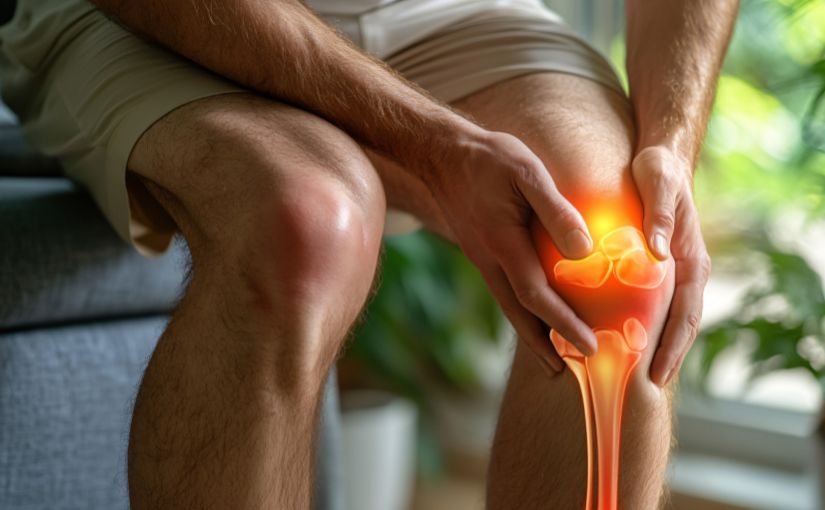
Person holding on to knee because of pain and discomfort

Main points: 

  • With PCA, patients press a button to release a dose of pain medication directly into their bloodstream; no waiting for a nurse. It has built-in limits so patients won’t accidentally overdose.
  • Common PCA side effects include nausea, drowsiness, low blood pressure, and slowed breathing, especially for older patients. 
  • Chiro therapy works on the physical source of the problem using hands-on adjustments to improve how the spine and joints move, rather than simply dulling the pain.

Osteoarthritis (OA) affects 11% of Filipinos aged 60 and above, with this figure projected to double over the next 25 years. This is according to a study that was published on the official website of Studocu. It added that arthritis clinics show that knee OA accounts for 62.5% of diagnosed cases, suggesting the need for safe, effective, and efficient pain management strategies. 

Patients today can choose between two approaches: Patient-Controlled Analgesia (PCA) and chiro therapy. The former enables self-administered medication for quick pain relief, and the latter uses manual adjustments and joint mobilization to address underlying mechanical issues without pharmaceuticals.

Read on to find out which treatment might be the best fit for managing your arthritis pain.

What is PCA and how does it work for arthritis? 

According to Johns Hopkins Medicine, PCA is a pain relief method that lets you control the frequency of your medication intake. This is because you can give yourself small amounts of painkillers instead of waiting for a nurse to bring them to you. Consequently, you experience faster relief and better control over your pain.

Here, a thin tube (IV line) goes into your vein and connects to a machine called a PCA pump. This holds your pain medicine and delivers it straight into your bloodstream. When you experience pain and discomfort, you press a button to get a dose. 

The machine has safety locks built in after you press the button, it won’t let you get another dose until enough time has passed. This way, you won’t take too much medicine by accident. Some patients also get a small, steady flow of medicine all day and night, and nurses check on you regularly to make sure everything is working as it should.

Your doctor sets up the PCA machine specifically for you. They choose which medicine you get, the amount per press, the interval, and the total you can receive in a set period. Their decision is based on your age, weight, how healthy your kidneys and liver are, and how bad your pain is. This personalized approach helps you get good pain relief while keeping you safe.

What are the risks and side effects of PCA? 

PCA pain medicine can cause side effects, including nausea, vomiting, constipation, drowsiness, low blood pressure, and rarely, slowed breathing. If you experience any of these, tell your healthcare team immediately so they can adjust your treatment.

Some patients require closer monitoring with PCA. Older adults often react more strongly to opioid medications, while people with lung problems (asthma, COPD), obesity, or sleep apnea face higher breathing-related risks—all common conditions among arthritis patients. 

What is chiro therapy? 

Chiro therapy is a holistic approach that focuses on how your body is aligned, especially your spine. Chiro doctors use their hands to adjust your body’s alignment and fix spinal subluxation and joint subluxation. If done properly, this can reduce pain by helping you achieve your full range of motion.

The main technique chiro doctors use is spinal adjustment, but they offer other treatments too. These include hands-on therapy for your muscles and joints, teaching you exercises and better posture, and showing you how to sit, stand, and walk in ways that don’t strain your back.

Today, doctors of chiropractic team up with regular doctors, pain specialists, and surgeons to give patients complete care for their pain.

What are the benefits of chiro therapy? 

Chiro therapy’s primary advantage is that it uses no medications. Which means patients avoid opioid-related side effects like drowsiness, constipation, addiction, and breathing problems that can occur with PCA. 

If you’re worried about taking strong medications or you’ve had negative reactions before, the said holistic approach provides a completely different option.

Studies show that patients with muscle and joint pain who receive chiro therapy often need less pain medication, including fewer opioids. While it may not replace all medications in severe cases, many patients can reduce their medicine use when combining chiro treatment with your overall pain management plan, resulting in fewer side effects and lower health risks.

Why chiro therapy is the better choice for arthritis care

Chiro therapy is heralded by many as the better choice for arthritis care because of a number of reasons. They’re elaborated in the succeeding paragraphs. 

Targets the source, not the symptom

Doctors of chiropractic work on how your spine and joints move, balance your muscles, and correct your posture. All of which help take pressure off arthritic joints and make it easier to move.

Instead of masking pain and discomfort with painkillers and anti-inflammatory drugs, chiro therapy fixes the physical problems that cause the pain in the first place. This means it can work alongside your other arthritis treatments to give you better overall results.

Better fit for long-term management

Since arthritis is a long-term condition, chiro care fits naturally into ongoing treatment. You visit a chiropractic clinic regularly over weeks or months, and you can keep it as part of your daily pain management routine for as long as you need it.

PCA, on the other hand, is meant for short periods of severe pain like right after joint replacement surgery or during a bad flare-up that puts you in the hospital. It’s not designed for the day-to-day management of arthritis that most patients deal with at home.

Take control of arthritis pain

Both PCA and chiro therapy offer worthwhile solutions for arthritis pain. However, they serve different purposes. PCA provides powerful, short-term relief, especially during severe pain episodes or after surgery, while chiro therapy addresses the root causes of your pain for long-term management without medications or their side effects.

Choosing the right treatment approach can mean the difference between simply masking pain and actually improving how your body feels. Simply put, chiro therapy offers a safe, drug-free path that works with your body’s natural healing abilities, making it an ideal choice for managing arthritis-related discomfort.

Ready to explore a drug-free approach to arthritis relief? Book an appointment with Posture Perfect Chiropractic today

Our experienced team will assess your condition, discuss your pain management goals, and create a personalized treatment plan designed specifically for your needs.

Can chiro care replace pain medication for arthritis?

You may be able to lower your pain medication dosage with chiro treatment. Many combine it with their regular treatments so they can take fewer opioids and experience fewer unwanted effects from medications.

When should PCA be used for arthritis?

PCA is best used during severe pain episodes, such as after joint replacement surgery or during hospitalization for acute flare-ups.

Can I combine chiro care with other treatments?

Yes, chiro therapy is often used alongside medical treatments, physical therapy, and lifestyle changes to achieve an optimum arthritis management plan.

Person sitting on the floor, head in hands, expressing distress or deep contemplation.

Main points: 

  • Pain medications are usually prescribed fro cancer pain relief and you need to take them regularly to maintain steady pain relief.
  • Diagnostic procedures like biopsies, contrast scans, and spinal taps, are not pain-free. They can hurt in the moment or leave you aching afterward.
  • Chiro therapy is starting to get more attention in cancer treatment as a drug-free way to manage cancer-related pain.

In the Philippines, pain and discomfort among cancer patients is a serious problem that’s often neglected. A study that was published in the Health Research and Development Information Network (HERDIN), the official repository for health and health-related research in the Philippiines, suggests that on average cancer patients only get about 32% relief from their pain even when they’re on medication. Consequently, their sleep suffers, they can’t find mental peace, and their overall quality of life takes a serious hit.

Right now, most cancer pain treatment relies heavily on NSAIDs (common anti-inflammatory painkillers), while stronger opioid medications like morphine are used by less than 1% of patients—way below what medical guidelines say should be happening. This lack of proper treatment shows we desperately need additional options that can actually help close this gap.

The good news is that chiro therapy is starting to get more attention in cancer treatment as a drug-free way to manage cancer-related pain. This article takes a closer look at how the said holistic approach aids in cancer pain relief. Read on. 

What is cancer-related pain?

Cancer-related pain is generally any pain and discomfort that comes from the cancer itself, the treatments involved, or the tests performed for diagnosis. It can be acute or chronic, mild or intense. In certain cases, it can shift as you go through treatment and recovery. 

Also, pain develops when tumors press against bones, nerves, or organs, or when cancer spreads into bones or other body parts. Surgery, chemo, radiation, and some medications can hurt too, in different ways and different places.

Some people only hurt once in a while. Others live with constant pain that makes it hard to sleep, drains their mood, and gets in the way of normal activities. The good news is that even when cancer can’t be cured, most pain can be brought down to manageable levels with the right combination of treatments.

What causes cancer-related pain?

Pain from cancer doesn’t usually have just one cause. That’s why doctors take time to figure out what’s really going on before they recommend a plan. Knowing where the pain is coming from helps them decide whether you need medication, a procedure, rehab, or something else entirely.

The cancer itself hurts when tumors get big enough to invade or squeeze the tissues around them. That might mean:

  • Bone pain if the cancer spreads to the bones.
  • Headaches, migraine-like discomfort, or neurological problems if tumors press on your spine or brain.
  • Stomach or pelvic discomfort when organs inappropriately become stretched or inflamed. 

Treatment, though obviously beneficial, brings some kind of pain as well. For instance, surgery leaves soreness in the incised area. Chemotherapy can give you achy joints, nerve damage, or mouth sores, among others. Radiation treatment may irritate the skin, stiffen tissues, or lead to sudden bursts of pain. 

Diagnostic procedures like biopsies, contrast scans, and spinal taps, are not pain-free. They can hurt in the moment or leave you aching afterward. Plus, there may be cases when nerve and tissue damage lingers, causing chronic pain, even after the cancer is already gone or managed. 

What are the limitations of pharmacologic pain management? 

Pain medications are usually prescribed and you need to take them regularly to maintain steady pain relief; they may be taken in higher doses when breakthrough pain takes place. However, they may not always work as planned. Plus, they come with problems that can sometimes feel as challenging as the pain itself.

Here’s what may happen when you’re under medication: 

  • Stubborn pain types that resist medication
  • Breakthrough pain creates its own problems
  • Tolerance builds over time

Stubborn pain types that resist medication:

  • Nerve pain is incredibly hard to control with standard pain meds
  • Bone pain often doesn’t respond well to pills alone
  • You might get some relief but still deal with constant low-level discomfort that never fully goes away

Breakthrough pain creates its own problems:

  • Sudden pain spikes blow right through your regular medication schedule
  • You’re left hurting and waiting for rescue doses to kick in
  • These flares are unpredictable and can happen anytime

Tolerance builds over time:

  • Your body adjusts to the medication
  • You need higher doses to get the same relief you used to get
  • Higher doses usually mean worse side effects

What is chiro therapy in cancer pain management? 

When it comes to cancer pain management, patients are often confused to what doctors of chiropractic do. Read on for an explanation of what the said holistic treatment is, and what it’s not.

What doctors of chiropractic do

  • Doctors of chiro are extensively trained to diagnose issues that arise in the spine, joints, bones, and muscles. 
  • They perform hands-on methods that include but are not limited to spinal adjustments, joint mobilization, soft-tissue massages
  • Their primary goal is to manage pain, allow your body parts like shoulder to reach its full range of motion, and improve functional body patterns. 
  • They offer exercise recommendations and movement guidance together with posture and ergonomic advice

What doctors of chiropractic don’t do

  • Doctors of chiro don’t treat cancer itself.
  • They cannot cure cancer.
  • They don’t replace chemotherapy, radiation, surgery, or any proven cancer treatment.
  • They’re not oncologists and don’t pretend to be.

Where chiropractic fits in cancer care

  • Chiro therapy is one of several complementary therapies that can work alongside your main cancer treatment
  • It’s a complementary treatment that falls in the same category as physical therapy, acupuncture, and the like.
  • The focus is on managing side effects and keeping your quality of life as good as possible during treatment.

Finding the right clinic for cancer pain management

Not all chiro therapy clinics are created equal; chiro practitioners should have undergone proper training to ensure that they can work with cancer patients in the most effective, efficient, and safe way possible. Here’s what to look for when looking for one. 

Green flags 

  • Willing to communicate with your medical team.
  • Asks extensive questions about diagnosis, medications, treatments, and other medical matters.
  • Employs gentle, modified techniques instead of high-intensity adjustments.
  • Understands that your form of treatment may change on a whim, based on how your body responds to treatment e.g. chemotherapy, radiation, and the like.
  • Honest about what chiro therapy can and can’t do for cancer patients. 

Red flags

  • Recommends skipping conventional medical treatment and exclusively use chiro therapy for cancer treament. 
  • Promises that chiro therapy can cure cancer.
  • Pressures you into long-term treatment.
  • Doesn’t ask about bone or joint health before adjusting. 

Read our article on finding the right chiro clinic: Navigating Chiropractic Therapy: A Guide to Clinic Selection

Adding chiro therapy to your cancer treatment plan

Pain management has taken the back seat when it comes to cancer treatment. Consequently, standard options like nonsteroidal anti-inflammatory drugs (NSAIDs), adjuvant medications (e.g. steroids), and opiods are beneficial to many, but fall short for others. This leaves them with ongoing pain, poor sleep, and lower quality of life. 

This is where chiro therapy comes. Bear in mind that the said holistic approach shouldn’t be used as a replacement for cancer treatment, but only a complementary treatment for pain management. 

Are you or a loved one struggling with cancer-related pain? Don’t let discomfort control your life. At Posture Perfect Chiropractic, we specialize in safe, gentle, and effective chiro care designed to complement your cancer treatment and improve your quality of life.

Book an appointment today.

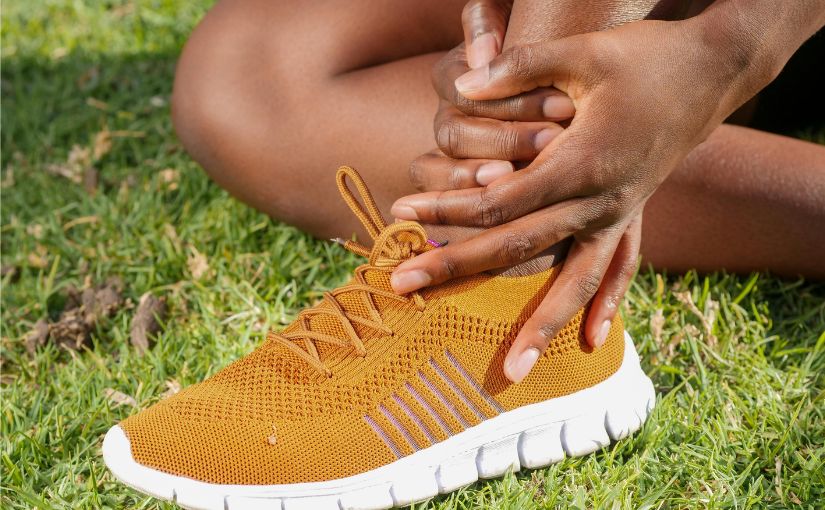
A person seated on grass, grasping her foot, appears to be in discomfort.

Main points:

  • A partial Achilles tear takes place when the tendon that connects your calf muscles to your heel bone is damaged but not entirely torn.
  • A partial Achilles tear can be treated with surgery or no surgery, and it all boils down to age, and activity level.
  • When opting for chiro therapy, choose a chiro clinic with sports and musculoskeletal rehab expertise—one whose staff can assess, adapt, and guide your recovery from start to finish.

Partial Achilles tears are some of the most commonly overlooked injuries among athletes, weekened warriors, and the like. They’re also frequently misdiagnosed as severe tendinopathy instead of structural damage. Data from Sage Journals suggests that adolescents as well as young adults with partial tears return to physical activities within about 5.6 months versus 6.6 months for complete tears, but nearly half experience complications during recovery.

The good news is that holistic methods like chiro therapy can improve outcomes. It can address the injury site as well as compensatory movement patterns that develop due to the said condition. This can reduce re-injury risk through soft tissue therapy, joint mobilization, and targeted exercises that can strengthen the muscles around the Achilles tendon. Read on to find out more. 

What is a partial Achilles tear? 

A partial Achilles tear takes place when the tendon that connects your calf muscles to your heel bone is 

damaged but not entirely torn. Because some fibers are still intact, the injury is easy to miss or confuse with other conditions. Most people feel a sudden sharp pain at the back of the ankle, sometimes with a popping sensation, followed by swelling and stiffness that gets worse with movement.

Most tears happen in a spot roughly two to six cm above the heel, an area with poor blood flow that heals slowly and is prone to reinjury. Common causes include overuse, ramping up training too quickly, worn-out footwear, and tight calf muscles.

What are the causes of a partial Achilles tear? 

According to Johns Hopkins Medicine, a partial Achilles tear may be caused by tendonitis and rupture. 

Tendonitis

Tendonitis occurs when the tendon is overused or is subjected to repeated stress. This can cause pain along the back of the leg, and around the heel. The tendon may feel thicker or harder, a symptom that may mean that damage is accumulating. 

There are two types of tendonitis: 

  • Noninsertional tendonitis damages the middle part of the tendon, the region where small tears gradually break down the fibers and cause pain and swelling. It’s common among younger, more active individuals.
  • Insertional tendonitis happens where the tendon meets the heel bone. Bone spurs can develop here, and unlike the noninsertional type, it can affect anyone regardless of activity level.

Rupture

Rupture takes place when the tendon fibers tear partially or completely. A pop at the back of the heel or calf is a common warning sign and needs prompt medical attention.

What are the symptoms of a partial achilles tear? 

Achilles tendon injuries usually come with recognizable symptoms: 

  • Leg pain (back region) or near the heel, especially during strenuous activity.
  • Morning stiffness and soreness.
  • Swelling and tenderness in the leg and heel region. 
  • A tendon that feels thicker or harder than usual
  • Difficulty moving the foot. 
  • Bone spurs on the heel in more advanced cases.
  • A sudden pop followed by sharp pain, which may signal a complete rupture requiring immediate care.

What are conventional treatments for partial achilles tear? 

Treatment for partial Achilles tear is based on your age, physical fitness level, and severity. Younger, more active patients, especially athletes and even weekend warriors, tend to opt for surgery, while older (34 and above) and less active individuals can go on with their regular activities without surgery. 

Without surgery, treatment typically involves:

  • Wearing a walking boot with a heel wedge or a cast to keep the tendon stable
  • Using crutches to stay off the injured leg
  • Icing the area and taking over-the-counter pain relievers

Nonsurgical treatment carries no surgical risks, though it may slightly increase the chance of re-rupture. Early movement and gradual weight-bearing during rehab have been shown to support faster healing.

Surgery involves stitching the torn tendon back together through an incision at the back of the lower leg. Donated tissue may be used if the tendon is badly damaged. Minimally invasive techniques are now preferred, as they carry a lower risk of infection compared to open procedures.

Whether you have surgery or not, physical therapy plays a key role in rebuilding strength in the leg and Achilles tendon. Most people are able to return to their previous activity level within 18 to 24 months.

What is the role of chiro therapy in partial achilles tear treatment? 

Chiro therapy is a proven complementary treatment for managing lower-limb injuries, which includes tendon rehab. With regard to partial Achilles tears, it works best as a part integrated care system, which involves physical therapy, and not a stand alone treatment. 

The said holistic approach works best in cases where the tear is stable, and you need to obtain clearance for conservative rehab. 

What a doctor of chiro focuses on:

  • Load management. Guiding how much stress is placed on the tendon at each stage of recovery to promote healing without risking re-injury.
  • Progressive exercise. Introducing personalized, graduated movements that rebuild tendon strength and function.
  • Biomechanical correction. Identifying and addressing movement imbalances in the foot, ankle, knee, and hip that contributed to the injury or developed as a result of it.
  • Ergonomics. Advising on daily movement patterns that minimize inappropriate strain on the healing tendon. It may include guidance on the way you walk, stand, and set up your workstation. 

Tendon recovery is a gradual process, and chiro therapy is most effective when it supports that process with evidence-based methods rather than rushing it.

What are common chiro therapy treatments for partial Achilles tear? 

There’s more to chiro therapy than pain relief. Below are some of the treatment methods that are involved in Achilles tear treatment. 

  • Soft tissue therapy 
  • Joint manipulation 
  • Progressive loading exercises

Soft tissue therapy

Soft tissue therapy is a chiro therapy approach that can support Achilles tear recovery. It’s a manual hands-on approach that’s performed on the tendons, muscles, and connective tissues around the injury. If properly done, they can reduce pain, improve movement, and create better conditions that may promote healing. 

Joint manipulation

Doctors of chiro and adjust the spine to fix spinal subluxation, and the joints to get rid of joint subluxations. Along the way, chiro therapy restores the mechanics of the ankle, foot, hip, and knee to improve overall function. This helps prevent other parts of the leg from compensating for the injured tendon, which can lead to further strain or secondary injuries.

Progressive loading exercises

Once the initial inflammation dies down and the tendon starts to heal, your chiropractor will ease you into a structured exercise program. This typically includes isometric holds, resistance band exercises, and wobble board work, all carefully paced to rebuild strength and stability without overstressing the tendon.

Recovery from a partial Achilles tear requires the right team behind you. Look for a chiro clinic with a strong background in sports injuries and musculoskeletal rehabilitation. Their personnel should be highly trained not just to perform the procedures mentioned above, but to assess your movement patterns, identify contributing factors, and adjust your treatment plan as your recovery progresses.

Getting back on your feet after a partial Achilles tear

A partial Achilles tear is easy to miss, but that does not make it any less serious. Cases that linger or keeps coming back are worth getting checked. The earlier you seek care, the better your chances of a smooth recovery. At Posture Perfect Chiropractic, we work with patients at every stage of musculoskeletal recovery–from first assessment to full return to activity. 

Book an appointment today and get the support your recovery needs.

Medication with prohibition sign, suggesting drug-free

Main points: 

  • Many Filipinos choose to endure pain and discomfort due to fear of medication side effects or dependency.
  • In response to the painkiller problem, major medical organizations have strengthened their guidance to emphasize non‑opioid and non‑drug approaches to pain.
  • Chiro therapy is a holistic approach that has become more common in the Philippines as licensed doctors of chiropractic are officially recognized by the Philippine government.

Many Filipinos deal with chronic pain, but they’re also hesitant to take pain medications, especially strong ones because of side effects, addiction, or a desire to remain “matapang” and not complain. 

Consequently, many choose to simply endure the pain and discomfort instead of taking medicine, which means that pain isn’t properly treated. This makes safe, drug-free pain relief options especially valuable in the Philippines. 

This is where chiro therapy comes in. This holistic approach has become more common in the Philippines as licensed doctors of chiropractic are officially recognized by the Philippine government through the Philippine Institute of Traditional and Alternative Health Care (PITAHC). Read on to find out how the said holistic approach can help manage your pain without surgery or long-term medication. 

Why nonpharmacologic pain management matters

In the US, about 48.4 million people had a substance use disorder in 2024, with painkillers a contributory factor due to its addictive effect. Additionally, statistics suggest that many Americans overdoes with painkillers. Because of this, the US government started to rethink how pain should be treated.

In response to the painkiller problem, major medical organizations have strengthened their guidance to emphasize non‑opioid and non‑drug approaches to pain. For example, the CDC’s opioid prescribing guideline advises maximizing nonpharmacologic and nonopioid therapies for subacute and chronic pain and reserving opioids and other pain meds for situations where benefits clearly outweigh risks.

What is chiro therapy and what does it involve? 

Chiro therapy is a hands-on, drug-free, and surgery-free approach to pain management. But, its benefits don’t stop at pain relief. While its primary focus is eliminating spinal subluxation and joint subluxation, which in turn, can help relieve pain and reduce nerve irritation, it can also allow you to improve your range of motion

Chiro treatment goes beyond just spinal adjustments. It’s safe to say that it’s a complete, conservative care plan that may also include:

  • Soft tissue therapies like massage, trigger point therapy, and stretching to release tight muscles and reduce inflammation.
  • Postural education to help you improve how you sit, stand, and move throughout the day.
  • Home exercises to strengthen supporting muscles, improve flexibility, and prevent pain from coming back.

A Whole-body approach to pain relief

Chiro therapy is not just for pain relief. Many doctors of chiro also integrate exercise programs, ergonomic advice, nutrition planning, and lifestyle counseling to address the root causes of pain and keep you optimize your overall health and well-being.

How chiro therapy reduces pain without drugs

The spinal adjustments that are included in chiro treatment activate a number of effects in the body that work hand in hand to reduce pain and restore function. They are known to reduce pain through the following effects: 

  • Joint receptor activation
  • Pain signal reduction
  • Natural pain relief

Joint receptor activation

The spine is composed of mechanoreceptors that monitor movement, joint position, and the like. During chiro adjustment, they fire rapidly, bombarding the nervous system with movement signal that momentarily override pain signals that travel in the nerve pathways. 

Pain signal reduction

Chiro spinal manipulation improve blood circulation and dampens pain transmission at the spinal cord even before signals reach the brain. In line with this, it activates descending pathways that signal your nervous system to suppress pain signals from the treated body part.  

Natural pain relief

Chiro adjustments are known to trigger the body to release endorphins (hormones that are heralded as natural painkillers), and encourage the production of other pain-regulating chemicals like serotonin (hormones that are known to promote happiness. It can be said that the said adjustments can create a biochemical environment that supports pain management. 

Why chiro therapy works

These mechanisms reinforce each other: immediate nerve-level pain relief enables better movement, improved biomechanics reduce tissue irritation, and over multiple sessions, your nervous system adapts for lasting change. This explains both quick symptom relief and progressive improvement through ongoing care.

What are the side effects of chiro therapy

When performed by trained, licensed, and experienced doctors of chiro, spinal manipulation is generally safe and effective. This is most true if you have lower back pain, neck pain (e.g. tech neck), and shoulder pain. However, it should be noted that it also carries some side effects. 

Soreness at the adjustment site

After a chiro session, you might feel muscle soreness on the treated area, and it may last from half a day to two days. Bear in mind that the sensation is similar to post-workout muscle soreness and this happens since your body hasn’t adapted to the muscle changes and improved joint movements. 

Fatigue

You might feel tired, lethargic, or even sleepy after an adjustment and this happens because your nervous system hasn’t adjusted to the changes. This typically lasts for a few minutes and you may feel increased energy afterward. 

Mild headache or dizziness

Adjustments (particularly neck adjustments) can cause brief, mild headaches or light dizziness. These symptoms are uncommon and usually resolve within hours.

These minor side effects don’t require medical attention and shouldn’t interfere with your daily activities. Your chiro doctor can advise you on using ice, gentle stretching, or over-the-counter pain relief if needed.

If you’ve been experiencing pain as well as discomfort as of late, and want to avoid relying on medications long-term, chiro therapy could be just the thing for you. It works for both new injuries and ongoing pain that’s been bothering you for months or even years. Instead of just covering up the pain, the said holistic approach addresses the root cause through drug-free methods.

However, not all chiro facilities are created equal. Finding the right clinic that’s composed of personnel who have undergone the right training, proper licensing, and real experience makes all the difference. Remember, you’ll get better results with fewer side effects when you’re in capable hands.

We’ll help you feel better

At Posture Perfect Chiropractic, our licensed doctors understand what Filipino patients need because we see it every day. Back pain keeping you up at night? Neck stiffness from too much screen time? Shoulder pain limiting what you can do? We’ll create a treatment plan that’s tailored to you and your condition—not a one-size-fits-all approach.

Ready to try drug-free pain relief that actually works? We’d love to help you get back to feeling like yourself again. Book an appointment today.