
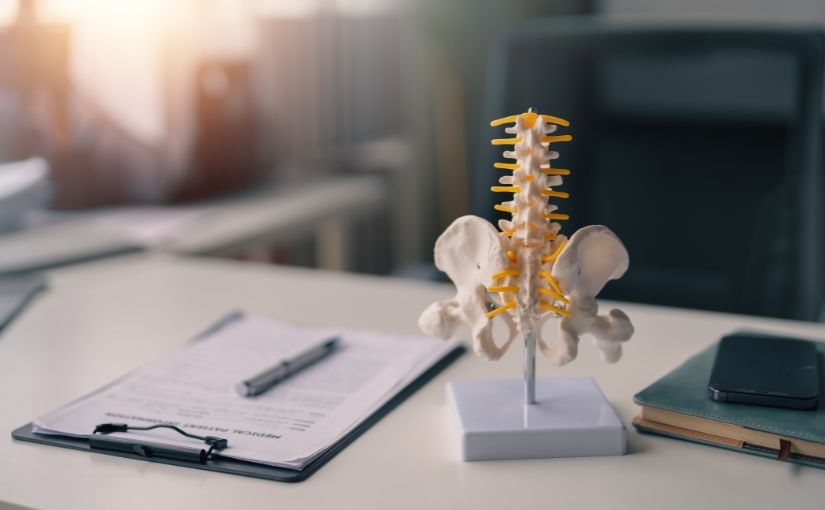
Desk with model of spine

According to the World Health Organization, there are 1.71 billion individuals across the globe who are affected by musculoskeletal issues. When dealing with the said ailments, there are two options that stand out: chiro therapy and physical therapy. These healthcare methods are among the most popular treatments among Filipinos for pain management, improving mobility, and other related issues.

Pain management has become essential in the Philippines as chronic pain remains one of the most prevalent health issues in the country. A study published in the National Library of Medicine supports this claim. 83.8% of the participants mentioned that they were affected by chronic pain, with severity breaking down as 16.2% pain-free, 56.5% very mild to mild, 21.7% moderate, and 5.6% severe.

On the one hand, the two mentioned approaches share some similarities. On the other hand, they also come with varying techniques, ideologies, and the like. Given these differences, the question remains: which is better? Chiro therapy or physical therapy.

What is Chiro Therapy? 

Chiro therapy is a holistic approach that taps the body’s unique capacity to heal itself. Treatment is performed by a licensed chiro, and it includes manual therapy, spinal manipulation, soft tissue massage, and flexion-distraction therapy. Included in the treatment are exercise guidance, nutrition counselling, and ergonomic assistance.

Doctors of chiro undergo extensive training that focuses on treating musculoskeletal issues. Patients who visit chiro doctors are those who experience low back pain, neck and shoulder pain, and headaches.

Simply put, the said holistic treatment generally offers a safe as well as cost-efficient procedure for a range of musculoskeletal problems. 

How does Chiro Therapy Work?

Doctors of chiro use hands-on adjustments and physical techniques to free up stiff joints, loosen tight muscles, and reduce pain. It can pave the way to the following:

  • Spinal Manipulation
  • Nervous System Enhancement
  • Pharmaceutical-free Healing

Spinal Manipulation 

According to Science Direct, spinal manipulation involves passive mechanical movement that is specifically directed at a distinctive spinal joint or joint segment. This is performed in an effort to reduce pain, reduce movement, and so forth. Furthermore, it’s a low-amplitude and high-velocity undertaking that is carefully performed at the end of a patient’s spinal range. 

Studies suggest that the pain relief that is achieved through the said procedure is achieved through reflective relaxation of soft tissue and proprioceptive input to the spinal cord to alleviate discomfort. 

Nervous System Enhancement  

The spinal manipulation as well as soft tissue massage that is performed by a chiro doctor has a positive impact on the nervous system. If properly implemented, it can restore the optimum function of the nervous system. 

When performed correctly, chiro therapy can provide the following benefits:

  • Boost mobility. Less tension means you can actually move without stiffness. Reaching for things, bending over—it all gets easier.
  • Reduce or eliminate pain. This one’s obvious. Adjustments take pressure off pinched nerves, so the pain just goes away.
  • Improve cognition and clarity. When you’re not constantly dealing with pain, your mind just works better. It’s hard to focus on anything when your neck or back’s bugging you.
  • Lower heart rate. Proper alignment actually calms your nervous system down. You’ll notice you’re not as tense or on edge.
  • Increase vitality. Stop fighting pain all day and you’ve got way more energy. Your body isn’t wasting resources on damage control anymore.
  • Amplify balance and coordination. Your body gets better at knowing where it’s in space. You’ll feel more stable, whether you’re walking or doing everyday tasks.
  • Promote sleep quality. Without all that physical tension keeping you wired, you fall asleep faster and sleep deeper. It’s that simple.

Pharmaceutical-free Healing 

Chiro care delivers natural healing that extends way beyond simple pain management in an effort to encompass overall wellness as well as prevention. Doctors of chiropractic utilize different kinds of pharmaceutical-free techniques that include spinal manipulation, soft tissue therapy, chiro massage, exercise recommendations, lifestyle counseling, and so forth. All these can help patients achieve and, at the same time, maintain optimum health. 

This extensive approach can address immediate symptoms and also prevent future health issues by fixing subluxation (a condition where a joint or organ encounters partial or full misalignment) and maintaining optimum body function.

Simply put, by concentrating on the spine’s connection to the nervous system, chiropractic can play a significant role in improving communication between the brain as well as the body. This, in turn, enhances the healing process and simultaneously strengthens the immune system.

What is Physical Therapy Used For?

Physical therapy, AKA physiotherapy, is a form of medical treatment that can help improve overall function, range of motion, and quality of life. Here, a licensed therapist may utilize massages, exercises, and physical stimuli (cold, heat, electrical currents, etc.). Like chiro treatment, the goal of this approach is to relieve pain, improve certain body movements, and strengthen injured or weakened muscles. 

In the long run, it can also lessen or eliminate the need to take pain medications. Also, for some patients, physical therapy can delay or totally prevent surgery altogether. 

What are the Key Aspects of Physical Therapy

The key aspects of physical therapy are designed to manage pain and restore function. They’re explained in the succeeding paragraphs. 

  • Movement Analysis 
  • Manual Therapy
  • Therapeutic Exercises

Movement Analysis 

In simple terms, movement analysis is a clinical analysis of how an individual moves. Usually, a referring general physician requests it. In many cases, the referring physician may require the assistance of a physical therapist (PT) or physiologist to identify the source of pain, discomfort, injury, etc.

Manual Therapy 

Manual therapy is a kind of physical therapy wherein a PT puts just the right amount of pressure on the bones as well as soft tissues of patients. This is done in an effort to relieve tension, mobilize joints, decrease pain, among other benefits.

If properly performed, it can help enhance the function of certain body parts, especially after an injury. Some forms of manual therapy are performed using the bare hands of therapists, while others require the use of specialized devices. 

Therapeutic Exercises

According to Physiopedia, therapeutic exercises involve certain movements that are specifically prescribed to patients in an effort to fix impairments, restore musculoskeletal function, and maintain a good state of well-being. 

People use it to heal and/or avoid injuries, as well as enhance their functional movements. It’s worth noting that the scientific evidence showcasing the beneficial impacts of these exercises is unparalleled. While there are risks, the benefits, particularly among a vast majority of adults, outweigh them.

When to See a Chiro Doctor

From chronic pain to compromised mobility, there are telltale signs that indicate certain individuals should visit a chiro doctor. Some of them are elaborated below:

  • When Spine Issues are Encountered
  • When Work-related Pain is Developed
  • When Engaging in Sports and Other Physical Activities

When Spine Issues are Encountered 

Patients who experience acute and chronic spine issues that limit their movement are encouraged to visit a chiro doctor. He or she can assess the said condition and then provide adjustments that can improve movements. Some chiropractic doctors can also treat neck and shoulder pain, hip pain, and so forth. 

When Work-related Pain is developed

Work-related pain and discomfort, especially for individuals who spend extended hours sitting and working at a desk and performing repetitive movements, is a key indicator that it’s high time to visit a chiro doctor. 

Remember, poor posture, prolonged sitting, and repetitive stress injuries—especially if neglected—may pave the way to different musculoskeletal issues that chiro practitioners are equipped to address. Furthermore, on top of treatment, they can also give science-approved guidance regarding appropriate ergonomics, stretching exercises, and lifestyle changes that can help prevent the said ailments from developing in the near future. 

When Engaging in Sports and Other Physical Activities 

Contrary to many beliefs, chiropractic is not just for ordinary joes and plain janes. It’s also for those who engage in sports and other strenuous physical activities. That being said, athletes, weekend warriors, and generally physically active individuals should seriously consider incorporating chiropractic visits into their maintenance routines. This is especially true for individuals who struggle with muscle stiffness, range of motion challenges, recovery issues, and other related issues.

Chiro doctors possess extensive skill sets and knowledge that are necessary to help enhance joint mobility, boost physical performance, and reduce the risks of future injuries by means of specialized adjustments as well as therapeutic workouts. For this reason, a significant number of athletes make it a point to incorporate the said holistic method into their training regimens. 

Prior to treatment, the said chiro doctors may perform spinal range of motion analysis, neurological screening, spinal subluxation examination, and the like. 

When to See a Physical Therapist

Individuals who are experiencing pain that limits their capacity to walk, run, sit, or engage in regular work or recreational activities may need to visit a physical therapist. The good news is that they can opt for a home therapist if their condition makes it difficult for them to go to the hospital or clinic. 

Post-surgical rehab is one of the most common reasons why patients consult a physical therapist. Procedures that include but are not limited to joint replacements, spinal injury, and ligament repairs can be effectively and safely treated with physical therapy. 

Partaking in the said medical program at an appropriate time post-surgery, as recommended by a surgeon or general physician, can significantly improve surgical and/or medical interventions, cut down the probability of complications, speed up the healing process, and so forth. Physical therapists are known to work with surgeons to ensure that protocols that are specifically designed to help patients progress through their rehab program are religiously followed.

What to Consider When Choosing Between Chiro Treatment and Physical Therapy

Choosing between chiro therapy and physical therapy depends on a number of factors. They’re explained below.

  • Treatment Goals 
  • Time Commitment 
  • Insurance Coverage 
  • Personal Preferences

Treatment Goals

Need quick relief from acute pain? Chiropractic works fast; adjustments often show results within a few sessions. If you’re working toward long-term recovery or rebuilding strength after surgery, physical therapy’s gradual, progressive approach is better suited.

Time Commitment

Chiro visits are short (30–45 minutes) but frequent (2–3 times weekly). Physical therapy runs longer and includes home exercises between sessions. If you prefer concentrated, clinic-based treatment, chiropractic fits better. If you’re willing to commit to home workouts, physical therapy offers more comprehensive recovery.

Insurance Coverage

In the Philippines, most HMOs classify chiro therapy as alternative medicine and don’t cover it—you’ll pay out-of-pocket. Physical therapy is often covered or partially covered. Check your specific plan, then calculate your total cost based on estimated treatment duration for each option.

Personal Preferences

Are you comfortable with spinal manipulation, or do you prefer a gentler approach? Will you actually do home exercises, or would you rather have clinic-based treatment? Be honest with yourself about what you’ll stick with—it matters more than the treatment type itself.

Why is a Chiro Doctor More Expensive Than a Physical Therapist? 

In the Philippines, chiro therapy price is indeed a lot higher compared to physical therapist rates. This stems from a myriad of factors. For one, chiro doctors are usually recognized as more specialized healthcare practitioners. Plus, their medical requirements are more extensive, and their treatment programs may require fewer sessions. Furthermore, in the Philippines, health insurance or health maintenance organization (HMO) packages do not include chiro treatment.

In the country, chiro therapy is categorized as alternative medicine, and because of this, an entity that employs the said holistic treatment cannot obtain accreditation from Philippine-based HMO service providers. Consequently, the mentioned service providers do not offer coverage for expenses that are related to chiro. The long list includes, but is not limited to, treatment sessions, consultation fees, and even diagnostic procedures.

On top of the said factors, there are other reasons that make the said holistic route more expensive. Some of them are as follows: 

Focus on Spinal and Joint Manipulation

Chiro therapy primarily focuses on spinal adjustment and joint manipulation. Due to the fact that it offers a highly focused as well as specialized approach, it makes it a lot different from physical therapy’s, say, more diversified treatment methods. Methods, which usually involve a wide range of exercises as well as therapeutic techniques. 

Education and Training

Chiro therapy prices are a lot higher compared to physical therapy because of the extensive educational requirements of chiro doctors. This added depth is one of the determining factors of their higher service rates. 

Treatment Duration 

Although chiro visits tend to be briefer and concentrate on specific adjustments, physical therapy sessions generally run longer to accommodate comprehensive exercise routines and hands-on treatments, which can influence the price differences between these two types of care.

Is it Better to See a Chiro Doctor or Physical Therapist? 

Both chiro therapy as well as physical therapy deliver endless benefits for individuals who want to achieve safe, effective, and efficient pain relief that is coupled with improved mobility. In line with this, the right choice is relative and is based on objectives, personal preferences, and existing conditions. 

However, if you yearn for fast and lasting pain relief, it’s safe to say that you cannot go wrong with chiro treatment. This holistic form of medicine can address the root cause of pain and discomfort, which means that its benefits extend way beyond determining and managing symptoms.

Simply put, by opting for chiro therapy, you can enjoy a natural as well as comprehensive healthcare method that can complement both immediate concerns together with long-term health goals. 

Looking for a chiro doctor who can help you achieve pain relief, improved mobility, and the like? Visit us at Posture Perfect Chiropractic and find out for yourself why this  form of treatment is the preferred healthcare option of many. 

Book an appointment now. Our friendly and knowledgeable personnel will get back to you and will guide you throughout your chiro journey.


Three smartphones displaying different user interface screens for a health and medication tracking mobile application.

Main points: 

  • Posture apps can be helpful since they remind you to get up and move, show you what good alignment looks like, and walk you through some stretches.
  • Holding the same posture for hours builds stress on your muscles. Your neck tightens, shoulders stiffen, lower back aches, hips feel cramped. Even your wrists can hurt.
  • Chiropractic therapy fixes the physical issues holding you back and helps you build better habits.

According to MIMS Group, a Singapore-based healthcare information provider, the Philippines is dealing with a “sitting epidemic.” Office workers, people working from home, anyone with a brutal commute; they’re all spending most of their day glued to a chair staring at a screen. Urban employees in corporate and business process outsourcing (BPO) settings get hit especially hard.

When sitting all day, your posture experiences a decline fast. You slouch. Your head creeps forward. Your shoulders round out. Maybe your desk isn’t set up right either. All that adds up to real stress on your neck, shoulders, and lower back. Stick with it long enough, and you’re looking at stiffness, weak muscles, pain, and the kind of nagging musculoskeletal issues that just won’t go away.

Consequently, many Filipinos are turning to posture apps and chiropractic care. Posture apps can be helpful since they remind you to get up and move, show you what good alignment looks like, and walk you through some stretches. Chiropractic care can be part of managing neck or lower-back pain on a personal level. 

Read on to find out how the said apps and the said holistic care can help address a sitting epidemic. 

Why posture matters beyond appearance

There’s more to posture than just aesthetics. It can actually play a key role in making the most of everyday tasks and improving overall health. Read on. 

  • Posture can influence everyday comfort
  • Poor desk habits become automatic
  • Posture is one part of overall musculoskeletal health

Posture can influence everyday comfort

Your body wasn’t designed to stay in one position. Holding the same posture for hours builds stress on your muscles. Your neck tightens, shoulders stiffen, lower back aches, hips feel cramped. Even your wrists can hurt.

The key thing people get wrong: there’s no single “perfect posture” to hold all day. Your body actually thrives on movement and change. Switching positions regularly, standing, sitting differently, and stretching matter way more than holding one “correct” position.

Poor desk habits become automatic

Bad work habits become a lifestyle. Your head drifts forward toward the screen, leading to conditions like tech neck. Shoulders round as you lean into your laptop. You slide down in your chair. Hours go by without moving.

Common patterns that feel normal but aren’t:

  • Head jutting forward while you work
  • Shoulders tensed and creeping upward
  • Leaning toward the screen instead of adjusting it
  • Slouching or sliding down the seat
  • Going hours without a real break

Once these habits settle in, they feel normal, but they’re putting real strain on your joints and muscles.

Posture is one part of overall musculoskeletal health

Posture doesn’t work alone. It’s tied to everything else: your workspace setup, how much you move, sleep quality, stress levels, strength, flexibility, and recovery.

A desk that’s not set up right won’t be fixed by “good posture” alone. Sitting all day without other movement means you’re missing strength and mobility. Stress, poor sleep, and skipped stretching all make things worse.

Real health comes from the whole picture. Your workspace, daily movement, sleep, stress management, and physical conditioning. Posture matters, but it’s just one piece of the puzzle.

What a posture app can do to fix posture? 

Many posture apps uses artificial intelligence, your phone (or computer camera), sensors, or wearable devices to track, assess, and help fix your standing or sitting posture. Here’s how it works: 

Provide real-time posture awareness

You can’t see your own posture while you’re working. A posture app changes that by alerting you when you slouch, lean, or drift from your intended position. Whether through webcam tracking, wearables, or mobile feedback.

The real value is catching bad habits before tension builds. You might discover you always lean left under stress or crane forward during emails. Without an app, these patterns stay invisible. With one, you notice them and can correct them immediately.

Help build healthier desk habits

Awareness is just the start. A posture app helps you build habits that stick:

  • Move regularly. Hourly stretch breaks keep your spine mobile and reduce stiffness.
  • Reset throughout the day. A quick reminder to sit up and adjust prevents slouching from compounding.
  • Optimize your workspace. You’ll notice when your monitor is too low or your chair needs adjustment.
  • Vary your position. Switch between sitting and standing to avoid strain from staying in one spot.
  • Track your wins. Seeing progress over weeks motivates you to keep going.
  • Identify Your Posture Patterns

After some time, you’ll see when posture breaks down: late afternoon crashes, long meetings, laptop work, or high-stress days. These insights are what your chiropractor wants to hear. 

A posture app supports, not replaces clinical care

A posture app cannot diagnose conditions, identify the cause of pain, or replace a professional assessment. Use it as a tool to build awareness and habits between your healthcare visits, not as a substitute for care.

Whether you work with a chiropractor, physical therapist, doctor, or other qualified healthcare provider, the same principle applies: they diagnose and treat the problem. The app helps you maintain improvements and prevent issues from returning.

How chiropractic care may support posture goals

Chiropractic care can help with posture goals. Your chiropractor works to realign your spine, get your joints moving again, and ease the muscle tension that pulls you out of position. Here’s what that actually looks like.

  • Addressing musculoskeletal symptoms. Depending on what they find, your doctor of chiropractic might do adjustments, hands-on work, soft-tissue release, or give you advice on how to move better. It’s all tailored to what your body actually needs.
  • Guidance on exercise and mobility. You’ll probably get exercises to do. Things like neck stretches, shoulder work, and lower back strengthening. You might get movement breaks built into your workday. As you improve, your exercises change too.
  • Ergonomic and lifestyle recommendations. Your chiropractor can walk you through the practical stuff: where to put your monitor, how to set up your chair, better sleep habits, and safe lifting. They help you actually change things, not just tell you what to do.

Chiropractic therapy fixes the physical issues holding you back and helps you build better habits. Throw in a posture app to keep you accountable between visits, and you’ve got a solid plan for actually sticking with it.

Breaking a sitting pandemic with Posture Perfect Chiropractic

The sitting epidemic is hitting Filipino office workers hard. A posture app can help you build awareness, but it can’t find the root cause or fix the problem like a doctor of chiropractic can. It’s best if you use both. 

Start with a professional assessment from our experts at Posture Perfect Chiropractic. We’ll pinpoint what’s driving your pain and build a treatment plan that actually works for your life.

Book your appointment today. Let’s get you feeling better at your desk.

A smiling man with glasses standing and typing on a computer at a white height-adjustable standing desk in a modern office space.

Many people just used their laptops at makeshift desks without thinking much about ergonomics. This lack of proper setup can cause real problems—sitting poorly for hours on end often leads to pain in the lower back, neck, and upper back.

A study that was published in the ACM Digital Library showed just how common these problems are. The lower back’s the biggest complaint: 11.17% of workers felt it there. Neck pain came in second at 10.62%, then upper back at 9.49%.

These conditions are ailments you shouldn’t neglect, as they can lead to prolonged pain and discomfort. The good news? Making some real changes actually helps. A standing desk breaks up all that sitting, and chiropractic therapy can handle pain that won’t go away. Those kinds of fixes can improve your posture, get you moving better, and make work way less painful.

What are the benefits of standing desks? 

Standing desks, especially ergonomic ones, can offer several benefits that can help address pain and discomfort. Some of them are as follows. 

Reducing prolonged sitting

Sitting all day makes your muscles stiff and uncomfortable. A sit-stand desk lets you easily switch between sitting and standing without leaving your workspace, which breaks up long periods in one position.

But standing desks work best alongside other movement—walking, stretching, and regular activity. The desk isn’t a replacement for staying active; it just removes the friction of changing positions.

Supporting regular position changes

Standing for eight hours straight isn’t better than sitting for eight hours. Your body needs variety.

The goal is rotating between sitting, standing, and moving. Try standing for 20-30 minutes, then sit, then stand again. Adjust based on your comfort and what you’re working on. Add in movement breaks too: short walks, stretches, mobility work, or just changing your location.

A standing desk’s real value is convenience. When switching positions is easy, you’re more likely to actually do it, and that consistency makes all the difference.

What is chiropractic therapy? 

Chiropractic care is a hands-on approach to musculoskeletal problems. A chiropractor might adjust your spine, work on your joints, give you exercises to do, teach you about posture, or work on tight muscles. It’s all about getting your body to move and function better.

The said holistic approach works best for specific issues. If you’ve got mechanical back pain and stiffness, it can help. But it’s not going to fix every type of back pain out there. Don’t go in expecting it to be a cure for everything.

Short-term relief for mechanical back pain

Mechanical back pain is the kind that’s connected to how you move and sit. Your joints get irritated, your muscles tighten up, your posture’s off, or you’re putting stress on your spine in ways that add up over time.

A lot of people do feel better after seeing a chiropractor. The pain lessens, and stiffness goes down, at least in the short term. But it’s not the same for everyone. How much you improve really depends on what’s causing your pain in the first place, how long you’ve had it, whether you’re active or not, and other stuff unique to you.

Improved function 

Simply put, the point of chiropractic therapy is to improve function and perform daily activities pain-free and more efficiently. Sitting at your desk without pain. Standing without wincing. Bending down, walking, working, sleeping through the night without that stiff feeling when you wake up.

When the pain and stiffness ease up, you can move normally. You get back to work, back to exercise, and back to things that sucked to do before.

But here’s the key: what your chiropractor tells you to do at home matters just as much as the appointments. The exercises, the habit changes; that’s where real progress happens. You’ve gotta actually stick with it between visits.

Why the combination can make sense

Chiropractic therapy reduces short-term pain and stiffness, making desk work manageable again. A standing desk makes it easier to follow your chiropractor’s advice—switching between sitting and standing throughout the day without leaving your workspace.

Together, they create a practical approach: relief from care, plus the means to actually move during work. This supports a faster return to normal activity.

But they’re not a complete solution. How well you recover also depends on exercise consistency, sleep quality, stress levels, and overall workstation design. These factors matter just as much.

Posture Perfect Chiropractic: Your path to a comfortable workday

Back pain from desk work isn’t something you have to live with. It’s common, it’s fixable, and you’ve got real options.

Standing desks and chiropractic therapy aren’t magic fixes on their own, but together they work. One takes the pain down so you can actually move. The other makes it easy to stay active during your workday. Add in some basic habits: moving regularly, doing your exercises, sleeping well—and you’ve got a solid foundation for actually feeling better.

The key is starting somewhere. You don’t need to overhaul everything at once. Maybe it’s scheduling a chiropractic appointment first to get some relief and a plan. Maybe it’s investing in a standing desk so you’re not locked in one position all day. Or maybe it’s both.

Ready to feel better at your desk? Contact us at Posture Perfect Chiropractic today for a consultation. We’ll assess what’s causing your pain and work with you on a plan that actually fits your work life. Whether it’s hands-on care, movement advice, or just figuring out what your workspace needs—we’re here to help you get back to work without the discomfort.

Don’t wait for the pain to get worse. Small changes now can make a real difference in how you feel at work and beyond.

Book an appointment today!

Overhead view of a person holding their head in frustration while working at a wooden desk with a laptop, camera, and slate board.

Main points: 

  • A cervicogenic headache is head pain and discomfort that originates in your neck. Particularly, where the bony structures or soft tissues of your cervical spine are located.
  • Studies suggest that chiropractic therapy combined with simple exercises can reduce how often you get headaches and ease the neck pain.
  • If you’ve been dealing with headaches that come from your neck, chiropractic care might be the answer you’re looking for.

You have a one-sided headache that starts in your neck and shoots up into your head. This is called a cervicogenic headache, and it affects roughly 1 in 5 people who get headaches. Unlike other types of headaches, this one comes from your neck. Light muscles, stiff joints, or nerve pain that travels up to your head.

The reason it’s so common now? We spend too much time slouched at desks and hunched over phones. This tightens your neck muscles and stiffens your joints, which sends pain up into your head. Your headache isn’t the real problem: your neck is.

The good news is that all is not lost if you’re affected by this kind of headache. Studies suggest that chiropractic therapy combined with simple exercises can reduce how often you get headaches and ease the neck pain. 

What is a cervicogenic headache? 

According to Cleveland Clinic, a cervicogenic headache is head pain and discomfort that originates in your neck. Particularly, where the bony structures or soft tissues of your cervical spine are located. 

Symptoms

  • One-sided pain in the head, face, or neck
  • Stiff neck with a limited range of motion
  • Head pain that gets worse when you move your neck or hold certain postures
  • Dizziness or lightheadedness
  • Pain that begins near the base of the skull and travels toward the head or face.
  • Headaches that are triggered by desk work, driving, looking down at a phone, sleeping in an awkward position, or maintaining one posture for too long.
  • Tenderness in the upper neck, shoulders, or muscles around the base of the skull.

What are the causes of cervicogenic headache?

That headache you’re dealing with? It’s probably coming from your neck, not your head. Let’s talk about what’s actually triggering it.

  • Poor posture and prolonged screen time
  • Neck injuries, including whiplash 
  • Arthritis and wear-and-tear in neck joints
  • Pinched or compressed nerves in the upper spine

Poor posture and prolonged screen time

Hunching over your desk or phone all day wreaks havoc on your upper spine and neck muscles. The more time you spend in that forward-head position, the tighter everything gets, and your mobility suffers. 

Neck injuries, including whiplash

A car crash, sports hit, or nasty fall can mess with your cervical joints, ligaments, and nerves in ways you might not feel right away. Sometimes symptoms show up immediately, but other times they sneak up on you days or weeks later as inflammation kicks in. If you’ve had any kind of neck trauma, don’t wait to get checked out. 

Arthritis and wear-and-tear in neck joints

The joints in your neck can break down over time, causing inflammation and stiffness that limits how far you can turn your head. That restricted motion translates into referred pain shooting up into your skull. 

Pinched or compressed nerves in the upper spine

When nerves in your upper cervical spine get squeezed, you’ll feel it in your neck, shoulders, and head. But if you’re also experiencing arm numbness, weakness, severe pain that’s getting worse, dizziness, or symptoms following an injury, that’s a red flag. 

How chiropractic therapy may help cervicogenic headaches

If you’ve been dealing with headaches that come from your neck, chiropractic care might be the answer you’re looking for. Here’s what your doctor of chiropractic can actually do to help.

  • Improves neck mobility
  • Reduces neck and muscle tension
  • Addresses postural strain
  • Supports better spinal function 
  • Builds long-term self-management skills 

Improves neck mobility

Your chiropractic doctor will figure out which joints in your neck aren’t moving right and work to restore that movement through hands-on therapy and mobility exercises. Once you get your neck moving better, you’ll stop irritating it every time you turn your head or sit at your desk.

Reduces neck and muscle tension

That upper neck and shoulder area gets incredibly tight from slouching all day, and your chiropractic doctor will use soft-tissue work and stretching to release that tightness. You’ll probably see your headaches improve pretty quickly once that muscle tension starts backing off.

Addresses postural strain

Your chiropractic doctor will look at how you’re sitting at work, holding your phone, and sleeping, then help you make real changes to stop the problem from coming back. Breaking those bad posture habits is honestly half the battle for you.

Supports better spinal function

Your chiropractic doctor may adjust or mobilize your spine depending on what they find during your exam, and your treatment plan is tailored to your situation and how you’re responding. That’s what makes it actually work for you.

Builds long-term self-management skills

Your chiropractic doctor will teach you exercises to keep your neck strong and show you how to change your daily habits so they stop triggering headaches. You’ll figure out what helps and what doesn’t through their guidance, and chiropractic care becomes an important piece of your long-term strategy.

Medications and home remedies for cervicogenic headaches

There are several options available to help you manage symptoms while you work on fixing cervicogenic headaches. 

  • NSAIDs like ibuprofen or aspirin to calm down the inflammation
  • Muscle relaxers if your neck and shoulders are locked up
  • Antiseizure medications if you’re dealing with nerve pain

The medication helps, but combine it with what your chiropractor’s doing and you’ll see better results.

Home remedies and lifestyle changes

Some of the biggest improvements come from tweaks you can make right now:

  • Get yourself a standing desk or upgrade to a chair that doesn’t make you slouch all day.
  • Your pillow matters more than you think. Get one that actually supports your neck.
  • Pay attention to how you’re positioning yourself when you work.

There’s also stuff you can do to relax and loosen up:

  • Deep breathing actually works to calm your system down and stop your muscles from clenching up.
  • Yoga helps you get flexible again and builds strength where you need it.
  • Relaxation work takes the stress out of your shoulders and neck.

Mix these into your routine alongside your chiropractic appointments and you’ll notice a real difference.

Let Posture Perfect Chiropractic manage your cervicogenic headaches

Cervicogenic headaches are fixable. They’re not something you have to live with; they’re a sign your neck needs help. Chiropractic care combined with simple daily changes can end the problem, not just mask it.

Book your appointment with Posture Perfect Chiropractic to discover what’s causing your cervicogenic headaches and get a treatment plan that works.

Remember, real relief is possible when you address the root cause.

A close-up shot of a practitioner wearing a grey sweater holding and examining a patient's arm and wrist during a chiropractic session.

Main points: 

  • Chiropractic adjustments provide relief for back pain, but they’re incomplete without tackling the habits causing it. 
  • Generic exercises and posture rules don’t work for everyone; your care plan needs to match your specific situation, job, and body.
  • Education is essential in chiropractic therapy in so many ways. This is most true for first-timers who want to make the most of the said holistic approach.

Back pain has become a cause of concern worldwide. The numbers prove it: according to the World Health Organization, 619 million people dealt with it in 2020, and they’re saying it’s going to jump to 843 million by 2050. Most people’s first measure is to grab some painkillers, ice, topical solutions, and others.

But some opt for a holistic approach in the mold of chiropractic therapy. The core approach of this therapy is different; it’s not about masking the pain, it’s about tapping the body’s ability to heal itself by fixing spinal subluxations and joint subluxations. That’s because when your spine gets out of alignment, your whole body suffers. 

On the one hand, it can be said that chiropractic therapy has made a name for itself when it comes to backpain management. On the other hand, it should be noted that there’s more to the said holistic approach than just spinal adjustments and soft tissue massages. It also includes education and activity guidance for longer-term recovery. Read on to find out more. 

Why education matters alongside chiropractic therapy

Education is essential in chiropractic therapy in so many ways. This is most true for first-timers who want to make the most of the said holistic approach. 

Adjustments alone aren’t enough

Adjustments are helpful, but they’re just one part of a complete care plan. If you don’t address what’s actually causing your problem—like how you sit at your desk or how you move—the pain will keep coming back.

Understanding what’s really going on

Learning your pain triggers (phone habits, lifting form, stress) and knowing what movements to avoid right now helps you take control of your recovery. Your chiropractor should also give you realistic expectations about how long healing takes, not promise a quick fix.

What works for you may not work for someone else

Generic exercises and posture rules don’t work for everyone; your care plan needs to match your specific situation, job, and body. Tell your chiropractor if something isn’t working so they can adjust your plan.

Being realistic about what adjustments can and can’t do

Adjustments reduce pain and improve movement, but they can’t guarantee your pain won’t return if you go back to old habits. Some conditions need imaging, other providers, or lifestyle changes that adjustments alone can’t fix.

Your part in getting better

You get the best results by actively learning your triggers, doing the right exercises for your situation, and making small changes to how you sit, sleep, and lift. This won’t guarantee you never have pain again, but it gives you the best chance of actually staying better.

Adjustments work best as part of a complete care plan, not on their own. You need individualized advice tailored to your situation, realistic expectations about recovery, and a commitment to changing the habits that caused your pain.

Ergonomic advice for work and daily activities

Ergonomics, or how you sit, hold your phone, and move every day matters. Small changes to your daily habits can prevent back and neck pain. Smarter positioning choices are a must if you want to enjoy the benefits of chiropractic therapy to the fullest. 

  • Desk work
  • Phone and device use
  • Driving
  • Lifting and carrying
  • Standing work
  • Repetitive tasks

Desk work

Keep your screen at eye level about an arm’s length away, with your keyboard and mouse close. Get up and move around throughout the day instead of sitting in one spot.

Phone and device use

Hold your phone up to eye level, not down at your chest. Take breaks every few minutes instead of hunching over for hours.

Driving

Adjust your seat so your back feels supported and you can reach the wheel without stretching. Get out and move every hour.

Lifting and carrying

Keep things close to your body and bend your knees. Turn your whole body with your feet instead of twisting while holding something heavy.

Standing work

Shift your weight around instead of locking into one stance. Keep frequently used items at a good height so you’re not constantly reaching or bending. Wear good shoes and sit down when you can.

Repetitive tasks

Switch up how you do the same movements—change hands, vary your position, take breaks to do something different. It’s not the repetition that hurts; it’s doing it the same way all day.

Ergonomics isn’t about perfect posture. It’s about setting things up comfortably and moving around, not staying stuck in one position.

Why your doctor of chiropractic recommends exercises 

Doctors of chiropractic usually give guidance on exercises to improve movement, build strength, and make daily activities easier. They are usually tailored for your condition and your level of physical fitness.

Different types of exercises

  • Gentle range-of-motion exercises. These are just moving your joints around to get them working again—nothing fancy, just moving through your normal range so things loosen up.
  • Stretching. Tight muscles can compromise your range of motion, so stretching helps get that tension out when it makes sense to do it.
  • Core, hip, shoulder, or neck strengthening. You need the muscles around your spine to actually support you—these exercises build that strength where you’re weak.
  • Balance and stability work. If you’re feeling wobbly or unsteady, balance work helps you feel confident moving around again.
  • Walking. Just walking at a pace that doesn’t hurt you builds up your tolerance for activity and gets your body used to moving again.

Performing the aforementioned exercises is a must if you want to achieve effective and efficient pain relief and prevent discomfort from coming back. 

Your recovery starts with education 

Getting better requires understanding what’s causing your pain, making changes to how you move and sit, doing your exercises, and committing to your care plan. Your chiropractor can educate you and guide you, but you have to do your part. When you actually commit to that, things change.

If you’re tired of living with back or neck pain, it’s time to get help. At Posture Perfect Chiropractic, we don’t just adjust and send you off—we understand what’s actually causing your problem and build a personalized care plan that fits your life. We’ll explain what we find, give you realistic expectations, and help you make smarter choices about your body.

Contact Posture Perfect Chiropractic today to book your appointment today.

stacks of plush bath towels arranged side by side on a dark wooden shelf

Main points: 

  • Towel neck traction is a home method that is a gentle way to give your neck a little space. You take a folded towel and position it behind your neck, right at the base of your skull.
  • When you see a chiropractor consistently, you’re not just getting quick fixes, you’re actually working to manage your neck pain long-term.
  • Towel traction is particularly effective for managing neck pain at home, but it works best when you’re guided by a trained and experienced healthcare practitioner.

If you’re dealing with neck pain, you’re not alone. According to the National Library of Medicine, the Philippines had the highest estimated burden of neck pain in 2019 among all 204 countries and territories studied by the Global Burden of Disease program. That’s a lot of people struggling with the same issue.

One approach that’s been helping people for years is towel-neck traction. It’s straightforward and affordable: basically, a partner holds a folded towel behind your neck and gently pulls upward. That simple movement creates a mild stretch that can help take the pressure and tension off your neck. This, together with regular chiropractic therapy, can help you manage neck pain and discomfort effectively, efficiently, and safely. 

What is towel neck traction?

Towel neck traction is a home method that is a gentle way to give your neck a little space. You take a folded towel and position it behind your neck, right at the base of your skull. Then your partner pulls upward gently. That’s it. The result? A mild, soothing stretch that feels relieving.

What it’s definitely not:

  • It won’t crack or pop your neck
  • It’s not meant to be a hard, aggressive stretch
  • It’s not a chiropractic adjustment or manipulation

Towel traction is simpler than a lot of other neck treatments out there. Mechanical devices use harnesses and machines. Some setups hang over your door with pulleys. Others use air pressure. Towel traction? It’s just hands-on and personal. Your partner can feel what’s happening and adjust on the fly, which honestly makes it a safer, more comfortable option.

How towel traction may help relieve neck pain

Towel neck traction can help relieve neck pain by gently pulling and lifting the skull. When these happen, the following are achieved: 

Takes the load off

Your head’s heavy. Around 5 to 6.3 kilograms of weight is sitting on your neck. Throw in bad posture, conditions like tech neck, or an old injury, and that weight feels like twice as much. When you do traction, you’re giving your neck a break from carrying all that. It’s temporary, but that relief can feel really good in the moment.

Helps your muscles chill out

Here’s how pain works: it hurts, so your muscles clench up to protect the area. But clenched muscles create more pain, which makes them clench tighter. Towel-neck traction can actually signal your muscles to relax and let go. Many notice they feel less stiff and move easier after a session.

Can help with pinched nerve pain

Got tingling or numbness running down your arm? That usually means a nerve’s getting squeezed. Gentle traction creates a bit more space in your neck, which takes pressure off that nerve. Sometimes that’s enough to make the tingling disappear. Bear in mind that it doesn’t work for everybody; some nerve problems just don’t respond to it, which is why you need someone who knows what they’re doing to check you out first.

No matter how convenient and effective towel-neck traction is, it’s not a fix-all solution. Some types of neck pain, especially from recent injuries (e.g. whiplash injuries) or serious conditions, might not respond well to traction. Some might even get worse. This is where chiropractic therapy comes in. 

The said holistic approach can complement towel-neck traction and help you achieve lasting neck pain relief. 

How regular chiropractic therapy can manage neck pain

When you see a chiropractor consistently, you’re not just getting quick fixes, you’re actually working to manage your neck pain long-term.

Getting your neck aligned properly

A lot of neck pain happens because your vertebrae get knocked out of alignment. When that happens, everything gets stressed: your nerves, your joints, and your muscles. Your chiropractor can figure out where things are off and adjust them back into place. Once your spine is aligned the way it should be, you’ll feel less strain and tension overall.

Building strength in your neck

Here’s something people don’t always realize: just treating the pain isn’t enough. Your chiropractor will give you exercises to do to strengthen the muscles around your neck. When those muscles are stronger, your neck becomes more stable. You’re less likely to get injured, and you’re less likely to end up right back in pain a few weeks later. It’s about creating lasting support for your neck.

Fixing how you carry yourself

It’s safe to say that modern lifestyles have pretty much made bad posture normal. We slouch at our desks, we crane our necks to look at our phones, and we hold tension in our shoulders without even realizing it. Your chiropractor can spot these patterns and help you change them. Sometimes it’s rearranging your workspace; sometimes it’s just being more aware of how you’re sitting. Small changes add up.

A holistic approach that can complement your lifestyle

When you go to the same chiropractor regularly, they learn what’s going on with you. They know your job, your hobbies, what makes your pain better or worse. They can put together a treatment plan that actually works for you—not some generic plan that works for everybody. Maybe that’s adjustments twice a week, maybe it’s towel traction at home, maybe it’s a mix of things.

Catching problems early 

One real benefit of regular care is that your chiropractor can spot trouble before it becomes a bigger problem. If they see signs of wear and tear or muscle imbalance building up, they can address it now instead of waiting for you to end up in serious pain down the road.

How towel neck traction and chiropractic therapy work together for neck pain relief

Towel traction and chiropractic therapy complement each other. One helps you feel better right now, the other fixes what’s causing the pain in the first place.

Delivers lasting pain relief

Towel traction feels good immediately when there is neck pain and discomfort. But it’s temporary. Chiropractic care actually addresses why your neck hurts to begin with. Use them together and you get relief today plus lasting results down the road.

Stretches your neck muscles 

After your chiropractor adjusts your neck, your muscles still need to loosen up. That’s what towel traction does. It gently stretches out the muscles that just got worked on. It’s like one thing sets things up and the other finishes the job.

Makes chiropractic appointments better 

If you do towel traction at home between visits, your neck stays loose and flexible. When you go back for your appointment, your chiropractor can do better work because your muscles aren’t tight and stubborn. Everything works better when you’re already halfway there.

Your chiropractor gives guidance

Don’t just guess whether to do towel traction every day or once a week. Your chiropractor knows your neck and can tell you exactly what will help. That’s way better than trying random things and hoping something sticks.

Find lasting neck pain relief and Posture Perfect Chiropractic 

Towel traction is particularly effective for managing neck pain at home, but it works best when you’re guided by a trained and experienced healthcare practitioner. Your chiropractor at Posture Perfect knows exactly what your neck needs, and they know how to pair it with the right treatment plan for lasting results.

Stop dealing with neck pain on your own. Book your appointment with Posture Perfect Chiropractic today and find out how we can help you feel better, move easier, and get back to the life you actually want to live.

close-up shot of a person walking on a stone paved path outdoors

Main points: 

  • Age, inactivity, extra weight, stress, and smoking are the most common triggers for lower back pain.
  • Walking helps manage lower back pain, making it one of the most accessible health interventions available.
  • Chiropractic therapy can help manage lower back pain by fixing subluxations and loosening the muscles.

According to a study that was published in the National Library of Medicine, 7,000 daily steps can lower the risk of several health problems. On top of that, you’re looking at a 38% drop in dementia risk, 22% less depression, and 14% lower diabetes rates.

The best part? That’s only about an hour of walking throughout your day. It doesn’t have to be one long walk either. A 15 or 20-minute walk can go a long way. That naturally hits the World Health Organization’s target of 150 minutes of activity per week. Pretty solid return for something most of us can actually stick with.

And here’s something people don’t talk about enough. Walking is also great for managing lower back pain. When you combine that with chiropractic therapy, you’ve got a real strategy for living pain-free and actually enjoying your daily routine.

What actually causes lower back pain?

Lower back pain doesn’t just happen randomly. Below are some of the most common triggers, according to the Mayo Clinic:

  • Age. Most people start having back problems around 30 or 40. The sooner you know this, the sooner you can do something about it.
  • Not moving enough. This is a big one. If your back and core muscles aren’t being used, they get weak. Weak muscles can’t hold your spine up, and that’s when the pain starts. Walking daily actually helps keep those muscles strong.
  • Carrying extra weight. More weight means more pressure on your spine. It’s that simple.
  • Certain diseases. Arthritis and cancer can cause back pain. Also, how you pick stuff up matters—bend your knees and use your legs, not your back.
  • Stress and anxiety. If you’re stressed or anxious, your muscles get tight. That tension sits in your back and eventually becomes pain.
  • Smoking. Smokers have more back pain issues. Your blood flow to the spine gets worse, you’re more likely to get osteoporosis, and all that coughing can actually hurt your disks.

As you can see, most back pain comes from things you can actually change: lack of movement, weight, and stress. Walking daily makes a real difference.

How walking can help with lower back pain

Most lower back pain isn’t caused by something serious. It’s just pain in your lower back without a clear reason—doctors call this “nonspecific lower back pain.” Here’s the thing: staying in bed and avoiding movement actually worsens it, not improves it. This is the reason why many health professionals encourage movement in the form of walking to manage lower back pain.

Why movement matters:

  • Bed rest doesn’t help your back heal—it makes pain last longer
  • Your muscles get weaker when you don’t move
  • Fear of moving actually feeds the pain cycle
  • Staying active and reassured is what works

Why walking helps:

  • Keeps your core muscles engaged without hurting your spine
  • Improves blood flow to your back
  • Keeps muscles strong and active
  • Tells your brain your back is okay

Walking can break the pain cycle for many people. But it won’t solve every problem.

When you need professional help:

  • Pain is severe or getting worse
  • Pain came from an injury
  • You have tingling or numbness in your legs
  • Pain lasts more than a few weeks

Most lower back pain gets better with movement, not rest. Walking is one of the easiest ways to keep your muscles strong, improve blood flow, and break the pain cycle

How chiropractic therapy can help with lower back pain

Walking helps, but sometimes you need someone who actually knows what they’re doing. A doctor of chiropractic can help you understand why you’re experiencing back pain. Afterward, they’ll perform manual therapy that fixes spinal subluxation and joint subluxation to manage lower back pain. 

What happens at your first visit:

  • They’ll ask about your symptoms and what’s bothering you
  • They check how you move and function
  • They ask about your medical history
  • They look for anything serious that needs a doctor
  • They actually listen to what you’re dealing with

The methods that they use:

  • Spinal adjustment—basically adjusting your spine back into place
  • Mobilization—moving your joints around to get them working better
  • Work on your muscles and soft tissue—getting things loosened up
  • Show you exercises and stretches you can do at home

A good doctor of chiropractic should:

  • Talk you through what they’re doing and why
  • Get your okay before they start anything
  • Set realistic goals
  • Check in on how you’re doing along the way
  • Teach you how to manage your back on your own

The whole point isn’t to get you dependent on them. It’s to get your back working better and show you how to keep it that way yourself.

Is chiropractic pseudoscience? 

Spinal manipulation is an option for lower back pain, but it works best as part of a bigger plan—not on its own. Guidelines recommend combining it with exercise rather than using it as the only treatment.

Furthermore, results vary. Some people get relief and move better. Others don’t notice much difference. It depends on your situation.

Chances are you’ll hear that chiropractic is better than physical therapy or vice versa. There’s no clear winner. What matters is finding what actually works for your back.

The key: spinal manipulation can help, but it needs to work alongside exercise and other therapies. Your chiropractor should be showing you how these pieces fit together.

Why walking and chiropractic care can work together

Walking and chiropractic therapy aren’t competing holistic approaches—they’re actually meant to work together. The key is understanding what each one does best.

  • Walking is your main tool. When you walk daily, you’re actively rebuilding what your back needs: strength, mobility, and confidence in movement. You’re not just waiting for something to get better—you’re doing the work yourself. That matters.
  • Chiropractic therapy plays a supporting role. Manual therapy can help ease pain and stiffness just enough so you actually feel like moving. If your back’s too sore, you won’t walk. If a chiropractor helps reduce that discomfort, suddenly walking becomes doable. They’re clearing the path for you to get active.
  • Education ties it together. A good chiropractor explains how pain works, teaches you proper posture, shows you how to pace your activity, and sets realistic expectations for recovery. That knowledge helps you understand what’s happening and why walking matters so much.

Passive treatments get you started. Active recovery keeps you going.

The path to a pain-free back isn’t complicated. It starts with daily movement—whether that’s walking around your neighborhood or at your local park. But if pain is holding you back or you’re unsure where to start, that’s what we’re here for.

At Posture Perfect Chiropractic, we don’t just treat pain. We help you understand what’s causing it, get moving again, and stay pain-free on your own. We work alongside what you’re doing—your daily walks, your stretches, your efforts—to make sure everything works together.

Book an appointment today.

Main points: 

  • As more Filipinos are traveling again, these travel-related aches are becoming impossible to ignore. 
  • Your neck takes a beating when you travel. You’re hunched over your phone at the gate, squinting at reading material on the plane, slouching in a seat that wasn’t designed for comfort.
  • With the right chiropractic care and a few smart habits, you can get back to moving freely. Whether you’re heading to the airport tomorrow or just recovering from your last trip.

A long flight, road trip, or even your regular commute leaves you with a stiff neck, aching lower back, and hips that feel locked up. Sit for hours, and this is what you get.

As more Filipinos are traveling again, these travel-related aches are becoming impossible to ignore, and chiropractic therapy can be part of a real solution. Research shows it can provide modest improvements in pain and function for acute low-back pain, though results vary. It works best as one conservative option within an individualized plan—paired with stretching, posture awareness, and movement breaks during travel.

Why travel can cause stiffness: Prolonged sitting limits normal movement

On the one hand, your body’s designed to move around, not sit in the same spot for hours on end. On the other hand, travel requires a lot of sitting. Whether you’re stuck in a car, on a plane, on a bus, or on a train—and that’s when your spine, hips, and joints start getting stiff and uncomfortable. 

Studies have actually shown that if you sit without moving for around 90 minutes, you’ll start feeling real discomfort in your hips, thighs, and buttocks. Stretch it to two hours and your low back starts hurting too. And if you’ve ever flown, you know it’s worse the longer you’re up there; the longer you sit, the worse it feels.

How travel Locks You Up

Flights. Plane seats bend your hips at 90 degrees with minimal lower back support. After hours, your lower back feels rigid, your neck is stiff, and your hip flexors are tight. Your glutes actually weaken from inactivity.

  • Car rides. Forward-leaning posture keeps your neck in tension the entire trip. Your hips and knees stay bent the same way for hours. You get out feeling stiff in the low back, creaky in the hips, and sore in the neck.
  • Train and bus. Minimal seat support forces your core to work overtime. Your whole spine feels blocked. Mid-back stiff, lower back sore, shoulders braced against the movement.
  • Desk commute. Sitting in transit and then at a desk all day creates cumulative stiffness. Your hip flexors shorten, and your spine stays in the same slouch. Over time, this becomes your baseline.

Why you feel “locked up”

Two things happen when you sit for hours: 

  1. Your muscles stay shortened in one position and stop contracting and releasing normally, so they tighten. 
  2. Your joints lose mobility because you’re not using their full range of motion—synovial fluid moves less efficiently, cartilage doesn’t get stimulated, and movement becomes stiff.

This isn’t just muscle tightness. Stretching helps, but if your vertebrae have shifted or joints are stiff from disuse, stretching alone won’t restore full mobility. That’s where alignment and movement matter most.

How does travel strain your neck and shoulders?

Your neck takes a beating when you travel. You’re hunched over your phone at the gate, squinting at reading material on the plane, slouching in a seat that wasn’t designed for comfort. Most airplane seats force your neck forward, and that cramped legroom means your whole body stays tense for hours. Then you get to the hotel and the pillow is either too high, too flat, or just plain wrong.

And then there’s the luggage. Hauling bags into overhead bins, yanking suitcases across terminals, carrying a backpack loaded with everything you need. It all adds up. Your muscles are already tired and tense from travel, so this extra weight and effort irritates joints that are already working overtime.

Usually these aches fade once you’re home and back to your normal routine. But if you feel a sharp pain when you lift something, especially luggage, don’t just wait it out. Get it checked immediately.

How chiropractic therapy can help with travel-related pain and discomfort

Chiropractic pain can be a worthwhile option if travel pain is affecting your routine. They can figure out what’s causing the issue. and help manage the root cause. Below are the methods that they’ll use in the process. 

  • Assess travel-related discomfort
  • Help you move better
  • Ease tight muscles
  • Show you how you travel smarter

Assess travel-related discomfort

When you first see a doctor of chiropractic, they’re going to ask you a lot of questions: what hurts, your medical history, how you move around, what your posture looks like. They’re trying to figure out if you just have sore, stiff muscles and joints from travel or if something’s actually wrong and you need to see a doctor. It’s especially important if your pain showed up out of nowhere or just feels off.

Help you move better

A doctor of chiropractic uses hands-on work to loosen up joints that are subluxated, stuck, and stiff. They perform controlled movements and apply gentle pressure to help get things moving again. They’re not trying to permanently fix you or anything; just help your joints work better so you’re not so tight. You want to be able to turn your neck and bend without feeling like you’re frozen.

Ease tight muscles

Travel makes your upper back, hips, and lower back tight and sore. Chiropractic can help with massage, stretching, and exercises you can do at home. This hands-on work combined with movement helps loosen you up.

For additional references on chiropractic-approved exercises and other lifestyle tips, read these: 

Show you how you travel smarter

A chiropractor can teach you practical tips: how to sit in your airplane seat, when to get up and move around, how to pick up luggage without hurting your back, and simple stretches to do while traveling. Bear in mind that chiropractic therapy helps, but it’s just one part of feeling better. Moving regularly, sleeping well, and seeing a doctor when you need to are just as important.

Manage travel-related pain with Posture Perfect Chiropractic

Travel should be about adventure, not about hours spent stiff and sore. The good news? Travel-related aches are fixable. With the right chiropractic care and a few smart habits, you can get back to moving freely. Whether you’re heading to the airport tomorrow or just recovering from your last trip.

Don’t let stiffness become your baseline. The longer you wait, the more these aches settle in.

Take the next step. Contact Posture Perfect Chiropractic to book your appointment. Let’s figure out what’s causing your pain and get you moving better, so your next journey feels like an adventure, not an ordeal.