
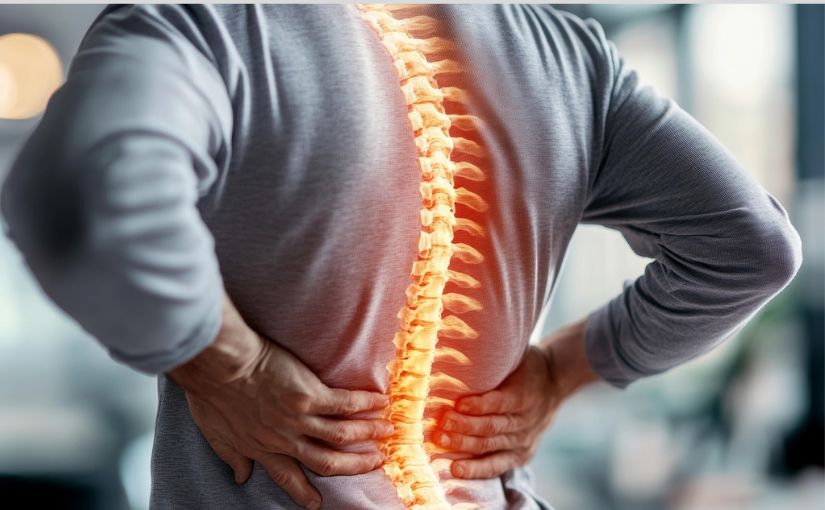
Mid-Back Pain Relief: How Chiro Therapy Helps
Mid back pain (thoracic or middle back pain) affects the area between your neck and rib cage. Pain in this region stems from irritated muscles, joints, ligaments, discs, or nerves, and can range from dull aching and stiffness to sharp, stabbing sensations depending on the underlying cause. Most cases result from posture issues, overuse, or minor strain and aren’t serious, but persistent or severe pain may indicate fractures, arthritis, or organ problems requiring medical attention. According to the Wiley Online Library, new episodes occur in fewer than 1% of adults monthly, making mid back pain less frequent than neck or lower back pain.
The good news is that all is not lost if you’re affected by the said condition thanks to chiro therapy, a holistic method that has become popular nowadays due to its effectiveness, safety, and everything in between. Read on and find out how the said method can help you if you’re affected by mid-back pain.
What are the causes of mid-back pain?
Mid back pain often stems from improper posture, joint disease, and other contributing factors. They explained in detail in the succeeding paragraphs. Read on.
Improper posture
Poor posture creates sustained stress on the mid back by forcing the thoracic spine out of its natural alignment. Slouching or rounded shoulders collapse the spine into a “C” shape, increasing pressure on vertebrae and soft tissues, which leads to stiffness, aching, or sharp pain between the shoulder blades.
This hunched position tightens chest muscles while weakening upper back muscles, creating imbalances that overwork smaller postural muscles. The result is fatigue, trigger points, and mid back discomfort that temporarily improves when you correct your posture but returns once you slump again.
Joint disease
Joint problems in the mid back can cause pain by affecting how the spine’s bones, discs, and surrounding tissues work together. Conditions like arthritis (including osteoarthritis, ankylosing spondylitis, or rheumatoid arthritis) damage the cartilage and joint surfaces, causing stiffness, swelling, and movement problems in the middle back. As these joints wear down or stiffen, they lose normal flexibility and put extra pressure on nearby areas, which can irritate nerves and muscles. This creates ongoing aching, sharp pain during movement, and posture changes that make symptoms worse.
Muscle strain or overuse from lifting, sports, or repetitive tasks.
Muscle strain or overuse from lifting, sports, or repetitive tasks can cause mid back pain by overworking and irritating the muscles that support the spine. When you repeatedly lift heavy items, twist, or do the same motion over and over, especially with poor form, the muscle fibers and ligaments in your middle back can stretch too far, creating small tears that lead to swelling, tightness, and soreness between the shoulder blades.
Over time, this constant stress weakens the area and makes it harder for your spine to stay stable, so even everyday activities like reaching, bending, or sitting for long periods can trigger mid back discomfort or pain flare-ups.
How do chiro doctors assess mid-back pain?
Chiro doctors assess mid back pain through a multi-step process that includes
- examining medical history
- identifying underlying factors
- setting care plans
Read on for details.
Examining medical history
During a medical history for mid back pain, chiropractors assess your pain details (location, intensity, type, onset, triggers, and relief factors), medical background (previous injuries, surgeries, existing conditions like arthritis or scoliosis, and similar past episodes), and lifestyle factors (work posture, physical activity, sleep habits, and repetitive movements). They also check for associated symptoms such as numbness, tingling, weakness, pain spreading elsewhere, breathing issues, or digestive changes.
Identifying underlying factors
Mid-back pain often results from thoracic joint restrictions when the vertebrae in your upper and mid-back lose their normal movement range. These restrictions create localized stiffness and can radiate pain to your shoulders, neck, or lower back, especially after prolonged sitting or sleeping in awkward positions.
Rib dysfunction frequently accompanies mid-back pain since your ribs attach to thoracic vertebrae. When ribs don’t move smoothly with breathing or spinal movement, they create sharp or aching discomfort between your shoulder blades. This dysfunction worsens with deep breathing, twisting movements, or certain sleeping positions.
Setting care plans
A chiropractor treats mid-back pain by assessing how your thoracic spine, ribs, muscles, and joints function together. After reviewing your medical history and examining your posture, they create a personalized care plan featuring spinal adjustments to fix spinal subluxations, treat joint subluxations, and ease muscle tension. This hands-on treatment combines with exercise guidance and lifestyle advice to reduce pain, improve flexibility and breathing, and support long-term spinal health.
Relief from mid-back pain is within reach
Mid-back pain doesn’t have to disrupt your daily life. Whether your discomfort stems from poor posture, joint restrictions, muscle strain, or rib dysfunction, understanding the root cause is the first step toward lasting relief. Chiropractic care offers a holistic, effective approach that addresses these underlying issues rather than simply masking symptoms with temporary solutions.
By combining thoracic adjustments with personalized exercise guidance and lifestyle modifications, you can reduce pain, improve your breathing and flexibility, and build the spinal stability needed to prevent future episodes. The key is taking action before minor discomfort becomes a chronic problem.
So book an appointment at Posture Perfect Chiropractic today, our experienced, knowledgeable, and friendly chiro doctors will provide targeted spinal adjustments to help you achieve pain relief and improved overall well-being.
Frequently Asked Questions
Seek immediate medical care if your mid-back pain follows trauma or you experience chest pain, breathing difficulty, incontinence, numbness, weakness, or tingling in your arms, chest, or legs. Also consult a doctor if pain is severe, worsening, accompanied by fever or unexplained weight loss, or doesn’t improve after several weeks.
Rest from aggravating activities, apply heat or alternate hot/cold therapy, take over-the-counter anti-inflammatory medication if appropriate, and perform gentle stretches to improve thoracic mobility. Correct your posture, adjust your workspace ergonomics, stay active with walking or swimming, and strengthen your core and upper back.
Chiro therapy treats mid-back pain by improving how your thoracic spine, ribs, muscles, and joints move together. Treatment includes spinal adjustments, rib mobilization, soft-tissue therapy, corrective exercises, and posture coaching to reduce pain, ease tension, improve breathing, and support spinal stability.