
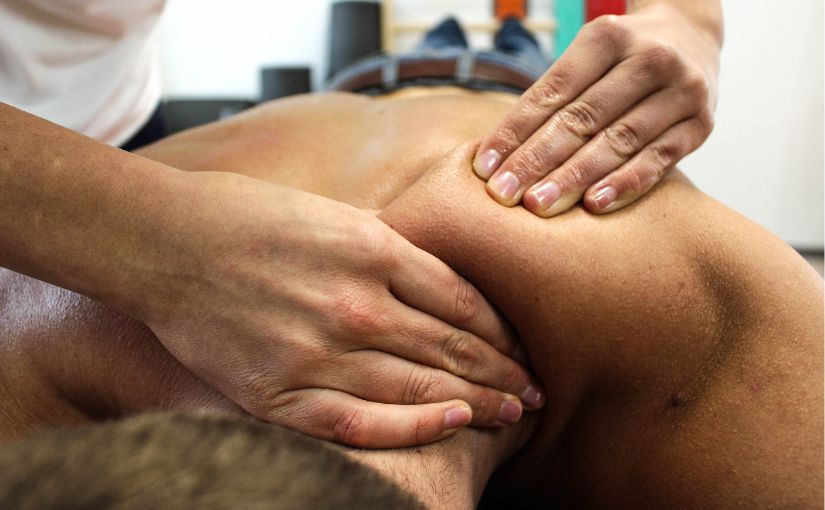
person performing massage on the back of an individual

Main points: 

  • Bone setting is a traditional hands-on practice aimed at realigning bones and joints. Practitioners usually have no formal training, licensing, or standard curriculum.
  • Chiropractic therapy is a regulated, science-based approach using controlled joint and spinal adjustments to relieve pain and improve movement.
  • Some untrained individuals pose as bone setters or chiropractors, skipping proper patient assessment entirely.

A survey in the Philippine Journal of Internal Medicine found that about 10.4% of Filipino adults suffer from chronic pain that ranges from moderate to severe. It’s more common among women and older people, and it most often affects the knees, shoulders, and lower back.

With so many people looking for musculoskeletal pain relief, two treatments have been getting more attention: bone setting and chiro therapy. Both focus on the bones, joints, and muscles. Both aim to reduce pain without surgery or medicine. But they work differently, and knowing how can help you decide which one is right for you.

What are the causes of musculoskeletal pain? 

Musculoskeletal pain comes from injuries, chronic ailments, or habits that damage or strains the muscles, ligaments, joints, or tendons. This can develop from a single incident or build up after some time. 

Common causes include: 

  • Traumatic injuries. Falls, accidents, or sudden impact that strains or tears soft tissue.
  • Poor posture. Slouching at a desk or looking down at your phone for hours puts constant stress on your spine and muscles.
  • Stress. Tension in the body from emotional or mental stress often shows up as tightness in the neck, shoulders, or back.
  • Inflammatory conditions. Illnesses like arthritis or sciatica cause ongoing pain and stiffness in the joints and surrounding tissue.

Read our article on the Health Risks of Poor Posture that a Chiropractor for Posture Can Address

What is traditional bone setting?

Traditional bone setting or TBS is a traditional healing practice that involves manually manipulating or “pulling” the bones to restore alignment, especially when muscles, joints, or ligaments become misaligned or subluxated. Practitioners known as bone setters believe that this realignment can decompress affected areas and improve circulation, easing back discomfort.

How bone-setters get training

Traditional bone setters generally don’t go through formal schooling or earn a degree. Their knowledge is almost entirely passed down within families or close communities.

Most bone setters learn by watching and assisting an older, more experienced practitioner, which is often a parent, grandparent, or respected elder in the community. Over time, they take on more responsibility, practicing techniques under guidance until they are trusted to treat patients on their own.

In some traditions, the ability to heal is believed to be a gift, something a person is born with or called to, rather than simply learned. This spiritual dimension shapes not just how they practice, but how they see themselves as healers.

There is no standard curriculum, certification, or licensing process involved. Skills, remedies, and even rituals vary widely from one family or region to the next, making each bone setter’s practice unique to their lineage and local tradition.

Common techniques that traditional bone setters use

Generally passed down through generations, traditional bone setters utilize hands-on techniques to ease pain and discomfort, restore movement, and bring balance to the body. 

  • Oil massage, kneading, and pressure. Warm oil, usually coconut, is applied first to loosen the muscles. The practitioner then kneads tight spots and presses on sore areas to improve circulation and soften tissue before any adjustment is made.
  • Joint manipulation and “pilay” realignment. The bone setter uses firm, controlled hand movements to push the joint back into position, sometimes with an audible pop. The treated region is then wrapped with a splint and covered with herbs like lagundi or ginger to bring down swelling and help it heal.
  • Sudden twisting or snapping movements. Quick rotations or bends of the spine, neck, or extremity joints to produce joint cavitation (popping sounds) and perceived realignment.
  • Deep massage or hilot. Firm rubbing, kneading, and thumb pressure along muscles and tendons around the painful area before or after the “adjustment” to relax tissues and reduce pain.
  • Manual “realignment” of bones. Pressing or pushing on an area that feels “out of place” to move it back into what the practitioner believes is the proper position.
  • Splinting and bandaging (more traditional fracture care). After manipulating a suspected fracture, some traditional bone setters apply herbal wrap, improvised splints and tight bandaging to hold the limb still.

The status of bone setting in the Philippines

Despite its historical and cultural significance, bone setting is still an unaccredited practice under the Philippine Institute of Traditional and Alternative Health Care (PITAHC), the government body that regulates traditional and alternative health modalities.

In a story published in GMA Network, Atty. Keenth Almeńe, PITAHC’s Standards and Accreditation Division Chief, notes that while some similarities exist between bone setting and hilot (a traditional Filipino massage technique), their methods are distinct. “It cannot be subsumed under hilot because the techniques used are different,” he explains. PITAHC has yet to complete a thorough evaluation of bone setting’s safety and efficacy.

Almeńe adds, “Once bone setters formally apply for recognition, the public will be more confident in seeking their services, knowing they are properly evaluated and accredited.”

What is chiro therapy

Chiro therapy is a holistic and non-surgical healthcare method that utilizes controlled pressure to adjust your joints, straighten your spine, and relieve pain. 

How doctors of chiro get training

In the Philippines, to get certified as a doctor of chiropractic, under the Philippine Institute of Traditional and Alternative Health Care (PITAHC), the government body that researches, develops, and promotes traditional and complementary medicine in the country, applicants need to: 

  • Have a bachelor’s degree in Health Sciences with a major in Chiropractic from an accredited school, or a degree in Medicine, Nursing, Pharmacy, Nutrition, or Physical Therapy that leads to a doctorate.
  • Meet the core subjects that are required by CHED:
    • Basic sciences. Chemistry, physics, and biology (typically taken in your first year)
    • Pre-clinical sciences. Subjects like anatomy, physiology, biochemistry, pathology, microbiology, pharmacology and toxicology, psychology, nutrition, and public health
    • Clinical sciences. How to take a patient’s medical history and perform a physical exam
  • Complete specialized chiropractic subjects:
    • Neurology and orthopedics as applied to chiropractic care
    • How the body moves and is aligned (biomechanics)
    • Assessing a patient’s posture and the way they walk
    • Hands-on skills like feeling for problems in joints, bones, and soft tissue

The benefits

Chiro adjustments can help relieve pain, improve how well you move, and fix poor posture. They can also reduce migraines and headaches, ease long-term conditions like osteoarthritis, and speed up recovery from minor neck or spine injuries.

Common that techniques that doctors of chiro use

Chiropractors use different hands-on methods depending on your condition to relieve pain and help your body move better. Here are some of the most common ones:

  • Spinal manipulation. The chiropractor applies a quick, firm push to a specific part of the spine to bring it back into proper alignment and ease pain.
  • Soft tissue therapy. The chiropractor uses their hands to press on tight muscles and surrounding tissue to loosen tension, stop spasms, and help the body move more freely.
  • Mobilization. Slow, gentle movements are used to stretch and loosen stiff joints, helping you move better without the sudden force of a full adjustment.
  • Flexion-distraction. A mild, rhythmic pushing motion is applied to the spine. This is often used for people with herniated discs, sciatica, or tech neck.

The status of chiro therapy in the Philippines

Chiro therapy is gaining popularity in the Philippines as more and more Filipinos are looking for safe, effective, and efficient ways to treat neck and shoulder pain, low back pain, muscle pain, and so on. All, without relying on painkillers and other drugs. It’s presently a smaller field compared to conventional medicine, but its popularity is steadily growing. 

What are the key differences between bone setting and chiro therapy? 

While both bone setting and chiro therapy are known to address musculoskeletal pain and other similar ailments through manual manipulation, they have key differences. Some of the most notable ones are elaborated below: 

Aspect Bone setting Chiro therapy 
Philosophy and approachTraditional or folk manual therapy where a practitioner uses hands-on techniques (paghila, pagpihit, pagpindot, pagpapatunog ng kasukasuan/buto) to “realign” bones and joints, often to relieve pain or stiffnessEvidence-informed, biomechanical and neuro-musculoskeletal focus. Emphasizes joint motion, spinal alignment, and nervous system function.
Potential benefitsMay help with minor sprains and muscle pain when performed gently by an experienced practitioner.Generally effective for musculoskeletal complaints such as back pain, neck pain, and headaches when delivered by a licensed professional.
Safety & risksDocumented risks when untrained practitioners perform forceful bone or joint manipulation, including fractures and severe complications reported in the Philippines.Generally safe when performed by licensed, well-trained chiropractors, though not without risk. Concerns arise when “chiropractic-style” adjustments are done by unlicensed individuals, leading to injury and calls for stricter oversight.
Practitioner trainingKnowledge passed down informally; no standardized curriculum or licensing requirement. Skill level varies widely.Formal education required; push to align training standards with CHED. Licensing and accreditation are part of ongoing regulatory efforts.
Integration with health systemWidely used, especially in rural and low-income communities. Largely outside formal hospital or PhilHealth pathways, though PITAHC recognizes certain traditional practices.Recognized within the traditional and alternative medicine framework via PITAHC guidelines. Active push to integrate into broader Universal Health Care (UHC) goals.
Regulatory statusLargely unregulated in practice. No national licensing board for traditional bone setters.Subject to PITAHC oversight; ongoing efforts to formalize standards and protect patients from unlicensed practitioners.
AccessibilityHighly accessible and affordable, particularly in communities where formal healthcare is hard to reach.Less accessible in rural areas; typically found in urban clinics. Cost may be a barrier for some patients.

Pseudo bone setters and fake chiropractors

Some people claim to be bone setters, or even chiropractors, but they have no real medical or chiropractic training. Instead, they copy what they see on social media and practice on real patients. In the Philippines, you may know them as albularyos or hilot practitioners who have gone beyond traditional massage and started working on the spine.

Traditional hilot is a culturally respected form of relaxation and bodywork. But pseudo bone setters are a different story. They crack joints, twist the spine, and manipulate the neck, often on people whose conditions they have never properly checked or understood.

How to spot a pseudo bone setter or fake chiropractor

Not everyone who knows how to crack your backs is qualified to do so. Here are the warning signs to watch out for:

No license, no credentials

A licensed and certified doctor of chiro in the Philippines must hold a degree in chiropractic medicine and be registered with the Professional Regulation Commission (PRC) or practice under recognized international chiropractic standards. If a practitioner cannot show you their license or credentials, that is a red flag.

No patient history or physical assessment

Before any licensed chiropractor touches your spine, they take a detailed health history, conduct a physical examination, and may refer you for imaging (X-ray or MRI). Pseudo bone setters skip all of this. They manipulate without knowing whether you have osteoporosis, a herniated disc, a fracture, or any condition that makes spinal manipulation dangerous.

Promise to “fix” everything in one session

Promises like “One session is all you need,” or guarantees of instant, permanent cures are clear red flags. Legitimate and credible practitioners formulate a treatment plan tailored to your condition; not a one-size-fits-all session.

Operate in informal settings

Back alleys, market stalls, home garages, or even pop-up booths in malls are not clinical settings. A proper chiropractic clinic has treatment tables, assessment tools, and safety protocols.

Why is pseudo bone setting or chiro therapy dangerous 

Pseudo bone setting or fake chiro therapy is dangerous because, if spinal and joint manipulation are performed by untrained and careless individuals, they can cause serious, and in worse cases, irreversible harm. 

  • Nerve damage. Improper manipulation of the spine or neck can compress or tear nerves, causing numbness, weakness, or chronic pain.
  • Vertebral artery dissection. Aggressive neck cracking can tear the vertebral artery, which can lead to stroke. This is rare but has been documented in cases involving unqualified practitioners.
  • Worsening of existing conditions. If you already have a disc herniation, spinal stenosis, or osteoporosis, forceful manipulation can make your condition significantly worse.
  • Delayed proper treatment. Many patients spend weeks or months visiting a pseudo bone setter before finally seeing a licensed professional — by which time their condition has progressed.

Read our article on Navigating Chiro Therapy: A Guide to Clinic Selection

Why do many Filipinos choose bone setting? 

Many Filipinos choose bone setters instead of doctors of chiropractic or physical therapists because of a number of reasons. Some of them are as follows: 

  • Cultural trust. Bone setters are often recommended by family members or neighbors who have personally experienced relief. That kind of word-of-mouth carries real weight in Filipino communities.
  • Proximity. When everyday physical complaints like minor sprains, strains, or muscle fatigue come up, many people want hands-on care close to home — someone familiar, nearby, and easy to reach without an appointment.
  • Accessibility. In provinces and remote or low-resource areas, a local bone setter may simply be the most practical option available. Not everyone lives near a clinic, and traditional healers fill that gap.

When is chiro therapy the better choice?

There are times when visiting a licensed chiropractor is the more appropriate step, especially when the problem goes beyond a simple muscle complaint:

  • Posture-related pain, or suspected disc and joint issues. If the pain keeps coming back, has lasted more than a few days, or feels like it involves the spine or deeper joints, a structured clinical assessment can identify what is actually going on and why. Doctors of chiropractic are known to treat spinal subluxation and joint subluxation to keep pain and discomfort at bay. 
  • When you want a standardized, regulated approach. Chiropractic care comes with proper documentation, a clear treatment plan, and the ability to refer you to imaging or medical specialists if your condition needs it. Nothing is guessed at.
  • For those who want to avoid the risks of unregulated manipulation. Not everyone offering bone setting or spinal manipulation has formal training. A licensed chiropractor follows regulated standards and knows when to treat and just as importantly, when not to.

The bottom line on bone setting and chiro therapy

Both bone setting and chiro therapy offer real value, especially in terms of pain relief and improving overall health and well being. However, they serve different needs, carry different risks, and operate under very different levels of oversight.

What’s important is that whoever manipulates your spine and/or joints should have undergone extensive training to ensure your safety, welfare, and everything in between. Whether you choose bone setting or chiropractic care, verify that your practitioner is qualified, ask questions, and trust a provider who takes the time to understand your condition before treating it.

If you’re interested in having a chiro session, visit us at Posture Perfect Chiropractic. Our doctors are fully certified and have undergone extensive training to treat your condition, manage your symptoms, and improve your quality of life. They’ll build a treatment plan around your condition or health goals, not perform “one-size-fits-all” sessions. 

Book an appointment today! 

Frequently Asked Questions

Is bone setting safe?

Bone setting may offer relief for minor strains and sprains when done gently by an experienced traditional practitioner. However, because the practice isn’t regulated or standardized, improper manipulation can lead to injuries like fractures or nerve damage.

Is chiro therapy effective for chronic pain?

Yes. Research shows that chiropractic adjustments can reduce back pain, neck pain, headaches, and posture-related discomfort by restoring joint mobility and spinal alignment. It’s generally considered safe when performed by a licensed chiro doctor.

Is bone setting regulated in the Philippines?

Not yet. As of this writing, bone setting remains an unaccredited practice under PITAHC. There is no national licensing board for traditional bone setters, no standardized curriculum, and no formal certification process. PITAHC has yet to complete a thorough evaluation of bone setting’s safety and efficacy.

What conditions can chiro therapy treat?

Chiro therapy is commonly used to treat back pain, neck pain, shoulder pain, headaches, migraines, poor posture, sciatica, herniated discs, minor spinal injuries, and long-term conditions like osteoarthritis. Chiro doctors focus on spinal and joint subluxation and use techniques such as spinal manipulation, soft tissue therapy, mobilization, and flexion-distraction.

How do I know if a chiro doctor in the Philippines is legitimate?

A licensed chiro doctor should be able to show their credentials and PRC registration. Before any treatment, they will take a detailed health history, conduct a physical examination, and may order imaging such as X-rays or MRI. Legitimate chiropractors practice in proper clinical settings and create individualized treatment plans — not one-size-fits-all sessions.


person holding shoulder and back due to pain and discomfort

Main points: 

  • Pain is common among Filipinos but often ignored; chiro therapy addresses this as a real health concern and not just the symptoms.
  • Chiro therapy is a holistic, non-surgical, drug-free approach focused on the spine and musculoskeletal system.
  • Chiro doctors are trained to diagnose musculoskeletal conditions, treat spinal and joint problems, and provide long-term preventive care.

Most Filipinos push through pain rather than address it. A stiff neck, a sore back, an old injury that never fully healed, these become background noise. But according to a study that was published in Inquirer.net, seven out of 10 Filipinos experience pain regularly. That is not background noise. That is a public health concern hiding in plain sight.

This is where chiro therapy comes in. By focusing on the musculoskeletal system: the bones, muscles, joints, and connective tissues that bear the physical load of daily life. Chiro therapy helps patients find relief from pain as well as discomfort and restore the kind of movement that medications and rest alone often cannot deliver.

What is chiro therapy?

Chiro therapy is a holistic licensed healthcare approach that supports the body’s natural ability to heal itself. No surgery, no dependence on medication. It focuses primarily on the spine and musculoskeletal system to help you move, feel, and function better.

What chiro doctors are trained to do

Chiropractors are trained in three main areas: finding the problem, treating it, and helping you avoid future issues.

  • Diagnosing musculoskeletal conditions
  • Treating spinal and joint conditions
  • Prevention and long-term care

Diagnosing musculoskeletal conditions. They assess your spine, joints, nerves, and posture to figure out what’s causing your pain or discomfort.

Treating spinal and joint conditions. They address common issues like back pain, neck pain, sciatica, headaches, and poor posture without drugs or surgery.

Prevention and long-term care. They help you keep your spine healthy and reduce the chance of injuries coming back through education, stretching routines, and lifestyle tips.

How chiro therapy supports musculoskeletal health

Chiro therapy works by addressing the root causes of pain and movement problems; not just the symptoms. Here’s how it helps:

Restoring alignment and mobility

Through spinal and extremity adjustments, chiropractors correct misalignments in your joints. This helps restore your natural range of motion, reduces stiffness, and allows your body to move the way it’s supposed to.

Relieving muscle tension and improving posture

Chiro therapy also targets the soft tissues surrounding your joints: the muscles, tendons, and ligaments that support your spine. By reducing tension in these areas, it helps your body hold better posture and function more efficiently throughout the day.

Supporting your nervous system and physical performance

Your spine houses the nerves that control movement and sensation throughout your body. When it’s properly aligned and subluxation is fixed, your nervous system can communicate more effectively, which translates to better physical performance, whether you’re going about daily tasks or staying active in sports.

What are common musculoskeletal conditions that are treated by chiro therapy? 

Chiro doctors treat various conditions affecting the muscles, joints, and spine. Some of the most common include:

Back and neck pain

This includes mechanical low back pain, neck pain, and mid-back pain. Some of the most frequent reasons people seek the said holistic approach. These types of pain are often linked to poor posture, repetitive strain, or spinal misalignment.

Headaches and whiplash

Some headaches stem from tension or dysfunction in the neck rather than the head itself. Chiro doctors also treat whiplash-associated disorders, which commonly result from sudden neck movements caused by accidents or injury.

Sciatica, joint pain, and muscle issues

Sciatica can cause pain that radiates from the lower back down the leg, often due to a compressed nerve. Chiro doctors also address joint pain (by fixing joint subluxation) in areas like the shoulder, hip, and knee, as well as general muscle stiffness and strains that affect everyday movement and comfort.

Evidence and benefits of chiro therapy for musculoskeletal health

Chiropractic therapy is backed by more than clinical tradition. A National Institutes of Health (NIH)-funded review found that the field is advancing on two fronts: training chiropractors to evaluate research critically, and ensuring that the treatments they provide are supported by clinical evidence. A growing body of randomized controlled trials confirms that manual therapies are both safe and effective for musculoskeletal conditions

What the research says: chiro therapy by condition

ConditionInterventionVerdictNotes
Acute / Subacute / Chronic Low Back PainSpinal manipulation✓ PositiveEndorsed by APS & ACP guidelines; clinically meaningful benefit over alternatives
Chronic Low Back PainMassage✓ PositiveBest when combined with exercise and patient education
Acute & Subacute Neck PainSpinal manipulation✓ PositiveAlso effective for acute whiplash when combined with exercise
Chronic Neck PainSpinal manipulation + exercise✓ PositiveManipulation alone also shows efficacy for cervicogenic headache
Migraine & Cervicogenic HeadachesSpinal manipulation✓ PositiveTension-type headaches remain inconclusive
Mid Back PainThoracic spinal manipulation~ PromisingOnly one small trial to date; trends favorable
Shoulder, Hip/Knee OA, Plantar FasciitisExtremity joint manipulation✓ PositiveEffectiveness found; fewer trials than for spinal conditions
Carpal Tunnel, Ankle Sprains, Rotator CuffExtremity manipulation~ InconclusiveFavorable direction but insufficient evidence
Cervicogenic DizzinessSpinal manipulation✓ PositiveOnly non-MSK condition with positive evidence
Asthma, Dysmenorrhea, HypertensionSpinal manipulation✗ NegativeEvidence does not support manipulation for these conditions

Manual therapies are generally safe 

Side effects are typically minor and self-limiting (e.g., post-manipulation soreness). Severe complications are extremely rare — cauda equina syndrome occurs in as few as 1 in 100 million lumbar manipulations. A large population study (≈100 million person-years) found no excess stroke risk from chiropractic cervical manipulation compared with medical care for neck pain.

How to integrate chiro therapy into a healthy lifestyle

Chiro therapy is not just for cases when pain becomes unbearable. It works best for musculoskeletal health as a regular part of how you take care of your body.

Pairing chiropractic with other therapies

Chiropractic adjustments go further when paired with other healthy habits. Physical therapy, exercise, and changes to how you sit, sleep, and move help reduce the everyday strain that causes pain to return. Together, they make recovery faster and longer lasting.

Prevention over pain management

Seeing a chiro doctor regularly means catching small issues before they grow. Many Filipinos ignore minor aches until they become a bigger problem — but early care can keep those aches from getting in the way of work, rest, and daily activities. This is especially true for anyone who spends most of the day at a desk or on a phone.

Building a lifestyle that supports your spine

There’s more to spinal health that going to your doctor of chiro. Good spinal health goes beyond your chiro therapy. Regular movement, basic strength and flexibility work, and listening to your body all help keep pain from returning. 

The goal is to feel good every day, not just right after an appointment. The said holistic approach gives your body a real path to recovery, one that works directly with your muscles, joints, spine, and connective tissues rather than masking what they are telling you. 

Your musculoskeletal health deserves more

Chiro therapy gives your body a real path to recovery, one that works directly with your muscles, joints, spine, and connective tissues rather than masking what they are telling you. 

Chiro therapy addresses the underlying cause of musculoskeletal problems, not just the symptoms. Backed by clinical evidence, it can be said that it’s a healthcare choice that is worth considering.

The goal is not just to feel better after each visit. It is to build a musculoskeletal foundation strong enough to carry you through work, rest, and everything in between, consistently and without pain.

If you have been pushing through pain or waiting for things to improve on their own, now is a good time to stop waiting. At Posture Perfect Chiropractic, our licensed chiropractors are here to assess your musculoskeletal condition, address the root cause, and build a care plan that fits your lifestyle.

Book your appointment today and find out what your body is capable of when it is properly supported.

Frequently Asked Questions

How does chiropractic therapy relieve pain and improve mobility?

Chiro therapy fixes misaligned joints, which are a common source of pain and restricted movement. Once joints are back in proper position, stiffness eases, posture improves, and your nervous system can work more efficiently, helping your body move and perform better overall.

What makes chiro therapy different from other pain treatments?

Pain medications can bring relief, but they only cover up the problem. Chiro therapy goes further by treating what’s actually causing the pain in the first place. It’s non-surgical and drug-free, using spinal adjustments, soft tissue treatment, and practical lifestyle advice to help you recover properly and keep the pain from coming back.

How can chiro therapy help prevent future problems?

Prevention is a key part of chiro care. By maintaining proper spinal alignment and muscle balance, you reduce repetitive strain, improve body mechanics, and keep minor aches from developing into chronic pain. Regular movement and posture awareness amplify these benefits.

Main points:

  • Low back pain is a leading cause of disability among working-age adults, making accessible, non-surgical treatment options essential.
  • Lower back decompression through chiropractic therapy uses hands-on techniques to relieve pressure on compressed discs and pinched nerves.
  • Spinal decompression targets the root cause of pain rather than just masking symptoms, addressing conditions like herniated discs, sciatica, and spinal stenosis.

Low back pain is a leading cause of disability among working-age adults, driving lost productivity, hospitalizations, and financial hardship. A local survey of 101 patients (18–60 years) found most experiencing moderate to severe pain, worsening at night and morning, often linked to physically demanding or sedentary work. Limited uptake of formal care highlights the need for accessible, non-surgical alternatives.

This is where lower back decompression through chiro therapy comes in. It involves hands-on spinal adjustments and specific techniques designed to take pressure off compressed discs and pinched nerves in the lower back. Rather than simply managing symptoms, this approach works to correct joint subluxation or misalignment and restore normal movement, helping patients experience less pain and better function in their daily lives.

What is lower back decompression? 

Spinal decompression is a term for treatments that reduce pressure on spinal nerves or the spinal cord to relieve back pain. When applied to the lower back (the lumbar spine), the goal is to take the pressure and tension off whatever is irritating the nerves in that area. 

That pressure can come from several sources. A disc may be pushing out of place, a canal may have narrowed, or a nerve root may be getting pinched. Decompression addresses the root cause rather than just masking the pain.

Conditions that may benefit from decompression

Lower back decompression is commonly used for the following conditions:

  • Bulging discs 
  • Degenerative disc disease 
  • Herniated discs 
  • Pinched nerves
  • Sciatica 
  • Spinal stenosis 

Bulging discs. A disc that has pushed outward but has not ruptured, which can press on nearby nerves.

Degenerative disc disease. Wear and tear on the discs over time that causes them to thin, lose cushioning, and sometimes irritate surrounding nerves.

Herniated discs. A disc that has cracked and leaked its inner material, often causing sharp or radiating pain.

Pinched nerves. When surrounding tissue, bone, or a disc compresses a nerve, resulting in pain, numbness, or tingling.

Sciatica. Pain that travels from the lower back down through the buttock and leg, typically caused by pressure on the sciatic nerve.

Spinal stenosis. Narrowing of the spinal canal reduces space for the spinal cord and nerves, often causing leg pain or weakness.

How chiro doctors perform lower back decompression

Here is what usually happens during a decompression session for your lower back.

  1. Check‑up and exam
    • The chiropractor talks with you about your pain, medical history, and any past tests like X‑rays or MRIs.
    • They check which parts of your lower back are irritated so they can set up the machine the right way.
  2. Getting you set up on the table
    • You keep your clothes on and lie on a padded table on your back or stomach.
    • A wide belt or harness goes around your hips and another around your upper body to keep you safely in place.
  3. Adjusting the machine for you
    • The chiro programs the machine with settings just for you, such as how strong the pull should be and at what angle.
    • This helps the machine focus on the exact levels in your lower spine that need the most help.
  4. Gentle stretching of the lower back
    • The table slowly starts to pull, creating a mild stretch through your lower back.
    • This gentle pulling slightly separates the bones in your spine, which lowers pressure inside your discs and eases the squeeze on nearby nerves.
  5. Cycles of pull and rest
    • The machine doesn’t pull nonstop. It uses a pattern: pull for a short time, then ease off, and repeat.
    • These cycles help “pump” fluids and nutrients in and out of the discs, which supports healing.
  6. Watching how you feel
    • You should feel a strong but comfortable stretch, not sharp or sudden pain.
    • If anything feels wrong, the chiropractor can quickly change the settings or stop the session.
  7. After the session
    • The machine slowly releases the pull so your spine can settle back without a jolt.
    • Afterward, the chiro doctor might add other care, like light stretches, exercises, or gentle hands‑on adjustments to support your lower back.

What to look for when choosing a chiro doctor for lower back decompression

A qualified provider will have formal training in spinal assessment and decompression techniques, hands-on clinical experience with the specific condition you have, and access to appropriate equipment suited to your needs whether that is a traction table, decompression machine, or manual therapy tools.

Red flags to watch out for

Be cautious of providers who offer a one-size-fits-all plan without first assessing your specific condition. The same goes for anyone making cure-all promises; decompression can provide significant relief, but no single treatment eliminates all back problems for everyone. 

Also take note if a provider dismisses or ignores red-flag symptoms such as sudden severe pain, loss of bladder or bowel control, or numbness spreading to both legs. These require immediate medical attention, not a standard decompression session.

Read our related article: Navigating Chiropractic Therapy: A Guide to Clinic Selection

Take the pressure off your lower back?

Lower back pain doesn’t have to be a permanent part of your life. Lower back decompression through chiropractic therapy offers a non-surgical, targeted approach to addressing the root causes of pain, whether that’s a herniated disc, a pinched nerve, sciatica, or spinal stenosis. By gently relieving pressure on the spine and supporting the body’s natural healing process, it can help you move better, feel better, and get back to the things that matter.

Like any treatment, results vary from one person to another. The key is working with a qualified chiro doctor who takes the time to assess your specific condition, explain your options, and build a care plan around your needs, not a generic procedure.

If you’ve been living with lower back pain and haven’t found lasting relief, spinal decompression may be worth exploring. At Posture Perfect Chiropractic, our team is trained to assess your condition and create a personalized decompression plan that works for your body and lifestyle.

Book an appointment today and find out whether lower back decompression is right for you.

Frequently Asked Questions

Is spinal decompression safe for everyone?

Spinal decompression works well for most people, but it isn’t the right fit for everyone. It’s generally not recommended if you have a fracture, severe bone loss, or if you’ve had spinal surgery recently. Before starting any treatment, a licensed chiropractor will check your condition thoroughly to make sure it’s safe and appropriate for you.

How long does it take to feel results?

Some patients start to feel better after just a few sessions, but it really depends on how serious the condition is. Results aren’t always instant. Staying consistent with your sessions and doing any recommended exercises afterward can make a big difference in how well and how quickly you improve.

What’s the difference between decompression and regular chiro therapy?

Spinal decompression uses a gentle pulling motion to ease pressure off the discs and nerves in your spine. A regular chiro therapy, on the other hand, focuses on restoring proper alignment and movement in the joints. They’re different techniques, but a chiropractor may use both together depending on what your back needs.

Body pain is a widespread concern among older Filipinos. In fact, according to a study that was published by Ageing and Health Philippines, one in three older adults says they deal with pain regularly and for many, it’s not mild. More than half describe their pain as moderate, while one in ten lives with severe pain on an ongoing basis. For a lot of Filipinos, this is simply life as they know it.

Fever can come with persistent pain, often pointing to inflammation or the immune system at work. Together, both symptoms make it harder to get through the day. Chiro therapy takes a hands-on, drug-free approach. Getting to the root of the pain, helping the body heal, and giving patients their comfort and movement back.

What are body pain and fever? 

Body pain and fever are among the most common signs that something is happening inside the body. Let’s take a look at them in detail in the succeeding paragraphs. 

Body pain

Body pain, or body aches, refers to widespread soreness affecting the muscles and joints. Muscle pain is medically termed myalgia, while joint pain is called arthralgia. Unlike localized pain from a specific injury, body aches tend to spread across multiple areas at once.

Fever

Fever is a temporary rise in body temperature triggered by the immune system in response to infection or illness. Normal body temperature sits at around 37°C (98.6°F). A low-grade fever ranges from 37.5°C to 38.2°C, while anything above 38.3°C is considered a higher fever.

What are the common causes of body pain and fever? 

Short-Term (Acute) Causes

Most cases of body pain and fever are temporary and usually tied to an infection or a specific trigger.

  • Viral infections 
  • Bacterial infections 
  • Short-term triggers 

Viral infections are the most frequent cause. The flu, common cold, COVID-19, and respiratory syncytial virus (RSV) typically bring on fever, muscle aches, fatigue, and headaches. Symptoms tend to come on fast and clear up within a few days to two weeks, depending on the virus and the person’s health.

Bacterial infections can also cause fever and body pain, though they show up differently. Pneumonia usually comes with chest pain, chills, and a high fever that lingers. Strep throat causes throat pain and fever, sometimes with body aches. Urinary tract infections or UTIs can trigger lower back pain and fever, especially when the infection spreads to the kidneys. Skin infections may cause pain in a specific area along with fever as the body works to stop the spread of bacteria.

Other short-term triggers include reactions to vaccines, which can cause temporary soreness and a mild fever while the immune system responds. Heat exhaustion from too much sun or physical activity can also raise body temperature and lead to muscle cramps and tiredness. Some medications may cause fever or body aches as a side effect or allergic reaction.

How chiro therapy help relieve body pain and fever

For individuals dealing with body pain and fever, chiro therapy can play a supportive role in managing discomfort, aiding recovery, and improving overall physical function.

Relieving musculoskeletal contributors to body pain

Much of the body pain people experience are in the back, neck, and joints comes from tension and restrictions in the spine and surrounding structures. Chiro adjustments target these directly, restoring joint movement, easing muscle tension, and reducing nerve irritation.

When the spine is misaligned or there is spinal subluxation, surrounding muscles tighten to compensate, creating a cycle of soreness that spreads beyond the original problem area. Manual therapies like spinal manipulation, mobilization, and soft tissue work help break this cycle at the source.

Patients commonly report improved mobility, less back and neck pain, reduced overall muscle soreness, and better daily function. All of which make a real difference, especially for those already dealing with illness-related fatigue and aches.

Indirect effects on comfort, stress, and sleep

Chiro therapy also supports the body in ways that make recovery more comfortable. Many patients report better sleep and lower stress levels after treatment both of which are critical for healing. Poor sleep and chronic stress amplify pain and slow recovery, so reducing physical tension through chiropractic care puts the body in a better position to heal.

Chiro doctors also often provide guidance on posture, ergonomics, and stretching. These habits lower a person’s baseline pain level, so when illness-related body aches do occur, the body is better equipped to handle them.

Chiropractic and the immune system 

There are anecdotal reports and case studies, including some involving children, where fever appeared to improve after chiropractic adjustments. This has sparked interest in whether spinal care may influence how the body responds to illness.

Chiro care works best as part of a broader healthcare approach. When infection is suspected, chiro doctors work alongside medical providers supporting musculoskeletal health and comfort while ensuring patients get the medical attention they need.

Chiro therapy: A safe and effective way to manage body pain and fever

Body pain and fever are not easy to push through, and for many older Filipinos, they are a regular part of daily life. Whether the cause is a viral infection, a bacterial illness, or another short-term trigger, these symptoms take a real toll on comfort, mobility, and overall well-being.

Chiro therapy offers a drug-free way to help you fix body pain and fever together with other ailments that are related to them. By addressing tension in the spine and muscles, supporting better sleep, and helping the body function more efficiently, chiropractic care gives patients a better chance at recovering with less discomfort. It works best alongside medical care, not as a replacement, but as a meaningful part of a well-rounded approach to health.

If the said conditions are making your days harder than they need to be, you don’t have to just live with it. At Posture Perfect Chiropractic, our team is here to help you move better, feel better, and recover with more ease. Book your consultation today and take the first step toward real, lasting relief.

Frequently Asked Questions

Are body pain and fever a sign of serious illness?

Not always. Most cases are caused by mild viral or bacterial infections. However, persistent or severe symptoms that last more than a few days or are paired with high fever, chest pain, or confusion should be checked by a doctor to rule out more serious causes.

How can chiropractic care help with body pain?

Chiro therapy releases tension in the spine, muscles, and joints, helping to reduce body pain caused by poor posture, misalignment, or muscle strain. This approach is drug-free and helps improve mobility, comfort, and recovery.

What makes chiro therapy a good choice for older adults with chronic body pain?

Chiro therapy provides gentle, non-invasive care. For older adults, it helps maintain flexibility, reduce muscle tension, and improve posture all of which ease daily pain and enhance quality of life without relying heavily on medication.

Can chiro therapy boost the immune system?

While more research is needed, some studies and case reports suggest that spinal adjustments may influence nervous system function, which supports healthy immune responses. Chiropractors focus on optimizing how the body works together so it can heal naturally.

Where can I get chiro therapy for body pain and fever treatment?

If you’re in the Quezon City or Clark, Pampanga area, you can visit Posture Perfect Chiropractic. Our practitioners specialize in chiro techniques that can help treat your body pain and fever.

According to a study that was published in Ken Research, around 29 million Filipinos are living with chronic pain, and most are managing it on their own. In fact, 62% of Filipinos now reach for over-the-counter pain relievers as a first response, but for persistent pain, this rarely solves the problem. When discomfort keeps returning despite repeated doses, it is a sign that something deeper needs attention. 

A chiro doctor works differently, identifying and treating the root cause of pain rather than temporarily quieting it. This article explains how chiro therapy can serve as a more effective, lasting approach to pain management.

What does a chiro doctor do for pain management? 

A chiro doctor manages pain by manipulating the body’s alignment to relieve pain, improve function, and help the body heal itself. They focus on alleviating symptoms that affect the musculoskeletal system. This includes aches and pain, muscle stiffness, and chronic conditions. Some people choose chiro care as an alternative to prescription medicine. 

Here’s what are involved during chiro treatment for pain management:

  • Initial assessment 
  • Spinal manipulation (chiro adjustment)
  • Soft tissue therapy
  • Exercise and rehabilitation 
  • Lifestyle and ergonomics counseling

Initial assessment

Your first appointment usually takes between 30 minutes to an hour. The chiropractor will go over your health background and ask what you’re hoping to get out of treatment. They’ll also do a physical check, looking at how well your spine moves and possibly measuring your blood pressure or ordering X-rays to get a clearer picture of what’s causing your pain.

Spinal manipulation (chiro adjustment)

The main thing chiropractors do is called a spinal adjustment or spinal manipulation. This is where they use their hands to apply firm, targeted to your spine or joints to fix subluxations, which in turn, can ease your pain.

The adjustment itself involves gently moving the joint to its natural limit, then giving it a small, quick push. This helps shift the bones in your spine back to where they should be. You might hear a popping sound in the process. Don’t fuss. That’s just trapped gas being released from the joint. It’s normal and usually painless.

Soft tissue therapy

Chiropractors don’t just work on your joints. They may also treat the muscles and connective tissue around them. This can help loosen tight muscles or muscle knots, stop spasms, and release built-up tension in the tissue that wraps around each muscle.

Exercise and rehabilitation

Your chiropractor may also give you exercises and tips to do at home. When your joints move better, your muscles tend to loosen up too. This can also take pressure off irritated nerves, which helps with symptoms like numbness, tingling, or pain that shoots down your arms or legs.

Lifestyle and ergonomics counseling

Beyond hands-on treatment, chiro doctors can also guide you on how you move and carry yourself day to day, including proper ergonomics. This might include tips on improving your posture, advice on how to sit, stand, or walk in ways that put less strain on your body, and suggestions for other supportive care. Some chiropractors also touch on nutrition and diet to help keep inflammation in check.

What pain conditions does a chiro doctor treat?

Chiro doctors are trained to treat pain conditions; not just back problems. Whether your pain came on suddenly or has been building for years, they can assess what’s going on and put together a care plan suited to your situation.

Most people visit a chiro doctor to enjoy pain relief from the following: 

  • Low back pain. One of the most common reasons people seek chiro care. Whether it’s from prolonged sitting, incorrect lifting, or a spinal issue, chiro doctors target the root cause rather than just masking the discomfort.
  • Neck pain (tech neck). Often linked to poor posture, long hours at a desk, or sleeping in an awkward position. Adjustments can help restore normal movement and reduce stiffness.
  • Headaches. Particularly tension headaches and those originating from the neck. Spinal manipulation and soft tissue work can reduce both frequency and intensity.
  • Shoulder and knee pain. Chiro doctors extend their care beyond the spine to other joints. Targeted adjustments and rehabilitative exercises help improve range of motion and ease joint discomfort.
  • Work or posture-related pain. Prolonged sitting, repetitive movements, and poor workstation setup are major contributors to chronic muscle and joint pain. Chiro doctors address both the physical effects and the habits that caused them.

Chiropractic care as a long-term solution to pain

Chronic pain is not something you have to simply live with. While over-the-counter medication can offer short-term relief, it rarely addresses what’s actually causing the discomfort. A chiro doctor takes a different approach, looking at how your body is aligned, how your joints move, and what daily habits may be making things worse. 

From low back pain and tech neck to headaches and shoulder discomfort, chiro care treats the source of the problem, not just the symptoms. With the right care plan, many patients experience not only less pain but also better mobility and a stronger foundation for long-term health.

If you’ve been managing pain on your own and aren’t seeing lasting results, it may be time to try a different approach. 

Book an appointment with Posture Perfect Chiropractic and find out what’s really causing your discomfort and what it takes to get real, lasting relief.

Frequently Asked Questions

Is a chiro doctor the same as a pain management specialist?

Yes, in many cases. A chiro doctor serves as a pain management specialist by using natural, non-invasive techniques such as spinal adjustments, soft tissue therapy, and postural correction to manage both acute and chronic pain.

How often should I visit a chiro doctor for pain management?

It depends on how severe your condition is and what you want to achieve. Many patients start with weekly visits, then gradually shift to occasional check-ins once the pain starts to ease.

Is chiro therapy safe for long-term pain management?

Yes. Chiro care performed by a licensed chiro doctor is generally safe for ongoing pain management. Regular sessions can support spinal health, help reduce dependence on pain medication, and allow the body to heal more naturally over time.

Can chiro care replace pain medication?

Not exactly, but it can reduce how much you rely on it. By correcting alignment issues and improving how the body functions, chiropractic treatment goes after the root cause of pain rather than just temporarily relieving the symptoms.

Where can I get chiro therapy for pain management?

If you’re in the Quezon City or Clark, Pampanga area, you can visit Posture Perfect Chiropractic. Our practitioners specialize in pain management that can help patients find relief from acute and chronic pain.

Chiropractic Massage and Care: A Holistic Approach to Menstrual Health

According to the Medical City dysmenorrhea affects 50 to 90 percent of women in their reproductive years worldwide and its impact goes far beyond physical discomfort. It can significantly strain productivity, mood, and quality of life, while painkillers and hormonal treatments don’t work for everyone and may cause side effects. 

For women seeking drug-free alternatives, chiro therapy has emerged as a promising option. By targeting the spine, pelvis, and nervous system, spinal and pelvic adjustments, sometimes combined with soft-tissue work, may reduce cramping and improve function during menstruation. 

This article explores how the said holistic approach works, what the evidence shows, and how it can complement conventional dysmenorrhea treatment.

What is dysmenorrhea?

Dysmenorrhea is the medical word for painful periods. Most people feel it as cramping in the lower belly, though the pain can spread to the back or thighs and sometimes comes with nausea, tiredness, or diarrhea.

The pain happens because the uterus tightens and squeezes to push out its lining during a period. When these contractions are strong enough, they cut off blood flow to the uterus and cause pain.

According to Johns Hopkins, there are two types. Primary dysmenorrhea is period pain with no underlying medical cause it just happens on its own. Secondary dysmenorrhea is period pain caused by another condition, such as endometriosis.

While some discomfort during a period is normal, dysmenorrhea means pain bad enough to get in the way of daily life. It’s one of the most common gynecological complaints among people of reproductive age.

What are conventional treatments for dysmenorrhea? 

Conventional treatments for dysmenorrhea works by reducing the body’s prostaglandin levels by means of Nonsteroidal anti-inflammatory drugs (NSAIDs) and hormonal contraception. Standard care is divided into pharmacologic and non-pharmacologic approaches. Read on for details. 

Drug-based treatment

  • NSAIDs like ibuprofen and naproxen are usually the first thing doctors recommend for menstrual cramps. They work by reducing the body’s production of prostaglandins, the chemicals that cause the uterus to contract and trigger pain. Taking them one to two days before your period starts tends to work better than waiting until the cramps are already bad.
  • Hormonal birth control like pills, progestin-only methods, or a hormonal IUD can also help by stopping ovulation and making the uterine lining thinner, which means fewer prostaglandins and less cramping. For women with endometriosis, hormonal options have the added benefit of slowing the growth of tissue outside the uterus.

Non-drug approaches 

  • Heat therapy. Placing a heating pad on the lower abdomen can ease cramps by relaxing the uterine muscles and improving blood flow. Some studies show it works about as well as a low dose of ibuprofen.
  • Exercise. Staying active throughout the month, not just during your period, has been linked to less menstrual pain. Physical activity helps release endorphins and keeps blood flowing well to the pelvic area.

How chiro therapy can help manage dysmenorrhea

Chiro therapy offers a drug-free approach to managing dysmenorrhea by fixing subluxations (spinal and joints) that can disrupt the nervous system function. 

Effects on pain and muscle tension

Period pain often involves more than just the uterus. The muscles of the lower back and pelvis can become tight and develop painful knots that spread discomfort to nearby areas. Chiro therapy that includes chiro massage and/or soft tissue work may help release this tension and reduce referred pain.

Spinal adjustments may also help the body manage pain better. Some studies suggest they can reduce pain by changing how the nervous system processes pain signals. 

Circulation and pelvic biomechanics

When the pelvis is out of alignment, it can pull on the ligaments that support the uterus and restrict blood flow to the area. Poor circulation to the uterine muscle is one reason cramps can feel intense since the muscle is working hard but not getting enough oxygen.

Adjustments to the inner thighs and lower back can improve pelvic health by correcting pelvic alignment, taking pressure off the uterine ligaments, and allowing blood to flow more freely. Better circulation through chiropractic may help reduce the severity of cramping.

Lifestyle support

Chiro doctors often look at the bigger picture beyond the spine. They may offer advice on posture and how to sit at work, since slouching and poor ergonomics add unnecessary tension to the pelvis and lower back.

They may also recommend gentle exercise, which supports circulation and helps the body produce its own pain-relieving hormones. Stress management tips can also play a role, since high stress can make the nervous system more reactive and period pain harder to bear. Some chiro doctors add nutritional guidance like eating more anti-inflammatory foods as extra support alongside hands-on treatment.

Chiro therapy: Finding relief beyond painkillers

Dysmenorrhea is more than just an inconvenience. For many women, it’s a monthly disruption that affects work, relationships, and wellbeing. While NSAIDs and hormonal treatments remain standard options, they aren’t always the right fit for everyone. 

Chiro therapy offers a drug-free alternative that addresses dysmenorrhea from multiple angles: easing muscle tension, correcting pelvic alignment, supporting healthy circulation, and helping the nervous system manage pain more effectively.

The evidence is still growing, but many women find real relief through a combination of spinal adjustments, soft-tissue therapy, and lifestyle guidance. Whether used on its own or alongside conventional treatment, chiropractic care can be a meaningful part of a broader approach to managing menstrual pain.

If monthly cramps are getting in the way of your life, you don’t have to rely on painkillers alone. At Posture Perfect Chiropractic, our team takes a whole-body approach to women’s health. From spinal and pelvic adjustments to personalized lifestyle support designed to reduce pain and improve how you feel throughout your cycle.

Book an appointment today and find out if chiro therapy is the right fit for you.

Frequently Asked Questions

Is chiro therapy safe for women with dysmenorrhea?

Yes. Chiro therapy is generally safe when performed by a licensed practitioner. They will assess your health history and tailor the treatment to your body’s needs, often combining gentle adjustments with soft-tissue therapy or lifestyle.

How soon can I expect results from chiropractic treatment for period pain?

Results vary. Some women report less cramping and discomfort within a few menstrual cycles, especially when chiropractic sessions are paired with exercise, posture correction, and stress management strategies. Consistency often delivers the best outcomes.

Where can I get chiropractic treatment for dysmenorrhea?

If you’re in the Quezon City or Clark, Pampanga area, you can visit Posture Perfect Chiropractic. Our practitioners specialize in spinal and pelvic adjustments and offer holistic support for women experiencing painful periods.