
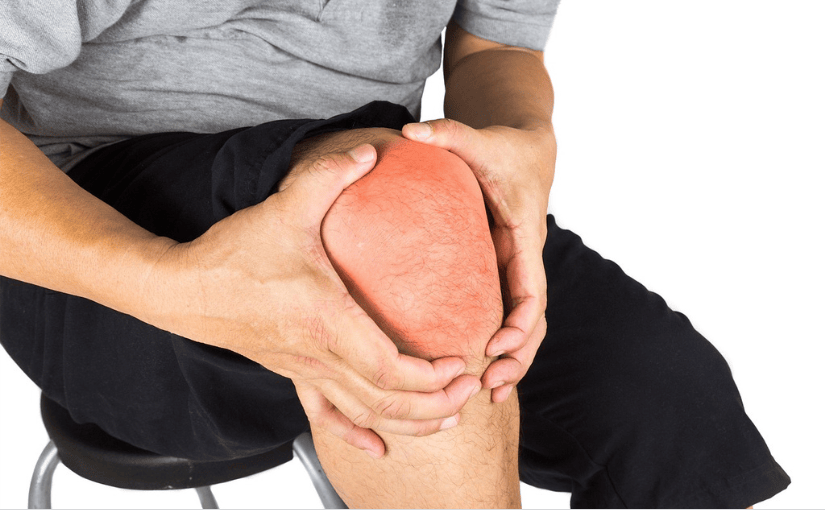
Chiropractic Therapy: Your Solution for Lasting Knee Pain Relief
The most frequent causes of knee pain include aging, injury, and repeated stress on the joint. Over time, these factors can wear down the knee and lead to ongoing discomfort. It might start as a dull ache or stiffness.
But if ignored, the pain can slowly affect how you move, how much you do, and how you feel overall. In the Philippines, a sedentary lifestyle is a dominant risk factor for knee pain among young adults. This highlights the importance of addressing knee pain early and finding effective treatments.
In this post, we’ll explore why the knee is so vulnerable to pain, what causes it, and how chiropractic therapy can offer a natural, hands-on solution to relieve pain, restore mobility, and support long-term recovery.
What is knee joint pain?
Susceptibility of the knee to pain: Largely due to its complex structure
The knee joint is one of the body’s most heavily used and vulnerable parts. It connects the thigh bone (femur) to the shin bone (tibia), supported by cartilage, ligaments, tendons, and muscles. This complex structure allows for flexibility and support, but it also makes the knee more prone to injury and wear over time.
Substantial biomechanical stresses are endured during:
- Routine daily activities like walking, lifting, climbing stairs, and kneeling place regular strain on the knee joint.
- High-impact pursuits such as jogging, jumping, and playing sports increase the load on the joint, especially when done frequently or without proper form.
These daily and athletic movements may seem minor in isolation, but they accumulate over time. They can lead to long-term strain or injury without proper alignment and muscle support.
Need for effective treatment strategies
A considerable number of individuals experience knee pain at some point in their lives. This includes athletes, older adults, and even younger individuals with repetitive-use injuries. The growing number of cases highlights the importance of having treatment options that are:
- Effective, addressing not just symptoms but the root cause
- Accessible, offering natural, non-invasive alternatives like chiropractic therapy that can be integrated into broader care plans
What are the common causes of knee joint pain?
Knee pain doesn’t always come from one clear injury. In many cases, it’s the result of repetitive stress, poor biomechanics, or wear and tear that builds up over time. Because the knee is such a vital load-bearing joint, even small issues can develop into chronic problems when left unaddressed.
Understanding what’s causing the pain is the first step toward lasting relief.
Sprained or strained ligaments or muscles
Injuries involving the ligaments or muscles of the knee are often caused by a sudden twist or direct impact. The anterior cruciate ligament (ACL) and medial collateral ligament (MCL) are frequently involved, especially in athletic settings. These injuries typically present with localized pain and swelling, often affecting knee joint function and stability.
Tendonitis
Tendonitis in the knee involves inflammation of the tendons, often as a result of repetitive movements like jumping or running. The patellar tendon is particularly vulnerable, leading to a condition often referred to as jumper’s knee. Pain is usually felt just below the kneecap, where tendon irritation develops due to overuse.
Arthritis
Among older adults, arthritis is a leading cause of chronic knee pain. Osteoarthritis in particular can be worsened by excess weight, past injuries, or physically demanding routines. Over time, cartilage breaks down, leading to joint pain and stiffness that can impair daily movement.
Bursitis
The bursae are fluid-filled sacs that reduce friction in the joints. When one becomes inflamed, it can cause significant discomfort. This condition, commonly triggered by frequent kneeling or repetitive pressure, leads to localized swelling and tenderness around the knee.
Iliotibial Band Syndrome (ITBS)
ITBS develops when the iliotibial band, a ligament running along the outside of the thigh, tightens and rubs against the outer knee. This repetitive friction, especially in runners and cyclists, results in sharp lateral knee pain during movement.
Patellofemoral Pain Syndrome (PFPS)
Often called runner’s knee, PFPS is marked by pain around or behind the kneecap. It is typically caused by overuse, muscle imbalance, or poor patellar alignment. The condition leads to discomfort that worsens with activities like climbing stairs or squatting.
How chiropractic addresses knee joint pain
Knee pain doesn’t always start in the knee. Sometimes, the problem begins in the spine or hips, where subtle misalignments shift how your body moves and loads weight. Chiropractic therapy takes a whole-body approach, looking beyond the symptoms to identify and correct the root cause of pain.
- Addresses root causes – A misaligned spine or pelvis can lead to uneven leg length or improper gait, putting excess strain on the knee joint. A doctor of chiropractic evaluates posture, joint function, and spinal alignment to find and correct these underlying issues.
- Restores alignment – Gentle, targeted adjustments help realign the spine, hips, and sometimes the knee itself. Restoring proper alignment reduces mechanical stress on the knee, which can prevent further irritation and support smoother movement.
- Reduces inflammation – Swelling around the joint is common with knee pain, especially after overuse or injury. Certain chiropractic treatment techniques such as manual therapy and soft tissue mobilization, are used to reduce localized inflammation and improve fluid drainage in the area.
- Improves mobility – Tight surrounding muscles and restricted joint movement can make the pain worse. Chiropractic care may involve stretching, soft tissue release, or flexion-distraction therapy that help restore flexibility and improve overall range of motion.
- Provides pain relief – Chiropractic care helps reduce pain naturally through pressure relief, inflammation control, and correction of biomechanical issues.
- Strengthens support – A key part of recovery is rebuilding stability. Chiropractors often recommend rehab exercises to activate the surrounding muscles, improve joint support, and help prevent future injury. This added strength helps the knee stay aligned and function better under daily demands.
These benefits work together to support long-term healing without the need for medication or surgery. Chiropractic therapy offers more than symptom relief. It promotes better movement, stronger support, and a healthier, more balanced body over time.
Move better, feel stronger — starting today
Knee pain can interfere with the way you move, rest, and live. But it doesn’t have to become your new normal. Chiropractic therapy offers a natural, drug-free, and non-invasive way to ease discomfort, restore joint function, and support long-term healing. It focuses on correcting the source of pain to reduce strain and help your joints function properly again.
At Posture Perfect Chiropractic, our experienced doctors of chiropractic are here to support your recovery through personalized, hands-on care. From assessment to targeted chiropractic treatments, your care plan is built around what your knees need to move well and heal fully.If your knees are holding you back, it’s time to change that. Start with one appointment.
Frequently Asked Questions
Yes. Chiropractors assess how your spine, hips, and knees are working together. Correcting misalignments can ease joint stress, improve function, and reduce pain.
Chiropractic care is generally safe and works well alongside other treatments. A licensed doctor of chiropractic will adjust your care based on your condition and comfort level.
Some patients notice improvement within a few sessions, especially when knee pain stems from misalignment. Consistent care and guided exercises often lead to longer-lasting relief.