
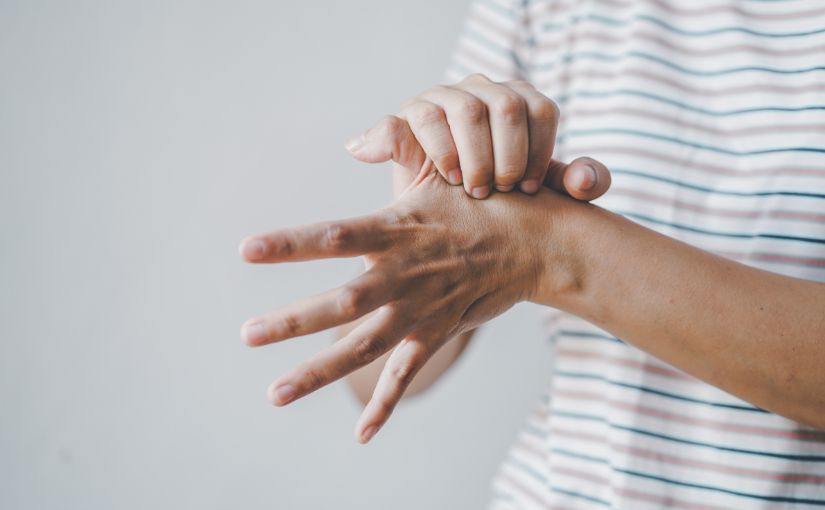
Chiropractic Treatment for Hand and Finger Stiffness
Main points:
- Chiropractors use specific adjustments and hands-on techniques to help your joints move better, make your hands more flexible.
- Nerve compression causes hand and finger stiffness by disrupting communication between your brain and muscles.
- Chiropractic care uses the kinetic chain principle, which views your body as a connected system.
Your hands and fingers are incredibly complex and important parts of your body. They let you do both powerful tasks like gripping things tightly and gentle tasks like picking up small objects. For your hands to work properly, your bones, cartilage, ligaments, tendons, and muscles all need to work together smoothly.
When something goes wrong with this system, your hands can become stiff. Stiff hands are a common problem that can make everyday tasks harder and affect your ability to work, enjoy hobbies, and do the things you normally do.
Chiro therapy can help with stiff hands and fingers. Doctors of chiropractic use specific adjustments and hands-on techniques to help your joints move better, make your hands more flexible, and fix the physical problems that are causing the stiffness.
Read on for details about how chiropractic therapy can help with stiff hands and fingers.
What are the common causes of hand and finger stiffness?
Hand and finger stiffness is a common problem that usually develops slowly over time. Understanding why your hands feel stiff is key to finding the right treatment. Below, we’ll look at the most common causes of hand and finger stiffness.
- Trigger finger (Stenosing tenosynovitis).
- Osteoarthritis (OA)
- Nerve Compression (Cervical spine and wrist)
- Repetitive Strain Injury (RSI)
Trigger finger
Trigger finger is a condition where your finger or thumb gets stuck when you try to bend it, then suddenly pops straight like pulling a trigger on a gun. This is a fairly common problem that can happen to any finger, though it usually affects the ring finger or thumb. The sticking and stiffness are typically worse when you first wake up in the morning.
The risk factors of trigger finger are as follows:
- Repeated hand movements. Jobs or hobbies involving repetitive gripping or hand motions (such as using tools or playing instruments) increase your risk.
- Other health problems. People with diabetes or rheumatoid arthritis are more likely to develop this condition.
- Age and gender. Women over 50 are most commonly affected.
Osteoarthritis (OA)
Osteoarthritis (OA) causes hand and finger stiffness when the protective cartilage within the joints breaks down due to “wear-and-tear.” This is a widespread problem according to the World Health Organization, in 2019, approximately 528 million people around the world were affected by the said condition.
This process leads to stiffness through three primary steps:
- Friction and swelling. When cartilage wears away, bones rub together, causing pain and ongoing inflammation.
- Bone spurs. Your body tries to protect the joint by growing extra bits of bone called bone spurs.
- Limited movement. The swelling, bone rubbing, and bone spurs work together to restrict how much you can move your joints, leading to stiffness, swelling, and ongoing pain.
Nerve Compression (Cervical spine and wrist)
Nerve compression causes hand and finger stiffness by disrupting communication between your brain and muscles. When tissues swell or become injured, they can squeeze nerves passing through narrow spaces in your joints. This pressure prevents the nerves from sending proper signals to your hand muscles, resulting in weakness, numbness, and poor coordination. Although your joints aren’t actually stiff, the faulty nerve signals make it difficult to grip or move your fingers, creating a feeling of stiffness that affects everyday activities.
Repetitive Strain Injury (RSI)
Repetitive Strain Injury (RSI) causes hand stiffness through constant low-level damage and swelling in your muscles and tendons. Repeated movements like typing or gripping tools strain the soft tissues in your forearm, wrist, and hand, causing inflammation and conditions like tendonitis. This swelling prevents your tendons from gliding smoothly, leading to stiffness, pain, and weakness in your hands and fingers.
How does chiro therapy treat hand and finger stiffness
Chiro therapy offers a hands-on and drug-free approach to treat stiff hands and fingers. Doctors of chiropractic are trained to work with all the joints in your body, including the small joints in your hands. The goal is to help you perform daily activities with less pain and better mobility.
The said holistic treatment delivers pain relief and improved mobility through the following methods.
Targeted Joint Adjustments and Mobilization
Chiropractors are trained to adjust more than just the spine—they also specialize in working with the joints in your arms, hands, and fingers. Through gentle, precise spinal adjustments, they can restore movement to the small, restricted joints in your hands and wrists that have become stiff or misaligned.
Chiropractic care uses the kinetic chain principle, which views your body as a connected system. Finger stiffness may actually come from problems in your wrist, elbow, or neck. When one area is misaligned, it puts extra stress on the others. By adjusting the entire chain—from your neck through your shoulder, elbow, and wrist—chiropractors reduce strain on your hands and restore normal movement throughout your arm.
Advanced soft tissue therapies for tendon health
Beyond joint adjustments, chiropractors use specialized soft tissue techniques to address problems with tendons and muscles. These methods are particularly effective for breaking down scar tissue and releasing tight tendons that contribute to conditions like trigger finger and tendonitis.
- Active Release Technique (ART). A hands-on method where the chiropractor applies precise pressure and movement to release adhesions—sticky areas where tissues have become stuck together—around the flexor tendons in your hands. This deep-tissue technique helps restore the smooth gliding motion your tendons need to function properly.
- Instrument-Assisted Soft Tissue Mobilization (IASTM). Also known as the Graston Technique, uses specialized stainless steel tools to locate and break up scar tissue around the tendon sheath. These instruments allow the chiropractor to detect areas of restriction and systematically work through them, promoting healing and improved flexibility.
Restoring nerve function
When nerve compression contributes to hand stiffness—such as in carpal tunnel syndrome—chiropractic adjustments can provide significant relief. By adjusting the wrist and neck (cervical spine), chiropractors can reduce pressure on the median and ulnar nerves that control sensation and movement in your hands. Relieving this nerve pressure helps decrease stiffness, tingling, numbness, and weakness, allowing your hands to function more normally. This approach addresses the root cause of nerve-related stiffness rather than just masking the symptoms.
Take the first step toward pain-free hands
Hand and finger stiffness doesn’t have to hold you back. Whether caused by trigger finger, arthritis, nerve compression, or repetitive strain, chiropractic care provides effective, drug-free relief. Through targeted adjustments, soft tissue therapies, and a whole-body approach, chiropractors address the root causes of stiffness to restore your hand function and help you return to the activities you enjoy.
Don’t let stiff, painful hands hold you back any longer. At Posture Perfect Chiropractic, our experienced team specializes in treating hand and finger stiffness using proven techniques tailored to your specific needs. We’ll work with you to identify the underlying causes of your discomfort and create a personalized treatment plan to restore your mobility and improve your quality of life.
Call us now or book your appointment online.
Frequently asked questions
Chiropractors use targeted joint adjustments, soft tissue therapies like Active Release Technique (ART), and instrument-assisted soft tissue mobilization (IASTM) to improve joint mobility, break down scar tissue, and relieve nerve pressure.
The kinetic chain principle views the body as interconnected. Misalignment in the neck, shoulder, elbow, or wrist can strain the hands, so chiropractors adjust the entire chain to restore normal movement and relieve stiffness.
Yes. Adjustments to the wrist and cervical spine can reduce pressure on nerves, alleviating symptoms like tingling, numbness, and weakness, improving hand function.
Chiropractic care offers a natural, drug-free approach by addressing underlying causes through hands-on therapies rather than symptom masking.