
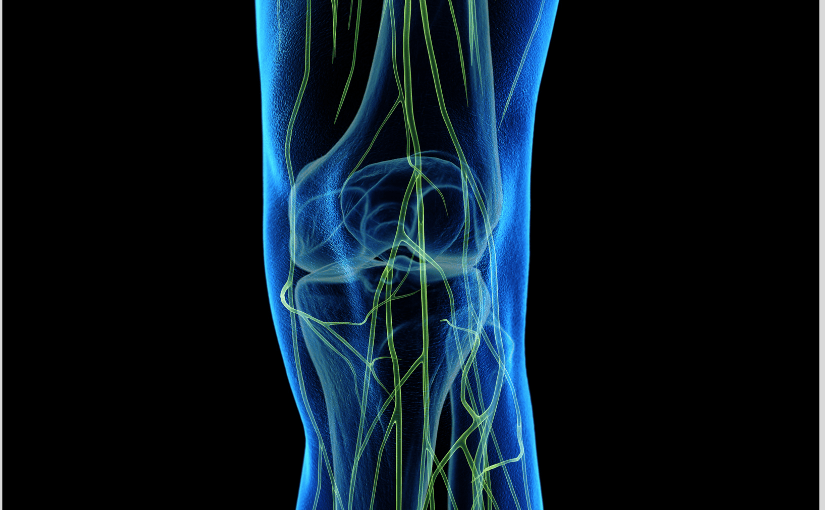
How to Enhance Femoral Nerve Function Through Chiro Therapy
Main points:
- The femoral nerve is a principal orchestrator of lower limb movement and sensation.
- When your femoral nerve is working properly, you can feel touch, pressure, and temperature changes throughout these areas of your leg and foot.
- Chiro therapy improves the femoral nerve by aligning the spine, especially the lumbar region.
Your ability to walk, stand, and move through daily life relies on the femoral nerve, which is the largest of five nerve branches from your lumbar plexus in the lower spine. You have one femoral nerve on each side of your body that controls hip and knee movement while transmitting sensations of touch, pain, and temperature from your legs to your brain.
This nerve is important for basic activities like walking, standing, and climbing stairs, as it controls thigh muscles and provides sensation to the front and inner thigh, knee, and lower leg areas. When lower spine issues such as misalignments, disc problems, or muscle tension interfere with femoral nerve function, you may experience pain, numbness, tingling, or weakness throughout your leg. Simple tasks can become unexpectedly difficult.This is where chiro therapy comes in. It addresses these problems at their source by restoring proper spinal alignment, reducing nerve interference, and supporting your body’s natural healing processes—helping you regain comfortable, confident movement.
What are the key functions of the femoral nerve?
The femoral nerve is a principal orchestrator of lower limb movement and sensation. Its comprehensive innervation patterns underscore its critical role in daily mobility and proprioception. They are elaborated in the succeeding paragraphs.
- Motor functions
- Sensory innervation
- Joint innervation and reflexes
Motor Functions
The nerve controls the big muscles that flex the hip, including the iliacus, pectineus, and sartorius, which are necessary for bending the hip. It also supplies all four heads of the quadriceps femoris muscle—the rectus femoris, vastus medialis, vastus intermedius, and vastus lateralis—the main extensors of the knee. A weakness in the iliopsoas muscle, for example, can cause significant difficulty in hip flexion and impede activities like climbing stairs.
Sensory Innervation
Beyond helping you move, the femoral nerve also plays a key role in how you feel sensations in your leg. The nerve splits into different branches that provide feeling to various areas of your lower body.
One part of the nerve creates smaller nerves that give sensation to the skin on the front and inner parts of your thigh. Another part becomes the saphenous nerve, which is the largest sensory branch of the femoral nerve. This nerve provides feeling to the skin along the inner side of your leg, extending down to the inner part of your foot and even reaching your big toe.
This means when your femoral nerve is working properly, you can feel touch, pressure, and temperature changes throughout these areas of your leg and foot.
Joint Innervation and Reflexes
The femoral nerve also innervates the hip and knee joints and provides proprioceptive feedback—the body’s sense of its position and movement in space. Notably, the nerve to the vastus medialis muscle has a high density of proprioceptive fibers from the knee joint and is therefore thicker. The femoral nerve is also part of the patellar tendon reflex, a common clinical test to assess the function of the L3-L4 spinal nerve roots.
How can chiro therapy improve femoral nerve health
Chiropractic therapy focuses on the close connection between your spine, nervous system, and overall well-being. Since the femoral nerve comes from your lower back, problems in that area can directly affect how this nerve works. This is why the said holistic treatment can be especially helpful in supporting and improving femoral nerve function.They’re elaborated in the succeeding paragraphs.
- Aligning and decompressing the spine
- Reducing muscle tension and spasm
- Enhancing nervous system function
- Providing holistic approach and lifestyle advice
Aligning and decompressing the spine
Chiro therapy improves the femoral nerve by aligning the spine, especially the lumbar region. When the bones in said region are out of place, they can press on the nerve roots that make up the femoral nerve. Chiropractic doctors perform careful, gentle adjustments to put your spine back into proper position, which takes pressure off these nerve roots and allows the nerve to work normally. Relieving this pressure can greatly reduce pain, numbness, and weakness in your leg.
Reducing muscle tension and spasm
Tight muscles in your lower back, pelvis, or hip puts pressure on or irritate the femoral nerve. Chiropractic doctors use hands-on techniques, stretching, and targeted adjustments to help these muscles relax, which further reduces stress on the nerve.
Enhancing nervous system function
Aside from relieving direct pressure and tension in the femoral nerve, chiro therapy improves how the whole nervous system functions. This is by removing blockages in the spine. By doing so, the brain communicates better with the rest of the body. When this happens, the said system works more effectively and efficiently, tapping the body’s natural ability to heal itself, decreasing inflammation along the way.
Providing holistic approach and lifestyle advice
Chiropractors look at more than just your spine, they often give you complete lifestyle guidance, including:
- Better Body Mechanics: Tips on how to sit, stand, and lift properly to avoid injuring yourself again or putting more pressure on your nerves.
- Targeted Movement: Specific stretches and exercises to make your supporting muscles stronger, keep you flexible, and maintain a healthy spine.
- Posture Help: Teaching you how to maintain good posture to reduce stress on your lower back and pelvis.
When to seek professional chiro therapy for femoral nerve problems
If you’re experiencing femoral nerve symptoms like painful thigh, numbness or tingling in your knee, it’s best to seek professional chiro assessment. A chiro doctor is going to perform an examination, including specific tests for bones, joints, and nerves, to properly identify what’s causing the aforementioned symptoms.
Remember that chiro therapy isn’t a miracle solution for femoral nerve ailments. However, it can improve muscle-related dysfunction to provide a safe and effective holistic approach for pain reduction, movement improvement, and improved quality of life.
At Posture Perfect Chiropractic, we focus on supporting a healthy spine, which helps your entire nervous system—including the important femoral nerve—work at its best.Contact us today and schedule an appointment.
Frequently asked questions
The femoral nerve manages hip and knee movement while enabling you to sense touch, pressure, and temperature in your thigh and inner leg. This nerve is crucial for basic activities like walking, standing, and going up stairs.
The femoral nerve originates in the lower back (lumbar spine) and travels through the pelvis into the front of the thigh. Each side of your body has one femoral nerve.
Common symptoms include pain, numbness, tingling, or weakness in the front of the thigh, knee, or lower leg. It may also cause difficulty walking or climbing stairs.
Issues such as spinal misalignments, herniated discs, muscle spasms, or trauma to the lower back and pelvis can compress or irritate the femoral nerve.