
Unlock Relief: Chiropractic Treatment for Patella Pain and Knee Health
Main Points:
- By improving posture and movement patterns, chiropractic therapy helps ease pressure on the kneecap and supports better knee function.
- One of the most frequent reasons people feel pain around the kneecap is Patellofemoral Pain Syndrome, or PFPS
- A doctor of chiropractic looks beyond the pain itself. They check how your spine, hips, and legs are working together, and what might be throwing things off.
Your kneecap, or patella, supports everyday movements like walking, climbing stairs, and sitting. When it isn’t working well, even simple tasks can feel painful or limiting.
A 2024 study in the Journal of Orthopaedic Surgery and Research found that patellar misalignment is linked to knee osteoarthritis and reduced mobility. Another study in Frontiers in Bioengineering and Biotechnology noted that the kneecap bears up to five times your body weight during walking.
That’s a lot of strain for a small bone. This is where chiropractic therapy can help. By improving posture and movement patterns, it helps ease pressure on the kneecap and supports better knee function.
What is the Patella, and Why is it Important?
The patella, or kneecap, is a small, triangle-shaped bone that sits at the front of your knee. It’s tucked within the tendon of the quadriceps muscle and connects to the shinbone through the patellar ligament. Think of it as a built-in guide that helps your knee move the way it should.
The patella plays two big roles in how your knee works every day:
- It shields the joint from direct impact, especially during falls or bumps.
- It helps your leg straighten more easily by increasing the strength of your thigh muscles when you move. This extra support makes actions like walking or getting up from a chair feel smoother and easier.
When the patella stays in its proper track during movement, the whole knee feels more stable. But if it shifts out of place or moves unevenly, it can cause pain, stiffness, or a feeling of the knee “giving out.”
By understanding how the patella works, it’s easier to see why knee comfort depends on more than just muscle strength—it’s also about movement patterns and joint support.
Why is PFPS a Common Source of Knee Discomfort?
One of the most frequent reasons people feel pain around the kneecap is Patellofemoral Pain Syndrome, or PFPS. This condition affects the area where the patella meets the femur (thigh bone) and is often described as a dull, aching pain at the front of the knee.
It doesn’t just affect runners. PFPS can impact anyone whose knees are under repeated stress, whether from squatting, climbing stairs, or long hours on the job. According to a clinical review by StatPearls, PFPS is especially common in people who perform repetitive knee-bending activities, regardless of athletic background.
Other signs of PFPS may include:
- Pain during or after sitting for long periods
- Discomfort when walking downhill or kneeling
- A feeling of tightness or grinding behind the kneecap
PFPS often develops slowly over time rather than from a single injury. The good news is that early support can make a big difference. Approaches like stretching, strength training, and chiropractic treatment can help manage pain, improve movement patterns, and reduce the pressure placed on the patella.
What Causes Patellofemoral Pain Syndrome?
PFPS doesn’t just affect athletes; it can impact anyone whose knees are under repeated stress. Understanding its causes can help in prevention and management.
- Overuse injuries – Repetitive activities like running, jumping, or occupations involving frequent knee bending (e.g., gardening, plumbing, construction) can strain the knee joint. Such overuse is a primary contributor to PFPS.
- Injury or trauma – Direct impacts or falls can damage the kneecap, leading to pain and dysfunction associated with PFPS.
- Muscle imbalance – Weakness or tightness in the muscles around the hip and knee can disrupt kneecap alignment, increasing the risk of PFPS.
- Biomechanical factors – Conditions like flat feet or improper movement patterns can alter knee mechanics, contributing to PFPS.
Addressing these factors through targeted exercises, proper footwear, and chiropractic treatment can alleviate symptoms and improve knee function.
How Can Chiropractic Therapy Help with Patella Pain?
When your knees hurt, it’s easy to feel stuck, like every step could make things worse. That’s where chiropractic therapy can lend a hand. It’s not just about cracking backs; it’s about helping your whole body move better so your knees don’t carry more stress than they should.
A doctor of chiropractic looks beyond the pain itself. They check how your spine, hips, and legs are working together, and what might be throwing things off.
Here’s how chiropractic treatment can make a difference:
- Spinal adjustments: These help restore balance in your posture, which reduces uneven pressure on your knees.
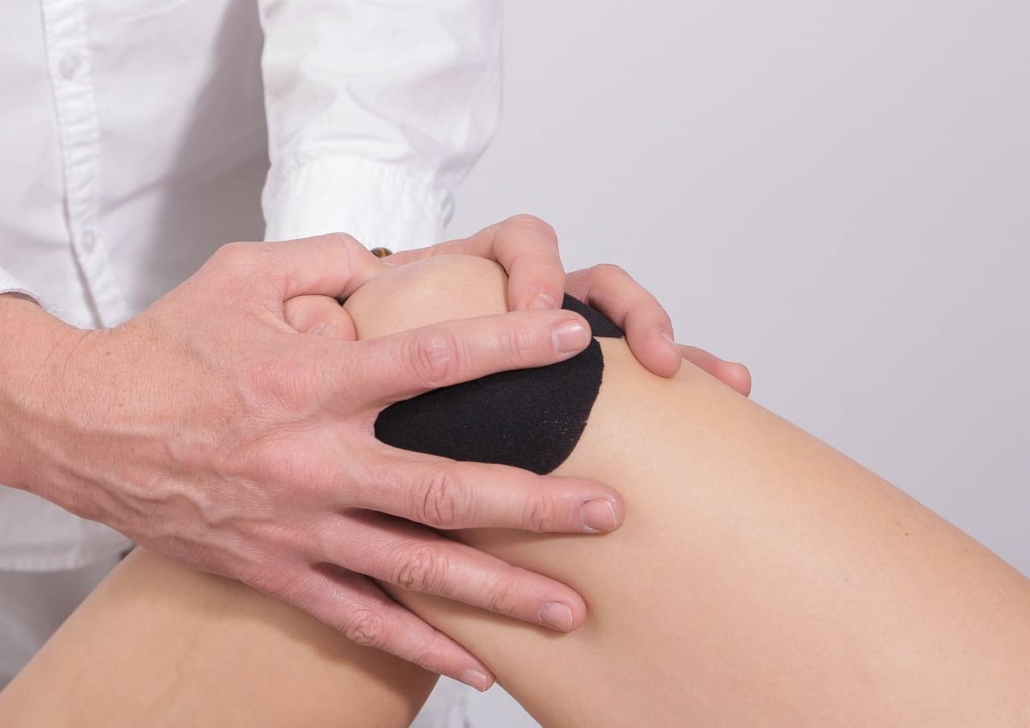
- Knee joint mobilization: A hands-on technique that gently improves knee movement and helps the patella track properly.
- Soft tissue massage: Focuses on easing tightness in nearby muscles like your quads and hamstrings, which can pull on the kneecap.
- Muscle balance support: Chiropractors may guide you through simple exercises to strengthen weak muscles and release tension in overactive ones.
- Better movement habits: With improved alignment, your body naturally learns how to move with less strain on the knees.
- less strain on the knees.
Studies like this one from Burlington Sports Therapy show that spinal adjustments may help reduce patella pain and strengthen the muscles that support your knees. Another article from Isis Chiropractic Centres explains how combining joint work with soft tissue therapy can make each step more comfortable.
Watch Out for These Chiropractic Red Flags
Chiropractic therapy can be a safe and effective way to manage patella pain, but only when it’s done with care and professionalism. If you’re exploring your options, here are signs that a provider may not be the right fit:
- Your chiropractor does not perform a full assessment before starting care.
- You’re given the same routine as everyone else, with no adjustments for your specific needs.
- You’re asked to commit to a long treatment plan without clear reasoning or progress updates.
- The doctor of chiropractic doesn’t take time to explain your condition or answer your questions.
Start Moving Better— Let’s Work on Your Knees Together
Patella pain can make even simple movements feel like a challenge. But small, consistent steps can lead to real relief; and that starts with the right kind of support.
At Posture Perfect Chiropractic, we take a whole-body approach to healing. Our team understands how chiropractic therapy, movement habits, and joint care all work together. When you work with a doctor of chiropractic, you get care that focuses on comfort, alignment, and restoring function, without overwhelming your body or lifestyle.
If you’re ready to feel stronger and move with more ease, we’re here for you. Your knees carry you through life. Let’s help them move better. Book an appointment at Posture Perfect Chiropractic today.
Frequently Asked Questions
Not always. It works best alongside other approaches like physical therapy, stretching, and exercise. A full care plan often gives the best results.
Look for a doctor of chiropractic who listens, explains things clearly, and adjusts your care based on how you feel, not someone who pushes one-size-fits-all treatments.
No. While some people benefit from ongoing care, your chiropractor should reassess your needs regularly and focus on helping you move independently again.