
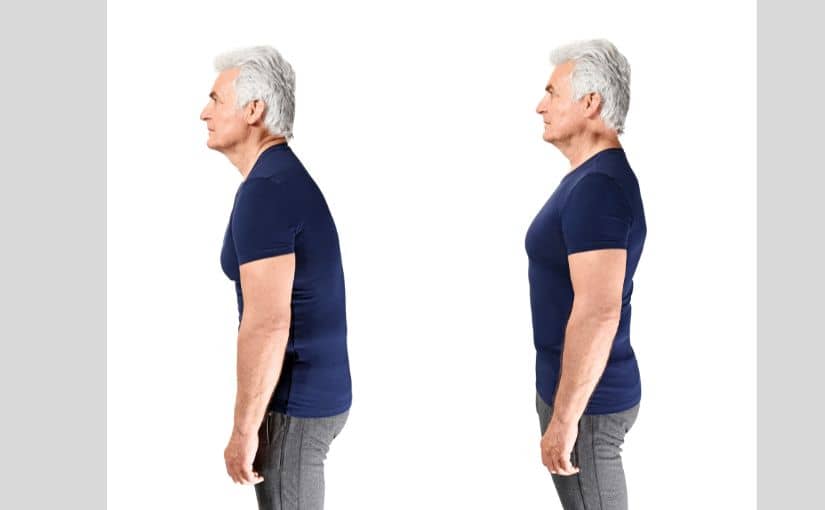
Chiropractic Therapy for Lordosis
Main points:
- Swayback, also called lordotic posture or lumbar hyperlordosis, is a common postural problem where your lower back curves inward too much.
- Chiropractic care provides an effective, non-invasive way to correct swayback by addressing the underlying cause: spinal misalignment.
- Lordotic posture can be corrected, but you should seek professional treatment if your symptoms continue or get worse.
Postural problems affect a significant number of Filipinos. A 2013 study at the University of Baguio suggests that 85% of the 281 employees and students assessed had postural deviations or asymmetries, including lordotic posture and spinal misalignments.
The good news is these conditions aren’t permanent. Chiropractic therapy offers effective solutions for correcting postural imbalances and preventing them from worsening.
Understanding lordotic posture and the benefits of the said holistic treatment can help patients who are looking to fix their posture and improve their overall health and well-being. Read on for details.
What is lordotic posture
Lordotic posture occurs when your spine curves forward more than it should. Your spine naturally curves in your neck and lower back to help you stand upright and absorb shock when you move. But when these curves become too deep, the condition is called lordosis. The most common type affects the lower back, often called “swayback.”
If you have this, your hips tilt forward, your stomach pushes out, and your buttocks stick out more than normal. When you lie on your back, you’ll notice a large gap between your lower back and the floor. Lordosis can also affect your neck, pushing your head forward beyond its normal position. Essentially, lordotic posture means your spine has lost its alignment (subluxation), causing parts of your body to shift out of place.
What are the symptoms of lordotic posture
The most common sign of lordotic posture is muscle pain. This happens because the excessive spinal curve pulls your muscles in unnatural directions, making them tighten up or cramp.
Other symptoms include:
- Visible posture change. Your lower back curves inward noticeably, making your stomach and buttocks stick out when you stand.
- Reduced movement. You may have trouble bending or moving your lower back or neck freely.
- Gap when lying down. When you lie flat on a hard surface, there’s a large, obvious space between your lower back or neck and the floor.
In serious cases, lordosis can squeeze the spine and cause nerve-related problems that need immediate medical help:
- Numbness
- Tingling or shock-like pains
- Muscle weakness
- Loss of muscle control
- Bladder control problems
What are the causes of lordotic posture
Lordosis can develop at any age. Several conditions and factors may increase your risk:
- Spondylolisthesis. A spinal condition where a lower vertebra slips forward out of position. Treatment typically involves physical therapy or surgery.
- Achondroplasia. A common form of dwarfism that affects bone growth and can impact spinal curvature.
- Osteoporosis. A bone disease that weakens bone density, making fractures more likely and potentially affecting spinal alignment.
- Osteosarcoma. Bone cancer that commonly develops near the knee or shoulder and can affect spinal structure.
- Obesity. Excess weight puts additional strain on the spine and increases risk for various health conditions, including postural problems.
How does chiro therapy fix lordotic posture
Chiropractic takes a different approach to treating lordotic posture. Through targeted spinal adjustments, chiropractors correct the misalignments causing the exaggerated curve. By restoring your spine’s proper alignment, your posture improves naturally, pressure on muscles decreases, and your body can function the way it’s designed to. Pain relief becomes a natural result of fixing the root cause, not just covering up symptoms.
This structural correction approach means longer-lasting results. Instead of relying on temporary fixes, you’re building a foundation for better posture and overall spinal health.
What treatments does chiropractors use to treat lordotic posture
Doctors of chiropractic correct lordotic posture through a three-part approach: spinal adjustments, soft tissue therapy, and rehabilitative exercises.
- Spinal adjustments
- Soft tissue therapy
- Postural and rehabilitative training
Spinal adjustments (restoring mobility)
Using techniques like Diversified or Gonstead methods, chiropractors gently realign vertebrae that have tilted forward excessively. These precise adjustments reduce the exaggerated lower back curve, relieving pressure on spinal discs and joints while improving your range of motion.
Soft tissue therapy (addressing muscle imbalances)
Manual stretching and myofascial release target tight muscles, especially hip flexors and lower back extensors, that pull your pelvis forward. Loosening these muscles releases chronic tension and prevents your body from reverting to poor posture after adjustments.
Postural and rehabilitative training (long-term stability)
Your chiropractor prescribes specific exercises to strengthen core and gluteal muscles that support proper alignment. These targeted movements lock in the corrections from adjustments, making your improved posture permanent rather than temporary. According to a study that was published in Springer Nature Link, postural control can be improved by rehabilitative training that includes balance exercise interventions.
This integrated approach addresses lordotic posture at every level: restoring spinal alignment, releasing muscle tension, and building strength for lasting results.
When to seek chiropractic treatment for lordotic posture
You should seek professional treatment if you experience:
- Pain symptoms. Neck or lower back pain may initially respond to over-the-counter anti-inflammatory medication and stretching exercises, but persistent pain warrants a chiropractic evaluation.
- Progressive curve. The lordotic curve continues to worsen despite self-care measures.
- Rigid curve. Your spine feels stiff and doesn’t flex naturally when you bend forward or backward. A flexible curve that moves with your body typically requires less intervention.
- Neurological symptoms. Seek immediate medical attention if you develop numbness in your hands or feet or tingling or electric shock sensations.
Take the first step to lordotic posture treatment
Chiro therapy addresses the root cause of lordotic posture—spinal misalignment—not just the symptoms. Through spinal adjustments, soft tissue therapy, and targeted exercises, treatment restores your body’s natural alignment and builds lasting spinal health.
Don’t let lordotic posture control your life. At Posture Perfect Chiropractic, we specialize in correcting spinal misalignments and helping patients achieve lasting postural improvements.
Book an appointment today.
Frequently asked questions
No, lordotic posture can be improved and often corrected with proper chiropractic care, exercises, and postural training, especially if intervention occurs before the curve becomes fixed or structural.
Severe lordosis may compress spinal nerves, causing neurological symptoms requiring urgent medical attention, including numbness, tingling, muscle weakness, or bladder control loss.
Results vary based on severity but typically involve gradual improvement as spinal alignment restores, muscle tension decreases, and strength increases through consistent therapy and exercises.