
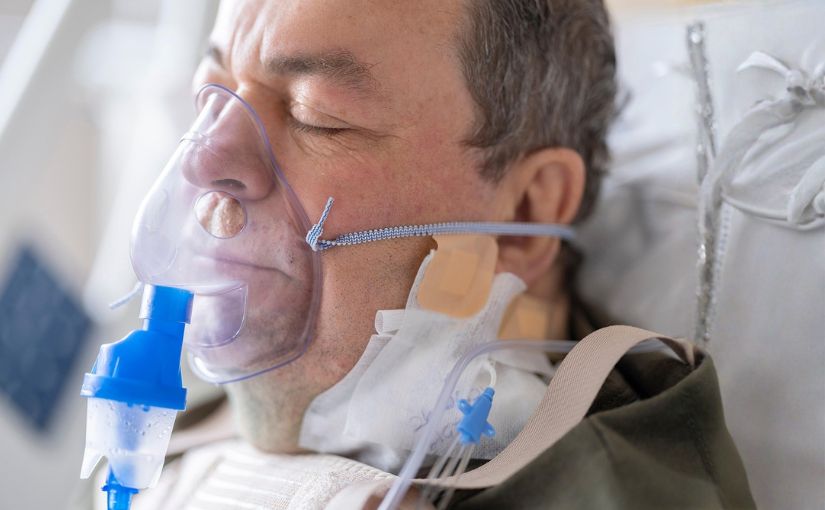
Chiropractic Care for Post-Pneumonia Recovery and Better Breathing
Main points:
- Pneumonia can cause lasting strain on the ribs, spine, and breathing muscles, even after treatment.
- Chiropractic care may help improve chest expansion, diaphragm function, and posture during recovery.
- Posture Perfect Chiropractic offers hands-on care to support movement, breathing, and nerve health after illness.
Pneumonia is still one of the top causes of death in the Philippines. As of January 2025, it accounted for 6.5% of reported deaths, based on official government data from the Philippine Statistics Authority.
Antibiotics and medical care are necessary to treat the infection. But once the fever breaks and the lungs begin to clear, the body may still need support. Days of coughing, bed rest, and shallow breathing can leave the rib cage strained, posture misaligned, and energy levels low.
Chiropractic care may help during recovery by improving movement, easing muscle tension, and supporting healthy breathing mechanics. It does not replace medication or medical advice. Instead, it works alongside treatment to help the body regain normal function.
In this blog, we’ll explain what pneumonia does to the body, the physical strain it can leave behind, and how chiro therapy may support breathing, movement, and recovery after infection.
What is Pneumonia
Pneumonia is a lung infection that makes it harder for the body to take in oxygen. It causes inflammation in the air sacs of the lungs, which may fill with fluid or pus. This condition can range from mild to severe, depending on the person’s age, health, and how quickly it is treated.
Here are some of the most common symptoms:
- Cough with mucus – May produce green, yellow, or even bloody mucus.
- Fever or chills – Often includes sweating or shivering.
- Chest pain – Usually sharp and worse with deep breathing or coughing.
- Shortness of breath – Breathing may feel fast or shallow.
- Fatigue and weakness – General low energy or feeling tired all day.
- Bluish lips or nails – In severe cases, a sign of low oxygen levels.
Some people are more likely to develop pneumonia or experience serious symptoms. These risk factors include the following:
- Older adults and young children – Especially those under age 2 or over 65.
- People with lung problems – Such as asthma, COPD, or other chronic conditions.
- Those with weak immune systems – Including individuals with cancer or on immune-suppressing medication.
- Smokers and people in group living environments – Where exposure and reinfection are more likely.
- People with heart, liver, or brain conditions – These can make it harder for the body to fight infection.
Pneumonia doesn’t just affect the lungs; it can also change how the body moves, breathes, and responds during recovery.
What are the Biomechanical Effects of Pneumonia
Pneumonia doesn’t only impact the lungs. It also affects how the body moves, breathes, and recovers. As the infection clears, the physical stress caused by coughing, chest tightness, and inactivity may lead to changes in posture, joint movement, and muscle function.
Here are three key ways pneumonia can affect the body’s mechanics during and after infection:
- Coughing stresses the ribs and spine
- Reduced rib mobility and shallow breathing
- Diaphragm and nerve connection
Read on for details.
- Coughing stresses the ribs and spine. Persistent coughing can place strong, repeated pressure on the rib cage and thoracic spine. Over time, this may cause soreness, joint irritation, or minor misalignments in the mid-back.
- Reduced rib mobility and shallow breathing. When a rib becomes stiff or misaligned, it can limit the chest’s ability to expand. This restricts deep breathing and makes it harder for the lungs to take in enough oxygen—especially during recovery when the body needs more energy.
- Diaphragm and nerve connection. The diaphragm is the main muscle that controls breathing. It relies on signals from the phrenic nerve, which originates in the neck. If this area becomes tense or misaligned, it may reduce the diaphragm’s ability to contract and relax fully.
How Chiro Therapy Can Aid in Pneumonia Recovery
Recovering from pneumonia isn’t just about clearing the infection. Many people continue to deal with stiffness, shallow breathing, and muscle tension. These issues can make it harder for the body to return to normal function.
Chiropractic care may support recovery by improving movement and easing pressure in key areas. Here’s how it may help:
- Spinal Alignment and Posture
- Improved Chest and Lung Expansion
- Diaphragm Function and Nerve Connection
- Muscle Tension Relief
- Improved Nerve Function
Spinal Alignment and Posture
Adjustments in the thoracic spine (neck) target joints that connect to the rib cage. When these joints are stiff or out of place, the ribs may not move well. Realigning this area can reduce tension and help the chest expand more freely.
Improved Chest and Lung Expansion
Muscles around the chest can tighten during illness. This limits how fully the lungs can expand. Chiropractic care may help reduce that tightness and improve rib and spine movement. These changes may support deeper breathing as the lungs heal.
Diaphragm Function and Nerve Connection
The diaphragm is the main muscle used for breathing. It relies on the phrenic nerve, which starts in the neck at C3, C4, and C5. Tension or misalignment in this region may affect how well the diaphragm moves. Chiropractic care may help improve this nerve connection.
Muscle Tension Relief
When breathing becomes harder, the neck and chest muscles work harder too. These muscles often become tight or sore. Chiropractic care may help release that tension, allowing for easier and more natural breathing.
Improved Nerve Function
Joint restrictions can create local nerve irritation. This may contribute to muscle tension and affect how easily you breathe. Restoring joint movement may help reduce this irritation and improve overall body coordination.
These outcomes are part of the focused care approach offered at Posture Perfect Chiropractic.
Important Note: Chiropractic care is intended as supportive therapy during the recovery phase, after medical clearance. It does not treat pneumonia or replace medical care. If you still have fever, active infection, severe breathing difficulty, or complications from pneumonia, consult your physician before seeking chiropractic treatment.
Help Your Body Move and Breathe Again
If you’re still dealing with tightness, discomfort, or shortness of breath after pneumonia, you’re not alone. These symptoms can linger long after the infection clears.
At Posture Perfect Chiropractic, we help restore movement, improve posture, and ease tension in the chest, spine, and neck; areas that often stay tight after pneumonia. Our care supports your breathing and helps your body regain the strength and comfort you had before.Book an appointment today! Let’s work on what’s left after the illness—so you can breathe easier and move better again.
Frequently asked questions
Pneumonia causes inflammation in the lungs, which makes breathing harder. Coughing, bed rest, and shallow breathing can also strain the chest, ribs, and spine.
Poor posture limits chest expansion and reduces lung capacity. Proper spinal alignment helps the rib cage move more freely, making it easier to take full breaths during recovery.
Chiropractic care addresses rib stiffness, joint restrictions, and muscle tension caused by prolonged coughing and inactivity. These issues can interfere with breathing and slow down recovery.