
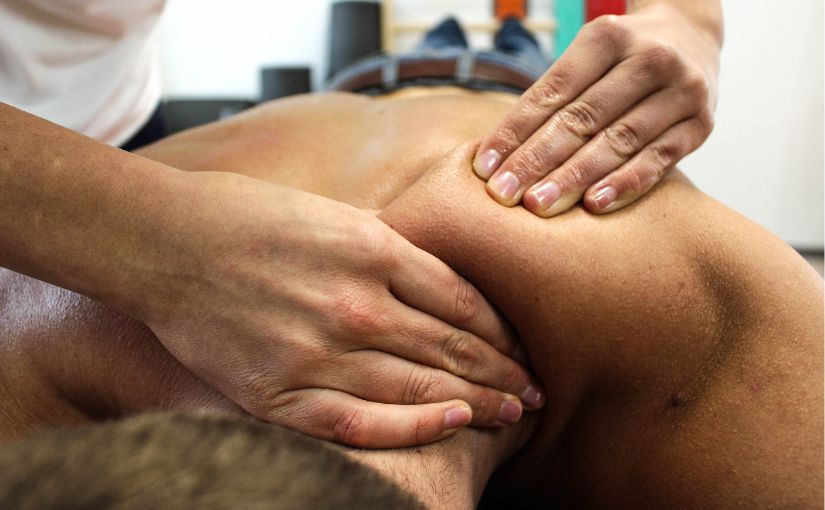
Bone Setting vs. Chiro Therapy: Which One Is Right for You?
Main points:
- Bone setting is a traditional hands-on practice aimed at realigning bones and joints. Practitioners usually have no formal training, licensing, or standard curriculum.
- Chiropractic therapy is a regulated, science-based approach using controlled joint and spinal adjustments to relieve pain and improve movement.
- Some untrained individuals pose as bone setters or chiropractors, skipping proper patient assessment entirely.
A survey in the Philippine Journal of Internal Medicine found that about 10.4% of Filipino adults suffer from chronic pain that ranges from moderate to severe. It’s more common among women and older people, and it most often affects the knees, shoulders, and lower back.
With so many people looking for musculoskeletal pain relief, two treatments have been getting more attention: bone setting and chiro therapy. Both focus on the bones, joints, and muscles. Both aim to reduce pain without surgery or medicine. But they work differently, and knowing how can help you decide which one is right for you.
What are the causes of musculoskeletal pain?
Musculoskeletal pain comes from injuries, chronic ailments, or habits that damage or strains the muscles, ligaments, joints, or tendons. This can develop from a single incident or build up after some time.
Common causes include:
- Traumatic injuries. Falls, accidents, or sudden impact that strains or tears soft tissue.
- Poor posture. Slouching at a desk or looking down at your phone for hours puts constant stress on your spine and muscles.
- Stress. Tension in the body from emotional or mental stress often shows up as tightness in the neck, shoulders, or back.
- Inflammatory conditions. Illnesses like arthritis or sciatica cause ongoing pain and stiffness in the joints and surrounding tissue.
Read our article on the Health Risks of Poor Posture that a Chiropractor for Posture Can Address
What is traditional bone setting?
Traditional bone setting or TBS is a traditional healing practice that involves manually manipulating or “pulling” the bones to restore alignment, especially when muscles, joints, or ligaments become misaligned or subluxated. Practitioners known as bone setters believe that this realignment can decompress affected areas and improve circulation, easing back discomfort.
How bone-setters get training
Traditional bone setters generally don’t go through formal schooling or earn a degree. Their knowledge is almost entirely passed down within families or close communities.
Most bone setters learn by watching and assisting an older, more experienced practitioner, which is often a parent, grandparent, or respected elder in the community. Over time, they take on more responsibility, practicing techniques under guidance until they are trusted to treat patients on their own.
In some traditions, the ability to heal is believed to be a gift, something a person is born with or called to, rather than simply learned. This spiritual dimension shapes not just how they practice, but how they see themselves as healers.
There is no standard curriculum, certification, or licensing process involved. Skills, remedies, and even rituals vary widely from one family or region to the next, making each bone setter’s practice unique to their lineage and local tradition.
Common techniques that traditional bone setters use
Generally passed down through generations, traditional bone setters utilize hands-on techniques to ease pain and discomfort, restore movement, and bring balance to the body.
- Oil massage, kneading, and pressure. Warm oil, usually coconut, is applied first to loosen the muscles. The practitioner then kneads tight spots and presses on sore areas to improve circulation and soften tissue before any adjustment is made.
- Joint manipulation and “pilay” realignment. The bone setter uses firm, controlled hand movements to push the joint back into position, sometimes with an audible pop. The treated region is then wrapped with a splint and covered with herbs like lagundi or ginger to bring down swelling and help it heal.
- Sudden twisting or snapping movements. Quick rotations or bends of the spine, neck, or extremity joints to produce joint cavitation (popping sounds) and perceived realignment.
- Deep massage or hilot. Firm rubbing, kneading, and thumb pressure along muscles and tendons around the painful area before or after the “adjustment” to relax tissues and reduce pain.
- Manual “realignment” of bones. Pressing or pushing on an area that feels “out of place” to move it back into what the practitioner believes is the proper position.
- Splinting and bandaging (more traditional fracture care). After manipulating a suspected fracture, some traditional bone setters apply herbal wrap, improvised splints and tight bandaging to hold the limb still.
The status of bone setting in the Philippines
Despite its historical and cultural significance, bone setting is still an unaccredited practice under the Philippine Institute of Traditional and Alternative Health Care (PITAHC), the government body that regulates traditional and alternative health modalities.
In a story published in GMA Network, Atty. Keenth Almeńe, PITAHC’s Standards and Accreditation Division Chief, notes that while some similarities exist between bone setting and hilot (a traditional Filipino massage technique), their methods are distinct. “It cannot be subsumed under hilot because the techniques used are different,” he explains. PITAHC has yet to complete a thorough evaluation of bone setting’s safety and efficacy.
Almeńe adds, “Once bone setters formally apply for recognition, the public will be more confident in seeking their services, knowing they are properly evaluated and accredited.”
What is chiro therapy
Chiro therapy is a holistic and non-surgical healthcare method that utilizes controlled pressure to adjust your joints, straighten your spine, and relieve pain.
How doctors of chiro get training
In the Philippines, to get certified as a doctor of chiropractic, under the Philippine Institute of Traditional and Alternative Health Care (PITAHC), the government body that researches, develops, and promotes traditional and complementary medicine in the country, applicants need to:
- Have a bachelor’s degree in Health Sciences with a major in Chiropractic from an accredited school, or a degree in Medicine, Nursing, Pharmacy, Nutrition, or Physical Therapy that leads to a doctorate.
- Meet the core subjects that are required by CHED:
- Basic sciences. Chemistry, physics, and biology (typically taken in your first year)
- Pre-clinical sciences. Subjects like anatomy, physiology, biochemistry, pathology, microbiology, pharmacology and toxicology, psychology, nutrition, and public health
- Clinical sciences. How to take a patient’s medical history and perform a physical exam
- Complete specialized chiropractic subjects:
- Neurology and orthopedics as applied to chiropractic care
- How the body moves and is aligned (biomechanics)
- Assessing a patient’s posture and the way they walk
- Hands-on skills like feeling for problems in joints, bones, and soft tissue
The benefits
Chiro adjustments can help relieve pain, improve how well you move, and fix poor posture. They can also reduce migraines and headaches, ease long-term conditions like osteoarthritis, and speed up recovery from minor neck or spine injuries.
Common that techniques that doctors of chiro use
Chiropractors use different hands-on methods depending on your condition to relieve pain and help your body move better. Here are some of the most common ones:
- Spinal manipulation. The chiropractor applies a quick, firm push to a specific part of the spine to bring it back into proper alignment and ease pain.
- Soft tissue therapy. The chiropractor uses their hands to press on tight muscles and surrounding tissue to loosen tension, stop spasms, and help the body move more freely.
- Mobilization. Slow, gentle movements are used to stretch and loosen stiff joints, helping you move better without the sudden force of a full adjustment.
- Flexion-distraction. A mild, rhythmic pushing motion is applied to the spine. This is often used for people with herniated discs, sciatica, or tech neck.
The status of chiro therapy in the Philippines
Chiro therapy is gaining popularity in the Philippines as more and more Filipinos are looking for safe, effective, and efficient ways to treat neck and shoulder pain, low back pain, muscle pain, and so on. All, without relying on painkillers and other drugs. It’s presently a smaller field compared to conventional medicine, but its popularity is steadily growing.
What are the key differences between bone setting and chiro therapy?
While both bone setting and chiro therapy are known to address musculoskeletal pain and other similar ailments through manual manipulation, they have key differences. Some of the most notable ones are elaborated below:
| Aspect | Bone setting | Chiro therapy |
| Philosophy and approach | Traditional or folk manual therapy where a practitioner uses hands-on techniques (paghila, pagpihit, pagpindot, pagpapatunog ng kasukasuan/buto) to “realign” bones and joints, often to relieve pain or stiffness | Evidence-informed, biomechanical and neuro-musculoskeletal focus. Emphasizes joint motion, spinal alignment, and nervous system function. |
| Potential benefits | May help with minor sprains and muscle pain when performed gently by an experienced practitioner. | Generally effective for musculoskeletal complaints such as back pain, neck pain, and headaches when delivered by a licensed professional. |
| Safety & risks | Documented risks when untrained practitioners perform forceful bone or joint manipulation, including fractures and severe complications reported in the Philippines. | Generally safe when performed by licensed, well-trained chiropractors, though not without risk. Concerns arise when “chiropractic-style” adjustments are done by unlicensed individuals, leading to injury and calls for stricter oversight. |
| Practitioner training | Knowledge passed down informally; no standardized curriculum or licensing requirement. Skill level varies widely. | Formal education required; push to align training standards with CHED. Licensing and accreditation are part of ongoing regulatory efforts. |
| Integration with health system | Widely used, especially in rural and low-income communities. Largely outside formal hospital or PhilHealth pathways, though PITAHC recognizes certain traditional practices. | Recognized within the traditional and alternative medicine framework via PITAHC guidelines. Active push to integrate into broader Universal Health Care (UHC) goals. |
| Regulatory status | Largely unregulated in practice. No national licensing board for traditional bone setters. | Subject to PITAHC oversight; ongoing efforts to formalize standards and protect patients from unlicensed practitioners. |
| Accessibility | Highly accessible and affordable, particularly in communities where formal healthcare is hard to reach. | Less accessible in rural areas; typically found in urban clinics. Cost may be a barrier for some patients. |
Pseudo bone setters and fake chiropractors
Some people claim to be bone setters, or even chiropractors, but they have no real medical or chiropractic training. Instead, they copy what they see on social media and practice on real patients. In the Philippines, you may know them as albularyos or hilot practitioners who have gone beyond traditional massage and started working on the spine.
Traditional hilot is a culturally respected form of relaxation and bodywork. But pseudo bone setters are a different story. They crack joints, twist the spine, and manipulate the neck, often on people whose conditions they have never properly checked or understood.
How to spot a pseudo bone setter or fake chiropractor
Not everyone who knows how to crack your backs is qualified to do so. Here are the warning signs to watch out for:
No license, no credentials
A licensed and certified doctor of chiro in the Philippines must hold a degree in chiropractic medicine and be registered with the Professional Regulation Commission (PRC) or practice under recognized international chiropractic standards. If a practitioner cannot show you their license or credentials, that is a red flag.
No patient history or physical assessment
Before any licensed chiropractor touches your spine, they take a detailed health history, conduct a physical examination, and may refer you for imaging (X-ray or MRI). Pseudo bone setters skip all of this. They manipulate without knowing whether you have osteoporosis, a herniated disc, a fracture, or any condition that makes spinal manipulation dangerous.
Promise to “fix” everything in one session
Promises like “One session is all you need,” or guarantees of instant, permanent cures are clear red flags. Legitimate and credible practitioners formulate a treatment plan tailored to your condition; not a one-size-fits-all session.
Operate in informal settings
Back alleys, market stalls, home garages, or even pop-up booths in malls are not clinical settings. A proper chiropractic clinic has treatment tables, assessment tools, and safety protocols.
Why is pseudo bone setting or chiro therapy dangerous
Pseudo bone setting or fake chiro therapy is dangerous because, if spinal and joint manipulation are performed by untrained and careless individuals, they can cause serious, and in worse cases, irreversible harm.
- Nerve damage. Improper manipulation of the spine or neck can compress or tear nerves, causing numbness, weakness, or chronic pain.
- Vertebral artery dissection. Aggressive neck cracking can tear the vertebral artery, which can lead to stroke. This is rare but has been documented in cases involving unqualified practitioners.
- Worsening of existing conditions. If you already have a disc herniation, spinal stenosis, or osteoporosis, forceful manipulation can make your condition significantly worse.
- Delayed proper treatment. Many patients spend weeks or months visiting a pseudo bone setter before finally seeing a licensed professional — by which time their condition has progressed.
Read our article on Navigating Chiro Therapy: A Guide to Clinic Selection
Why do many Filipinos choose bone setting?
Many Filipinos choose bone setters instead of doctors of chiropractic or physical therapists because of a number of reasons. Some of them are as follows:
- Cultural trust. Bone setters are often recommended by family members or neighbors who have personally experienced relief. That kind of word-of-mouth carries real weight in Filipino communities.
- Proximity. When everyday physical complaints like minor sprains, strains, or muscle fatigue come up, many people want hands-on care close to home — someone familiar, nearby, and easy to reach without an appointment.
- Accessibility. In provinces and remote or low-resource areas, a local bone setter may simply be the most practical option available. Not everyone lives near a clinic, and traditional healers fill that gap.
When is chiro therapy the better choice?
There are times when visiting a licensed chiropractor is the more appropriate step, especially when the problem goes beyond a simple muscle complaint:
- Posture-related pain, or suspected disc and joint issues. If the pain keeps coming back, has lasted more than a few days, or feels like it involves the spine or deeper joints, a structured clinical assessment can identify what is actually going on and why. Doctors of chiropractic are known to treat spinal subluxation and joint subluxation to keep pain and discomfort at bay.
- When you want a standardized, regulated approach. Chiropractic care comes with proper documentation, a clear treatment plan, and the ability to refer you to imaging or medical specialists if your condition needs it. Nothing is guessed at.
- For those who want to avoid the risks of unregulated manipulation. Not everyone offering bone setting or spinal manipulation has formal training. A licensed chiropractor follows regulated standards and knows when to treat and just as importantly, when not to.
The bottom line on bone setting and chiro therapy
Both bone setting and chiro therapy offer real value, especially in terms of pain relief and improving overall health and well being. However, they serve different needs, carry different risks, and operate under very different levels of oversight.
What’s important is that whoever manipulates your spine and/or joints should have undergone extensive training to ensure your safety, welfare, and everything in between. Whether you choose bone setting or chiropractic care, verify that your practitioner is qualified, ask questions, and trust a provider who takes the time to understand your condition before treating it.
If you’re interested in having a chiro session, visit us at Posture Perfect Chiropractic. Our doctors are fully certified and have undergone extensive training to treat your condition, manage your symptoms, and improve your quality of life. They’ll build a treatment plan around your condition or health goals, not perform “one-size-fits-all” sessions.
Book an appointment today!
Frequently Asked Questions
Bone setting may offer relief for minor strains and sprains when done gently by an experienced traditional practitioner. However, because the practice isn’t regulated or standardized, improper manipulation can lead to injuries like fractures or nerve damage.
Yes. Research shows that chiropractic adjustments can reduce back pain, neck pain, headaches, and posture-related discomfort by restoring joint mobility and spinal alignment. It’s generally considered safe when performed by a licensed chiro doctor.
Not yet. As of this writing, bone setting remains an unaccredited practice under PITAHC. There is no national licensing board for traditional bone setters, no standardized curriculum, and no formal certification process. PITAHC has yet to complete a thorough evaluation of bone setting’s safety and efficacy.
Chiro therapy is commonly used to treat back pain, neck pain, shoulder pain, headaches, migraines, poor posture, sciatica, herniated discs, minor spinal injuries, and long-term conditions like osteoarthritis. Chiro doctors focus on spinal and joint subluxation and use techniques such as spinal manipulation, soft tissue therapy, mobilization, and flexion-distraction.
A licensed chiro doctor should be able to show their credentials and PRC registration. Before any treatment, they will take a detailed health history, conduct a physical examination, and may order imaging such as X-rays or MRI. Legitimate chiropractors practice in proper clinical settings and create individualized treatment plans — not one-size-fits-all sessions.