
Lower Back Decompression: How Chiro Therapy Relieves Pain Without Surgery
Main points:
- Low back pain is a leading cause of disability among working-age adults, making accessible, non-surgical treatment options essential.
- Lower back decompression through chiropractic therapy uses hands-on techniques to relieve pressure on compressed discs and pinched nerves.
- Spinal decompression targets the root cause of pain rather than just masking symptoms, addressing conditions like herniated discs, sciatica, and spinal stenosis.
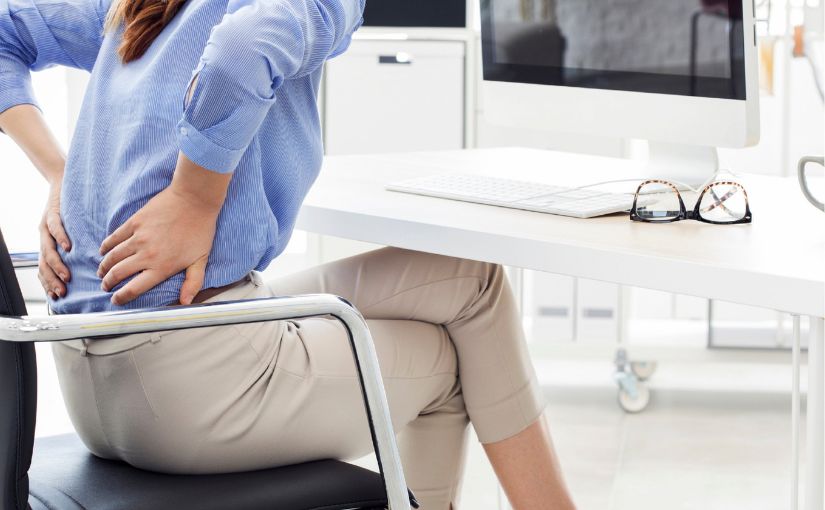
Low back pain is a leading cause of disability among working-age adults, driving lost productivity, hospitalizations, and financial hardship. A local survey of 101 patients (18–60 years) found most experiencing moderate to severe pain, worsening at night and morning, often linked to physically demanding or sedentary work. Limited uptake of formal care highlights the need for accessible, non-surgical alternatives.
This is where lower back decompression through chiro therapy comes in. It involves hands-on spinal adjustments and specific techniques designed to take pressure off compressed discs and pinched nerves in the lower back. Rather than simply managing symptoms, this approach works to correct joint subluxation or misalignment and restore normal movement, helping patients experience less pain and better function in their daily lives.
What is lower back decompression?
Spinal decompression is a term for treatments that reduce pressure on spinal nerves or the spinal cord to relieve back pain. When applied to the lower back (the lumbar spine), the goal is to take the pressure and tension off whatever is irritating the nerves in that area.
That pressure can come from several sources. A disc may be pushing out of place, a canal may have narrowed, or a nerve root may be getting pinched. Decompression addresses the root cause rather than just masking the pain.
Conditions that may benefit from decompression
Lower back decompression is commonly used for the following conditions:
- Bulging discs
- Degenerative disc disease
- Herniated discs
- Pinched nerves
- Sciatica
- Spinal stenosis
Bulging discs. A disc that has pushed outward but has not ruptured, which can press on nearby nerves.
Degenerative disc disease. Wear and tear on the discs over time that causes them to thin, lose cushioning, and sometimes irritate surrounding nerves.
Herniated discs. A disc that has cracked and leaked its inner material, often causing sharp or radiating pain.
Pinched nerves. When surrounding tissue, bone, or a disc compresses a nerve, resulting in pain, numbness, or tingling.
Sciatica. Pain that travels from the lower back down through the buttock and leg, typically caused by pressure on the sciatic nerve.
Spinal stenosis. Narrowing of the spinal canal reduces space for the spinal cord and nerves, often causing leg pain or weakness.
How chiro doctors perform lower back decompression
Here is what usually happens during a decompression session for your lower back.
- Check‑up and exam
- The chiropractor talks with you about your pain, medical history, and any past tests like X‑rays or MRIs.
- They check which parts of your lower back are irritated so they can set up the machine the right way.
- Getting you set up on the table
- You keep your clothes on and lie on a padded table on your back or stomach.
- A wide belt or harness goes around your hips and another around your upper body to keep you safely in place.
- Adjusting the machine for you
- The chiro programs the machine with settings just for you, such as how strong the pull should be and at what angle.
- This helps the machine focus on the exact levels in your lower spine that need the most help.
- Gentle stretching of the lower back
- The table slowly starts to pull, creating a mild stretch through your lower back.
- This gentle pulling slightly separates the bones in your spine, which lowers pressure inside your discs and eases the squeeze on nearby nerves.
- Cycles of pull and rest
- The machine doesn’t pull nonstop. It uses a pattern: pull for a short time, then ease off, and repeat.
- These cycles help “pump” fluids and nutrients in and out of the discs, which supports healing.
- Watching how you feel
- You should feel a strong but comfortable stretch, not sharp or sudden pain.
- If anything feels wrong, the chiropractor can quickly change the settings or stop the session.
- After the session
- The machine slowly releases the pull so your spine can settle back without a jolt.
- Afterward, the chiro doctor might add other care, like light stretches, exercises, or gentle hands‑on adjustments to support your lower back.
What to look for when choosing a chiro doctor for lower back decompression
A qualified provider will have formal training in spinal assessment and decompression techniques, hands-on clinical experience with the specific condition you have, and access to appropriate equipment suited to your needs whether that is a traction table, decompression machine, or manual therapy tools.
Red flags to watch out for
Be cautious of providers who offer a one-size-fits-all plan without first assessing your specific condition. The same goes for anyone making cure-all promises; decompression can provide significant relief, but no single treatment eliminates all back problems for everyone.
Also take note if a provider dismisses or ignores red-flag symptoms such as sudden severe pain, loss of bladder or bowel control, or numbness spreading to both legs. These require immediate medical attention, not a standard decompression session.
Read our related article: Navigating Chiropractic Therapy: A Guide to Clinic Selection
Take the pressure off your lower back?
Lower back pain doesn’t have to be a permanent part of your life. Lower back decompression through chiropractic therapy offers a non-surgical, targeted approach to addressing the root causes of pain, whether that’s a herniated disc, a pinched nerve, sciatica, or spinal stenosis. By gently relieving pressure on the spine and supporting the body’s natural healing process, it can help you move better, feel better, and get back to the things that matter.
Like any treatment, results vary from one person to another. The key is working with a qualified chiro doctor who takes the time to assess your specific condition, explain your options, and build a care plan around your needs, not a generic procedure.
If you’ve been living with lower back pain and haven’t found lasting relief, spinal decompression may be worth exploring. At Posture Perfect Chiropractic, our team is trained to assess your condition and create a personalized decompression plan that works for your body and lifestyle.
Book an appointment today and find out whether lower back decompression is right for you.
Frequently Asked Questions
Spinal decompression works well for most people, but it isn’t the right fit for everyone. It’s generally not recommended if you have a fracture, severe bone loss, or if you’ve had spinal surgery recently. Before starting any treatment, a licensed chiropractor will check your condition thoroughly to make sure it’s safe and appropriate for you.
Some patients start to feel better after just a few sessions, but it really depends on how serious the condition is. Results aren’t always instant. Staying consistent with your sessions and doing any recommended exercises afterward can make a big difference in how well and how quickly you improve.
Spinal decompression uses a gentle pulling motion to ease pressure off the discs and nerves in your spine. A regular chiro therapy, on the other hand, focuses on restoring proper alignment and movement in the joints. They’re different techniques, but a chiropractor may use both together depending on what your back needs.