
Main points:

  • When you overlook proper posture or spend long hours in front of your laptop, you can experience pain and discomfort.
  • Chiro therapy goes beyond temporary relief; it targets the root cause of what poor sitting posture does to your body over time.
  • Proper sitting posture and chiro therapy work best as a pair; one stops damage from accumulating, the other helps undo what’s already there.

According to a 2024 study that was published by the Philippine Statistics Authority (PSA) a significant number of Filipinos (ages 10 and above) rely on laptops for everyday tasks like schoolwork, office jobs, and staying in touch online. 

Because of this, it’s more important to sit properly when using a computer so you don’t strain your neck (tech neck), shoulders, and back.

When you overlook proper posture or spend long hours in front of your laptop, you can experience pain and discomfort. If such a situation occurs, chiro therapy can be essential in addressing these conditions. The said holistic approach, if performed by a legitimate doctor of chiro, can play a role in protecting the back and joints. 

Simply put, proper sitting posture at a computer and chiro therapy can go a long way when it comes to keeping your spine as well as joints healthy. Consequently, such practices can help your body function at an optimum level. Read on for details. 

What are the signs that your sitting posture is affecting you negatively? 

There are various signs that suggest that your sitting posture in front of a computer is affecting you negatively. They’re elaborated below. 

  • Forward head posture 
  • Rounded shoulders
  • Slouching lower back
  • Numbness or tingling in arms/hands
  • Persistent stiffness after long work sessions

Forward head posture

You may not notice it, but your head tends to creep forward the longer you sit in front of a screen. Over time, this position puts a lot of strain on your neck and can lead to headaches, neck pain, and pinched nerves.

Rounded shoulders

Hours of hunching over a keyboard gradually pulls your shoulders inward, tightening your chest and weakening your upper back. Beyond the discomfort, this also makes it harder to breathe deeply and move your arms freely.

Slouching lower back

Slouching puts your lower spine in a position it was never meant to hold for long, compressing your discs and overworking the surrounding muscles. The result is that familiar dull ache in your lower back that follows you home even after you’ve logged off.

Numbness or tingling in arms and hands

If your hands or arms start going numb or feeling tingly during a long work session, that’s worth paying attention to. It usually means nerves somewhere along your neck or shoulders are being pinched, something that gets worse the longer the root cause goes unaddressed.

Persistent stiffness after long work sessions

Waking up stiff or struggling to loosen up after a full day at your desk isn’t something you should brush off as part of the job. When that tightness in your neck, shoulders, or back stops responding to rest, your body is telling you something needs to change.

How chiro therapy can address poor posture signs

Chiro therapy goes beyond temporary relief; it targets the root cause of what poor sitting posture does to your body over time. Here’s how it can help.

  • Forward head posture: better alignment
  • Rounded shoulders: released tension
  • Slouching lower back: reduced pressure from compressed discs
  • Numbness or tingling in arms and hands: eased compression
  • Persistent stiffness after long work sessions: relaxed muscles

Forward head posture: better alignment 

A doctor of chiro will look at how far your head has drifted forward and work on the vertebrae in your neck to bring things back into better alignment. They’ll also walk you through stretches and strengthening moves that help your muscles actually hold that corrected position, not just during your appointment but throughout your workday.

Rounded shoulders: released tension

Part of what makes rounded shoulders so stubborn is that the muscles pulling them forward are genuinely tight, not just weak. Chiropractic care works on both, releasing that tension and correcting the spinal issues that come with it, so your shoulders have a real chance of staying back where they should be.

Slouching lower back: reduced pressure from compressed discs

The lower back is one of the areas that takes the most abuse from poor sitting habits. Chiropractic adjustments can take the pressure off compressed discs and help bring back the natural curve that slouching gradually flattens out. Many patients are surprised by how much that stubborn ache improves after even a handful of sessions.

Numbness or tingling in arms and hands: eased compression 

That tingling feeling usually means a nerve is being pinched somewhere in your neck or upper back. Chiro adjustments along those areas can ease the compression that’s causing it. Catching it early makes a big difference; the longer nerve irritation goes on, the harder it tends to be to resolve.

Persistent stiffness after long work sessions: relaxed muscles

Sometimes the body just stops bouncing back the way it used to, and rest doesn’t cut it anymore. Regular chiro visits help your joints move more freely and ease the muscle tension that builds up after long hours at a desk so that morning stiffness becomes less of a given.

When to see doctor of chiro? 

Not every ache calls for an immediate appointment, but some signs are worth acting on sooner rather than later.

Pain that won’t go away

If neck, shoulder, or back pain sticks around after a few days of rest or over-the-counter relief, your body likely needs more than self-care. The longer pain lingers, the more your body compensates in ways that create new problems down the line.

Recurring numbness or tingling

Occasional numbness happens, but if it keeps coming back during or after work sessions, a nerve is likely being compressed along your spine. Early intervention makes it easier to resolve before it becomes chronic.

Noticeable posture changes

If people around you have pointed out that you’re hunching more, or you catch yourself with your head jutting forward and shoulders rounding in, the effects of poor sitting habits have already set in. These changes don’t correct on their own.

Stiffness that disrupts daily life

Feeling sore after a long day is one thing. Waking up so stiff it takes hours to move comfortably is another. When stiffness starts affecting how you work, sleep, or move, it’s time to get evaluated.

An existing desk job-related condition

If you’ve already been diagnosed with a herniated disc, cervicogenic headaches, or carpal tunnel syndrome, chiro therapy can support your recovery and long-term management alongside your broader healthcare team.

You want to stay ahead of problems

You don’t have to be in pain to benefit from chiro care. Regular visits help keep your spine aligned and muscles loose before minor issues escalate.

Take care of your computer posture with Posture Perfect

Proper sitting posture and chiro therapy work best as a pair; one stops damage from accumulating, the other helps undo what’s already there. For Filipinos putting in long screen hours, early signs like neck pain, rounded shoulders, or that nagging stiffness are easy to brush aside. They’re also easy to correct, if you catch them early enough.

These aren’t conditions you have to live with. The right posture habits, combined with regular chiropractic care, go a long way in keeping your spine healthy long-term.

At Posture Perfect Chiropractic, our licensed doctors of chiropractic will evaluate your condition and build a care plan around your needs. 

Book your appointment today.

football player walking on grass

In the Philippines, sports is more than just a past time. With 72% of Filipinos interested in sports. However, playing hard takes a toll. Injuries pile up, muscles tighten, and when the brain and body stop communicating cleanly, performance suffers. 

That breakdown in neuromuscular coordination or the way your nervous system and muscles work together to control movement. It’s often what separates a good athlete from a great one. Speed, balance, precision: all of it depends on that connection firing right.

Chiro therapy can improve the said attributes. Whether you’re a weekend basketball player or someone training seriously for competition, the body performs better when everything is working together. Chiropractic therapy helps make that happen; not by adding something artificial, but by removing what’s getting in the way. 

Read on to find out more. 

What is neuromuscular coordination?

Your nervous system and muscles need to work together. When they do, your body moves with good timing and control. When they don’t—whether because your spine’s locked up, your joints are stiff, or you’re not aware of where your body is in space—everything falls apart. Your movement gets sloppy and your injury risk goes up.

For athletes, this is everything. Raw strength matters, sure. But a nervous system that coordinates well? That’s what gives you faster reaction times, cleaner technique, and the ability to transfer force efficiently. That’s what separates the good athletes from the great ones.

The good news is you can get better at this. Every time you practice a movement, you’re teaching your nervous system how to do it. Do it enough times and suddenly that hard thing becomes automatic. That’s true for any sport, and it’s also why working with a chiropractor helps—it speeds up the process.

How chiro therapy improves neuromuscular coordination

Chiro therapy can improve neuromuscular coordination in many ways. They’re elaborated in the succeeding paragraphs. 

  • Your spine is your nervous system’s highway
  • Better balance, faster reflexes
  • Your muscles actually work harder

Your spine is your nervous system’s highway

Your brain talks to your muscles through your spine. If your spine gets restricted or misaligned, those signals get weak. A chiropractic adjustment fixes that. When your spine moves right, the signals travel clearly. Your muscles respond faster, your timing improves, and your brain gets better feedback about what your body’s doing.

Better balance, faster reflexes

Your joints are constantly sending information to your brain about where you are and how you’re moving. When a chiropractor adjusts your spine and joints, those signals sharpen up. You notice it right away—better balance, quicker reflexes, more body awareness during movement.

Your muscles actually work harder

This is the part athletes really notice. After an adjustment, muscles fire more readily and generate more force. You feel stronger, more controlled, more responsive. It’s not magic—your nervous system is just communicating better with your muscles.This points to the idea that joint restrictions can limit how fully muscles are engaged and that restoring joint mobility allows the body to recruit them more completely.

What are chiro methods for neuromuscular coordination

Doctors of chiro perform manual techniques that can improve how the nervous system and muscles work together. Read on for details.

  • Spinal manipulation 
  • Joint mobilization 
  • Soft tissue therapy 
  • Balance and rehab work 

Spinal manipulation

The doctor of chiro applies controlled force to stiff or restricted spinal joints to restore normal movement. This technique can improve spinal biomechanics and reduce nervous system interference in the spine, allowing optimized communication between the brain and the muscles.

Joint mobilization

Joint mobilization is gentler than it sounds. Your chiropractor uses slow, controlled movements to loosen up joints that have gotten stuck. Once they’re moving again, you get back your full range of motion. This works really well for shoulders, hips, and knees—the joints you actually use when you play sports or work out.

Soft tissue therapy

Tight muscles pull your joints out of alignment. When that happens, your movement gets weird. Techniques like myofascial release and trigger point therapy loosen those tight spots, improve how your muscles feel, and get your movement patterns back to normal.

Read our related article on soft tissue therapy: Chiropractic Soft Tissue Massage: An Extensive Look

Balance and rehab work

After manual treatment, your body needs to remember how to move right. Balance board drills, stability exercises, and targeted movement work retrain your nervous system and strengthen the connection between your joints and your brain. Over time, this improves your coordination and how aware you are of where your body is in space.

Why neuromuscular coordination matters for athletic performance

You can lift weights and run sprints all day, but if your nervous system and muscles aren’t talking to each other, you’re leaving performance on the table. Spinal restrictions, stiff joints, and poor proprioception slow you down—whether you feel it consciously or not.

Chiro care fixes this. When your spine moves right, your joints flow, and your nervous system communicates clearly, you notice the difference. Better reaction time. Stronger muscle activation. Sharper balance. More efficient movement.

At Posture Perfect Chiropractic, we assess how your spine and joints are actually functioning and build a plan around what you want to achieve—whether that’s getting back on the court, training harder, or just feeling more in control of your body.

Ready to move better? Book your appointment today.

person performing wall workout

Main points: 

  • Filipino remote workers mostly complained of lower back pain and posture screening found that about 10% of them needed to adjust how they sat and worked. 
  • A wall posture hold is a standing exercise designed to help retrain neutral spinal alignment and improve your posture. 
  • It’s not too late for individuals who perform remote work and want to fix their bad posture. This is thanks to holistic approaches like chiro therapy.

Bad posture is becoming common among Filipino remote workers. This is according to a study of 30 remote workers that was published in the proceedings of ICIBE 2021: The 2021 7th International Conference on Industrial and Business Engineering. The respondents mostly complained of lower back, upper back, and neck pain, along with hand and finger discomfort. 

Furthermore, a posture screening found that about 10% of them needed to adjust how they sat and worked. This suggests that the said problem is widespread. 

The good news is that it’s not too late for individuals who perform remote work and want to fix their bad posture. Enter wall posture hold and chiro therapy. Read on to find out how the two approaches can help address posture issues. 

What is wall posture hold, and how can it improve bad posture? 

A wall posture hold is a standing exercise designed to help retrain neutral spinal alignment and improve your posture. Follow the step by step-by-step guide below for reference: 

  • Step 1. Stand with your back against the wall.
  • Step 2. Angle your feet hip-width apart and a couple of inches away the wall. 
  • Step 3. Slightly press your buttocks, upper back, and head toward the wall. 
  • Step 4. Keep your head, shoulders, and hips straight.
  • Step 5. Maintain a small natural curve in your lower back. Make sure that it’s not completely flat and not overly arched.

This workout is essential in fixing bad posture because it activates your back, core, and glute muscles—muscles that support your spine. If done regularly, it can help reduce tension and strain in your neck, shoulders, and lower back. Additionally, it’s low impact, making it a good activity not only for improving posture but also for improving posture.  

Variations and progressions

As you get more comfortable with the wall posture hold, you can dial it up or down based on where you’re at.

Beginner modifications

Just starting out? Or maybe your neck’s a bit tight? Here’s how to make it easier:

  • Your head doesn’t have to touch the wall right away. If it feels uncomfortable, just keep it a few inches back and that’s totally fine
  • Start small and hold it for about 3 seconds; then repeat just a few times. From there, you can gradually work up to longer holds as your body adapts

Intermediate progressions

Once the basic hold feels normal, try leveling up with these:

  • Play around with arm movements in a “Y-T-W” pattern. Basically, you’re moving your arms into different shapes while staying against the wall. This gets your shoulder blade muscles working harder
  • Bump your hold time up to somewhere between 10 to 20 seconds and just focus on keeping things relaxed and steady. No need to strain or force it

Advanced options

These are tougher, so check with your doctor of chiro or physical therapist before trying them:

  • Try lifting your heels slightly while your back stays on the wall. This challenges your balance in a new way
  • Once you’re solid with the hold, blend it into other movements like wall slides or light stretching. This helps your body remember good alignment when you’re moving around during the day.

Wall posture hold works better if you perform it with other chiro-approved exercises, such as those that are elaborated on our other articles: 

How chiro therapy can improve bad posture

Chiro therapy can fix bad posture by fixing spinal subluxation and joint subluxation. When the said issues are fixed, it can pave the way to healthier breathing, digestion, circulation, and overall well-being. This is most true if the said holistic approach is combined with targeted exercises and ergonomic lifestyle changes.

Know more about how chiro therapy can help improve bad posture by reading this related article: 

Individuals with bad posture who should see a doctor of chiro

Anyone with bad posture is encouraged to see a doctor of chiro. But those who are on top of the list are as follows: 

  • Desk and tech workers
  • People with recurring pain 
  • Pregnant women 
  • Individuals with mild structural ailments 
  • Folks with joint stiffness

Desk and tech workers

If you spend at least 6 hours a day hunched over a computer or phone, your spine is working overtime. Eventually, you can experience a condition called tech neck. Chiro care can help undo the damage from prolonged sitting and adjust your alignment before pain becomes a real problem.

People with recurring pain

When pain keeps coming back—whether it’s a sore neck, lower back ache, or stiff shoulders—bad posture is usually the root cause. A chiropractor can address the underlying misalignment, not just treat the pain.

Pregnant women

Pregnancy shifts your body’s center of gravity and puts extra strain on your spine. Chiro adjustments during pregnancy can reduce pain, improve alignment, and make labor easier.

Individuals with mild structural ailments

If you have scoliosis, flat feet, or other structural issues, bad posture tends to make them worse. Chiropractic care can help your body compensate and prevent these conditions from worsening over time.

Folks with joint stiffness

Tight joints limit your movement and often signal misalignment higher up the chain. A chiropractor can find where the stiffness comes from and restore your range of motion.

If you’re included in the aforementioned groups, chiro care can address the root of your posture problem rather than just managing pain, discomfort, etc.

Combine wall posture and chiro therapy to combat bad posture 

Wall posture hold is an easy daily exercise to retrain your spine, but exercises alone won’t fix years of misalignment. Combine them with chiropractic care to address both symptoms and root causes.

Book an appointment with Posture Perfect Chiropractic today. Our extensively trained, experienced, and friendly doctors will create a personalized plan with exercises and adjustments to get you pain-free.

Main points:

  • There’s more to physical fitness than a nice physique; it’s about how the body functions on a regular basis.
  • Chiro therapy is a holistic as well as manual hands-on treatment that focuses on the health of the spine and joints.
  • Chiro therapy is not a magic fix, but it can work well alongside your regular fitness routine. When your spine and joints are aligned and moving properly, your body can do more with less effort.

According to Statista’s report on digital fitness and well‑being in the Philippines, fitness is becoming a huge part of everyday life as more Filipinos use gyms, apps, and wearables to work on key health‑related fitness components: cardiovascular endurance, muscular strength, muscular endurance, flexibility, and body composition. 

Consequently, individuals who want to improve the aforementioned components can include chiro therapy in their health and fitness regimen to help improve them. Read on to find out more. 

What is chiro therapy? 

Chiro therapy is a holistic as well as manual hands-on treatment that focuses on the health of the spine and joints. This holistic approach won’t just fix your posture; performed properly, it can help your body feel better and feel pain-free without medication or surgery. 

Here, a licensed practitioner utilizes chiro adjustments or controlled pressure that is complemented by precise movements to realign your spine and adjust your joints. Take note that it’s not just about cracking your back. 

Depending on your health state, your chiro doctor may: 

  • Apply targeted pressure to realign the spine and ease nerve irritation
  • Work on tight muscles and connective tissue to release tension
  • Guide you through stretches and exercises to restore movement and build stability
  • Help correct your posture so daily activities put less strain on your body
  • Give practical advice on nutrition, stress, and habits that support your recovery

A closer look at health-related fitness components and how chiro therapy can help

There’s more to physical fitness than a nice physique; it’s about how the body functions on a regular basis. The health-related components of physical fitness basically give a more detailed look at your overall health and well-being. 

  • Cardiovascular endurance
  • Muscular strength 
  • Muscular endurance
  • Flexibility 
  • Body composition

Cardiovascular endurance

Cardiovascular endurance is your body’s capacity to effectively and efficiently sustain physical activity over time. When the heart as well as the lungs function at an optimum level, they can deliver oxygen to your muscles so that they can perform physical activities like doing the laundry, going to the grocery, taking out the trash, and others.  

How you can improve cardiovascular endurance

According to the World Health Organization (WHO), if you’re aged aged 18 to 64 need at least 75 to 150 minutes of vigorous activity like running or fast cycling to improve your cardiovascular endurance. Alternatively, you can perform 150 to 300 minutes of moderate-intensity aerobic activity, like brisk walking or easy cycling or spinning. A combination of vigorous activity and moderate-intensity activities can also be beneficial. 

How chiro therapy can help cardiovascular endurance

Chiro therapy is proposed to support cardiovascular health mainly by affecting the nervous system that helps control heart rate, blood pressure, blood circulation, and stress. On the other hand, it should be viewed as complementary to, not a replacement for, medical heart care.

Muscular strength

Muscular strength is the ability of a muscle or group of muscles to exert force against resistance, allowing you to lift, carry, or move weight. It shows the amount of force your muscles can produce in a single effort; this can vary across varying muscle groups depending on training as well as use.

How you can improve your muscular strength

You can improve muscular strength by engaging in structured as well as consistent resistance training that activates the body’s major muscle groups: legs, back, chest, arms, shoulders, and core. 

A basic principle is progressive overload, which involves gradually increasing the weight, number of repetitions, or training intensity over time.

How chiro therapy can help muscular strength 

Chiro therapy can help muscular strength by enhancing how the nervous system influences the muscles. With this, you can reduce pain as well as joint restrictions, factors that impede force; this can pave the way for better biomechanics for strength training, mobility work, and other activities that have a positive impact in the muscles. 

Muscular endurance

Muscular endurance is how long your muscles can sustain an exercise before reaching fatigue. This is different from muscular strength, which is about the amount of weight that you can lift. 

How you can improve your muscular endurance

You can improve muscular endurance by lifting lighter weights at higher repetitions: 20 or above. You can also boost muscular endurance by performing isometric exercises like planks, wall sits, static lunges, and bridges. 

How chiro therapy can improve your muscular endurance

When your body is free of spinal subluxations and joint subluxations, your muscles don’t have to work overtime just to keep you upright and moving. That means they have more energy left for actual activity, so they hold out longer before wearing out.

Chiro therapy can help get your body into that kind of balance. Bear in mind that it won’t directly build muscle endurance the same way regular training does, but it can play a significant role in reducing pain as well as helping you achieve your full range of motion. Simply put, it can tap your body’s full capacity to perform better and longer. 

Flexibility

Flexibility is your joint’s capacity to achieve its full range of motion minus the pain and discomfort or the development of sprains, strains, and other similar conditions. Contrary to many beliefs, it’s not just for athletes or weekend warriors. That’s because it also plays a key role in everyday asks such as keeping your balance, reaching something on a high shelf, or bending down to pick something up off the floor.

How you can improve your flexibility

To improve flexibility, focus on two main types of stretching:

  • Static stretching. Static stretching means holding a stretch for 10 to 30 seconds. It’s effective but best done after a workout, not before, since it relaxes the muscles too much for activities that need joint stability.
  • Dynamic. Dynamic stretching includes controlled movements like leg swings, shoulder rolls, or walking lunges to take your joints through their full range of motion. It’s ideal as a warm-up because it activates muscles without over-relaxing them. Yoga, Pilates, and tai chi also count here. Good for prepping before cardio, strength training, or sports.

How chiro therapy can help improve flexibility

Chiro therapy can enhance flexibility by fixing spinal and joint subluxation. This, in turn, can ease muscle tension and promote better posture and movement efficiency. When joints move freely and surrounding muscles are less tight, your overall range of motion increases and everyday movements feel less stiff and restricted.

Body composition

Body composition is the body’s ratio of fat to lean mass: muscle, bone, and water. It should be noted that not all fat is bad. Essential fat that is found in the brain, nerves, cell membranes, and bone marrow is important for basic life functions and is necessary. However, high amounts of visceral fat, or those that are wrapped around internal organs like the liver, intestines, and pancreas, can lead to metabolic issues that can pave the way to increased risks of heart disease, type 2 diabetes, and cancers. 

How you can improve body composition

You can improve your body composition through the following: 

  • Exercise. Combine strength training to build muscle with cardio to burn fat. More muscle means your body burns more calories even at rest.
  • Nutrition. Eat enough protein to support muscle growth and cut back on processed foods and excess calories to reduce fat. Consistent, balanced eating matters more than any strict diet.
  • Sleep and recovery. Your body repairs muscle and regulates hunger hormones during rest. Poor sleep can slow your progress even if your training and diet are solid.

How chiro therapy can improve body composition

Chiro therapy can indirectly improve body composition in a sense that the said holistic approach can help you move freely minus the pain. Because of these, you can stay more active; this level of consistency can drive lasting results in your body’s composition. 

Additionally, some chiro practitioners also offer nutritional and diet advice to help their patients reach their full fitness potential. 

Note: For best results, it’s best to talk to your physician and doctor of chiro to make sure that the activity you’ll perform to address health-related fitness components is appropriate for your level of physical fitness. 

What is the role of the right chiro facility for your health-related fitness components? 

Chiro therapy can play a meaningful role in supporting your overall health and fitness, but only when the right hands perform it correctly. Putting this factor into consideration, it’s best to exert effort and set aside ample time when choosing since opting for the wrong one can do more harm than good. Read on for details: 

Your safety depends on it

As mentioned earlier, spinal manipulation includes hands-on manipulation of the sensitive parts of the body. Therefore, it’s best to make sure that the facility that you’re choosing is made up of qualified practitioners that have undergone extensive, government-approved training. 

Also, bear in mind that there are risks of serious complications that may develop if the chiro procedures are improperly performed. Simply put, a licensed and experienced chiropractor knows how to assess your condition and apply the right technique safely.

Your treatment should match your specific needs

Not everyone has the same level of health and fitness, and not every chiro practitioner is trained to manage every level. Finding one with the right experience and specialization ensures that your care plan is tailored to what your body actually needs, not a one-size-fits-all approach.

Progress takes trust

Chiro therapy is not a one-time fix. It often requires multiple sessions that are accompanied by lifestyle adjustments. Being in a clinic where you feel heard, comfortable, and confident in your doctor of chiropracitc makes it a lot easier to stay consistent. In the long run, this can boost your overall health and well-being. 

The right clinic looks at the whole picture

A good chiropractor doesn’t just promise to help you on your fitness journey. They consider your posture, movement patterns, and overall physical health, giving you guidance that supports your fitness goals.

Related article: Check our article on finding the right clinic.

Take your fitness level further with chiro therapy

Chiro therapy is not a magic fix, but it can work well alongside your regular fitness routine. When your spine and joints are aligned and moving properly, your body can do more with less effort — and that makes your workouts, stretches, and recovery time more effective.

Whether your goal is to build strength, move with less stiffness, or simply keep up with daily tasks without pain, chiropractic care can help your body stay in good working condition. Less pain and better movement also make it easier to stay consistent, and consistency is what produces real, lasting results.

Just make sure you go to a licensed and experienced chiropractor who will look at your full health picture and build a plan that fits your specific needs.

Call to Action

Want to know how chiropractic therapy fits into your health and fitness goals? Book an appointment with Posture Perfect Chiropractic and get a personalized care plan built around your body and what it needs.

Is chiro therapy safe?

In most cases, yes. Especially when it’s done by a licensed and experienced chiropractor. As with any hands-on treatment, things can go wrong if it’s done incorrectly, so it comes down to choosing someone qualified and trustworthy.

Does chiro therapy help with posture?

It can. Chiro doctors don’t just look at your spine, they also check how you move and carry yourself daily. Along with adjustments, they may suggest simple exercises or habit changes to help you maintain better posture over time.

How often should you see a chiropractor?

There’s no one-size-fits-all answer. Some people start with more frequent visits, especially if they’re dealing with pain, then gradually space them out. Others go occasionally just for maintenance—it really depends on your needs and goals.

Does chiro treatment hurt?

Not usually. Most people find it comfortable, though you might feel a bit sore afterward, kind of like after a workout. That feeling typically fades within a day or two.

How long does it take to see results from chiro care?

It varies. Some people notice changes right away, while others need a few sessions before things improve. It often depends on how consistent you are and what you’re dealing with in the first place.

person touching eye area apparently because of discomfort

Main points: 

  • When you’re hunched over or leaning forward toward your screen, you’re messing with both your back and your eyes.
  • A chiropractic adjustment applies controlled force to fix spinal subluxation and therefore allow the spine to regain its full range of motion.
  • Chiropractic therapy, paired with simple lifestyle adjustments, can restore your posture and help in eye health.

If you’re working from home (WFH), chances are you’re dealing with posture problems. This is suggested by a study that was published in ResearchGate. The students that were involved in the developed some level of muscle or posture issues. 

Consequently, according to the study, the real culprit may not be your laptop or phone; it’s your workspace. Bedrooms especially tend to be the worst places to set up a desk: you’ve got a bed that’s tempting to slouch on, maybe a dining chair that doesn’t support your back, and a screen that’s never quite at the right height.

But poor posture doesn’t just hurt your back. When you’re hunched over or leaning forward toward your screen, you’re messing with your eyes too. Your neck tightens up, your shoulders get tense, and blood flow to your eyes gets restricted. All of this means your eyes have to work way harder just to focus on what you’re reading. Eventually, you may end up with tired, dry, uncomfortable eyes that feel like they need a break.

The good news is that thanks to holistic approaches like chiropractic therapy, you can make a huge difference in protecting both your posture and your vision. Read on. 

How your posture is causing eye strain 

Your posture can contribute in more ways than one. Here’s what can happen if you’re not paying attention with your posture, especially when working. 

  • Neck and shoulder tension 
  • Wrong distance and angle 
  • You’re not blinking enough 
  • Poor lighting compounds the problem 

Neck and shoulder tension

Hunching forward tightens your neck and shoulders. This physical tension puts extra stress on your visual system, making your eyes work harder and feel strained.

Wrong distance and angle

Sitting too close to your screen or at a poor angle forces your eyes to work overtime to focus. This leads to eye fatigue that builds up throughout the day.

You’re not blinking enough

Leaning toward your screen causes you to blink less often. Less blinking means dry, irritated eyes that feel uncomfortable and scratchy.

Poor lighting compounds the problem

Bad posture often leaves you sitting in glare or shadows. When your eyes have to fight glare or dim lighting on top of everything else, strain gets worse.

Simply put, it can be said that your eyes aren’t failing you; your posture is contributing to its decline. 

By sitting up straight and fixing your sitting posture, you can eliminate most workplace eye strain before it starts.

How chiropractic therapy can help correct posture

Regular chiropractic therapy can help correct posture by realigning the spine, boosting joint function, and balancing the musculoskeletal system. Below are the methods that a chiropractor may employ. 

  • Spinal adjustments for alignment and mobility 
  • Soft tissue therapy to loosen up tight muscles 
  • Corrective exercises for postural stability 
  • Posture and ergonomics coaching 

Spinal adjustments for alignment and mobility

A chiropractic adjustment applies controlled force to fix spinal subluxation and therefore allow the spine to regain its full range of motion. Research shows that regular posture-focused adjustments can reduce pain and improve spinal curves in hyperkyphosis and similar postural conditions, helping your spine gradually return to healthier alignment.

Soft tissue therapy to loosen up tight muscles 

Tight muscles both cause and reinforce poor posture. Your chiropractor uses massage, trigger point therapy, and myofascial release to relax overworked muscles. Combined with adjustments—which restore alignment—soft tissue work lets your body settle into better posture more naturally, without fighting constant muscle tension.

Corrective exercises for postural stability

To lock in better posture, you need to strengthen your supporting muscles. Your chiropractor typically prescribes:

  • Chin tucks – engage neck stabilizers
  • Scapular retractions and rows – strengthen upper back
  • Chest stretches – counteract forward rounding
  • Core strengthening – build spinal support endurance

For a related reading, please check this article: 

Good Posture: How Exercise and Chiro Therapy Can Help

Regular home exercise and resistance training can build muscle strength so you naturally maintain better posture. Over time, good positioning becomes your default rather than something that requires constant effort.

Posture and ergonomics coaching

Your chiropractor offers ergonomic advice that may prevent future posture issues that may hamper your health and well-being. They may also give pointers on desk setup, phone use, sleeping positions, and daily sitting habits. 

These proactive measures can help you pinpoint bad habits before they halt your health goals.

Chiropractor-approved lifestyle habits that affect posture and eye health

Simple lifestyle adjustments can improve your posture and protect your eye health. Some of the most notable ones are elaborated below. 

  • Movement, exercise, and strength training
  • Sleep, recovery, and stress management
  • Nutrition and hydration basics

Movement, exercise, and strength training

Regular strength training, especially for your back, shoulders, and core builds the muscular support your spine needs. Without it, postural muscles weaken while others compensate, leading to the forward-rounded posture that strains both your neck and your eyes. 

Sleep, recovery, and stress management

Stress and poor sleep keep your muscles in a state of tension, making bad posture harder to correct and worsening eye strain. Sleep position and pillow choice matter—misalignment through the night creates problems the next day. Simple stress reduction practices reduce muscle tension and often relieve headaches and eye fatigue.

Nutrition and hydration basics

Proper hydration and nutrition aren’t direct treatments, but they support your body’s ability to heal and maintain resilience. They create the foundation for other interventions like exercise, chiropractic therapy, and ergonomic changes to work effectively.

For a related reading, please check this article: 

Chiro Therapy and Foods for Muscle Recovery: Helping Middle-Aged Adults Heal

Fix posture and protect your eyes 

Poor posture doesn’t just hurt your back, joints, and muscles; it’s straining your eyes and limiting your quality of life. Chiropractic therapy, paired with simple lifestyle adjustments, can break this cycle and restore both your posture and your vision health. 

Book an appointment with Posture Perfect Chiropractic today and find out how we can help you work pain-free and see clearly.

The back view of an older man wearing a blue shirt, standing with a neutral posture.
  • Proper posture isn’t just for aesthetics. However, modern-living often involves activities that negatively affect our overall posture.
  • Chiro care removes the structural blocks like spinal subluxations and joint subluxations that made poor posture feel unavoidable.
  • A permanent posture fix is not a one-and-done solution. On top of regular chiropractic therapy, you also need to make sure that your lifestyle complements your goal.

Proper posture isn’t only for aesthetics; a report that was published on the Philippine News Agency (PNA) suggested that it can help prevent scoliosis, which affects approximately 3 million Filipinos. However, many of us tend to bend our heads, and this habit can affect our overall posture. Consequently, this bad posture builds over time, causing damage to the spine and alignment. 

The good news is that chiro therapy, coupled with the right habits, exercise, and ergonomics, can help fix your posture permanently. Here, we’ll talk about how long-term alignment work, habit change, and daily exercises work together to correct your posture from the inside out.

What is a permanent posture fix? 

In simple terms, a permanent posture fix is not a one-and-done thing. On top of regular chiropractic therapy, you also need to make sure that your lifestyle complements your goal. This, even if life pulls you out of alignment by means of prolonged sitting, carrying bags, constant phone use, and so on. 

Quite simply, “permanent” means the following: 

The foundation holds

Chiro care removes the structural blocks like spinal subluxations and joint subluxations that made poor posture feel unavoidable. Once those are addressed, good posture becomes possible without constant effort.

Habits stick

If you learn and practice better posture mechanics, your body remembers. It becomes your default instead of something you have to force. This part can last indefinitely if you maintain it.

Maintenance keeps it going

You don’t need adjustments forever, but periodic check-ins help catch small problems before they compound. Regular stretching and strengthening keep your supporting muscles strong.

Awareness matters

Most people who keep good posture long-term do simple things: posture checks during the day, core engagement while sitting, and regular movement. Not hard, but consistent.

What posture problems can chiro therapy fix? 

There are several conditions that chiro therapy can fix and some of the most notable ones are as follows: 

  • Tech neck: Your head sticks too far forward from looking at screens
  • Rounded shoulders: Your shoulders cave in and your upper back curves forward
  • Flat lower back: Your lower back has lost its natural curve, which makes your body absorb impact wrong
  • Tilted pelvis: Your pelvis tips forward, stressing your lower back and making your belly stick out
  • Uneven shoulders or curved spine: One shoulder is higher, or your spine bends sideways

Doctors of chiro can help with all of these and make sure that your posture issues won’t get worse. 

How chiro therapy correct posture issues

Chiro therapy can fix posture issues by fixing spinal subluxations and putting your spine back to where it should be. Doctors of chiro perform manual pressure on strategic spots in your spine. This technique also fixes joint subluxations, allowing your joints to achieve their full range of motion. 

Consequently, this decompresses your spine, loosens up your muscles, and reduces inflammation. And because your body is no longer fighting against a misaligned spine, your posture naturally improves. 

What are postural exercises that help make chiro therapy results stick? 

Your doctor of chiro adjusts your spine, but your muscles have to do their job and hold that alignment after your session. It’s best to perform them regularly so as to make sure that you can make the most of the said holistic approach. 

Think of them as your posture’s memory system. The more you perform them, the more your body remembers how to maintain proper posture. 

Check the following exercise articles for reference: 

The role of ergonomics and lifestyle changes in protecting your progress 

Ergonomics is essential if you want to make sure that you’re going to enjoy the benefits of your chiro adjustments for extended periods. These should not be taken for granted, as many patients see improvements fade because they don’t perform ergonomic changes that can protect their spine and prevent subluxations from returning. 

Check the following ergonomic and sitting posture articles: 

What are typical treatment plan structures and timelines for chiro therapy? 

Chiro therapy is a holistic method that follows a structured path from pain relief to long-term posture improvement. Typical chiro treatment phases are as follows: 

Relief Phase: Reduce Pain

Frequency: 2-3 visits weekly for 1-2 weeks. The focus is on spinal alignment and inflammation reduction so you can move again. This is the phase where pain relief is often achieved.

Correction Phase: Address Root Causes

Duration: 4-12 weeks. Visits drop to 1-2 per week. This is because in this phase, objectives include improving posture, improving muscle weakness, and enhancing movement patterns. 

Maintenance Phase: Sustain Results

Once aligned, monthly or quarterly visits keep your spine healthy and catch problems early. Combined with home self-care, this phase prevents regression.

Timeline Varies by Individual

Recovery depends on age, injury severity, and adherence to at-home exercises. Mild cases may resolve in 6-8 weeks; chronic conditions often need 12-16 weeks. Your doctor of chiro can estimate your timeline after the first few visits.

Disclaimer: Please take note that procedures may vary based on the patient’s state of health, age, and individual response to treatment, among others. 

Your path to permanent posture starts now

Permanent posture fix isn’t magic. It’s a partnership between your doctor of chiro, your daily habits, and your commitment to change. Chiro therapy removes the structural barriers, but you maintain the progress through exercises, ergonomic awareness, and consistent movement. Once your body remembers how to sit and stand properly, good posture stops feeling like work.

So schedule your appointment with Posture Perfect Chiropractic today. Our doctors will create a personalized treatment plan to help you achieve for posture as well as health goals. 

Book an appointment today.

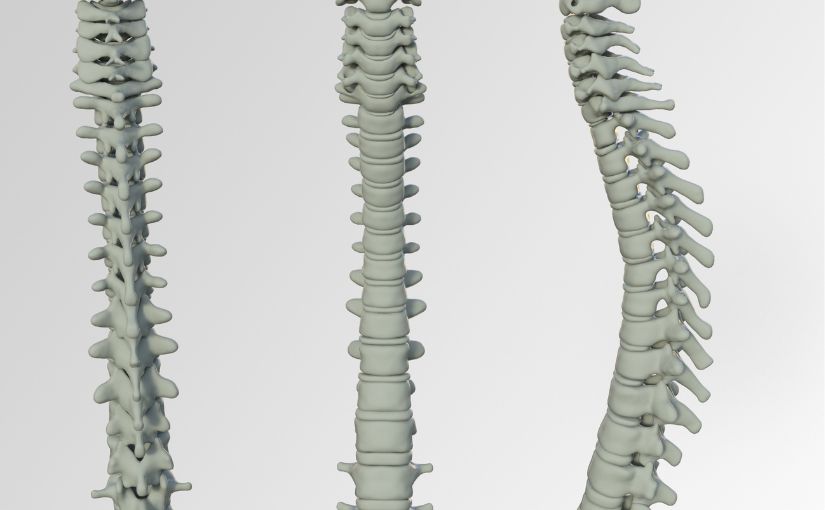
images of the spine, suggesting how flatback syndrome affects the body.

Main points: 

  • Closely related to scoliosis, and often a downstream consequence of corrective spinal surgery, is flatback syndrome.
  • If you have flatback syndrome, chances are, you’ll likely struggle standing up straight, deal with persistent pain, and find simple daily tasks more difficult.
  • In addition to medical intervention, chiro therapy may be a good complementary option for people with flatback syndrome. 

While low back pain remains the most reported spinal complaint, it’s far from the only musculoskeletal condition burdening Filipinos. A growing body of evidence points to a broader spinal health crisis in the Philippines, where conditions ranging from flatback syndrome to scoliosis are quietly affecting millions across all age groups.

Closely related to scoliosis, and often a downstream consequence of corrective spinal surgery, is flatback syndrome. It’s a condition where the lower lumbar spine loses its natural inward curve (lordosis) and becomes abnormally straight.

The good news is that all is not lost for Filpinos that are affected by flatback syndrome. This is thanks to holistic approaches like chiro therapy. Read on. 

What is flatback syndrome? 

With flatback syndrome, the lower spine’s inward curve is compromised and becomes inappropriately straight. This messes up the body’s alignment, making it hard for patients to stand upright without leaning forward. 

The said ailment often comes with symptoms, and the most notable ones are chronic lower back pain, a forward-pitched posture, and fatigue that worsens as the day goes on. This is because the muscles are constantly compensating for the lost curve.

It commonly develops from worn-down spinal discs, old spinal surgery, compression fractures, or inflammatory spinal conditions. It affects adults most often, and many don’t realize the condition has a name. 

What are the causes of flatback syndrome? 

According to Medical News Today, flatback syndrome is often connected to a spinal surgery called the Harrington rod procedure, which was commonly used to treat scoliosis. After this surgery, the spine adjusts in an unnatural way to compensate for the changes made. Over time, the discs below the fused area wear down, making it hard to stand straight and leading to long-term back pain and physical limitations.

Other things that can cause or increase the risk of flatback syndrome include:

  • Degenerative disc diseases like ankylosing spondylitis and rheumatoid arthritis
  • Broken vertebrae caused by osteoporosis
  • A condition that can develop after surgery to relieve spinal stenosis, known as lumbar post-laminectomy syndrome

In rare cases, a person can be born with flatback syndrome. For example, when one or more vertebrae do not form properly during fetal development.

What are the common symptoms of flatback syndrome? 

If you have flatback syndrome, chances are, you’ll likely struggle standing up straight, deal with persistent pain, and find simple daily tasks more difficult. To stay upright, you may strain their back muscles or shift their weight by bending at the hips and knees. These workarounds offer only temporary relief and can lead to worsening pain the longer they are used.

What is the role of chiro therapy in treating flatback syndrome? 

Chiro therapy is a complementary treatment for flatback syndrome. It can enhance the effects of medical intervention by managing flatback syndrome through structural care aimed at improving spinal alignment, restoring mobility, and distributing load more evenly across the spine. 

Rather than simply addressing pain, chiro therapy focuses on the underlying postural imbalances that make daily movement difficult.

Simply put, the objectives of chiro therapy for flatback syndrome is to relieve symptoms, improve posture, and help you regain functional capacity. In certain cases, consistent treatment may also lead to measurable improvements in lumbar curvature, offering longer-term benefits beyond pain management.

What chiro methods can help treat flatback syndrome? 

There are a number of methods that a doctor of chiro will utilize to treat your flatback syndrome. Some of them are elaborated below. 

Spinal manipulation and mobilization

Doctors of chiro use gentle spinal adjustments to get the joints moving properly and ease stiffness. These techniques gradually help restore the spine’s natural curve in areas where it has been lost.

Postural correction and retraining

Doctors of chiro look at how the body has been compensating for the flattened spine and use hands-on techniques and teach exercises to improve posture and take unnecessary pressure off the hips, knees, and back.

Soft tissue therapy

Muscle tightness is common with flatback syndrome. Techniques like myofascial release and trigger point therapy target overworked muscles in the lower back, hamstrings, and hips to reduce tension and discomfort.

Therapeutic exercise and rehabilitation

Strengthening the core and back muscles helps support the spine and makes it easier to stand and move upright without pain.

For related reading, check the following exercise articles: 

Flexion distraction therapy

This is a gentle, hands-on technique that carefully stretches the spine to relieve pressure on the discs and nerves. It works especially well for patients who also have disc degeneration.

Lifestyle and ergonomic guidance

Doctors of chiro also help patients make practical changes to their daily habits, sitting posture, and movement patterns to slow down further damage and keep the spine as healthy as possible.

For related reading, check our article on ergonomics: 

Optimize Ergonomics and Your Well-being with Help from a Chiropractor for Posture

When to consider chiro therapy? 

In addition to medical intervention, chiro therapy may be a good complementary option for people with flatback syndrome who are experiencing any of the following:

  • Persistent lower back pain that does not improve with rest or basic pain relief
  • Difficulty standing upright for extended periods or when walking
  • Muscle fatigue and tension in the lower back, hips, or legs from constantly compensating to stay straight
  • Reduced mobility that is making everyday tasks harder to manage
  • Early-stage flatback syndrome where conservative, non-surgical treatment is still a viable option
  • Post-surgical recovery where chiropractic support can help maintain spinal function and manage residual symptoms

It’s best to consult a chiropractor as early as possible. Catching and addressing postural imbalances early can help slow the progression of the condition and reduce the risk of more serious complications down the line. 

A path to better spinal health

Low back pain is an issue in the Philippines, but flatback syndrome is another serious condition that many people don’t know they have. The good news is that chiro therapy can help without surgery. Instead of just hiding the pain, a chiro doctor works on the root cause. They use gentle adjustments, muscle therapy, and easy exercises to help straighten your posture, reduce pain, and make moving around much easier.

Take control of your health today. Schedule a visit with a doctor of chiro at Posture Perfect Chiropractic to check your posture and get a simple, personalized plan to help you stand tall again.

leg of a person walking on the ground

Main points: 

  • Incorporating walking in your daily routine can improve your overall health and well-being. At the same time, good walking posture can help your body move more effectively and efficiently.
  • Slump forward and all of that gets restricted. Less air in. Less energy out. You finish a short walk feeling more drained than you should.
  • Good walking posture and chiro therapy work hand in hand to reduce pain and improve how you move.

Regular walking is one of the most practical ways Filipinos can protect their health. According to an article that was published on the website of the Philippine Information Agency, 10,000 steps per day, about eight kilometers or around 1 hour and 40 minutes of walking spread throughout the day, is an effective way to stay active and reduce health risk. 

Incorporating walking in your daily routine can improve your overall health and well-being. At the same time, good walking posture can help your body move more effectively and efficiently. For reference, good walking posture can be achieved through regular walking, mobility work, and timely chiro therapy. Read on to find out more. 

Why walking posture matters

Most people only think about posture when they’re sitting at a desk or looking down at their phone. But how you hold yourself while walking affects your health just as much.

Here’s what poor walking posture does to your body over time and why it’s worth fixing.

It affects your breathing, digestion, and energy

Walking upright: chest open, shoulders back, head over your spine can give your body space to work properly. Your lungs fill up more with each breath. Your digestive organs aren’t squeezed. Blood moves through your body more easily, and your muscles work better, so you don’t tire out as fast.

Slump forward and all of that gets restricted. Less air in. Less energy out. You finish a short walk feeling more drained than you should.

It can affect your mood

Studies show that walking in a slumped position is linked to lower mood, more fatigue, and higher blood pressure compared to walking upright. Your body and mind are closely connected. Something as simple as your posture can shift how you feel in just a few minutes.

Over time, it becomes harder to fix

Poor walking posture builds up slowly. When you consistently walk with a forward head, rounded shoulders, or a hunched back, your neck and back muscles weaken over time. Your spine becomes less mobile. The longer this goes on, the harder it gets to stand and move properly even when you’re actively trying to.

Most people don’t notice this until something starts to hurt.

What good walking posture looks like

When it comes to good walking posture, you don’t have to be too conscious since it doesn’t have to be perfect, to begin with. There are just a few fundamental matters that you need to consider: 

  • Head up, eyes forward — not fixed on your phone or the ground
  • Shoulders relaxed and slightly back — not raised toward your ears
  • Core lightly braced — hindi kailangang pabatang ang tiyan, just a gentle tightening
  • Arms swinging naturally at your sides
  • Heel-to-toe step — land on your heel, push off from your toes

Fixing even one or two of these can make a real difference.

How chiro therapy can help you achieve good walking posture

Chiro therapy can help fix spine subluxation and joint subluxation, which in turn can help you improve your posture the natural way. Simply put, proper posture sort of becomes second nature.

Here’s how the said holistic approach can help. 

Spinal and joint adjustments

When your spine, hips, or pelvis are misaligned, your body adjusts around it. You might lean to one side, favor one leg, or walk unevenly without noticing. Over time, this puts extra strain on muscles and joints that weren’t built for that load.

Chiro adjustments correct these misalignments, restore normal movement, and reduce the stiffness and pain that affect how you stand and walk.

Soft-tissue work

Tight muscles pull your body out of alignment just as much as misaligned joints do. If your shoulders, back, or hips are chronically tense, poor posture will keep coming back no matter how many adjustments you get.

Manual therapy and other hands-on techniques loosen these tight areas so your body can hold better alignment with less effort. 

Posture retraining

Many doctors of chiro also assess how you sit and walk; then guide you on better mechanics, including simple posture checks you can do throughout your day.

This matters because posture is a habit. The goal is to make good alignment feel normal, not something you have to actively think about every minute.

Rehab and exercises

Adjustments work best when your muscles can support them. That’s why chiro care usually includes a strengthening and stretching program built around your back, hips, and core.

These exercises reinforce what’s done during sessions and build the strength needed to hold proper posture over time. Most people see real improvement over weeks to months with consistent effort.

For related reading, check the following exercise articles: 

How walking posture and chiro therapy work together 

Good walking posture and chiro therapy work hand in hand to reduce pain and improve how you move. The table below briefly shows how posture tweaks plus targeted treatment can enhance alignment, breathing, muscle balance, and everyday comfort.

Aspect Walking posture focusChiro therapy role 
Spinal alignmentStand tall, ears over shoulders and hips.Adjust spine and pelvis to correct misalignment.
Breathing & energyOpen chest, relaxed shoulders for easy breathing.Reduce pain so upright posture is sustainable.
Muscle balanceEngage core, roll from heel to toe.Release tight tissues, strengthen weak areas.
Pain preventionAvoid slumping and over‑stridingManage back, neck, hip issues contributing to poor posture.
Long‑term habit changeRegular posture checks while walking.Ongoing posture coaching and rehab programs.

Why It Works Better Together

Each part supports the others. Adjustments restore alignment. Soft-tissue work releases what pulls you back out of it. Posture retraining builds better habits. Exercises make those habits stick.

At Posture Perfect Chiropractic, we combine all of these based on what your body needs/

Ready to move and stand better? Book an appointment today