
Flatback Syndrome: How Chiro Therapy Can Help Restore Your Posture
Main points:
- Closely related to scoliosis, and often a downstream consequence of corrective spinal surgery, is flatback syndrome.
- If you have flatback syndrome, chances are, you’ll likely struggle standing up straight, deal with persistent pain, and find simple daily tasks more difficult.
- In addition to medical intervention, chiro therapy may be a good complementary option for people with flatback syndrome.
While low back pain remains the most reported spinal complaint, it’s far from the only musculoskeletal condition burdening Filipinos. A growing body of evidence points to a broader spinal health crisis in the Philippines, where conditions ranging from flatback syndrome to scoliosis are quietly affecting millions across all age groups.
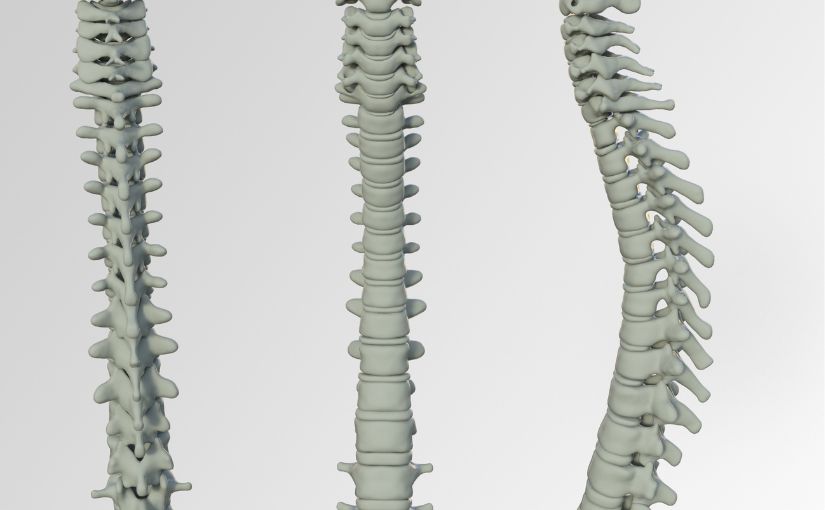
Closely related to scoliosis, and often a downstream consequence of corrective spinal surgery, is flatback syndrome. It’s a condition where the lower lumbar spine loses its natural inward curve (lordosis) and becomes abnormally straight.
The good news is that all is not lost for Filpinos that are affected by flatback syndrome. This is thanks to holistic approaches like chiro therapy. Read on.
What is flatback syndrome?
With flatback syndrome, the lower spine’s inward curve is compromised and becomes inappropriately straight. This messes up the body’s alignment, making it hard for patients to stand upright without leaning forward.
The said ailment often comes with symptoms, and the most notable ones are chronic lower back pain, a forward-pitched posture, and fatigue that worsens as the day goes on. This is because the muscles are constantly compensating for the lost curve.
It commonly develops from worn-down spinal discs, old spinal surgery, compression fractures, or inflammatory spinal conditions. It affects adults most often, and many don’t realize the condition has a name.
What are the causes of flatback syndrome?
According to Medical News Today, flatback syndrome is often connected to a spinal surgery called the Harrington rod procedure, which was commonly used to treat scoliosis. After this surgery, the spine adjusts in an unnatural way to compensate for the changes made. Over time, the discs below the fused area wear down, making it hard to stand straight and leading to long-term back pain and physical limitations.
Other things that can cause or increase the risk of flatback syndrome include:
- Degenerative disc diseases like ankylosing spondylitis and rheumatoid arthritis
- Broken vertebrae caused by osteoporosis
- A condition that can develop after surgery to relieve spinal stenosis, known as lumbar post-laminectomy syndrome
In rare cases, a person can be born with flatback syndrome. For example, when one or more vertebrae do not form properly during fetal development.
What are the common symptoms of flatback syndrome?
If you have flatback syndrome, chances are, you’ll likely struggle standing up straight, deal with persistent pain, and find simple daily tasks more difficult. To stay upright, you may strain their back muscles or shift their weight by bending at the hips and knees. These workarounds offer only temporary relief and can lead to worsening pain the longer they are used.
What is the role of chiro therapy in treating flatback syndrome?
Chiro therapy is a complementary treatment for flatback syndrome. It can enhance the effects of medical intervention by managing flatback syndrome through structural care aimed at improving spinal alignment, restoring mobility, and distributing load more evenly across the spine.
Rather than simply addressing pain, chiro therapy focuses on the underlying postural imbalances that make daily movement difficult.
Simply put, the objectives of chiro therapy for flatback syndrome is to relieve symptoms, improve posture, and help you regain functional capacity. In certain cases, consistent treatment may also lead to measurable improvements in lumbar curvature, offering longer-term benefits beyond pain management.
What chiro methods can help treat flatback syndrome?
There are a number of methods that a doctor of chiro will utilize to treat your flatback syndrome. Some of them are elaborated below.
Spinal manipulation and mobilization
Doctors of chiro use gentle spinal adjustments to get the joints moving properly and ease stiffness. These techniques gradually help restore the spine’s natural curve in areas where it has been lost.
Postural correction and retraining
Doctors of chiro look at how the body has been compensating for the flattened spine and use hands-on techniques and teach exercises to improve posture and take unnecessary pressure off the hips, knees, and back.
Soft tissue therapy
Muscle tightness is common with flatback syndrome. Techniques like myofascial release and trigger point therapy target overworked muscles in the lower back, hamstrings, and hips to reduce tension and discomfort.
Therapeutic exercise and rehabilitation
Strengthening the core and back muscles helps support the spine and makes it easier to stand and move upright without pain.
For related reading, check the following exercise articles:
- Chiropractor-Approved Exercises for Lower Back Pain
- Bodyweight Exercises and Chiro for Strength and Overall Health
Flexion distraction therapy
This is a gentle, hands-on technique that carefully stretches the spine to relieve pressure on the discs and nerves. It works especially well for patients who also have disc degeneration.
Lifestyle and ergonomic guidance
Doctors of chiro also help patients make practical changes to their daily habits, sitting posture, and movement patterns to slow down further damage and keep the spine as healthy as possible.
For related reading, check our article on ergonomics:
Optimize Ergonomics and Your Well-being with Help from a Chiropractor for Posture
When to consider chiro therapy?
In addition to medical intervention, chiro therapy may be a good complementary option for people with flatback syndrome who are experiencing any of the following:
- Persistent lower back pain that does not improve with rest or basic pain relief
- Difficulty standing upright for extended periods or when walking
- Muscle fatigue and tension in the lower back, hips, or legs from constantly compensating to stay straight
- Reduced mobility that is making everyday tasks harder to manage
- Early-stage flatback syndrome where conservative, non-surgical treatment is still a viable option
- Post-surgical recovery where chiropractic support can help maintain spinal function and manage residual symptoms
It’s best to consult a chiropractor as early as possible. Catching and addressing postural imbalances early can help slow the progression of the condition and reduce the risk of more serious complications down the line.
A path to better spinal health
Low back pain is an issue in the Philippines, but flatback syndrome is another serious condition that many people don’t know they have. The good news is that chiro therapy can help without surgery. Instead of just hiding the pain, a chiro doctor works on the root cause. They use gentle adjustments, muscle therapy, and easy exercises to help straighten your posture, reduce pain, and make moving around much easier.
Take control of your health today. Schedule a visit with a doctor of chiro at Posture Perfect Chiropractic to check your posture and get a simple, personalized plan to help you stand tall again.