Main points: 

  • Massage therapy eases muscle tension and stress. It’s one of the oldest healing practices, and in the Philippines, we have our own version: hilot.
  • Chiropractors use drug-free methods to treat spine and joint problems. In the Philippines, make sure yours is PITAHC-certified.
  • Choose properly trained professionals, and check with your doctor if you have a medical condition.

Filipinos love massages. Period. In fact, it’s a common household remedy in the Philippines. Tired? Get a massage. Stiff muscles? Get a massage. Simply put, massage has become a habit among Filipino families. In fact, a significant number of them have their go-to “masahistas” (masseuse/masseur) therapists that they recommend to their friends and loved ones. 

But when the time comes that your back, neck, or shoulder is hurting, is a massage still the right holistic approach for you? Occasionally, it is. Other times, you may need something that’s more extensive and is more specifically designed for musculoskeletal conditions. Something in the form of chiropractic therapy. 

Both massage therapy and chiropractic therapy are hands-on and can ease pain, but they work in different ways. This article explains their differences and helps you choose which one complements your needs and your goals. 

Chiropractic therapy vs massage therapy: At a glance

Treatment Chiropractic therapyMassage therapy 
Main focus Assessment and management of musculoskeletal concerns, often involving the spine, joints, movement, and functionHands-on work focused mainly on muscles and other soft tissues
Typical techniquesSpinal or joint manipulation/mobilization, soft-tissue work, movement advice, exercise or posture guidance, depending on the practitionerSwedish massage, deep-tissue techniques, trigger-point work, stretching, and relaxation-focused touch
Common reasons Filipinos seek itLow-back pain, neck pain, some headache types, joint stiffness, or movement-related discomfortMuscle tension, stress, soreness, relaxation, and some back or neck pain
What a session may feel likeAssessment followed by joint movement or manipulation; some people notice temporary soreness, stiffness, or headache afterwardPressure on soft tissue; temporary tenderness or soreness can occur, particularly after vigorous massage
Best used as part ofA plan that may include education, staying active, mobility and strengthening work, and referral where appropriateA plan that may include movement, ergonomic or stress-management strategies, and clinical assessment if symptoms persist

What is a chiropractor? 

A chiropractor is a licensed healthcare professional who focuses on fixing spinal subluxations and joint subluxations to tap the body’s innate ability to heal itself. Most chiropractors work closely with their patients to address pain, function, and mobility issues using various drug-free methods. The long list includes exercise, ergonomics, nutrition, massage, lifestyle modification, and general wellness. 

In the Philippines, the governing body that certifies chiropractors is the Philippine Institute of Traditional and Alternative Health Care (PITAHC). And for an individual to practice chiropractic therapy in the country, They need to be able to meet the following: 

  • Be a Filipino citizen and at least 21 years old.
  • Complete a chiropractic degree or course from a PITAHC-accredited institution. The program may be at bachelor’s or doctorate level and should include basic sciences, clinical and preclinical subjects, chiropractic techniques, patient management, recordkeeping, and research.
  • Ensure the school is properly authorized. The institution must have Commission on Higher Education (CHED) authorization and comply with PITAHC standards on curriculum, administration, clinical training, ethics, and patient safety.
  • Pass the national certification examination administered under PITAHC’s National Certification Committee.
  • Meet ethical and professional standards, including compliance with the Chiropractic Code of Ethics and applicable safety guidance.
  • Complete supervised practice, since the transitional rules state that practicing chiropractors must undergo six months of supervision by a licensed Filipino chiropractor.
  • Pay required application or certification fees and maintain certification under PITAHC requirements.
  • For graduates of a foreign chiropractic school, the degree must first undergo an equivalency review; foreign chiropractors must also submit evidence of their qualifications and overseas license or registration.

Putting the said factors into consideration, it can be said that not everyone is qualified. So, before undergoing the said holistic treatment, it’s best to make sure that the chiropractic doctor who’s going to perform it has the proper certification and has undergone proper training. 

What is massage therapy? 

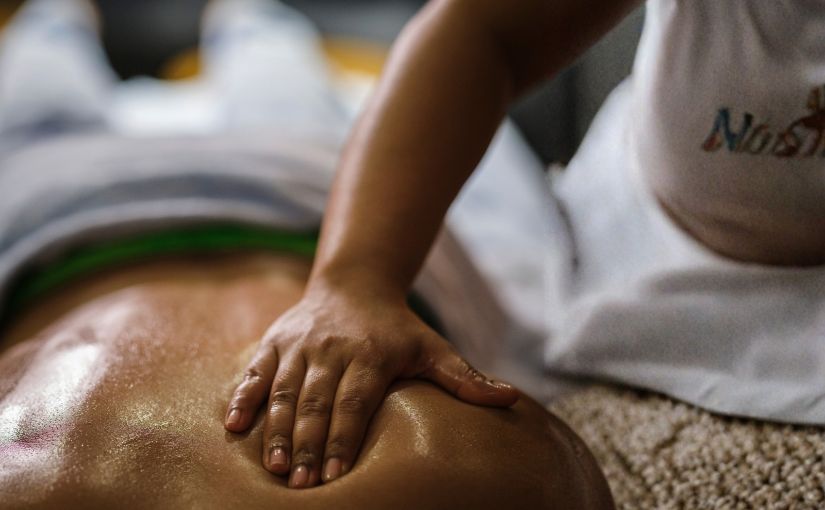
Massage therapy is a manual, hands-on treatment for your body’s soft tissues: muscles, tendons, ligaments, and connective tissue around them. Here, a trained therapist presses, rubs, kneads, or stretches the aforementioned. 

Bear in mind that the techniques vary, and on top of the hands and arms, some may include the use of forearms, elbows, or even feet. Nonetheless, the objective remains the same: ease muscle tension, help your body feel and at the same time move better, and also lower stress. 

In line with this, note that it’s one of the oldest forms of healing. According to studies, its origin can be traced in India as a key component of Ayurveda–a traditional system–that translates to science of life (Sanskrit). Here, it was used to treat injuries and basically restore the body’s balance. During the said timetable, China included massage in its traditional medicine. From there, it spread to Egypt, Japan, and other parts of the world. 

Consequently, the greeks as well as the Romans embraced it. Hippocrates used massage to treat injuries, Greek athletes relied on it before competitions, and Romans enjoyed rubdowns at the public baths.

In the early 1800s, Swedish teacher Per Henrik Ling revived massage in the West, laying the groundwork for Swedish massage. By the 20th century, it had become a respected, drug-free therapy for pain and stress.

The Philippines has its own version: hilot, a traditional healing massage passed down through generations to ease sprains, muscle pain, and everyday aches.

Chiropractic therapy vs massage therapy vs hilot

Contrary to many beliefs, chiropractic therapy, massage therapy, and hilot is not the same. For instance, they come from varying traditions and aim to deliver different results. 

The table below shows how they compare side by side: 

Massage therapyHilotChiropractic therapy
What it is A wellness service focused on relaxing soft tissueA traditional Filipino healing practiceA clinical approach focused on the spine, joints, and nervous system
Primary objective Relaxation and stress reliefRestoring balance and easing muscle and joint complaints the traditional wayFinding and correcting joint and spinal problems that cause pain or limit movement
Common techniques Kneading, stroking, pressure on musclesMassage, stretching, manipulation, sometimes with oils or leavesPhysical assessment, targeted spinal and joint adjustments, mobility and posture work
Practitioner who performs it Massage therapistsManghihilot (community-recognized) or formally trained hilot practitionersChiropractors
Training Massage therapy coursesPassed down through generations or taken at a PITAHC-accredited training centerFormal chiropractic education
Assessment Usually just a quick check of preferences and problem areasBased on the practitioner’s traditional knowledge and touchHealth history, posture and movement checks, and sometimes imaging
Best for Unwinding, muscle tension, general wellnessPeople who prefer traditional Filipino healingRecurring back or neck pain, posture problems, joint issues

Should you see a chiropractor or get a massage? 

Chiropractic therapy and massage therapy are both holistic and drug-free approaches that can play a key role in pain management and improving overall well-being. But, in certain cases, one may be better than the other. 

  • Relaxation: Massage
  • Neck pain: Chiropractic
  • Back pain: Chiropractic
  • Headaches: It depends on the type
  • Tight, sore muscles: Massage
  • Posture: Chiropractic
  • Recovering from surgery or an injury: Massage
  • Wanting to cut back on pain meds: Chiropractic

Relaxation: Massage 

According to Mayo Clinic, relaxation is one of the biggest reasons people book a massage, and for good reason. Massage helps lower stress, improve mood, and ease anxiety. Even people who go in for sore muscles or an injury often say they feel calmer afterward. Don’t be surprised if you feel a little tired or sore after a session, too. That’s normal, since your muscles just got a workout of their own.

Neck pain: Chiropractic

If your neck’s been stiff from long hours at a desk or looking down at your phone, a chiropractor might be the better call. Healthline points to a 2012 study of 272 adults where spinal manipulation worked better than medication for neck pain, and the results held up for up to a year. One thing worth knowing: simple home exercises did nearly as well in that study. So don’t skip the stretches your chiropractor gives you.

Back pain: Chiropractic

Back pain is where chiropractic care has some of its strongest backing. The American College of Physicians actually recommends trying non-drug options like spinal manipulation before turning to medication for low back pain, as Healthline notes. A 2017 review also found that spinal manipulation brought moderate relief for back pain within the first few weeks. It’s a good first step if you’d rather not jump straight to pills or injections.

Headaches: It depends on the type

Here’s where it gets a bit tricky. If your headaches start in your neck, chiropractic care may help. One study found that neck and upper-back manipulation eased these headaches better than exercise alone, and the relief lasted for months (Healthline). But if your headaches are tied to stress and tight muscles, massage is worth a shot. Mayo Clinic Health System lists headaches among the conditions massage can help with.

Tight, sore muscles: Massage

Massage is the go-to for muscle tension. Mayo Clinic Health System says it can reduce stiffness, ease soreness, improve flexibility, and even help you bounce back faster between workouts. It’s a great option if you’re active, or if you just carry a lot of tension in your shoulders and back.

Posture: Chiropractic

If sitting all day has left you slouching, a chiropractor may be able to help. Healthline says chiropractic care can potentially improve poor posture, especially when it’s caused by too much sitting. The research here is still early, though, so think of it as one part of the fix. Better desk habits and strengthening exercises matter just as much.

Recovering from surgery or an injury: Massage

Massage isn’t just for pampering. Mayo Clinic Health System notes it’s often part of medical treatment plans, like after a joint replacement or an injury, to help people get back to their daily routines. It can also help with scar tissue and soft tissue strains. Just check with your doctor first if you’ve recently had surgery.

Wanting to cut back on pain meds: Chiropractic

If you’re trying to rely less on prescription painkillers, chiropractic care may help. A large 2020 study cited by Healthline found that adults who saw a chiropractor for spinal pain were less likely to fill an opioid prescription than those who only saw their doctor.

References: 

Are Chiropractic Care and Massage Therapy Safe?

For most people, yes. Both are low-risk when a trained, licensed professional does them. Still, it helps to know what to watch for.

Possible risks of chiropractic therapy

Feeling a bit sore, stiff, or headachy after an adjustment is normal. NCCIH says these effects usually fade within 24 hours.

Serious complications, like nerve problems or strokes linked to neck artery tears, have been reported. They’re very rare, and there’s no reliable data on how often they occur. It’s also unclear whether the adjustment itself causes these tears, since sudden neck movements from sports or whiplash can trigger them too.

That’s why screening matters. A good chiropractor will ask about your health history and medications before treatment. Before any neck work, they should also explain the risks and get your consent.

When Massage Needs Extra Caution

Massage is generally safe, but take extra care if any of these apply to you:

  • Bleeding disorders or blood thinners: Skip deep tissue or forceful massage.
  • Pregnancy: Get your doctor’s OK first, and find a therapist trained in prenatal massage.
  • Wounds or fragile skin: Keep pressure away from those areas.

Deeper pressure doesn’t always mean better results, either. Rare injuries like blood clots, nerve damage, and fractures have mostly involved vigorous massage or higher-risk people, such as older adults. Moderate pressure can still ease tension, so speak up if it hurts.

Before your session, tell your therapist about any health conditions, medications, recent surgery, or injuries.

Combining both chiropractic therapy and massage therapy

Both chiropractic therapy and massage therapy offer holistic approaches for pain management and well-being improvement. However, many Filipinos find that combining both is beneficial. Just make sure to choose professionals who have undergone the right training to perform any of the said approaches. 

Additionally, make sure to coordinate with your physician if you have pre-existing conditions or is under medication. 

Not sure which one you need? Posture Perfect Chiropractic can help

A massage from your “suking masahista” (regular masseuse/masseur) is still a great way to unwind and loosen tight muscles. But if your back, neck, or shoulder pain keeps coming back, or you’re dealing with posture or joint problems, a chiropractor may be the better choice. You don’t have to pick just one, either. Many people get the best results by combining both. Whichever you choose, go to a properly trained professional, like a PITAHC-certified chiropractor, and check with your doctor first if you have a medical condition or take medication.

Still not sure which one you need? Book an assessment at Posture Perfect Chiropractic. Our certified chiropractors will check your spine, posture, and movement, find what’s causing your pain, and build a treatment plan that fits your needs.

Book your appointment today. 

Main points: 

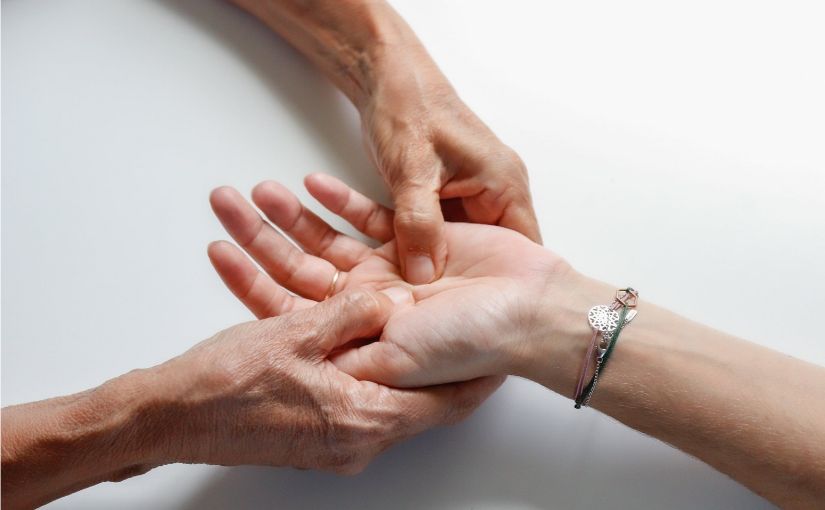
  • Hilot is a traditional Filipino practice that uses massage, stretching, and warm oils to ease everyday aches, fatigue, and tension.
  • Chiropractic therapy is a clinical treatment that focuses on the spine and joints. It’s meant for back pain, neck pain, and posture problems.
  • Bone setting and hilot aren’t the same thing. Bone setting deals with injured bones and joints, while hilot covers the whole body.

Work-related musculoskeletal pain is a serious concern in the Philippines, particularly among healthcare professionals. This is according to a small study that was published in the National Library of Medicine. The small cross-sectional study among neurosurgery consultants in the country suggests that neck pain is the most common ailment, followed by lower back pain. 

Since many Filipinos opt for a drug-free approach to cure illnesses, it’s no wonder why many opt for holistic methods like hilot and chiropractic therapy to address musculoskeletal pain. Both gained recognition for their use of manual techniques to treat pain, stiffness, and functional movement concerns, but they differ in many ways. That is what this article is about. 


Read on to find out more about the differences of hilot and chiropractic therapy to make an informed decision for your needs, preferences, and budget. 

Hilot vs chiropractic therapy at a glance

Let’s take a quick glance at what hilot and chiropractic therapy do and whether you’d choose one over the other. 

Factor Hilot massage Chiropractic therapy 
Basic definition A traditional Filipino massage and healing practiceManual/hands-on technique that’s used by chiropractic doctors to fix spinal as well as joint subluxations. 
Primary focus Restore and maintain the body’s overall balance as well as well-being while addressing physical discomfort. Diagnose, treat, and prevent musculoskeletal disorders. It puts emphasis on improving the health of the spine and joints to manage pain, enhance mobility, and improve overall health. 
Typical techniques Massage, pressure, oils, stretching, warming, and traditional assessment approachesControlled force applied to a joint, spinal manipulation, mobilization, and sometimes soft-tissue work
Main area treated Often the whole body or broad painful areasUsually a specific joint, spinal region, or movement-related complaint
What to expect Rhythmic massage pressure, stretching, warmth, and relaxationPressure, a quick thrust in some techniques, movement, and sometimes a popping sound
Best suited forMild soreness, stress-related tension, and relaxation Mild soreness, stress-related tension, relaxation, musculoskeletal concerns

What is hilot? 

Hilot is an ancient Filipino healing tradition that’s grounded on the belief of achieving balance among a person’s physical elements along with their spiritual, mental, and emotional aspects. It can be said that at its core, hilot heals the whole person, and not just their physical problems. 

The practice is usually passed on from one generation to another, which suggests the interplay between spirituality and cultural heritage. Additionally, hilot practitioners utilize medicinal plants and “bulong” or whispered or written prayers, to treat their patients. 

A recognized manghihilot (hilot practitioner) develops their healing methods over decades and often becomes a community’s go-to person to treat strains, sprains, stress, and fatigue, among others. 

In 2016, the Philippine government, through the Philippine Institute of Traditional and Alternative Health Care (PITAHC), recognized hilot as a legitimate healing modality. At present, there are certified hilot practitioners that have undergone proper training are certified by the government. 

Hilot methods 

Now that you understand the concepts of hilot, let’s take a closer look at the methods that manghihilot use to treat ailments. 

  • Pressure applied to tight or sore areas. A manghihilot performs hands-on techniques to locate the body part that has accumulated muscle knots. Afterward, they apply sustained as well as focused pressure to the affected areas. 
  • Stretching or assisted movement. A manghihilot gently stretches your muscles and guides your joints using movements that are specifically designed to restore flexibility and achieve your full range of motion. 
  • Coconut oil, herbal oils, or liniments. A manghihilot uses specialty oils based on their therapeutic properties, but most of them are to treat inflammation. 
  • Warm compress. Some manghihilots use warm compresses to improve blood flow during the hilot session. 

All these methods play a key role in helping your body achieve balance. Also, each method complements the other, allowing the body to relax and heal. 

What hilot may be appropriate for

Hilot is often the first remedy for common injuries, discomfort, tension, and fatigue. Below is a list of ailments that may be treated by this holistic approach. 

  • General body fatigue. If you’ve spent long hours at your desk, played a strenuous game, or traveled for a long time, your body has likely accumulated fatigue. Hilot’s relaxation-focused approach can help you feel better. 
  • Stress-related muscle tension. Your body knows when you’re stressed. A manghihilot can recognize the tense body part or parts and may perform body massages or spiritual work to help calm the nervous system. 
  • Mild, non-specific stiffness without injury or neurological symptoms. In certain cases, you’re just stiff, not injured. A manghihilot can help restore movement without clinical intervention. 
  • Relaxation and a culturally familiar wellness space. For many, hilot offers more than just pain management and improved mobility. It’s a wellness practice that’s rooted in culture. 

It can be said that hilot is a holistic approach that’s preventative, accessible, and deeply rooted in Filipino traditions. 

What are the limitations of hilot

Hilot is effective for the everyday aches, tiredness, and stress that build up in your body. But if something feels wrong, if you’ve been injured, if you’re having nerve problems or feeling sick all over, or if your heart or breathing is off—you need to see a doctor first. A real manghihilot will tell you honestly when something is beyond what they can help with. 

Is hilot safe? 

Hilot is generally safe, especially for minor muscle stiffness and relaxation. However, it can be a bit risky if it’s used to treat serious fractures or injuries minus a medical doctor’s evaluation. 

Also, bear in mind that not all manghihilots are created equal. You should be wary of pseudo manghihilots who lack training and rely on guesswork. They may use excessive force, apply improper techniques, or perform inaccurate assessments—all of which may compromise not only your injury but also your overall health. 

The difference between hilot and bone setting 

Hilot and bone setting are two different things. Hilot is a broader healing system that’s made up of muscle massage, spinal manipulation, essential oils, herbs, and spiritual as well as mental balance to achieve healing. Bone setting, on the other hand, is an injury-focused practice that aims to realign the bones or joints. 

Here’s a table that shows the two holistic approaches at a glance: 

AspectBone settingTraditional Filipino hilot
Main focusSuspected fractures, dislocations, sprains, or joints believed to be “out of place”Muscle and joint discomfort, stiffness, sprains, fatigue, recovery, and well-being; some practitioners also address injuries
Typical methodPulling, pressing, repositioning, splinting, bandaging, or manipulating the affected body partHands-on assessment and massage, pressure, stretching, joint manipulation, and sometimes coconut oil, herbal preparations, or warmed leaves
ScopeUsually specific to the injured bone or jointBroader whole-body practice that can include musculoskeletal care and traditional wellness concepts
PractitionerA traditional bonesetter; in some Filipino settings this may be called a manghihilot, mamarukpok, or another regional nameA manghihilot or mangablon; practice and terminology vary significantly by region and family tradition
RelationshipCan be one component of a hilot practitioner’s workMay include bone-setting, but not all hilot is bone-setting

What is chiropractic therapy? 

Chiropractic therapy is a hands-on/manual treatment that treats pain, improves mobility, and boost functionality. It’s about aligning your body’s musculoskeletal system, especially your spine, to relieve pain and discomfort. Eventually tapping your body’s innate capacity to heal itself naturally. 

The foundation of chiropractic therapy is spinal manipulation. It’s a holistic method where chiropractic doctors strategically and carefully perform targeted alignments to align your vertebrae and joints to manage pain, discomfort, and everything in between. Additionally, joint adjustments and manipulation are performed to fix joint subluxations or misalignments. 

How chiropractic therapy changed for the better

Modern chiropractic therapy has expanded way beyond that. Nowadays, chiropractors combine spinal manipulation with other treatments that include soft tissue massage and myofascial release. Many of them also give guidance on home exercises, proper posture, and ergonomics to achieve lasting pain management and improve overall health. 

Furthermore, many chiropractors now work alongside regular doctors, pain specialists, and other healthcare specialists to give comprehensive treatments that are specifically tailored for your needs and fitness level. 

Chiropractic certification in the Philippines

In the Philippines, PITAHC set up the standards for chiropractic certification in the country. They created a technical working group: the National Certification Committee for Chiropractic (NCCC) to accept, review, approve, and issue certificates to chiropractic doctors and other related practitioners. 

What conditions can chiropractic therapy treat? 

Chiropractic therapy can treat a number of conditions, and some of the most notable ones are elaborated below. 

Lower back pain

If you’re nagged by lower back pain and you don’t have underlying conditions, you can undergo chiropractic therapy. In fact, lower back pain is one of the most common reasons Filipino patients opt for this holistic method. 

Mechanical pain linked to movement, posture, or joint stiffness

Mechanical pain includes the pain that you experience when you’re hunched over your desk for extended periods or discomfort that worsens when you move a certain way. Chiropractors can loosen muscle knots and help relax your muscles, allowing you to reach your full range of motion. This, in turn, allows you achieve normal movement patterns. 

Neck and shoulder complaints

Painful neck and shoulders are usually not medical emergencies, but if not immediately addressed, they may limit everyday movements. A chiropractic doctor can help address these concerns after a screening, allowing you to improve your quality of life. 

Chiropractic therapy is essential in managing these conditions, but you will get the most benefit from it if you combine it with exercise, good posture, and proper ergonomics.

Is chiropractic therapy safe? 

Chiropractic therapy is generally safe, but there are precautionary measures that you, the patient, should keep in mind. You should only undergo treatment from a qualified, experienced, and certificated chiropractic doctor. But like other holistic methods, there are certain things that you need to consider. Some of them are as follows: 

What the research says

A comprehensive 2017 review analyzed evidence from 250 scientific publications on the risks and side effects of spinal manipulation and mobilization. Here’s what they found: 

  • Common, temporary side effects. Most patients experience mild-to-moderate side effects after chiropractic treatment. Some of these include stiffness, dizziness, headaches, and stiffness. But, bear in mind that they’re temporary and usually go away after a couple of hours. 
  • Serious side effects are rare. Serious complications such as neurological damage or spinal injuries are very rare. For reference, in post-cervical manipulation arterial dissection occurred once in 8.06 million visits. 
  • Your personal risk factors matter. Your likelihood of experiencing a serious side effect is higher if you have underlying health conditions that increase your injury risk. This is why pre-treatment screening isn’t just a formality; it’s genuinely important.

Chiropractic therapy is a viable option for mechanical pain and posture problems. To make sure that your welfare won’t be compromised, make sure to opt for a certified chiropractor that’s backed by a long history of safety and satisfaction.

Related article: Navigating Chiropractic Therapy: A Guide to Clinic Selection

Both hilot and chiropractic therapy are worthwhile options for you if you want to achieve pain relief, improve mobility, and optimize your health. However, if you’re experiencing nagging pain, movement limitations, or poor posture that’s negatively affecting your daily activities, it’s safe to say that chiropractic therapy is a good option. 

Chiropractic doctors undergo more extensive training and assess your body to make sure that they can address the root cause of pain and not just mask the symptoms. 

So book an appointment at Posture Perfect Chiropractic. Our chiropractors can assess your condition and create a personalized treatment plan that will actually work for you. 

Alex Eala’s success on the tennis court has turned the Philippines into a tennis country. A certified crowd-drawer for the Women’s Tennis Association (WTA), she’s the undisputed face of Philippine tennis. 

Ranked 18 in the world, her popularity sparked interest in the said sport. For instance, Decathlon Philippine’s beginner racquets experienced a 66% spike in sales in the past year. This is a testament that the Alex Eala fever is here to stay. 

Because of the rise of Filipinos engaging in tennis, many are probably experiencing cranky elbows, sore knees, stiff shoulders, and other musculoskeletal issues. That’s because the said sport can be hard for the body, especially if your body is still adjusting to all the swinging, backward-forward movement, and lateral movements. 

This is where chiropractic therapy comes in. Alongside warm-ups, training, and coaching, this holistic method can address spinal subluxations and joint misalignments. Consequently, it can help improve your range of motion and support recovery. Read on to find out more. 

Why range of motion is important in tennis

Tennis is a sport that involves a lot of movement. Tennis strokes and back hands, for instance, rely on coordinated movements coupled with explosiveness, not isolated arm action. Therefore, if your range of motion is compromised, chances are, you won’t be able to perform well. 

Tennis demands movements that involve the whole body

On top of arm swings and backhands, there are other movements that you need to perform when playing tennis. Below are some of the most notable ones and the body parts that they rely on. 

  • Shoulders and upper back. Serves, follow-throughs, backswings, and overhead smashes require movements from shoulders, often at high speeds. 
  • Hips. Almost all major tennis strokes require hip rotation and hip drive. For example, in groundstrokes, rotating your hips is essential to successfully drive a shot. 
  • Ankles and knees. Tennis serves, split steps, lateral lunges, etc., require ankle and knee flexion. 

Range of motion contributes to efficient force transfer

In tennis, force production begins at the ground and moves through the legs, hips, core, and arms. It’s then transferred to the racquet. In sports science, it’s called a kinetic chain. Here, when one body part is stiff or tensed, another one is compromised due to the inefficient distribution of load. 

Putting the said factors into consideration, range of motion is important in tennis because none of the said body parts work alone. A stiff back can cause your shoulders to become stiff, eventually messing up your body mechanics. That’s why it’s important to turn to chiropractic therapy to not just fix sore spots but also fix range of motion problems. 

If not addressed, poor range of motion can have a negative impact on serving and overhead performance, groundstroke rotation, swing power, and recovery steps. 

Common tennis mobility restrictions that your chiropractor may assess

If you play tennis, you may develop stiff spots. You may not notice it at first, until they affect your game or cause pain and discomfort after games. Your chiropractor may check for tensed muscles and/or misaligned vertebrae and determine if they may be putting a strain on other body parts. 


Here are restrictions that they may look for. 

  • Shoulder range of motion 
  • Thoracic spine mobility
  • Hip mobility and pelvic control 
  • Ankle mobility 
  • Wrist and arm strength 

Shoulder range of motion

Your chiropractor may check your shoulder range of motion, analyzing how far the shoulder turns. They may compare movement from one side to the other, how strong it is, and how well your shoulder blade moves. 

For reference, you need a strong rotator cuff that can reach its full range of motion if your game involves a lot of overhead movements. 

Thoracic spine mobility

During tennis games, your thoracic spine or mid-spine (longest region of the spinal column) bends backward and twists. If it’s stiff, your lower back may take up the added load and cause muscle knots to develop. Your chiropractor may assess your thoracic spine and, depending on your fitness level, may perform chiropractic treatment afterward. They may also encourage you to perform mobility work and strengthening exercises. 

A study that was published in the National Library of Medicine suggests that tennis players who include back and shoulder mobility exercises together with strengthening workouts may improve their overall mobility. Along the way, they may also develop more accurate serves. 

Hip mobility and pelvic control

Tennis requires your hips to push back, turn, and keep you balanced. With this in mind, your chiropractor may check if hips are loose and if they’re strong enough to perform tennis movements with explosiveness. 

Ankle mobility

Your chiropractor may check your ankles to make sure they bend and help you stay low in tennis games when necessary. If they’re stiff, you may find it difficult to perform certain tennis movements. Plus, they may be more prone to strains and sprains. 

Wrist and arm mobility 

Wrist and arm mobility are necessary to hold your racquet at an optimum position, angle it, and spiral to the ball. Here, your chiropractor may check if you have tennis elbow and if they turn seamlessly. 

These are some of the most common tennis mobility restrictions that your chiropractor may evaluate. In line with these factors, bear in mind that player needs are different and there’s no one program that fits everyone. What you need depends on your body type, fitness level, how you play, and past injuries, among others. 

How chiropractic therapy can support tennis players

Including chiropractic therapy in your tennis regimen is a must if you regularly deal with pain, discomfort, stiffness, and mobility issues. Read on for details. 

  • Movement-focused assessment
  • Manual therapy for short-term comfort and movement 
  • Active rehabilitation for range of motion 

Movement-focused assessment

As mentioned earlier, chiropractic treatment varies from one individual to another. Your assessment may start with an analysis of symptoms, injury history, fitness level, and recovery methods, among others. 

Along the way, they may assess for painful and non-painful movements, as well as strength, balance, coordination, and tennis-specific movements.

Manual therapy for short-term comfort and movement

To achieve pain relief and movement comfort for tennis games, your chiropractor may perform manual therapy. They may include spinal and joint adjustments as well as soft tissue mobilization. 

  • Spinal and joint adjustments. These techniques can restore your body’s full range of motion, particularly in the thoracic spine, shoulders, wrists, and hips. Once their benefits are achieved, you may experience improved rotational power, especially for serves and ground strokes. 
  • Soft tissue mobilization. Your chiropractor may perform methods such as Active Release Technique (ART) and the Graston Technique to get rid of muscle knots, reduce muscle tension, and break down scar tissue. 

Note: On top of the aforementioned treatment, your chiropractor may also encourage you to have other holistic methods such as acupuncture, myofascial release therapy, etc. 

Active rehabilitation for range of motion

A study that was published in the National Library of Medicine suggests that to make the most of your chiropractic therapy, you need to complement it with active rehabilitation. Active rehabilitation, which includes movement training, self-management strategies, and home workouts recommended by your chiropractor. 

Related articles: https://www.postureperfectph.com/blog/chiropractor-approved-exercises-for-lower-back-pain/ 

Chiropractic therapy for tennis recovery

Chiropractic therapy has become one of the go-to treatments for many tennis players who experience the following post-game or post-training: muscle soreness, stiffness, and movement discomfort. 

When used as a component of a recovery plan, it can help improve pain, discomfort, and the like. Here’s how chiropractic therapy can help. 

Supporting comfortable movement after tennis 

In a study of 198 Canadian national athletes, two-thirds (67%) who underwent chiropractic therapy say that they believed that it positively affected their physical performance. With this in mind, it can be said that the benefits of the said holistic approach when it comes to muscle recovery are promising. 

Should you choose to incorporate chiropractic therapy into your tennis recovery, your chiropractic doctor will identify the factors that are hindering your recovery. Whether it’s caused by muscle tightness, reduced joint mobility, or changes in movement control.

Where appropriate, they may perform joint mobilization, spinal adjustment, soft tissue work, or assisted mobility, or a combination of the said methods. The goal of this approach is to help you return to help you get back to the playing court as soon as possible, without compromising your safety and welfare. 

Restoring mobility between tennis games and training sessions

Regardless if you’re a professional athlete or a weekend warrior, you need to recover in a timely manner after strenuous games or trainings. 

On top of regular chiropractic sessions, your chiropractor-developed plan may include prioritizing comfortable movement from your shoulder to your ankles. Here, you’ll need to complement strength training with mobility workouts to improve range of motion. 

Rounding out recovery lifestyle changes

A good chiropractor will remind you that chiropractic therapy is a component of recovery. It’s not a magic pill that will instantly get you back into tip-top shape. 

To make the most of your chiropractic treatment for tennis recovery, you need to include the following in your recovery plan: 

  • Cooldown. After a long match or rigorous training, you shouldn’t neglect cooling down. A couple of minutes of light walking or easy mobility work can go a long way when it comes to getting your heart rate back to normal. This won’t erase next-day delayed onset muscle soreness (DOMS), but it’s arguably one of the best ways to bring back to resting state.  
  • Good nutrition and hydration. Nutrition and hydration are other recovery basics that you should focus on after a long match or training session. This principle is most true in the Philippines, where the humid weather can deplete your body of essential electrolytes for speedy recovery. On top of this, consume the right amount of carbohydrates and protein about 30 minutes after the said activities. 
  • Sleep. Don’t underestimate sleep since it’s the time of the day when your body’s recovery really happens. It’s essential not only when it comes to recovery but also when it comes to lowering recovery risk 
  • Rest. Planned rest days, i.e., taking time off or keeping things light, allow your body to relax and relieve muscle soreness. 

As you can see, chiropractic therapy can be a huge part of your tennis recovery. However, you need to undergo more extensive assessment if you experience persistent pain, extreme fatigue, significant swelling, and numbness. They may need more than just routine recovery care. 

Keep playing tennis, but take care of your body too

The Alex Eala fever has more Filipinos—regardless of age and gender—picking up racquets and heading to the playing court. This is a great thing, especially if you’re all about maintaining an active lifestyle. But the sport puts a lot of strain on the body. 

A holistic approach in the form of chiropractic therapy, alongside other methods like warm-up, cooldown, proper nutrition and hydration, and rest, can help improve mobility and recovery. Doing these consistently can help you play tennis at an optimal level, boost recovery, and prevent injuries minus painkillers and other drugs. 

At Posture Perfect Chiropractic, we can help you make the most of your tennis endeavor by helping you achieve your full range of motion and recover faster. 

Whether you’re training for a tournament or playing to improve heart health or maintain your ideal weight, our doctors can perform treatment that can complement your goals. Our experts can also teach you home exercises that can help you make the most of chiropractic treatments. 

Book an appointment day and make a step toward more confident tennis games. 

Pickleball, a hybrid sport that is a cross between tennis, badminton, and table tennis, is a sport that has become a fad in the Philippines and many parts of the world. Introduced by Joel Pritchard, Bill Bell, and Barney McCallum, it’s now an organized, recreational, and competitive sport. Its popularity skyrocketed after the COVID-19 pandemic, and it’s safe to say that it isn’t slowing down anytime soon. 

A relatively low-impact game, pickleball still requires players to perform repetitive arm swings, lateral shuffling, and continuous reaching. Movements that may stress the joints, muscles, tendons, and ligaments. Because of this, a number of players often encounter injuries. From minor sprains and muscle strains, the list goes on. 

Putting the said factors into consideration, it’s no wonder many turn to chiropractic therapy and other holistic approaches to prevent common injuries and recover faster. 

Why pickleball can cause injuries

Due to a combination of fast as well as explosive movements, coupled with playing on hard surfaces, pickleball can cause injuries. Elaborated below are pickleball demands that can trigger injuries. 

Quick stops and starts

Some of the most common movements in pickleball are shuffling, lunging, pivoting, and decelerating. These movements, especially if performed without proper warm-up, can place stress and inappropriate amounts of tension on the ankles, knees, calves, hips, and lower back. 

Repetitive swings 

Frequent serves, drives, backhands, dinks, and even heavy paddle gripping can irritate your muscle tissues within the wrist, elbow, forearm, and shoulder area. You’re more vulnerable if you increase your game frequency too rapidly or you have poor techniques and form. 

Poor equipment, footwear, and court conditions

Using the wrong footwear can heighten the probability of encountering sprains, strains, and other similar injuries. The wrong paddle grip can put stress on the wrist, forearm, and hands, leading to overuse injuries. Additionally, slippery or uneven playing surfaces may lead to slips and falls. 

What are common pickleball injuries?

The most common injuries come from repetitive movements and sudden movement changes. Some of the most notable ones are elaborated below. 

  • Elbow and forearm pain. Frequent swinging and gripping can lead to pain in the interior or exterior of the elbow as well as the forearm. Causing elbow soreness and wrist discomfort. 
  • Shoulder pain. Overhead shots, serving, repetitive forehands, and reaching can overwork the shoulder. You may notice pain when lifting the arm, serving, or performing backhand movement. 
  • Low back pain. Constant twisting, bending, and lowering of the body can cause fatigue and lead to back pain. 
  • Knee pain. The knee absorbs force when you squat, lunge, or change direction. Pickleball-related knee injuries range from overuse injuries to sprains. 
  • Ankle pain. Sudden stops, awkward landings, and other similar movements can lead to ankle pain. 
  • Wrist injuries. Wrist injuries are other well-documented injuries among pickleball players, and they’re caused by tight grip pressure and overuse.

The good news is that the abovementioned injuries can be prevented with chiropractic therapy, especially if coupled with warm-up, cool-down, and gradual increase in game intensity. 

How chiropractic therapy can help pickleball players

Chiropractic therapy can help pickleball players when it comes to injury prevention and recovery. This is the reason why many serious pickleball players and weekend warriors include the said holistic approach in their sports regimen. After all, it’s a drug-free method for those who want to achieve pain relief and return to court without relying on medication—topical or oral. 

How chiropractic therapy can help prevent pickleball injuries 

Chiropractic therapy is a proactive approach that you can turn to if you’re a pickleball player who wants to make sure that your musculoskeletal health is optimized. Some key ways it can prevent injuries. 

  • Boosting joint mobility and flexibility

Stiff joints, restricted movement, and the like can increase the probability of encountering strains and sprains. Spinal adjustments included in chiro therapy can ensure that your joints can achieve their full range of motion. 

  • Fixing postural imbalances. Poor posture, whether from text neck, extended sitting hours, repetitive movements, or improper lifting, can put excessive strain on joints and muscles. If not immediately addressed, it can lead to chronic pain, discomfort, and injuries. Chiro therapy can help correct spinal subluxation and joint subluxation that contribute to poor posture and injuries when performing sports activities. 
  • Improving nervous system function. A “well-oiled” nervous system that enables muscles as well as joints to work effectively and efficiently. Spinal adjustments can fix nerve signal interference, which in turn promotes enhanced movement control. 
  • Scale down muscle tension and imbalance. Muscle tightness and weakness can stress the body, making certain body parts prone to injury. Chiropractic therapy can restore muscular balance and minimize inappropriate tension. 
  • Advancing body mechanics and movement. Whether you’re a serious pickleball player or a weekend warrior, proper mechanics is a must if you want to prevent injuries. Your chiropractor, especially if they specialize in sports injuries, can fix movement patterns before they lead to strains, sprains, and overuse injuries, among others. 

By holistically managing underlying musculoskeletal or biomechanical irregularities, chiropractic therapy can help the body become injury resistant. 

How chiropractic therapy can help in pickleball recovery

Chiropractic therapy is not about waiting for pickleball injury prevention. If done properly and regularly, it can help restore movement, improve strength, and develop tolerance for pickleball-specific demands. 

Your chiropractor can help address musculoskeletal issues and formulate a recovery plan that can help you get back to the playing court. 

  • Step 1. Manage symptoms and at the same time reduce aggravating activity. For mild injuries, which include strains, sprains, and overuse, cutting down exposure to movements that may increase inflammation or swelling may be advised by your chiropractic doctor. 

For acute pickleball injuries, they may encourage rest, ice, compression, and elevation (RICE). On the other hand, more serious ailments may require a customized plan rather than a conventional chiropractic approach. 

  • Step 2. Restore mobility, improve strength, and enhance balance. Once your symptoms like pain and swelling improve, your chiropractic doctor may move over to restoring muscle movement, strength in the affected area, and balance. 

It should be noted that there are different approaches for pickleball recovery, depending on your degree of injury. For instance, if you’re recovering from a mild sprain, you should not return to play just because you can walk pain-free. You should also be able to perform side-by-side movement or perform forward as well as backward movement without discomfort. 

  • Step 3. Strategically introduce pickleball-specific movements. Prior to full exposure to pickleball activities or games, your chiropractic doctor may encourage you to slowly introduce controlled movements that can help you get back to the playing court. 

The long list may include short brisk walks, shadow racket swings, gentle paddle drills, short shuffles, low-intensity rallies, and so on. Here, the objective is to somehow test how your body can tolerate pickleball-related movements before full exposure to high-intensity pickleball games. 

  • Step 4. Gradually return to play. After regular chiropractic treatment and chiro-approved home workouts, your doctor may finally allow you to return to play. But they may also encourage you to start with less playing time, then slowly (but surely) increase game duration. 
  • Step 5. Check for symptoms. Your chiropractic may then encourage you to monitor your injury after the game, later in the day, or upon waking up the next day. Make sure to stop playing, reduce games, or seek chiro assessment when you encounter pain and discomfort, swelling, compromised movement, and so on. 

Chiropractic techniques for injury prevention and better recovery

To help prevent injury and improve recovery, your chiropractic doctor will perform a number of tried and tested techniques. They are as follows: 

  • Spinal and joint adjustments. These are manual adjustments that are specifically designed to restore function and movement. They also reduce stress on the joints and muscles,Soft  which can contribute to the development of injuries. 
  • Soft tissue therapy. This is a hands-on approach that can help address tight muscles, fix scar tissue, and boost flexibility. 
  • Postural correction therapy. Your chiro doctor identifies, then corrects your posture habits. This, in turn, minimizes spinal as well as joint stress. Take note that poor posture can also contribute to pickleball injuries. 
  • Functional movement assessment. Your chiropractic doctor analyzes your flexibility, gait, and strength to pinpoint weak areas. Afterward, they correct weak movement patterns that may contribute to injuries or compromised movements. 
  • Rehabilitation and strength training. Your chiro doctor may recommend workouts and activities that can improve joint stability, muscle strength and balance, and ensure that your body can handle the physical challenges of pickleball games. 

How to prevent pickleball injuries and recover faster with help from your chiropractor

Your chiropractor can also give proper guidance that can help you prevent injuries and recover faster. Read on for details. 

Warm-up 

Warm-up is something that is overlooked by many. Including seasoned athletes. An extensive warm-up session is essential since it prepares the body for strenuous movements that you’ll perform in chiropractic games. 

Many sports doctors encourage hip and shoulder openers for pickleball. They also encourage engaging in low-intensity activities like high knees, walking lunges, or short walks before pickleball games. 

Related article: 

Cool-down

Cool-down is another activity that’s overlooked by many. Cooling down is important since it brings your heart rate, blood pressure, and body temperature to normal levels after an intense activity, which in this case is pickleball. Additionally, it relaxes the joints and muscles. 

Related article: 

Eat properly

Proper nutrition can help prevent injuries, and at the same time, improve recovery. Giving your body the appropriate amount vitamins as well as minerals can strengthen your joints, bones, and muscles. Reducing the risk of fractures and other similar injuries that you may encounter in pickleball games.  

Related article:

Chiropractic therapy limitations for pickleball injuries 

Chiropractic therapy can be a part of conservative care for pickleball injuries and can help you recover faster. However, it’s not a “magic pill” for every cause of pickleball injury. Here are the limitations of this holistic approach for treating pickleball injuries: 

It cannot treat all pickleball injuries

Pickleball injuries vary when it comes to severity. Severe fractures, dislocations, ligament tears, and serious falls require more extensive medical procedures. Consequently, chiro treatment cannot and does not replace medical emergency care, specialist management, surgery, and specialist management when necessary. 

For instance, if you fall and develop a deformed wrist or dislocated shoulder and you’re unable to bear weight, it’s safe to say that you need to seek immediate medical evaluation. In line with these guidelines, it should be noted that sprains, strains, fractures, and traumatic injuries are some of the most common conditions that contribute to pickleball players seeking medical care. 

Chiropractic therapy doesn’t replace clinical diagnosis

Pain at a certain body part can be caused by a range of factors. For instance, elbow pain may be caused by an overuse issue, arthritis, or fracture. Plus, some ailments develop from biomechanical problems that occur when one body part takes on more load due to an injury in another body part. 

Despite its limitations, chiropractic therapy has earned a reputation for injury prevention and improved recovery. To make the most of it and tap its full potential, it’s best to undergo the said holistic approach in coordination with a medical doctor. 

Minimize pickleball injuries and improve recovery with Posture Perfect Chiropractic

Injuries are inevitable in physically demanding sport like pickleball. However, you can reduce the likelihood of developing them and improve recovery with regular chiropractic therapy sessions. 

If you have a nagging pickleball injury or you feel that there are movement limitations that keep you from performing at a high level on court, book an appointment at Posture Perfect Chiropractic. Our highly trained and experienced chiropractors can perform personalized treatment that can help address your injury, allow you to recover faster, and play at a high level.