
Chiropractic Therapy Vs Massage Therapy: Which One Should You Choose
Main points:
- Massage therapy eases muscle tension and stress. It’s one of the oldest healing practices, and in the Philippines, we have our own version: hilot.
- Chiropractors use drug-free methods to treat spine and joint problems. In the Philippines, make sure yours is PITAHC-certified.
- Choose properly trained professionals, and check with your doctor if you have a medical condition.
Filipinos love massages. Period. In fact, it’s a common household remedy in the Philippines. Tired? Get a massage. Stiff muscles? Get a massage. Simply put, massage has become a habit among Filipino families. In fact, a significant number of them have their go-to “masahistas” (masseuse/masseur) therapists that they recommend to their friends and loved ones.
But when the time comes that your back, neck, or shoulder is hurting, is a massage still the right holistic approach for you? Occasionally, it is. Other times, you may need something that’s more extensive and is more specifically designed for musculoskeletal conditions. Something in the form of chiropractic therapy.
Both massage therapy and chiropractic therapy are hands-on and can ease pain, but they work in different ways. This article explains their differences and helps you choose which one complements your needs and your goals.
Chiropractic therapy vs massage therapy: At a glance
| Treatment | Chiropractic therapy | Massage therapy |
| Main focus | Assessment and management of musculoskeletal concerns, often involving the spine, joints, movement, and function | Hands-on work focused mainly on muscles and other soft tissues |
| Typical techniques | Spinal or joint manipulation/mobilization, soft-tissue work, movement advice, exercise or posture guidance, depending on the practitioner | Swedish massage, deep-tissue techniques, trigger-point work, stretching, and relaxation-focused touch |
| Common reasons Filipinos seek it | Low-back pain, neck pain, some headache types, joint stiffness, or movement-related discomfort | Muscle tension, stress, soreness, relaxation, and some back or neck pain |
| What a session may feel like | Assessment followed by joint movement or manipulation; some people notice temporary soreness, stiffness, or headache afterward | Pressure on soft tissue; temporary tenderness or soreness can occur, particularly after vigorous massage |
| Best used as part of | A plan that may include education, staying active, mobility and strengthening work, and referral where appropriate | A plan that may include movement, ergonomic or stress-management strategies, and clinical assessment if symptoms persist |
What is a chiropractor?
A chiropractor is a licensed healthcare professional who focuses on fixing spinal subluxations and joint subluxations to tap the body’s innate ability to heal itself. Most chiropractors work closely with their patients to address pain, function, and mobility issues using various drug-free methods. The long list includes exercise, ergonomics, nutrition, massage, lifestyle modification, and general wellness.
In the Philippines, the governing body that certifies chiropractors is the Philippine Institute of Traditional and Alternative Health Care (PITAHC). And for an individual to practice chiropractic therapy in the country, They need to be able to meet the following:
- Be a Filipino citizen and at least 21 years old.
- Complete a chiropractic degree or course from a PITAHC-accredited institution. The program may be at bachelor’s or doctorate level and should include basic sciences, clinical and preclinical subjects, chiropractic techniques, patient management, recordkeeping, and research.
- Ensure the school is properly authorized. The institution must have Commission on Higher Education (CHED) authorization and comply with PITAHC standards on curriculum, administration, clinical training, ethics, and patient safety.
- Pass the national certification examination administered under PITAHC’s National Certification Committee.
- Meet ethical and professional standards, including compliance with the Chiropractic Code of Ethics and applicable safety guidance.
- Complete supervised practice, since the transitional rules state that practicing chiropractors must undergo six months of supervision by a licensed Filipino chiropractor.
- Pay required application or certification fees and maintain certification under PITAHC requirements.
- For graduates of a foreign chiropractic school, the degree must first undergo an equivalency review; foreign chiropractors must also submit evidence of their qualifications and overseas license or registration.
Putting the said factors into consideration, it can be said that not everyone is qualified. So, before undergoing the said holistic treatment, it’s best to make sure that the chiropractic doctor who’s going to perform it has the proper certification and has undergone proper training.
What is massage therapy?
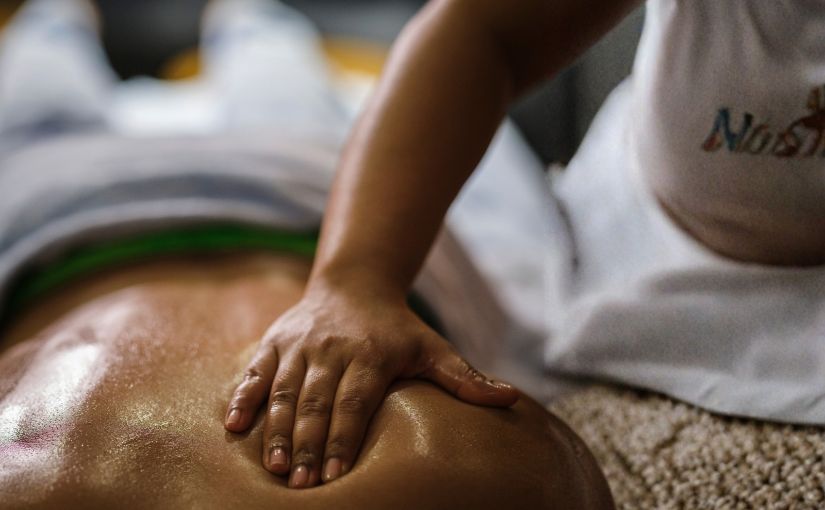
Massage therapy is a manual, hands-on treatment for your body’s soft tissues: muscles, tendons, ligaments, and connective tissue around them. Here, a trained therapist presses, rubs, kneads, or stretches the aforementioned.
Bear in mind that the techniques vary, and on top of the hands and arms, some may include the use of forearms, elbows, or even feet. Nonetheless, the objective remains the same: ease muscle tension, help your body feel and at the same time move better, and also lower stress.
In line with this, note that it’s one of the oldest forms of healing. According to studies, its origin can be traced in India as a key component of Ayurveda–a traditional system–that translates to science of life (Sanskrit). Here, it was used to treat injuries and basically restore the body’s balance. During the said timetable, China included massage in its traditional medicine. From there, it spread to Egypt, Japan, and other parts of the world.
Consequently, the greeks as well as the Romans embraced it. Hippocrates used massage to treat injuries, Greek athletes relied on it before competitions, and Romans enjoyed rubdowns at the public baths.
In the early 1800s, Swedish teacher Per Henrik Ling revived massage in the West, laying the groundwork for Swedish massage. By the 20th century, it had become a respected, drug-free therapy for pain and stress.
The Philippines has its own version: hilot, a traditional healing massage passed down through generations to ease sprains, muscle pain, and everyday aches.
Chiropractic therapy vs massage therapy vs hilot
Contrary to many beliefs, chiropractic therapy, massage therapy, and hilot is not the same. For instance, they come from varying traditions and aim to deliver different results.
The table below shows how they compare side by side:
| Massage therapy | Hilot | Chiropractic therapy | |
| What it is | A wellness service focused on relaxing soft tissue | A traditional Filipino healing practice | A clinical approach focused on the spine, joints, and nervous system |
| Primary objective | Relaxation and stress relief | Restoring balance and easing muscle and joint complaints the traditional way | Finding and correcting joint and spinal problems that cause pain or limit movement |
| Common techniques | Kneading, stroking, pressure on muscles | Massage, stretching, manipulation, sometimes with oils or leaves | Physical assessment, targeted spinal and joint adjustments, mobility and posture work |
| Practitioner who performs it | Massage therapists | Manghihilot (community-recognized) or formally trained hilot practitioners | Chiropractors |
| Training | Massage therapy courses | Passed down through generations or taken at a PITAHC-accredited training center | Formal chiropractic education |
| Assessment | Usually just a quick check of preferences and problem areas | Based on the practitioner’s traditional knowledge and touch | Health history, posture and movement checks, and sometimes imaging |
| Best for | Unwinding, muscle tension, general wellness | People who prefer traditional Filipino healing | Recurring back or neck pain, posture problems, joint issues |
Should you see a chiropractor or get a massage?
Chiropractic therapy and massage therapy are both holistic and drug-free approaches that can play a key role in pain management and improving overall well-being. But, in certain cases, one may be better than the other.
- Relaxation: Massage
- Neck pain: Chiropractic
- Back pain: Chiropractic
- Headaches: It depends on the type
- Tight, sore muscles: Massage
- Posture: Chiropractic
- Recovering from surgery or an injury: Massage
- Wanting to cut back on pain meds: Chiropractic
Relaxation: Massage
According to Mayo Clinic, relaxation is one of the biggest reasons people book a massage, and for good reason. Massage helps lower stress, improve mood, and ease anxiety. Even people who go in for sore muscles or an injury often say they feel calmer afterward. Don’t be surprised if you feel a little tired or sore after a session, too. That’s normal, since your muscles just got a workout of their own.
Neck pain: Chiropractic
If your neck’s been stiff from long hours at a desk or looking down at your phone, a chiropractor might be the better call. Healthline points to a 2012 study of 272 adults where spinal manipulation worked better than medication for neck pain, and the results held up for up to a year. One thing worth knowing: simple home exercises did nearly as well in that study. So don’t skip the stretches your chiropractor gives you.
Back pain: Chiropractic
Back pain is where chiropractic care has some of its strongest backing. The American College of Physicians actually recommends trying non-drug options like spinal manipulation before turning to medication for low back pain, as Healthline notes. A 2017 review also found that spinal manipulation brought moderate relief for back pain within the first few weeks. It’s a good first step if you’d rather not jump straight to pills or injections.
Headaches: It depends on the type
Here’s where it gets a bit tricky. If your headaches start in your neck, chiropractic care may help. One study found that neck and upper-back manipulation eased these headaches better than exercise alone, and the relief lasted for months (Healthline). But if your headaches are tied to stress and tight muscles, massage is worth a shot. Mayo Clinic Health System lists headaches among the conditions massage can help with.
Tight, sore muscles: Massage
Massage is the go-to for muscle tension. Mayo Clinic Health System says it can reduce stiffness, ease soreness, improve flexibility, and even help you bounce back faster between workouts. It’s a great option if you’re active, or if you just carry a lot of tension in your shoulders and back.
Posture: Chiropractic
If sitting all day has left you slouching, a chiropractor may be able to help. Healthline says chiropractic care can potentially improve poor posture, especially when it’s caused by too much sitting. The research here is still early, though, so think of it as one part of the fix. Better desk habits and strengthening exercises matter just as much.
Recovering from surgery or an injury: Massage
Massage isn’t just for pampering. Mayo Clinic Health System notes it’s often part of medical treatment plans, like after a joint replacement or an injury, to help people get back to their daily routines. It can also help with scar tissue and soft tissue strains. Just check with your doctor first if you’ve recently had surgery.
Wanting to cut back on pain meds: Chiropractic
If you’re trying to rely less on prescription painkillers, chiropractic care may help. A large 2020 study cited by Healthline found that adults who saw a chiropractor for spinal pain were less likely to fill an opioid prescription than those who only saw their doctor.
References:
- https://www.mayoclinichealthsystem.org/hometown-health/speaking-of-health/benefits-of-massage-therapy
- https://www.healthline.com/health/chiropractic-benefits
Are Chiropractic Care and Massage Therapy Safe?
For most people, yes. Both are low-risk when a trained, licensed professional does them. Still, it helps to know what to watch for.
Possible risks of chiropractic therapy
Feeling a bit sore, stiff, or headachy after an adjustment is normal. NCCIH says these effects usually fade within 24 hours.
Serious complications, like nerve problems or strokes linked to neck artery tears, have been reported. They’re very rare, and there’s no reliable data on how often they occur. It’s also unclear whether the adjustment itself causes these tears, since sudden neck movements from sports or whiplash can trigger them too.
That’s why screening matters. A good chiropractor will ask about your health history and medications before treatment. Before any neck work, they should also explain the risks and get your consent.
When Massage Needs Extra Caution
Massage is generally safe, but take extra care if any of these apply to you:
- Bleeding disorders or blood thinners: Skip deep tissue or forceful massage.
- Pregnancy: Get your doctor’s OK first, and find a therapist trained in prenatal massage.
- Wounds or fragile skin: Keep pressure away from those areas.
Deeper pressure doesn’t always mean better results, either. Rare injuries like blood clots, nerve damage, and fractures have mostly involved vigorous massage or higher-risk people, such as older adults. Moderate pressure can still ease tension, so speak up if it hurts.
Before your session, tell your therapist about any health conditions, medications, recent surgery, or injuries.
Combining both chiropractic therapy and massage therapy
Both chiropractic therapy and massage therapy offer holistic approaches for pain management and well-being improvement. However, many Filipinos find that combining both is beneficial. Just make sure to choose professionals who have undergone the right training to perform any of the said approaches.
Additionally, make sure to coordinate with your physician if you have pre-existing conditions or is under medication.
Not sure which one you need? Posture Perfect Chiropractic can help
A massage from your “suking masahista” (regular masseuse/masseur) is still a great way to unwind and loosen tight muscles. But if your back, neck, or shoulder pain keeps coming back, or you’re dealing with posture or joint problems, a chiropractor may be the better choice. You don’t have to pick just one, either. Many people get the best results by combining both. Whichever you choose, go to a properly trained professional, like a PITAHC-certified chiropractor, and check with your doctor first if you have a medical condition or take medication.
Still not sure which one you need? Book an assessment at Posture Perfect Chiropractic. Our certified chiropractors will check your spine, posture, and movement, find what’s causing your pain, and build a treatment plan that fits your needs.
Book your appointment today.