
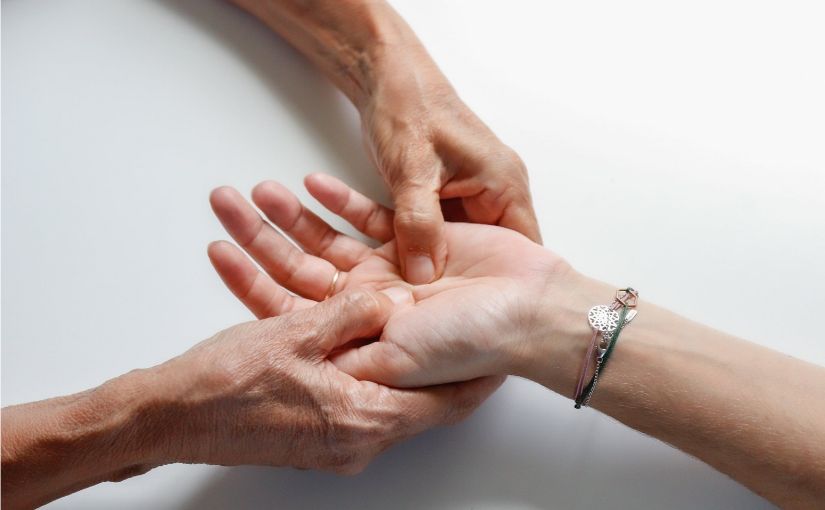
Hilot and Chiropractic Therapy: What’s the Difference?

Main points:
- Hilot is a traditional Filipino practice that uses massage, stretching, and warm oils to ease everyday aches, fatigue, and tension.
- Chiropractic therapy is a clinical treatment that focuses on the spine and joints. It’s meant for back pain, neck pain, and posture problems.
- Bone setting and hilot aren’t the same thing. Bone setting deals with injured bones and joints, while hilot covers the whole body.
Work-related musculoskeletal pain is a serious concern in the Philippines, particularly among healthcare professionals. This is according to a small study that was published in the National Library of Medicine. The small cross-sectional study among neurosurgery consultants in the country suggests that neck pain is the most common ailment, followed by lower back pain.
Since many Filipinos opt for a drug-free approach to cure illnesses, it’s no wonder why many opt for holistic methods like hilot and chiropractic therapy to address musculoskeletal pain. Both gained recognition for their use of manual techniques to treat pain, stiffness, and functional movement concerns, but they differ in many ways. That is what this article is about.
Read on to find out more about the differences of hilot and chiropractic therapy to make an informed decision for your needs, preferences, and budget.
Hilot vs chiropractic therapy at a glance
Let’s take a quick glance at what hilot and chiropractic therapy do and whether you’d choose one over the other.
| Factor | Hilot massage | Chiropractic therapy |
| Basic definition | A traditional Filipino massage and healing practice | Manual/hands-on technique that’s used by chiropractic doctors to fix spinal as well as joint subluxations. |
| Primary focus | Restore and maintain the body’s overall balance as well as well-being while addressing physical discomfort. | Diagnose, treat, and prevent musculoskeletal disorders. It puts emphasis on improving the health of the spine and joints to manage pain, enhance mobility, and improve overall health. |
| Typical techniques | Massage, pressure, oils, stretching, warming, and traditional assessment approaches | Controlled force applied to a joint, spinal manipulation, mobilization, and sometimes soft-tissue work |
| Main area treated | Often the whole body or broad painful areas | Usually a specific joint, spinal region, or movement-related complaint |
| What to expect | Rhythmic massage pressure, stretching, warmth, and relaxation | Pressure, a quick thrust in some techniques, movement, and sometimes a popping sound |
| Best suited for | Mild soreness, stress-related tension, and relaxation | Mild soreness, stress-related tension, relaxation, musculoskeletal concerns |
What is hilot?
Hilot is an ancient Filipino healing tradition that’s grounded on the belief of achieving balance among a person’s physical elements along with their spiritual, mental, and emotional aspects. It can be said that at its core, hilot heals the whole person, and not just their physical problems.
The practice is usually passed on from one generation to another, which suggests the interplay between spirituality and cultural heritage. Additionally, hilot practitioners utilize medicinal plants and “bulong” or whispered or written prayers, to treat their patients.
A recognized manghihilot (hilot practitioner) develops their healing methods over decades and often becomes a community’s go-to person to treat strains, sprains, stress, and fatigue, among others.
In 2016, the Philippine government, through the Philippine Institute of Traditional and Alternative Health Care (PITAHC), recognized hilot as a legitimate healing modality. At present, there are certified hilot practitioners that have undergone proper training are certified by the government.
Hilot methods
Now that you understand the concepts of hilot, let’s take a closer look at the methods that manghihilot use to treat ailments.
- Pressure applied to tight or sore areas. A manghihilot performs hands-on techniques to locate the body part that has accumulated muscle knots. Afterward, they apply sustained as well as focused pressure to the affected areas.
- Stretching or assisted movement. A manghihilot gently stretches your muscles and guides your joints using movements that are specifically designed to restore flexibility and achieve your full range of motion.
- Coconut oil, herbal oils, or liniments. A manghihilot uses specialty oils based on their therapeutic properties, but most of them are to treat inflammation.
- Warm compress. Some manghihilots use warm compresses to improve blood flow during the hilot session.
All these methods play a key role in helping your body achieve balance. Also, each method complements the other, allowing the body to relax and heal.
What hilot may be appropriate for
Hilot is often the first remedy for common injuries, discomfort, tension, and fatigue. Below is a list of ailments that may be treated by this holistic approach.
- General body fatigue. If you’ve spent long hours at your desk, played a strenuous game, or traveled for a long time, your body has likely accumulated fatigue. Hilot’s relaxation-focused approach can help you feel better.
- Stress-related muscle tension. Your body knows when you’re stressed. A manghihilot can recognize the tense body part or parts and may perform body massages or spiritual work to help calm the nervous system.
- Mild, non-specific stiffness without injury or neurological symptoms. In certain cases, you’re just stiff, not injured. A manghihilot can help restore movement without clinical intervention.
- Relaxation and a culturally familiar wellness space. For many, hilot offers more than just pain management and improved mobility. It’s a wellness practice that’s rooted in culture.
It can be said that hilot is a holistic approach that’s preventative, accessible, and deeply rooted in Filipino traditions.
What are the limitations of hilot
Hilot is effective for the everyday aches, tiredness, and stress that build up in your body. But if something feels wrong, if you’ve been injured, if you’re having nerve problems or feeling sick all over, or if your heart or breathing is off—you need to see a doctor first. A real manghihilot will tell you honestly when something is beyond what they can help with.
Is hilot safe?
Hilot is generally safe, especially for minor muscle stiffness and relaxation. However, it can be a bit risky if it’s used to treat serious fractures or injuries minus a medical doctor’s evaluation.
Also, bear in mind that not all manghihilots are created equal. You should be wary of pseudo manghihilots who lack training and rely on guesswork. They may use excessive force, apply improper techniques, or perform inaccurate assessments—all of which may compromise not only your injury but also your overall health.
The difference between hilot and bone setting
Hilot and bone setting are two different things. Hilot is a broader healing system that’s made up of muscle massage, spinal manipulation, essential oils, herbs, and spiritual as well as mental balance to achieve healing. Bone setting, on the other hand, is an injury-focused practice that aims to realign the bones or joints.
Here’s a table that shows the two holistic approaches at a glance:
| Aspect | Bone setting | Traditional Filipino hilot |
| Main focus | Suspected fractures, dislocations, sprains, or joints believed to be “out of place” | Muscle and joint discomfort, stiffness, sprains, fatigue, recovery, and well-being; some practitioners also address injuries |
| Typical method | Pulling, pressing, repositioning, splinting, bandaging, or manipulating the affected body part | Hands-on assessment and massage, pressure, stretching, joint manipulation, and sometimes coconut oil, herbal preparations, or warmed leaves |
| Scope | Usually specific to the injured bone or joint | Broader whole-body practice that can include musculoskeletal care and traditional wellness concepts |
| Practitioner | A traditional bonesetter; in some Filipino settings this may be called a manghihilot, mamarukpok, or another regional name | A manghihilot or mangablon; practice and terminology vary significantly by region and family tradition |
| Relationship | Can be one component of a hilot practitioner’s work | May include bone-setting, but not all hilot is bone-setting |
What is chiropractic therapy?
Chiropractic therapy is a hands-on/manual treatment that treats pain, improves mobility, and boost functionality. It’s about aligning your body’s musculoskeletal system, especially your spine, to relieve pain and discomfort. Eventually tapping your body’s innate capacity to heal itself naturally.
The foundation of chiropractic therapy is spinal manipulation. It’s a holistic method where chiropractic doctors strategically and carefully perform targeted alignments to align your vertebrae and joints to manage pain, discomfort, and everything in between. Additionally, joint adjustments and manipulation are performed to fix joint subluxations or misalignments.
How chiropractic therapy changed for the better
Modern chiropractic therapy has expanded way beyond that. Nowadays, chiropractors combine spinal manipulation with other treatments that include soft tissue massage and myofascial release. Many of them also give guidance on home exercises, proper posture, and ergonomics to achieve lasting pain management and improve overall health.
Furthermore, many chiropractors now work alongside regular doctors, pain specialists, and other healthcare specialists to give comprehensive treatments that are specifically tailored for your needs and fitness level.
Chiropractic certification in the Philippines
In the Philippines, PITAHC set up the standards for chiropractic certification in the country. They created a technical working group: the National Certification Committee for Chiropractic (NCCC) to accept, review, approve, and issue certificates to chiropractic doctors and other related practitioners.
What conditions can chiropractic therapy treat?
Chiropractic therapy can treat a number of conditions, and some of the most notable ones are elaborated below.
Lower back pain
If you’re nagged by lower back pain and you don’t have underlying conditions, you can undergo chiropractic therapy. In fact, lower back pain is one of the most common reasons Filipino patients opt for this holistic method.
Mechanical pain linked to movement, posture, or joint stiffness
Mechanical pain includes the pain that you experience when you’re hunched over your desk for extended periods or discomfort that worsens when you move a certain way. Chiropractors can loosen muscle knots and help relax your muscles, allowing you to reach your full range of motion. This, in turn, allows you achieve normal movement patterns.
Neck and shoulder complaints
Painful neck and shoulders are usually not medical emergencies, but if not immediately addressed, they may limit everyday movements. A chiropractic doctor can help address these concerns after a screening, allowing you to improve your quality of life.
Chiropractic therapy is essential in managing these conditions, but you will get the most benefit from it if you combine it with exercise, good posture, and proper ergonomics.
Is chiropractic therapy safe?
Chiropractic therapy is generally safe, but there are precautionary measures that you, the patient, should keep in mind. You should only undergo treatment from a qualified, experienced, and certificated chiropractic doctor. But like other holistic methods, there are certain things that you need to consider. Some of them are as follows:
What the research says
A comprehensive 2017 review analyzed evidence from 250 scientific publications on the risks and side effects of spinal manipulation and mobilization. Here’s what they found:
- Common, temporary side effects. Most patients experience mild-to-moderate side effects after chiropractic treatment. Some of these include stiffness, dizziness, headaches, and stiffness. But, bear in mind that they’re temporary and usually go away after a couple of hours.
- Serious side effects are rare. Serious complications such as neurological damage or spinal injuries are very rare. For reference, in post-cervical manipulation arterial dissection occurred once in 8.06 million visits.
- Your personal risk factors matter. Your likelihood of experiencing a serious side effect is higher if you have underlying health conditions that increase your injury risk. This is why pre-treatment screening isn’t just a formality; it’s genuinely important.
Chiropractic therapy is a viable option for mechanical pain and posture problems. To make sure that your welfare won’t be compromised, make sure to opt for a certified chiropractor that’s backed by a long history of safety and satisfaction.
Related article: Navigating Chiropractic Therapy: A Guide to Clinic Selection
Both hilot and chiropractic therapy are worthwhile options for you if you want to achieve pain relief, improve mobility, and optimize your health. However, if you’re experiencing nagging pain, movement limitations, or poor posture that’s negatively affecting your daily activities, it’s safe to say that chiropractic therapy is a good option.
Chiropractic doctors undergo more extensive training and assess your body to make sure that they can address the root cause of pain and not just mask the symptoms.
So book an appointment at Posture Perfect Chiropractic. Our chiropractors can assess your condition and create a personalized treatment plan that will actually work for you.