
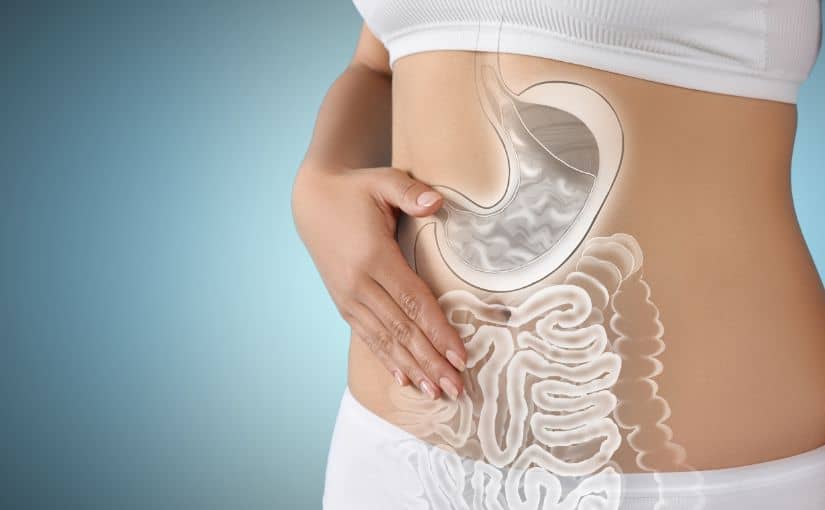
Chiro Therapy and the Digestive System
Main points:
- Misalignments in the spine can block nerve signals that control how your gut works.
- Conditions like constipation, acid reflux, and bloating may improve with proper spinal care.
- Spinal adjustments, stress relief, and posture tips all work together to help your digestive system function better.
Digestive discomfort is one of the most common health concerns among Filipinos. From bloating and constipation to acid reflux, these symptoms are often blamed on food or stress. But the National Nutrition Council reminds us that digestive health involves more than just diet.
It starts with how well your body communicates internally.
Your nervous system, which is protected by your spine, plays a key role in digestion. When the spine is misaligned, a condition known as spinal subluxation, it can disrupt the signals traveling between your brain and digestive organs. This disruption can slow down digestion, cause inflammation, or lead to irregular bowel movements.This is where chiro therapy can be beneficial. Rather than focusing only on symptoms, it aims to support how your body works as a whole, starting with the spine.
What’s the Connection Between the Spine and Digestion?
Your spine and gut are more connected than you might think. That’s because the spine protects the nerves that help control digestion. When the spine is misaligned, it can disrupt these signals and lead to common digestive issues.
Here’s how that connection works:
- Nervous system communication – The brain sends signals through the spine to your digestive organs. Spinal subluxation can block these signals and slow digestion.
- Autonomic nervous system – This system manages your body’s “rest and digest” response. Spinal stress can keep your body in a “fight or flight” state, making digestion harder.
- Reduced inflammation – Misaligned vertebrae can irritate nerves and trigger swelling. This often shows up as bloating, pain, or irregular bowel habits.
- Improved blood flow – Healthy digestion needs good blood circulation. A properly aligned spine supports better blood flow to your stomach and intestines.
When your spine is aligned, your digestive system has a better chance of working the way it should. That’s why caring for your spinal health can be an important step toward easing digestive discomfort.
How Chiro Therapy May Help with Digestive Issues
Digestive problems can show up in many different ways. You might feel backed up, bloated, or experience heartburn after meals. What these symptoms often have in common is a disrupted connection between your spine and your digestive organs.
Here are some common issues and how chiropractic care may help:
- Constipation and irregular bowel movements – Your colon relies on nerve signals to move waste through your body. Misalignments in the lower spine can interrupt these signals, making it harder to go regularly. Chiropractic adjustments may help restore normal movement and reduce discomfort.
- Acid reflux and gastroesophageal reflux disease (GERD) – When the nerves around your upper spine are under pressure, it can affect how the muscles near your esophagus work. This may allow stomach acid to rise more easily. Chiro therapy may reduce that nerve pressure and support smoother digestion.
- Bloating and gas – If your digestion slows down, food stays longer in your system and causes excess gas. Poor spinal alignment can be one cause of this. Realigning the spine may help your digestive system break down food more efficiently.
- Irritable Bowel Syndrome (IBS) – IBS is often linked to stress and poor nerve regulation. Chiropractic therapy not only targets spinal issues but also helps calm your nervous system. This can ease cramping, urgency, and other IBS symptoms over time.
If you’re wondering how all of this works in practice, let’s look at the chiropractic methods that may help improve digestive health.
What Chiropractic Methods are Performed for Digestive Health
Chiropractors use a range of gentle, non-invasive techniques to help your body function better. When it comes to digestion, the goal is to reduce pressure on the nerves, improve movement, and support your body’s natural healing process.
Here are some of the most common methods:
- Spinal Adjustments
- Soft Tissue Therapy
- Stress Management
- Posture Advice and Recommendations
Spinal Adjustments (Spinal Manipulation)
This is the most well-known chiropractic technique. It involves gently realigning parts of the spine to reduce pressure on nerves. For digestion, a chiropractic doctor may adjust the lower and middle back, where nerves connect to the stomach and intestines.
Soft Tissue Therapy
Muscle tension around the spine can pull the body out of alignment and add to nerve stress. Soft tissue therapy helps release that tension, improve movement, and support better function in the areas linked to digestion.
Stress Management
Stress doesn’t just affect your mood. It also affects how your gut works. When your body stays in a constant state of stress, digestion can slow down or become irregular. A chiropractic doctor may recommend calming techniques like breathing exercises or movement routines to help your nervous system achieve a state of relaxation.
Posture Advice and Recommendations
How you sit, stand, and move can either support or strain your spine. Poor posture can press on the nerves that help your digestive system do its job. Chiropractors often guide you with posture tips that reduce pressure and support long-term comfort, both in your spine and in your stomach.
Start Where It All Connects: Your Spine
Many people overlook how their spine affects their digestion. If you’ve been managing symptoms but not seeing results, this could be the missing link. Spinal misalignments may be blocking the signals your gut needs to work properly.
At Posture Perfect Chiropractic, we focus on restoring proper nerve communication through gentle, targeted care. Even small adjustments can lead to better digestion, less bloating, and more regular bowel movements.What if spinal care could be the missing piece in your gut health journey? Book an appointment now.
Frequently Asked Questions
Spinal subluxation happens when a bone in your spine shifts out of place and puts pressure on nearby nerves. This can disrupt the signals between your brain and digestive organs, leading to issues like bloating, gas, or constipation.
The spine protects the nerves that help your digestive system work properly. When the spine is misaligned, these nerve signals can be blocked or slowed, which may cause problems with how food moves through your body.
Stress can cause your body to stay in “fight or flight” mode, which slows digestion and leads to discomfort. Chiropractic care may help calm the nervous system and support better digestion by relieving tension and improving nerve function.