
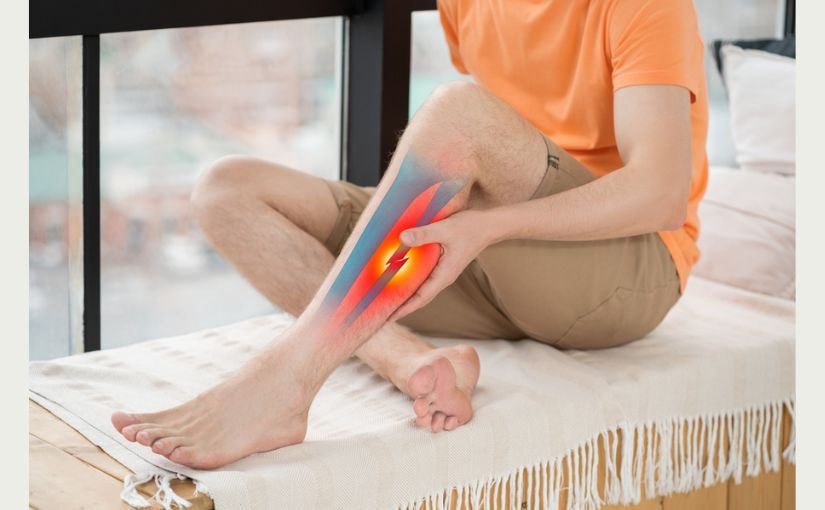
How to Fix Calf Pain with Chiropractic Therapy
Main points:
- Most calf pain is caused by muscle knots, nerve issues, circulation problems, movement patterns, and posture.
- If not immediately addressed, calf pain can compromise your sitting posture, foot mechanics, or spinal alignment.
- You can stretch and take pain meds and feel relief for a day or two. But, calf pain management can be improved with chiropractic therapy.
Calf pain is one of the common ailments that Filipinos experience. Whether you’re standing all day for work, dealing with a muscle cramp that won’t quit, or recovering from pushing yourself too hard at the gym, that sharp or dull ache in the back of your leg can really slow you down.
Some patients describe it as tightness, others as a sudden jolt—and yeah, sometimes it’s just that nagging soreness that hangs around for days.
The good news? Most calf pain is caused by muscle knots, nerve issues, circulation problems, movement patterns, and posture. This means that by addressing these issues, you can fix calf pain and prevent both pain and discomfort.
This is where chiropractic therapy comes in. By addressing the root cause of calf pain and not just the symptoms, you can perform daily tasks to the fullest and live a pain-free life.
Read on to find out how this holistic approach can help fix calf pain.
What are the common causes of calf pain
There are several causes of calf pain, and they’re encountered on a daily basis. Some of the most notable ones are elaborated below.
- Muscle strains from overuse. You pushed it too hard or did something you haven’t done in a while. Ran longer than usual, stood on your feet all day, got back into the gym. Your calves weren’t ready for it. The pain usually hits the next morning; that’s when you really feel it.
- Tight calves from prolonged sitting. Desk job? Car commute? Your calves are basically shortened the entire time. They stay tight even when you’re not sitting anymore. By evening your leg is just aching, and you can’t shake it.
- Foot problems. Your foot and calf are connected. Flat feet, high arches, plantar fasciitis—any of that throws your whole lower leg off. Your calf has to compensate and work harder. Fix the foot problem, and sometimes the calf pain just goes away.
- Spinal subluxation. Spinal subluxation is something that conventional calf pain treatments miss. When your spine or pelvis is misaligned, the nerves going down into your leg get irritated. You might get pain, tingling, or weird sensations. Just stretching your calf won’t help if this is what’s going on.
- Doing the same thing over and over. Running every day, standing at work constantly, always climbing stairs. The repetition adds up. Your muscles get tired and tight and don’t recover. One day you realize the pain just won’t go away.
- One leg is longer than the other. Some people are born with this, some get it from an old injury. Your body compensates, and your pelvis shifts, your walking changes, and one calf ends up doing way more work. That’s where the pain comes from.
- How you stand and walk. Bad posture, weird gait—it all matters. Your calf is affected by how your whole body moves. A lot of times people think they have a calf problem when really it’s just how they’re carrying themselves.
Calf pain usually stems from something deeper: how you sit, walk, foot mechanics, or spinal alignment. Stretching helps temporarily but won’t fix it. We address what’s actually causing the pain.
How chiropractic therapy can help with calf pain
Resting might feel good temporarily, but if there’s something wrong with how your spine or joints are aligned, that pain is going to come back. That’s the real difference between chiropractic therapy and conventional approaches: your chiro doctor will determine the root cause of pain and discomfort and fix it.
- Spinal subluxation puts pressure on your nerves and your calves feel it. When a chiropractic doctor adjusts your spine, they get those vertebrae back where they belong. That relieves the nerve pressure that’s making your calf tighten up and hurt.
- Tight calf muscles usually mean something else is off balance. A chiropractic doctor uses soft tissue work to release those knotted-up muscles and get blood flowing properly again. Once that tension is gone, your muscles can actually function the way they’re supposed to.
- How you move matters more than you probably think. A lot of people come in with calf pain that’s really coming from how they position their body all day: sitting hunched at a desk, standing on one leg while waiting in line, sleeping in a position that strains your legs. Your chiro doctor shows you what habits are making it worse and how to move better.
- You’ll also get exercises to do at home. The work doesn’t end at a chiropractic clinic. A chiropractic doctor gives you specific stretches and movements so your muscles stay mobile between appointments and actually heal instead of just temporarily feeling better.
Resting your leg might ease the pain for a while, but that’s not the same as fixing what caused it. When you come in, I’m not just treating the symptom—I’m finding the actual problem, whether it’s a misaligned spine, tight muscles, or movement habits that keep re-injuring you. That’s why chiropractic care gets lasting results.
What are chiropractic techniques for calf pain?
Calf pain makes it hard to walk, climb stairs, or even stand comfortably. Instead of just treating the pain, a good chiropractor looks for what’s causing it. Usually, calf pain comes from a misaligned spine, poor foot positioning, or bad posture that pulls on your calf muscle. The key is treating your whole body, not just the sore spot.
Spine adjustments. When your vertebrae get out of line, they squeeze the nerves that talk to your calf. An adjustment puts everything back in place, which releases the pressure on those nerves and helps your muscle work the way it should. Most people feel better within a few visits.
Hands-on muscle work. Your chiropractor uses massage and pressure on tight spots to loosen your muscles, boost blood flow, and reduce swelling. This technique helps your calf relax and heal faster.
Stretching and exercises. Specific stretches and movements help your leg move better, take pressure off your calf during the day, and fix how you walk. Your chiropractor will show you some moves to do at home.
Fixing your feet and ankles. If your feet aren’t lined up right, your calf has to work too hard. Adjusting your ankle and foot joints fixes this problem. Custom shoe inserts (orthotics) can also help keep your feet healthy. When your feet work properly, your calf stops hurting.
Watching how you walk. The way you walk can strain your calf unevenly. Your chiropractor watches your gait to spot problems—like how your heel strikes the ground or if one side is tighter than the other. Fixing these things prevents pain from coming back.
Better posture. Poor posture throws off your whole body and makes your calf work harder than it should. Your chiropractor teaches you how to stand, sit, and move correctly. Stronger core muscles and better daily habits keep the pain from returning.
Ready to fix your calf pain with chiropractic therapy?
Calf pain doesn’t have to just be something you deal with. That tightness or ache you’re feeling—it’s your body telling you something’s off, and it can get better. Most times it’s from how you’re sitting all day, the way you walk, or your spine being misaligned. We don’t just treat the pain. We figure out what’s causing it and actually fix it.
You can stretch and take pain meds and feel relief for a day or two. But chances are, the pain and discomfort may come back. That’s because you’re only treating the symptom, not the problem. At Posture Perfect Chiropractic, we’ll look at the whole picture: your posture, your movement, and your alignment. Afterward, we’ll address what’s really going on.
Book an appointment today and we’ll help you get back to your regular life without calf pain dragging you down.