
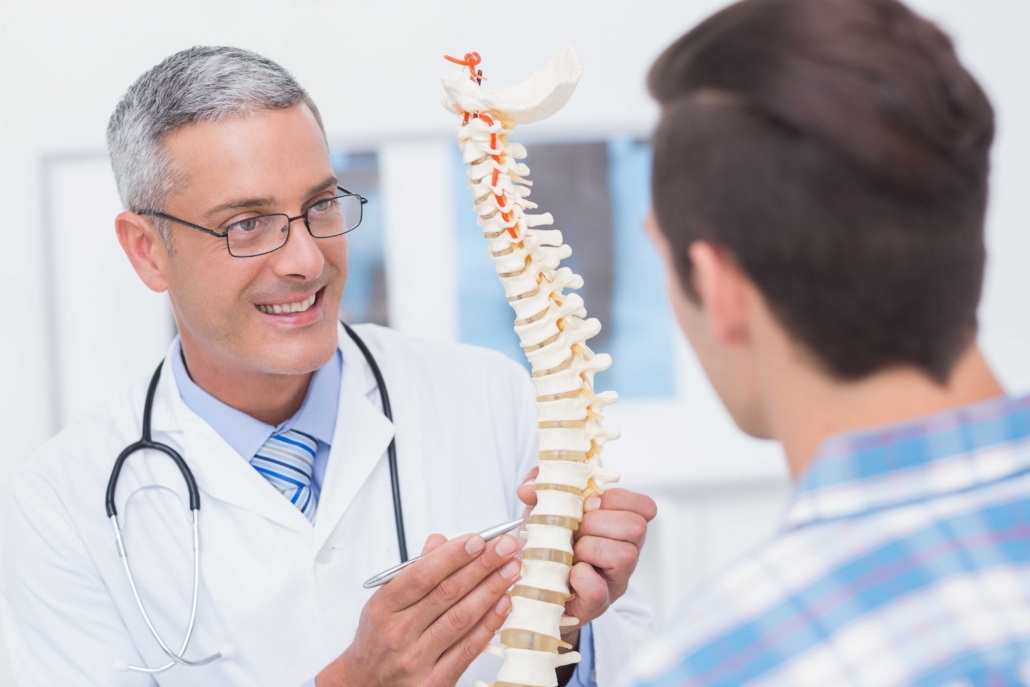
Chiropractic therapy Vs Osteopathy: A Comparison Guide
Main points:
- If you’re choosing from chiropractic therapy and osteopathy, one of mistakes that you can make is treating them as the same thing.
- Chiropractic therapy is focused on diagnosing and, at the same time, treating neuromusculoskeletal issues that are related to the spine, joints, nerves, muscles, and bones.
- Osteopathy is a manual hands-on treatment that works with the muscles, joints, and spine to help your body heal.
Back pain. Stiff neck. Sore shoulders from hunching over your desk. If you’re tired of taking painkillers just to get through the day, you’ve probably looked into alternatives. And chances are, you’ve stumbled across both chiropractic therapy and osteopathy.
Most people use these terms like they mean the same thing. After all, they’re both hands-on therapies. Both practitioners push and adjust your body. Both promise to fix your movement issues. So what’s the difference?
The Philippines is catching on to this, but chiropractic therapy’s been around a bit longer. Osteopathy, though? That’s relatively new in the country, but gaining traction as more people explore alternative medicine options. And, if you’re trying to choose between them, treating them as the same thing is a mistake.
They work differently. They think about your body differently. And that matters for what you’re actually going to get out of treatment.
This guide walks you through what separates them: how each one approaches pain, what techniques they actually use, the kinds of issues each is better for, and which one might fit your situation. Whether you’ve got a nagging injury or you’re looking for a different approach that’s outside of conventional medicine, you’ll know what to expect from each.
What is chiropractic therapy?
Chiropractic therapy is hands-on treatment where a doctor of chiropractic uses appropriate pressure and gentle movement to fix spinal subluxation and joint subluxation. No medication needed since it taps the body’s innate capacity to heal itself.
In the Philippines, chiropractors are required to undergo the right training and develop extensive experience to practice. Plus, they need to be properly certified. PITAHC—the Philippine Institute for Traditional and Alternative Healthcare—has actual standards. Chiropractic doctors and related practitioners need to undergo extensive training and meet strict requirements before they obtain their PITAHC certification and practice.
What happens during a chiropractic session?
A doctor of chiropractic performs manual adjustments to the spine or specific joints to bring them back to their proper positions, allowing you to achieve your full range of motion. Along the way, you may hear a popping sound. Don’t worry because it’s gas being released from your joints. It’s totally normal and harmless. Your vertebrae (the small bones in your spine) get back where they belong. Most people feel better pretty quick, though you might be a bit sore for a day or two.
Remember, chiropractic works best alongside regular doctor visits—not instead of them. It’s really effective for back pain, neck pain, stiff shoulders, and knee problems. Do you spend your day hunched over a desk, and are you dealing with tech neck and other similar ailments? This is a tried and tested alternative to relying on painkillers.
What are the conditions that chiropractic therapy treat?
Chiropractic therapy is focused on diagnosing and, at the same time, treating neuromusculoskeletal issues that are related to the spine, joints, nerves, muscles, and bones. Read on for the details.
- Low back pain
- Neck pain
- Tension headaches and migraines
- Shoulder pain and stiffness
- Sciatica
- Whiplash and auto accident injuries
- Hip pain
Lower back pain
Lower back pain is why many people come in to see a chiropractor. We can adjust your spine to ease the pain and get things working normally again.
Neck pain
Got neck pain from bad posture or an injury? Chiropractic adjustments work really well for this. A few gentle adjustments usually get your neck moving freely again.
Tension headaches and migraines
Here’s something many people don’t realize—many tension headaches actually come from your neck. A doctor of chiropractic can help address tension headaches by adjusting your spine, which takes pressure off your nerves and helps with how often you get them.
Shoulder pain and stiffness
Your shoulder acting up from overwork or a strain? Your chiropractor may treat that with adjustments and some hands-on work on the muscles and soft tissue.
Sciatica
Sciatica is a condition that is characterized by radiating pain, numbness, and weakness. Your chiropractor may perform flexion-distraction therapy, which is coupled by manual spinal adjustments to reduce the sciatica symptoms to bring natural pain relief.
Whiplash and auto accident injuries
Whiplash from a car accident can mess up your neck pretty badly. Your chiropractor can perform spinal manipulation, tissue therapy, and rehabilitative exercises to get you back to your tip-top shape. Simply put, it’s a good practice to visit both your medical doctor and chiropractic doctor for whiplash accident treatment.
Scoliosis
Chiropractic therapy can’t reverse scoliosis. But, if done together with medical intervention, it can help manage it and improve how you perform daily activities.
Sports injuries
If you’re an athlete or a weekend warrior, chiropractic therapy can help you perform well by allowing you to achieve your full range of motion and prevent injuries.
Knee pain
Knee problems happen to people at any age. Your chiropractor can figure out what’s actually wrong with your knee and work on getting you moving better.
Hip pain
Hip pain from things like joint misalignment or overdoing it responds well to chiro adjustments and treatments.
If you’re dealing with back pain, neck strain, or a sports injury, chiropractic adjustments can tackle those joint and muscle problems and get you back in action.
What is osteopathy?
Osteopathy is a manual hands-on treatment that works with the muscles, joints, and spine to help your body heal. The World Health Organization (WHO) classifies it as traditional, complementary, and integrative medicine. Like chiropractic therapy and other holistic approaches, it dwells on the concept on the body’s innate capacity to heal itself.
Consequently, osteopathy practitioners don’t just look at the painful spot, they assess your whole body. They use stretching, gentle pressure, and various techniques to manipulate joints and muscles. Plus, they’ll usually suggest lifestyle changes and exercises you can do at home to keep improving.
What can osteopathy help with?
According to a published study, people who get osteopathic care actually see real improvements, especially if you’re dealing with chronic pain.
Below are conditions that can be addressed or managed by osteopathy.
- Pain relief and better movement
- Faster recovery after surgery
- Help during pregnancy
- Reduce inflammation and gut issues
Pain relief and better movement
Osteopathic manipulations help with back pain, neck pain, and migraines. They actually work. If you’ve got knee arthritis, osteopathic treatment beat standard rehab at reducing pain and getting your joints moving better. Even craniosacral work helped people with long-term back pain while improving blood oxygen and blood pressure.
Faster recovery after surgery
After heart surgery, patients felt less pain and got out of the hospital faster with osteopathic care. Premature infants recovered quicker with osteopathic treatment—with no adverse effects or complications. Older patients hospitalized with pneumonia spent less time in the hospital and had better survival rates.
Help during pregnancy
If you’re pregnant, osteopathic treatment in your third trimester can really help with pain and movement. The good news? Studies show there were no complications during labor or delivery.
Reduce inflammation and gut issues
For people with diabetes dealing with chronic back pain, osteopathic treatment reduced pain and brought down inflammation in their blood. If you have irritable bowel syndrome, visceral osteopathy can ease abdominal pain and digestive problems. And if you’re struggling with chronic pelvic pain, manual osteopathic treatment made a real difference.
The bottom line: research shows osteopathy works for pain, recovery, and overall function.
What to expect during an osteopathy treatment
Expect to spend 1-2 hours. The doctor will talk to you, examine you, and check how you move and carry yourself. They’ll use hands-on techniques to assess your joints and muscles. Fair warning: you might feel a bit sore for a day or two after, kind of like you just worked out.
What’s the difference between an osteopath and a chiropractic doctor?
Both osteopaths and chiropractic use manual, hands-on techniques to treat patients. But, they differ in methods. Plus, they undergo different training, and have different guidelines regarding the use of medicine.
| Philippines Status | Licensed and regulated. Officially recognized by PITAHC as complementary medicine | Officially recognized by PITAHC as complementary medicine; regulated by Philippine Osteopathic Association |
| Can Prescribe medicine? | No | Yes |
| How They Treat | Spinal adjustments + exercises, stretching, ergonomic advice | Spinal manipulation + medication, imaging, lifestyle counseling |
| Main Goal | Fix your posture and relieve postural pain | Treat your whole-body health and wellness |
| Best For Posture | Rounded shoulders, forward head posture, swayback | Complex health + posture issues |
Which is better for posture
Here’s the thing—if you’re dealing with rounded shoulders, forward head posture, or that stubborn lower back sway, a chiropractor is who you want to see. That’s what they specialize in. They’ve spent years learning how vertebrae work, how joints connect, and most importantly, how misalignments pull your entire body out of whack. When they adjust your spine, they’re not just treating a symptom—they’re actually restoring the position your body should be in.
An osteopath? They’re trained to look at the bigger picture. If you’ve got multiple health issues happening at the same time, they can help coordinate that. But here’s what matters: if your main problem is your posture and the pain that comes with it, you need someone who knows posture inside and out. And that’s the chiropractor.
Finding the right holistic professional
In the Philippines, both chiropractors and osteopaths have to be licensed—so you know they’ve met certain standards. When you’re looking for someone to help with your posture, don’t just pick the nearest clinic. Ask questions. Have they worked with posture problems before? Do they actually understand postural dysfunction, or are they just doing general adjustments? These details matter.
At Posture Perfect Chiropractic, we focus specifically on what you’re dealing with. We know posture problems. We diagnose them properly, treat them the right way, and help you actually move better and feel better—not just for today, but long-term.
If you choose chiropractic
Finding the right chiropractic facility? That’s actually really important. Because honestly, not every chiropractor is going to give you the same care or results.
Here’s what you should look for: Do they actually know posture issues, or are they just doing general adjustments? Can they tell you why your shoulders are hunched or your head’s jutting forward? That matters. A good clinic won’t just crack your back and send you off—they’ll give you a real plan. Exercises. Stretches. Tips for how to sit at your desk. The stuff that actually keeps the problem from coming back.
And pay attention to how they follow up. Are they checking in to see if you’re getting better? Or do they just keep booking you for more sessions? You want someone who’s actually invested in getting you fixed, not milking your visits.
At Posture Perfect Chiropractic, we take that seriously. We figure out what’s really going on with your posture, work on fixing it the right way, and show you how to stay better long-term. That’s the goal.
Want to know what to actually look for in a clinic? We’ve put together a guide on how to pick the right chiropractic facility that breaks it down: what questions to ask and what red flags to watch for.
Chiropractic and osteopathy are both hands-on treatments, but they work differently and they treat different things. If your issue is posture—rounded shoulders, forward head position, tech neck—a chiropractor is your move. That’s their specialty.
But here’s the real thing: picking the right chiropractor matters just as much as picking chiropractic itself. You want someone who actually gets posture problems, not just someone who does adjustments. You want a plan. Follow-ups. Real improvement.
Or if you’d rather just book a consultation with us, we can assess your posture and create a plan that actually works for your situation.
Go for chiropractic for posture and health improvement
If you’re dealing with rounded shoulders, forward head posture, tech neck, or that stubborn lower back sway, a chiropractor is who you want to see. That’s what they specialize in. They’ve spent years learning how vertebrae work, how joints connect, and most importantly, how misalignments pull your entire body out of whack. When they adjust your spine, they’re not just treating a symptom—they’re actually restoring the position your body should be in.
Plus, getting regular chiropractic treatment can help improve your mobility and your overall health as well as well-being.
An osteopath? They’re trained to look at the bigger picture. If you’ve got multiple health issues happening at the same time, they can help coordinate that. But here’s what matters: if your main problem is your posture and the pain that comes with it, you need someone who knows posture inside and out. And that’s the chiropractor.
If you’re ready to fix your posture, stop living with that nagging pain, and improve your overall well-being, Posture Perfect Chiropractic is here to help. We focus specifically on postural problems because that’s our specialty and we want to help you move better and feel better.